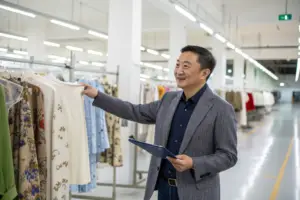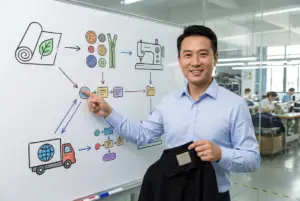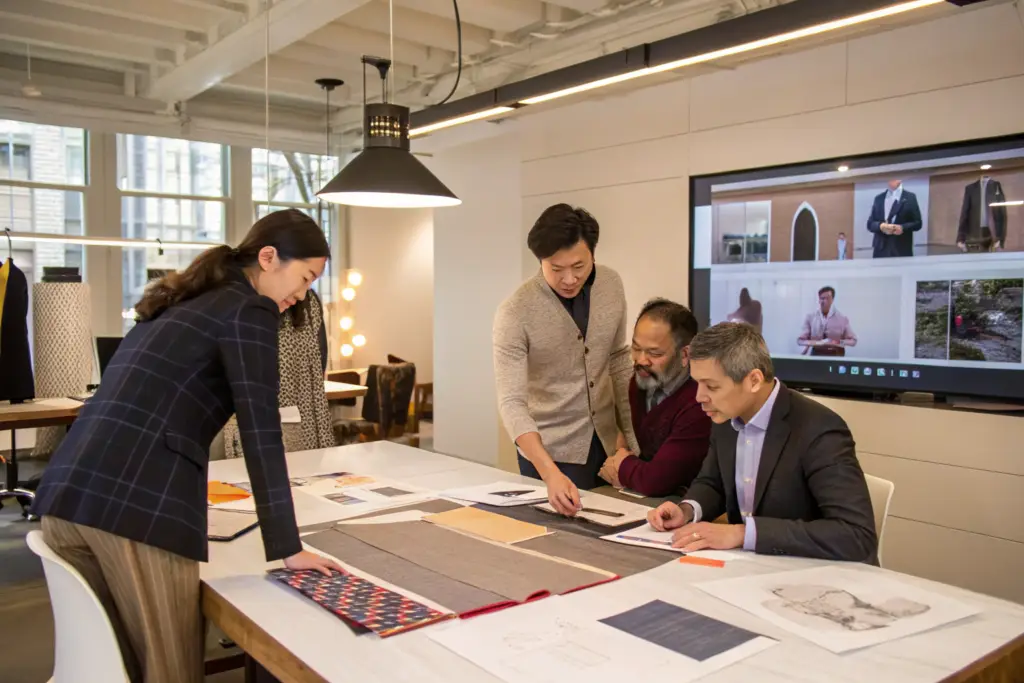
I still remember the first time a young designer from New York came to us with his vision for a men's wear line. He had sketches, a strong point of view, and a passion for classic tailoring with a modern twist. But he had never worked with a factory before. He was nervous. He was afraid we would "factory-ize" his ideas, make them boring and commercial. We sat down with him in our sample room. Our pattern maker, Mr. Wang, who has 35 years of experience in men's tailoring, looked at his sketches. He didn't dismiss them. He asked questions. "This shoulder line you want, it is very soft. For this look, I recommend a canvas construction, not fused. It will cost a little more, but it will drape perfectly." The designer's face lit up. He felt heard. He felt understood. That collection went on to be a huge success.
Our professional teams bring your men's wear vision to life by combining deep technical expertise with a genuine respect for your creative intent. We don't just take orders. We listen, we advise, and we execute. Our pattern makers understand the nuances of men's fit. Our sample machinists know how to construct a jacket that will hold its shape for years. Our sourcing team can find the perfect Italian wool or the ideal Japanese denim. We are not just a factory; we are an extension of your design team. We take your sketches, your tech packs, your ideas, and we turn them into real, tangible garments that you can be proud of.
My name is [Your Name], and I own Shanghai Fumao. Over the years, we have helped countless brands, from startups to established labels, bring their men's wear collections to market. Men's wear is special. It is about precision, fit, and enduring style. There is no room for error. Let me show you exactly how our team works to make your vision a reality.
How Does Our Pattern Making Team Perfect The Men's Fit?
Fit is everything in men's wear. Women's fashion often changes dramatically, but men's wear is about classic silhouettes that fit perfectly. A man will wear a well-fitted jacket for ten years. A poorly fitted one, he will return immediately. Our pattern making team is the foundation of our men's wear capability. They understand the male form and how fabric should behave on it.
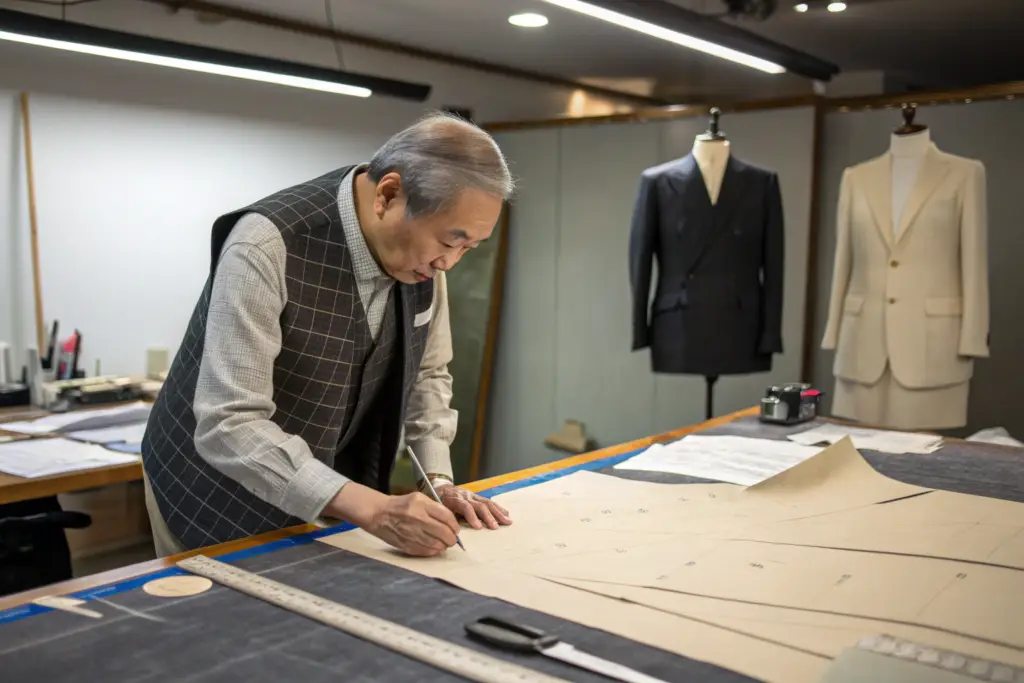
What is the difference between fused and canvas construction for jackets?
This is one of the most important decisions in a tailored jacket. Fused construction uses a glue-bonded interlining to give the jacket shape. It is faster and cheaper. Canvas construction uses a floating layer of natural fabric (usually horsehair or cotton) that is hand-stitched into place. It is more expensive and time-consuming. But it creates a jacket that molds to the wearer's body over time, drapes beautifully, and breathes better. For a client in Boston who wanted a premium men's blazer line, our pattern maker recommended a half-canvas construction. It gave the structure they wanted in the chest while keeping the cost within their budget. He explained the trade-offs clearly. The client felt empowered to make the right decision for his brand. This technical knowledge is part of what we call tailoring expertise. You can learn more about these construction methods from resources like the Sartorial Talks blog.
How do we achieve the perfect trouser fit?
Men's trousers have their own challenges. The rise, the seat, the thigh width, the taper. A small error in any of these measurements creates an uncomfortable, bad-looking pant. Our pattern makers use a combination of block patterns and custom adjustments. For a client in Chicago who makes high-end chinos, we spent hours refining the pattern. We adjusted the back rise to prevent sagging. We changed the angle of the side seam to create a more flattering line. The result was a chino that fit better than anything else in their market. This attention to detail is what separates a good pant from a great one. This process is detailed in specialized texts on pattern making for menswear, such as those published by Laurence King.
How Does Our Sourcing Team Find The Perfect Materials?
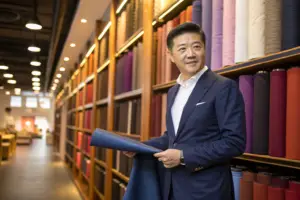
The fabric is the soul of a men's garment. A beautiful design sewn in cheap fabric will always look cheap. Our sourcing team has relationships with mills all over the world, from Italy to Japan to China. They know where to find the best materials for every type of men's wear, from heavy winter coats to lightweight summer shirts.
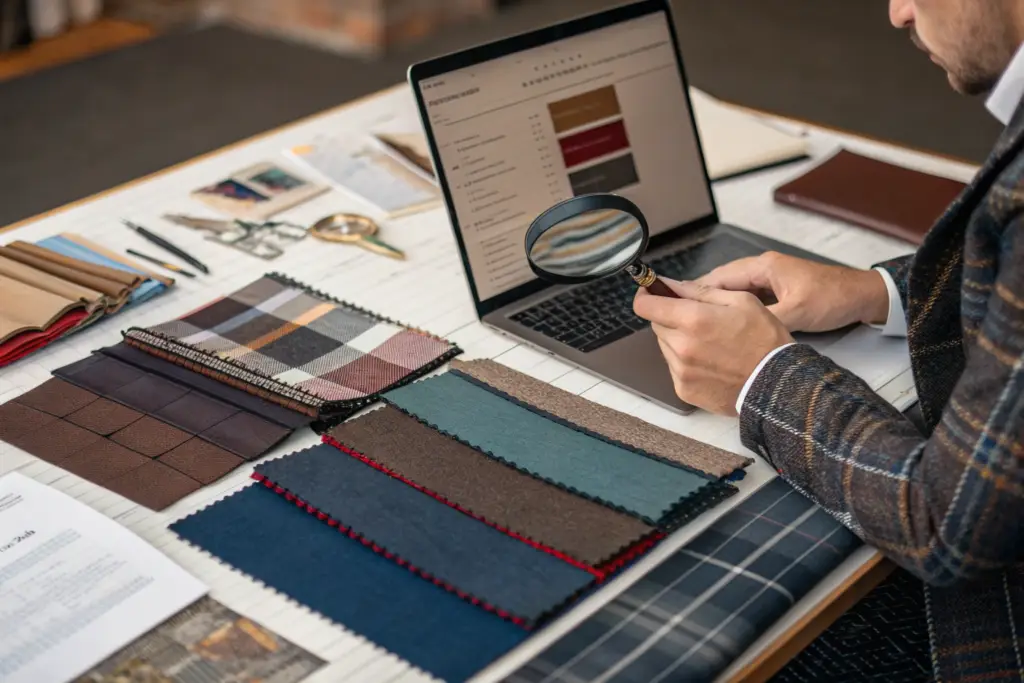
Where do we source our wools and cottons?
For premium men's wear, we often look to specialized mills. For wool suiting, we work with mills that produce high-quality worsted wools in Biella, Italy, and also with excellent Chinese mills that have learned Italian techniques. For Oxford cloth shirting, we source from mills known for their long-staple cotton, which creates a smoother, more durable fabric. For denim, we have partners in Japan and China who produce authentic selvage denim. Our sourcing team doesn't just buy fabric; they curate it. They bring options to our clients. For a client in Seattle who wanted a collection of heavy flannel shirts, we sourced a double-faced, brushed flannel from a mill in Portugal that was incredibly soft and warm. The client had never heard of the mill, but trusted our expertise. The shirts sold out in weeks. This global network is a key part of textile sourcing for premium brands. Organizations like Première Vision are great resources for discovering high-end fabric suppliers.
How do we help clients choose the right materials?
Choosing fabric is overwhelming. There are thousands of options. Our team guides clients through the process. We ask questions: What is the end use? What season? What price point? What feeling do you want the garment to have? Then we present a curated selection. We also provide samples and test them for performance. For a client in Texas who makes men's workwear, we recommended a specific cotton duck canvas that was both durable and had a soft hand. We tested it for abrasion and tear strength to prove it would last. This consultative approach takes the guesswork out of fabric selection. It is part of our product development service at Shanghai Fumao.
How Does Our Sample Room Turn Ideas Into Reality?
The sample room is where the magic happens. It is where sketches and fabric become something you can touch and try on. Our sample room is staffed by our most experienced craftspeople. They specialize in men's wear construction. They know how a shirt collar should roll. They know how a jacket sleeve should hang. They are artists with machines.
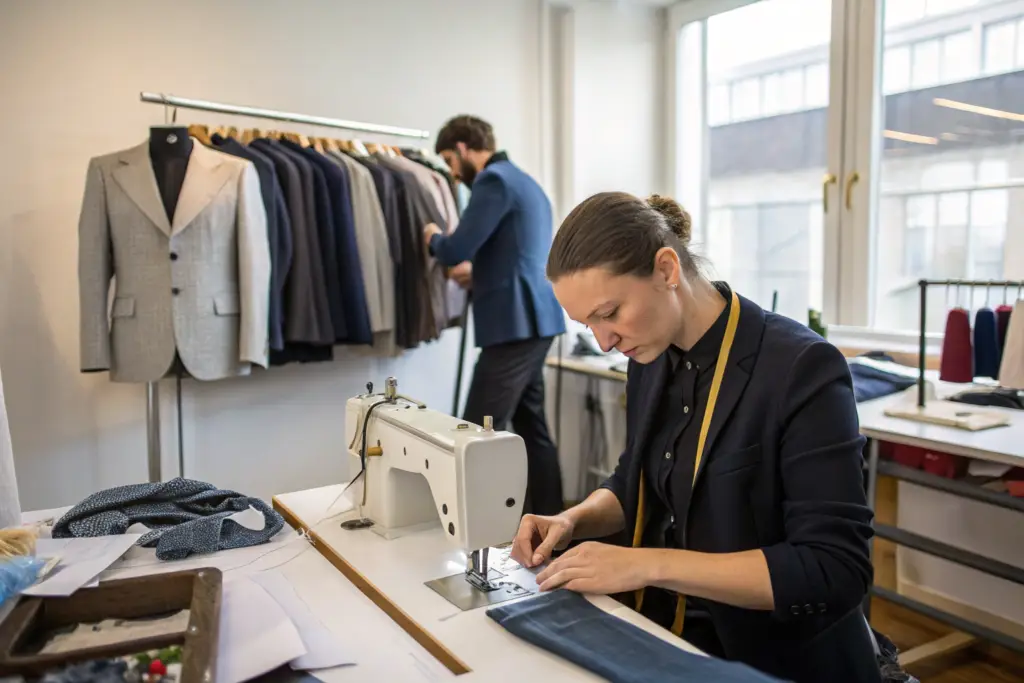
How many samples do we typically make for a new men's wear style?
We believe in an iterative process. The first sample is to check the fit and the overall construction. We call this the "fit sample." We make it in a similar fabric, often muslin, to save cost. The client tries it on, or we send it to them. We get feedback. Then we make a second sample, the "counter sample," in the actual fabric, with all the correct trims. This sample is for final approval. For complex styles, like a fully canvassed jacket, we might need a third round. But our goal is always to get it right in two rounds. Our experienced team minimizes the back-and-forth. For a client in Florida who was launching a men's shirt line, we got the fit perfect on the first sample. He was amazed. He said, "This fits better than shirts I've been making for years with other factories." That is the power of experience. This process follows industry best practices for apparel sampling, which you can explore through resources like Techpacker.
What details do we focus on in men's wear sampling?
Men notice details, even if they can't name them. The stitch density on a shirt. The alignment of a pattern at the pocket. The smoothness of a collar roll. The weight of a button. Our sample makers obsess over these details. For a client in New York making luxury polo shirts, we spent extra time on the collar. We wanted a collar that would stand up crisply but also roll softly at the edges. Our sample maker tried three different interlinings before finding the perfect one. That collar became a signature of the brand. This commitment to detail is what makes a garment "premium." It is a form of quality craftsmanship that is increasingly rare.
How Does Our Production Team Ensure Consistency Across The Line?
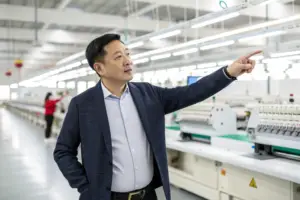
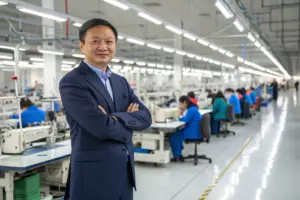
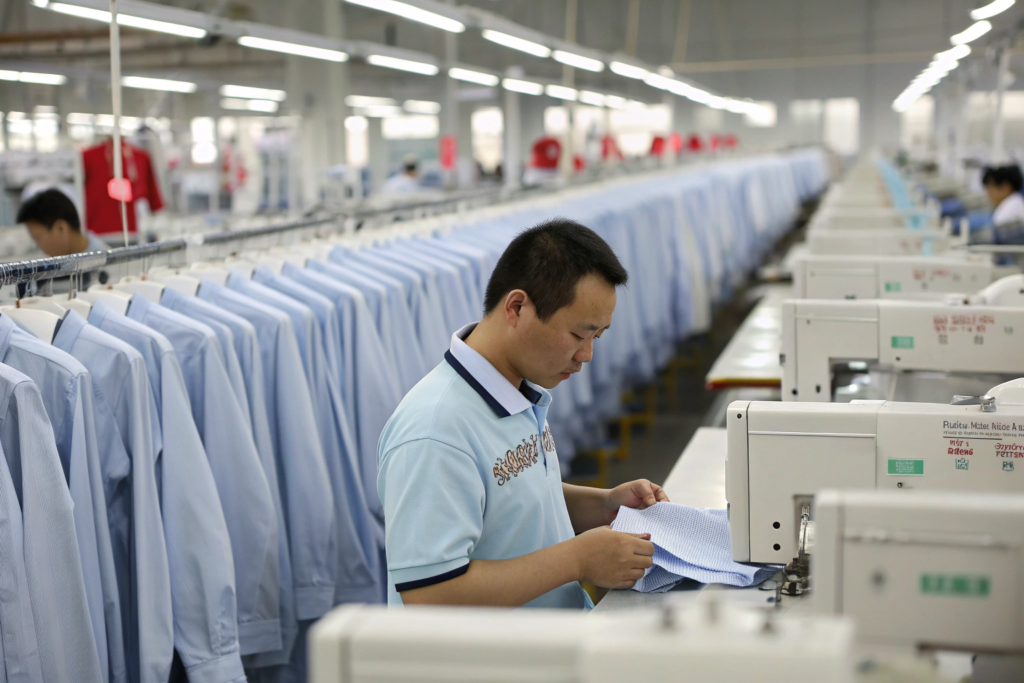
A beautiful sample is one thing. Recreating that beauty 1,000 times is another. Our production team is trained to take the techniques developed in the sample room and apply them at scale. We have dedicated lines for men's wear, with operators who are specialized in shirt-making, trouser-making, or jacket-making.
How do we train operators for men's wear construction?
Men's wear requires precision. The tolerances are tighter. The expectations are higher. We do not put new operators on men's wear lines. We put our most experienced people there. We also provide specific training. For example, an operator on our shirt line is trained not just to sew a collar, but to sew a collar that will stay crisp. They learn the right tension, the right needle, the right technique. This specialization ensures consistency. For a client in Colorado who makes high-end men's outdoor shirts, we have a dedicated team that only works on their complex, technical garments. They know the patterns, the fabrics, and the quality standards intimately. This is a form of workforce specialization that leads to superior quality.
How do we maintain quality during bulk production?
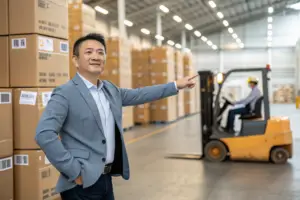
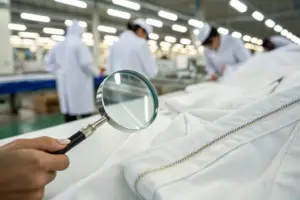
We use the same in-line inspection system for men's wear that we use for all our products. But we add extra checks. Every finished garment is inspected by a trained QC inspector. They check the fit against a sample, the stitching, the buttons, the trims. We also do random fit tests on live models during production to ensure consistency. For a client in Boston who produces men's suits, we have a dedicated fitting room. We put a finished garment on a mannequin and check every measurement. This ensures that suit number 500 fits exactly like suit number 1. This rigorous quality control is essential for building a premium men's wear brand.
Conclusion
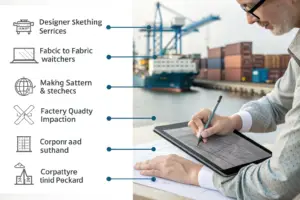
Bringing a men's wear vision to life is a journey. It starts with an idea and a sketch. It requires expert pattern making to perfect the fit. It demands meticulous fabric sourcing to find the right materials. It relies on skilled sample makers to turn ideas into reality. And it depends on a disciplined production team to replicate that quality at scale. At every step, you need partners who understand the unique demands of men's wear: the precision, the fit, the enduring style.
At Shanghai Fumao, we have built our men's wear capability around these principles. Our pattern makers have decades of experience in tailoring. Our sourcing team has a global network of premium fabric mills. Our sample room is staffed by craftspeople who obsess over details. And our production lines are run by specialized, experienced operators. We helped a startup brand from Chicago launch a tailored blazer line that competed with established heritage brands. We guided a heritage brand from New York through a complex sourcing project for a limited-edition denim collection. We have been the quiet partner behind men's wear success stories for years.
If you have a vision for men's wear, whether it's a perfect white shirt or a fully canvassed suit, let's talk. Let our team bring your vision to life. Please contact our Business Director, Elaine, at strong>elaine@fumaoclothing.com</strong to start the conversation.