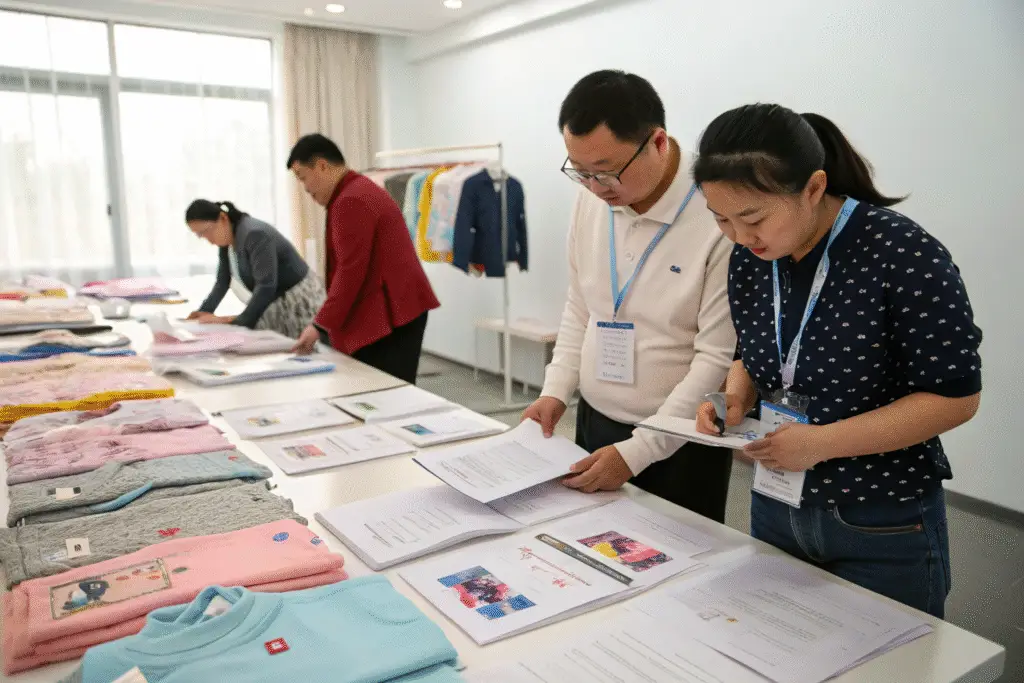
You want to create a children's clothing line that combines adorable designs with uncompromising safety and quality, but sourcing from China seems daunting. How do you navigate the complex landscape of manufacturers to find partners who understand both quality construction and rigorous safety standards? The difference between successful sourcing and problematic partnerships often comes down to knowing what questions to ask and what certifications to verify.
Sourcing quality kids wear from China requires identifying manufacturers with specific experience in children's apparel, verifying their compliance with international safety standards, conducting rigorous quality control, and building relationships based on transparency and trust. The process involves thorough due diligence, clear technical specifications, and ongoing communication to ensure every garment meets the highest standards for safety, comfort, and durability that parents expect. Let's explore the specific steps and considerations for successful kids wear sourcing.
What should you look for in a kids wear manufacturer?
Not all clothing factories are equipped to handle the unique requirements of children's apparel. The right manufacturer combines technical expertise with specific knowledge of safety standards, size grading for children, and appropriate construction methods for young wearers.
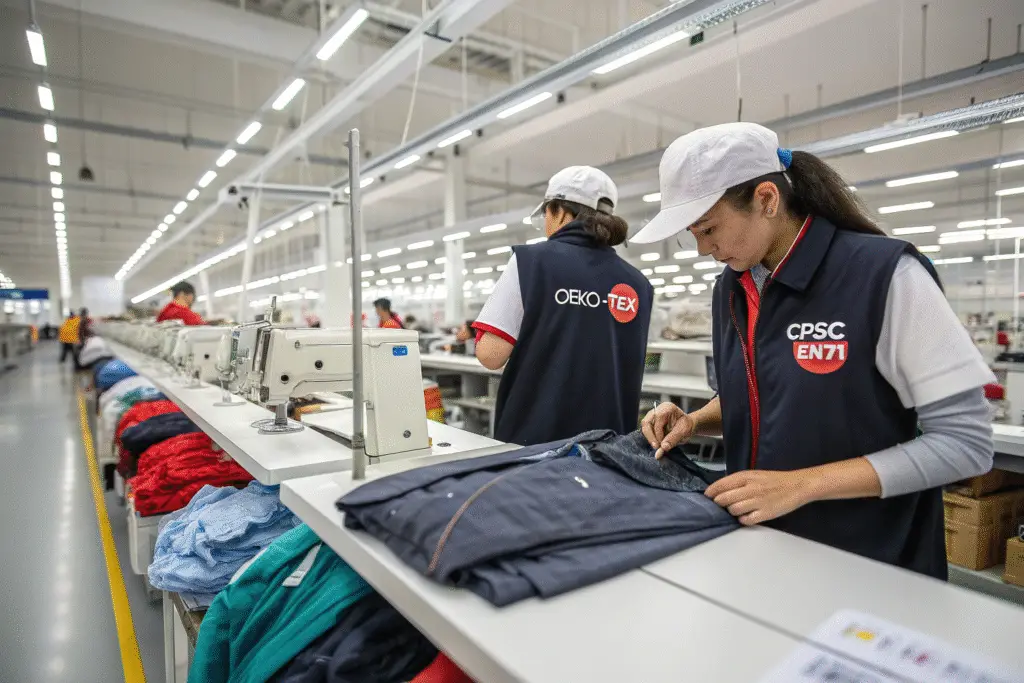
Look for manufacturers with proven experience producing children's clothing for your target markets. They should understand CPSC standards for the US, EN71 for Europe, or other relevant regulations for your regions. During our initial assessment process, we review a manufacturer's history with similar products, their quality control procedures specific to children's items, and their understanding of child-specific sizing and comfort requirements. A Swedish children's brand recently selected us because we demonstrated expertise in their specific market requirements, including Oeko-Tex certification and familiarity with European size charts.
Why is specialized experience crucial?
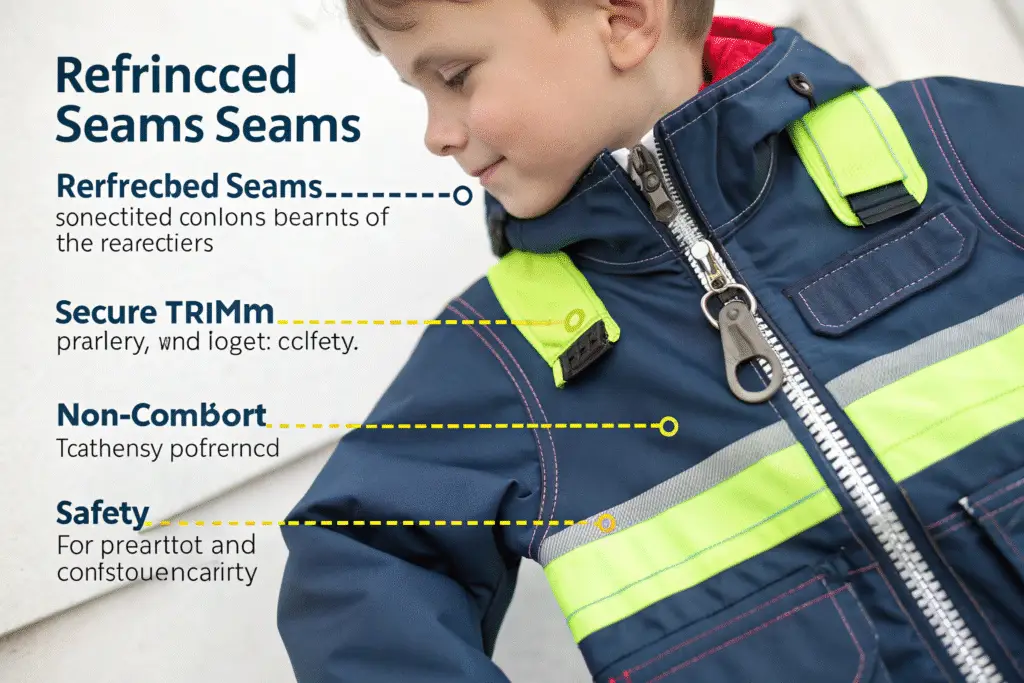
Children's clothing requires different construction techniques, safety considerations, and durability standards than adult apparel. Factories experienced in kids wear understand appropriate seam types that won't irritate sensitive skin, secure attachment methods for trims and decorations, and reinforced construction in high-stress areas. We recently helped a startup avoid a potential safety issue by identifying that their chosen manufacturer lacked experience with secure snap fasteners—a critical consideration for infants' clothing where loose components present choking hazards.
What certifications should you verify?
Reputable kids wear manufacturers maintain relevant certifications that demonstrate compliance with safety standards. Key certifications include:
- Oeko-Tex Standard 100: Verifies textiles are free from harmful substances
- CPSIA compliance: For US market safety requirements
- ISO 9001: Quality management systems
- GOTS: For organic cotton products
We maintain comprehensive certification files and welcome client audits to verify our compliance documentation, recognizing that trust must be demonstrated, not just claimed.
How do you ensure fabric safety and quality?
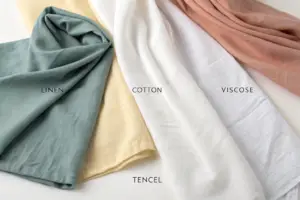
Children have more sensitive skin and different interaction with clothing than adults, making fabric selection one of the most critical decisions in kids wear sourcing. The right fabrics combine comfort, durability, and safety while meeting your design aesthetic.
Prioritize soft, breathable, and hypoallergenic fabrics with appropriate certifications. Common choices include GOTS-certified organic cotton, bamboo blends, and specially finished fabrics that maintain softness through multiple washes. We recently guided a brand through switching from conventional cotton to organic cotton with Oeko-Tex certification—while this increased fabric costs by 18%, it aligned with their brand values and provided the safety assurances their customers expected.
What fabric properties matter most for children?
- Breathability: Natural fibers typically offer better air circulation
- Softness: Brushed or peached finishes enhance comfort
- Durability: Withstand frequent washing and active wear
- Colorfastness: Maintain appearance through multiple washes
- Stretch and recovery: Especially important for activewear and infants' wear
A children's activewear brand discovered through our wear-testing program that their chosen fabric pilled excessively after just three washes—switching to a tighter knit construction solved this issue before production, preventing customer dissatisfaction.
How important is fabric testing?
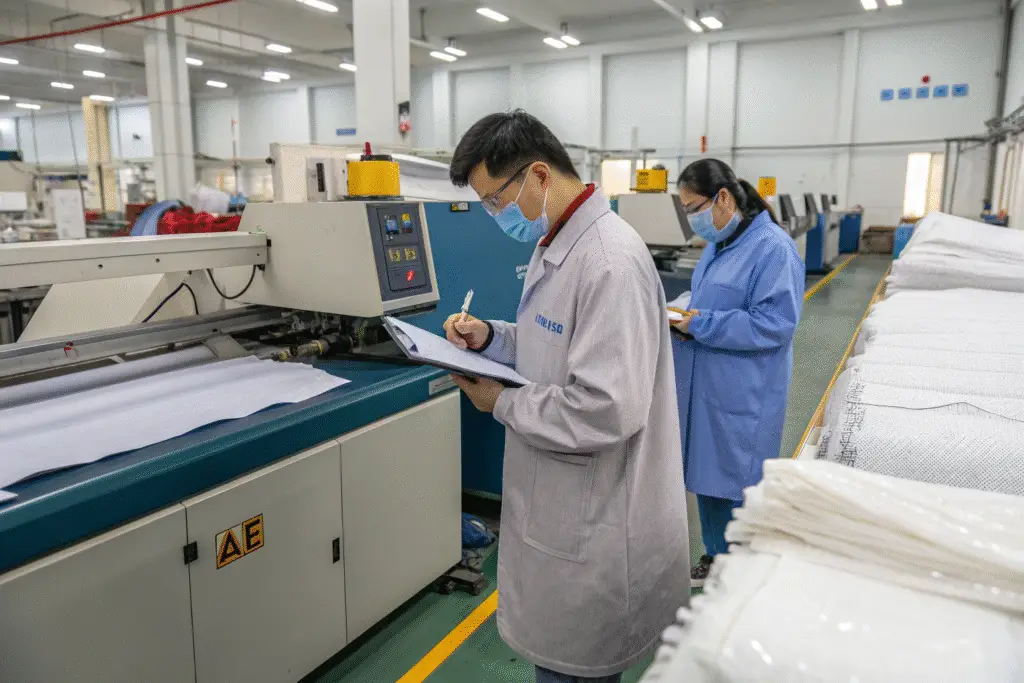
Comprehensive fabric testing is non-negotiable for children's apparel. Essential tests include:
- Phthalates and heavy metals: Especially important for printed areas
- Flammability: Critical for children's sleepwear
- Colorfastness: To saliva, perspiration, and washing
- Tensile strength: For durability
We provide clients with complete test reports from accredited laboratories before production begins, ensuring full compliance and safety.
What construction details ensure safety and durability?
Children interact with clothing differently than adults—they're more active, their bodies are growing, and safety considerations are paramount. Construction techniques must accommodate these differences while maintaining quality and comfort.
Key construction considerations include flatlock seams to prevent chafing, reinforced stress points at knees and seats, secure attachment of all trims and decorations, and easy dressing features for younger children. We recently redesigned a toddler overall's construction to use snap crotches instead of sewn closures, making diaper changes easier while maintaining the garment's aesthetic and durability.
How do you address choking hazard concerns?
All small components—buttons, snaps, drawcords, and decorations—must be securely attached and sized appropriately for the child's age group. We follow specific standards for different age categories:
- 0-3 years: No small parts that could detach
- 3-7 years: Limited small parts with rigorous attachment testing
- 7+ years: More design flexibility but still secure construction
A European brand avoided a costly recall when our quality team identified that their decorative appliqué didn't meet pull-test requirements for their target age group—catching this during sampling prevented a serious safety issue.
What stitching techniques work best?
Children's clothing requires durable stitching that withstands active wear while remaining comfortable. Common techniques include:
- Flatlock seams: For comfort in underwear and activewear
- French seams: For a clean finish on woven garments
- Reinforced stitching: At stress points like pockets and crotches
- Bar tacks: At the ends of openings and stress areas
We maintain specialized production lines for children's wear with operators trained in these specific techniques and quality standards.
How do you manage quality control for kids wear?
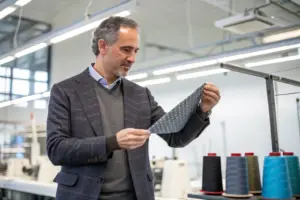
Quality control for children's apparel extends beyond standard garment inspection to include specific safety checks, measurement verification for proper fit, and testing of all components. A rigorous QC process catches issues before they reach customers.
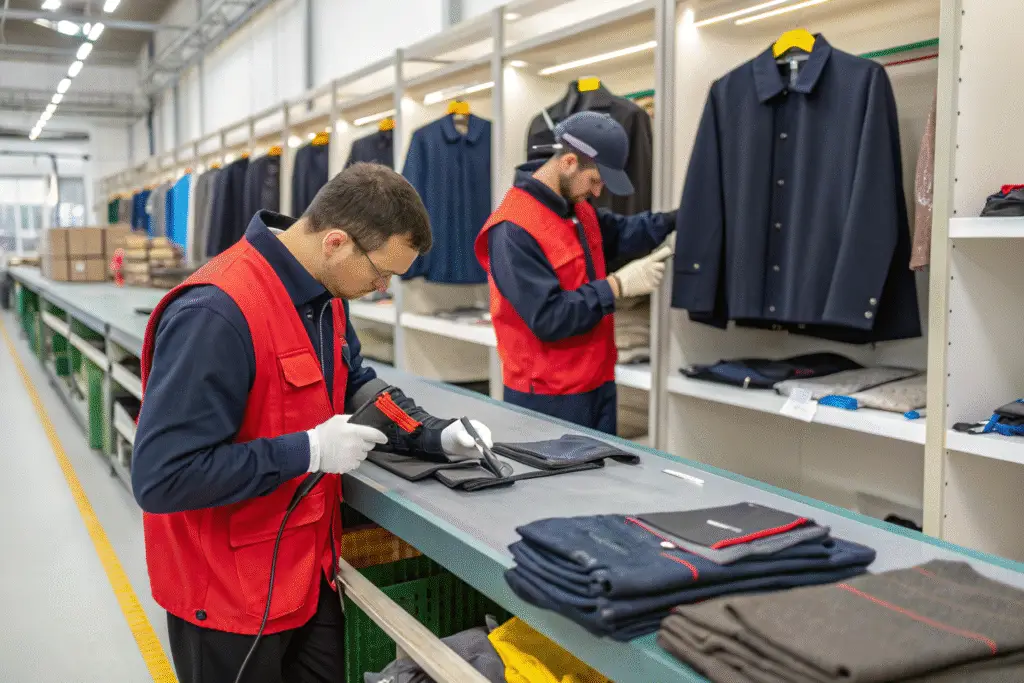
Implement a multi-stage quality control process including pre-production material testing, in-production checks during sewing, and final inspection against enhanced standards. We've developed a children's wear specific AQL system that includes additional safety checks beyond standard apparel inspection. A US-based brand appreciated our detailed inspection reports that documented every safety check, providing them with confidence and valuable documentation for their retail partners.
What special inspections are needed?
Beyond standard garment inspection, children's wear requires:
- Pull testing: For all buttons, snaps, and decorations
- Choking hazard assessment: For all components
- Drawstring safety verification: Following CPSC guidelines
- Sharp point/edge inspection: For all hardware
- Flammability testing: For sleepwear categories
We recently identified during routine inspection that a drawstring in a hoodie didn't meet safety standards for the target age group—this early detection allowed for modification before shipping, preventing potential safety issues.
How important is fit consistency?
Children's sizing must be consistent and accurate since parents often buy without children present. We implement strict measurement control with frequent checks during production. A brand discovered through our inspection process that their size 4 measurements had drifted to nearly size 5 specifications mid-production—catching this early prevented an entire batch of incorrectly sized garments from shipping.
What are the logistics of importing kids wear?
Importing children's apparel involves specific documentation, compliance verification, and customs considerations that differ from standard apparel imports. Proper planning ensures smooth customs clearance and avoids delays or rejections.
Work with manufacturers who understand import requirements for your target markets and can provide complete documentation packages. Essential documents include children's product certificates, test reports, detailed commercial invoices, and accurate harmonized system codes. We recently helped a first-time importer navigate CPSC requirements by providing complete documentation packages and guiding them through the importer registration process—knowledge that saved them from potential customs holds.
What documentation is essential?
- Children's Product Certificate: Specifically for US imports
- Test reports: From accredited laboratories
- Tracking labels: With required information
- Commercial invoice: With detailed product descriptions
- Packing list: Accurate and detailed
We provide clients with complete documentation packages that have been verified for compliance, significantly reducing customs clearance issues.
How do labeling requirements differ?
Children's wear has specific labeling requirements including tracking labels with detailed manufacturer information, care instructions, fiber content, and country of origin. We recently helped a brand redesign their labels to include all required information in the correct format and placement—a seemingly small detail that prevented potential compliance issues.
Conclusion
Sourcing quality kids wear from China requires specialized knowledge, rigorous safety protocols, and partnerships with manufacturers who understand the unique requirements of children's apparel. By focusing on safety certifications, appropriate construction techniques, comprehensive testing, and clear communication, you can build a successful children's wear line that meets the highest standards for quality and safety.
The most successful kids wear sourcing relationships are built on transparency, shared commitment to safety, and ongoing collaboration. For a manufacturing partner with specific expertise in children's wear and comprehensive safety compliance, contact our Business Director Elaine at elaine@fumaoclothing.com. Let's create beautiful, safe children's clothing that parents trust and children love to wear.