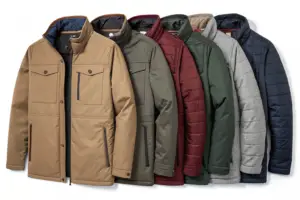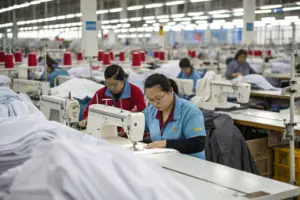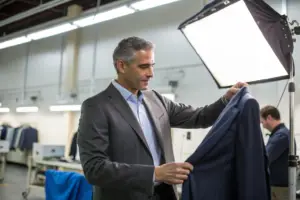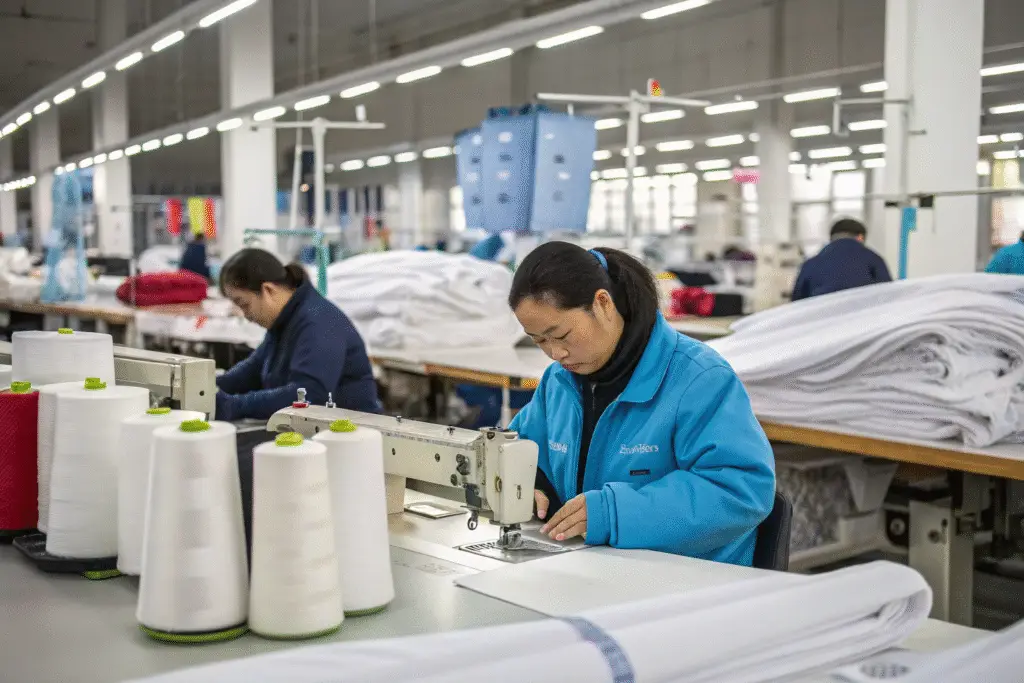
As the owner of Fumao Clothing, I've helped numerous American brands navigate the challenge of smaller production quantities. Ordering 150 units per style is a common sweet spot for growing brands—large enough to achieve reasonable per-unit costs but small enough to manage inventory risk. While many factories advertise higher minimums, strategic approaches can make 150-unit orders not just possible but profitable for both brand and manufacturer.
Ordering 150 units per clothing style requires strategic fabric selection, simplified customization, flexible production scheduling, and a partnership approach with your manufacturer. This quantity represents a viable middle ground that balances inventory risk with production efficiency when approached correctly.
Many manufacturers initially resist 150-unit orders because they don't fit standard production efficiencies. However, I've developed specific approaches that make these quantities work for our factory while delivering excellent value for brands. Let me share the exact strategies that have helped hundreds of brands successfully produce at this quantity.
What manufacturing strategies make 150-unit orders viable?
The economics of clothing manufacturing traditionally favor larger quantities, but strategic adjustments can make 150-unit production runs economically feasible. The key is reducing setup costs and maximizing production efficiency through smart planning and process optimization.
150-unit orders become viable through fabric consolidation across styles, efficient production scheduling during slower periods, simplified customization requirements, and strategic pricing that acknowledges higher per-unit costs. These approaches maintain factory profitability while accommodating smaller quantities.
How does fabric consolidation help smaller orders?
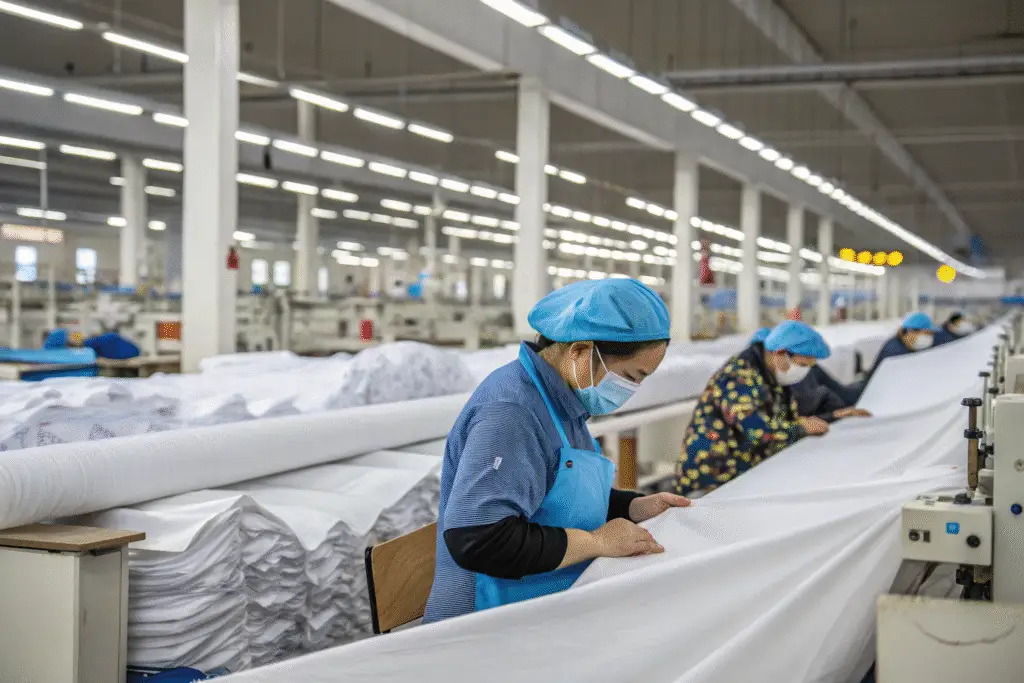
Using the same fabric across multiple styles significantly reduces material minimums and setup costs. When you order 150 units each of three different styles using the same fabric, you effectively create a 450-unit fabric order that meets most mill minimums while maintaining style variety.
We recently worked with a contemporary brand that wanted to launch with four styles at 150 units each. By guiding them to use our existing fabric options across all styles rather than developing custom materials, we reduced their per-unit cost by 35% and made the 150-unit quantity feasible. Their collection maintained distinctiveness through design rather than material variety, resulting in a successful launch without excessive inventory risk.
Can production timing affect order quantity feasibility?
Scheduling smaller orders during traditionally slower production periods can make manufacturers more flexible on quantity requirements. Our factory, for instance, becomes more accommodating to 150-unit orders during January-February and July-August when larger orders are less common.
A swimwear brand capitalized on this by scheduling their 150-unit production during our winter off-season. This strategic timing not only secured their preferred quantity but also resulted in a 15% cost reduction compared to our peak-season pricing. They now plan their production calendar around these flexible periods, allowing them to maintain smaller batch sizes while controlling costs.
How should you approach manufacturers for 150-unit orders?
The way you present your 150-unit order request significantly impacts how manufacturers respond. Framing your order as part of a broader relationship rather than a one-time transaction increases your chances of finding a manufacturing partner willing to accommodate your quantity needs.
Approach manufacturers with a clear growth roadmap, demonstrate understanding of their cost structure, offer reasonable pricing concessions, and emphasize relationship potential rather than focusing solely on the initial order quantity. This professional approach builds trust and collaboration.

What information convinces manufacturers to accept 150 units?
Manufacturers respond positively to brands that present detailed business plans, realistic sales projections, and clear growth trajectories. Showing that your 150-unit order represents a strategic starting point rather than your maximum capacity makes manufacturers more willing to invest in the relationship.
We recently accepted a 150-unit order from a brand that shared their 12-month production forecast showing quarterly order increases. Their professional business planning demonstrated serious intent, making us confident that accommodating their initial small quantity would lead to substantial future business. This transparency transformed what might have been a rejection into a productive partnership.
How important is flexibility in customization requests?
The more customization your 150-unit order requires, the less likely manufacturers will accommodate your quantity needs. Simplifying your customization requests—particularly around fabrics, trims, and specialized finishes—significantly increases your chances of finding production partners.
A streetwear brand learned this when their initial requests for custom-dyed fabrics, specialized washes, and unique hardware made their 150-unit order economically unfeasible. By switching to standard customization options from our existing selections, they reduced setup costs by 60% and made their quantity target achievable. Their designs remained distinctive while becoming manufacturable at their preferred scale.
What cost structure should you expect for 150 units?
Understanding the realistic cost implications of 150-unit production helps you budget appropriately and negotiate effectively. While 150 units represents a middle ground between tiny and large orders, the per-unit costs typically sit closer to low-quantity pricing than mass-production pricing.
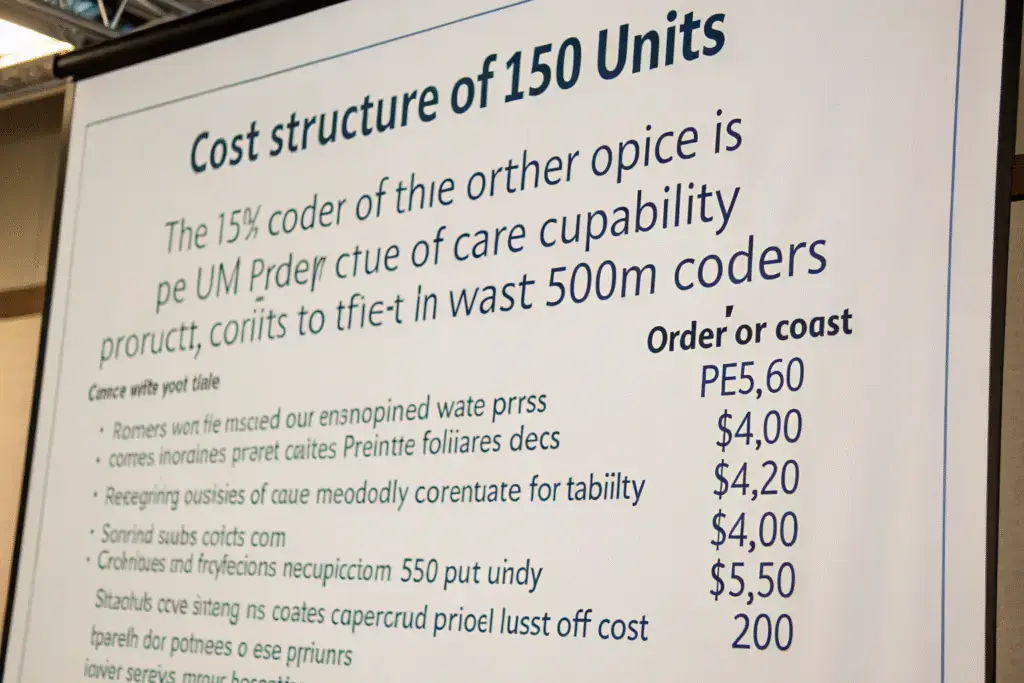
For 150-unit orders, expect per-unit costs 25-40% higher than 500-unit pricing, significant fabric waste percentages, and setup costs distributed across fewer units. Understanding this cost structure helps you price your products appropriately and manage profitability expectations.
How do per-unit costs compare across quantities?
The cost difference between 150 units and larger quantities is often surprising to new brands. While 150 units feels substantial, the per-unit cost typically remains much closer to 100-unit pricing than 300-unit pricing due to how fixed costs distribute across production runs.
We provide transparent cost breakdowns showing brands exactly how their money is allocated. For a basic woven shirt, the per-unit cost at 150 units might be $28, compared to $18 at 500 units and $35 at 50 units. This understanding helps brands make informed decisions about their production strategy and retail pricing.
Why does fabric waste impact smaller orders significantly?
Fabric waste represents a higher percentage of total cost in smaller orders because cutting room setup and marker making generate similar waste regardless of quantity. For 150-unit orders, fabric waste can account for 12-18% of material costs compared to 5-8% for 1,000-unit orders.
A sustainable brand was initially concerned about their fabric waste percentage until we explained this production reality. By understanding that their 150-unit order would naturally generate higher waste percentages, they adjusted their cost expectations and focused on other sustainability initiatives where they could make more significant impact given their production scale.
What production compromises might 150 units require?
Successfully producing 150 units often requires strategic compromises that maintain design integrity while accommodating manufacturing efficiencies. The most successful brands approach these compromises as creative challenges rather than limitations.
150-unit production may require simplified construction techniques, standardized size ratios, limited color options, and flexible delivery timelines. These compromises typically affect production efficiency rather than product quality when implemented strategically.
How can construction simplification help smaller orders?
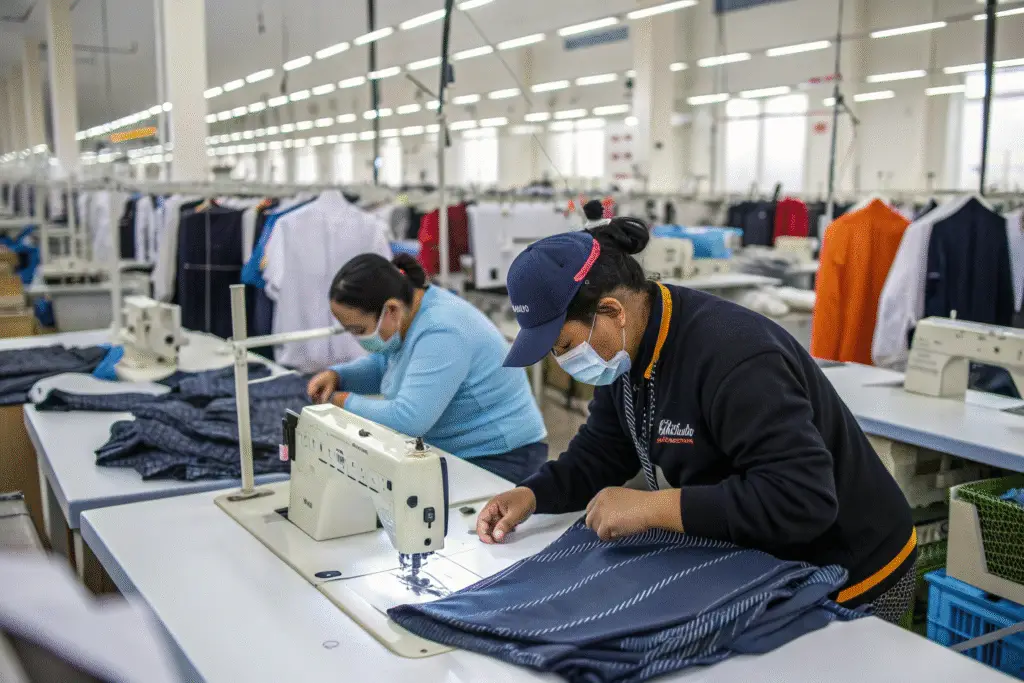
Complex construction techniques often require specialized equipment setups or slower production speeds that make smaller quantities economically challenging. Simplifying construction while maintaining design aesthetic can make 150-unit orders more feasible without sacrificing visual appeal.
We worked with a designer who initially specified French seams throughout their blouse design. At 150 units, this construction method would have increased their cost by 45%. By switching to flat-felled seams on visible areas and simpler finishes on hidden seams, they maintained their quality aesthetic while reducing costs to fit their 150-unit budget. The compromise was invisible to customers but crucial for production feasibility.
Why does size ratio standardization matter?
Manufacturers typically require standardized size ratios across colors and styles to optimize cutting efficiency. For 150-unit orders, flexibility on size ratios—accepting the factory's standard breakdown rather than custom percentages—can significantly impact production feasibility and cost.
A brand targeting the contemporary market initially insisted on their custom size ratio that emphasized smaller sizes. For their 150-unit order, this required additional cutting setups that increased costs by 18%. By adopting our standard size ratios initially, they maintained their quantity target while controlling costs, planning to implement their custom ratios once they scaled to 300+ unit orders.
How can you build toward larger quantities from 150 units?
Viewing your 150-unit order as a stepping stone rather than an endpoint creates manufacturing relationships that grow with your business. The most successful brands use initial smaller orders to prove their reliability and build toward more efficient production quantities.
Use 150-unit orders to demonstrate product quality, establish reliable payment history, build operational consistency, and develop trust that leads to better terms on future orders. This approach transforms quantity limitations into relationship-building opportunities.
How do successful brands scale from 150 units?
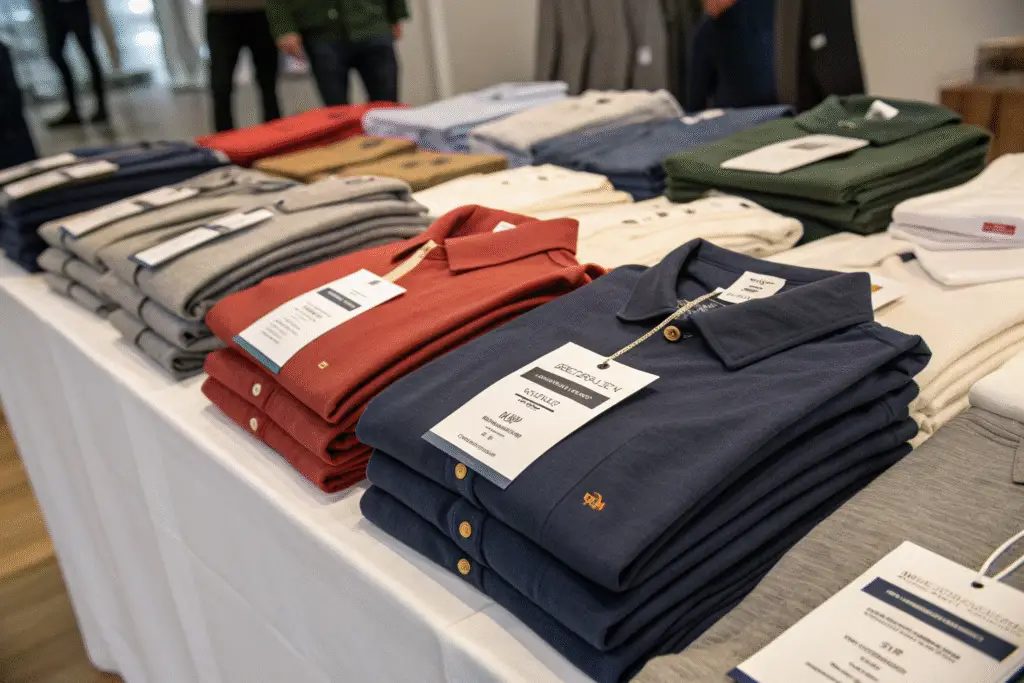
The most effective scaling strategies involve consistent reordering, gradual quantity increases, maintained communication, and demonstrated sales success. Manufacturers notice brands that treat initial small orders as serious business rather than hobby projects.
We've worked with dozens of brands that started with 150-unit orders and grew into significant partners. One activewear brand began with 150 units of their signature legging, reordered three times at the same quantity, then gradually increased to 300, then 500 units as their business scaled. Their consistent growth pattern built confidence that justified our ongoing accommodation of their evolving needs.
What metrics do manufacturers track for growing brands?
Manufacturers notice payment reliability, communication professionalism, design preparation, and sales velocity when considering which small-quantity clients to support long-term. Excelling in these areas significantly increases your chances of continued accommodation as you grow.
We maintain simple performance metrics for all our smaller-quantity partners. Brands that consistently pay on time, provide well-prepared tech packs, respond promptly to queries, and demonstrate sales success receive preferential treatment when requesting production slots and flexibility. This systematic approach ensures we invest our flexibility in partners most likely to grow into significant accounts.
Conclusion
Ordering 150 units per clothing style is absolutely achievable with the right approach, realistic expectations, and strategic partnerships. The brands that succeed at this quantity level view it as a collaborative challenge rather than a manufacturing limitation.
By understanding factory economics, making strategic compromises, and building relationships rather than transactions, you can produce 150-unit orders that support your business growth while respecting manufacturing realities. This quantity represents an ideal balance for many growing brands when approached strategically.
If you're looking to produce 150-unit orders that align with both your business needs and manufacturing realities, we'd be happy to discuss specific strategies for your collection. Contact our Business Director, Elaine, at elaine@fumaoclothing.com to explore how we can make your production quantity work within our manufacturing framework.