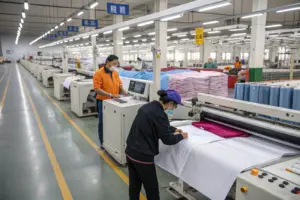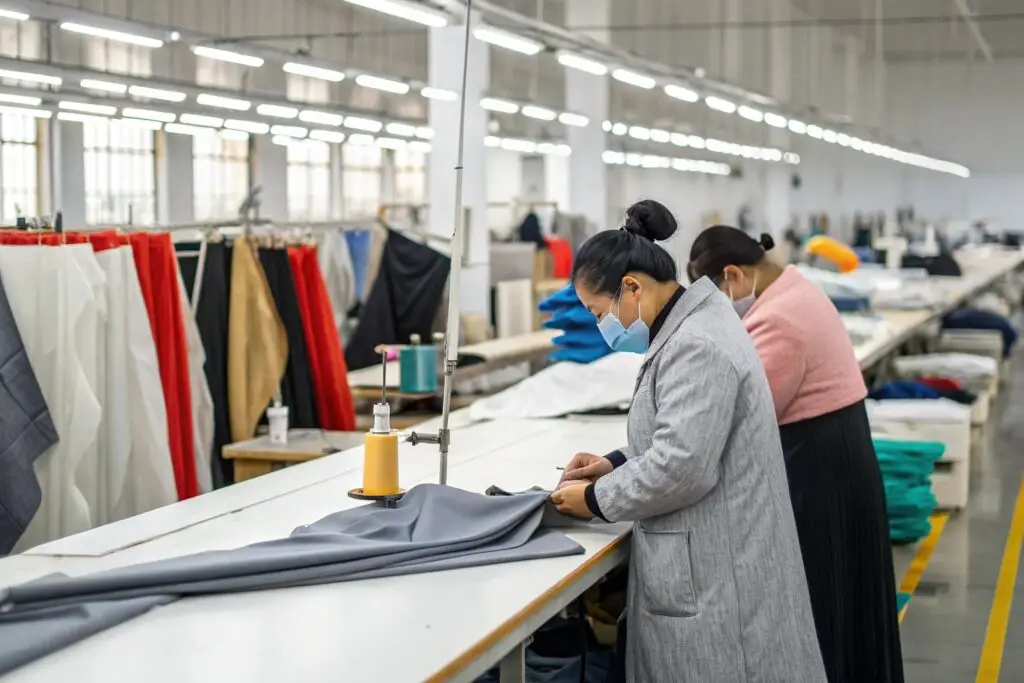
In a world flooded with fast fashion and identical styles, originality wins. For fashion brands aiming to build identity, loyalty, and long-term value, custom manufacturing is a powerful edge.
Custom manufacturing helps fashion brands stand out by offering unique designs, better fit, controlled inventory, and stronger customer connection—all without relying on mass production.
It’s not just about what you make—it’s about how, why, and for whom you make it.
Benefits of custom clothing manufacturing
Custom manufacturing offers more than just creative freedom—it’s a smart business strategy that gives fashion brands full control over quality, branding, and market fit.
The benefits of custom clothing manufacturing include design flexibility, brand exclusivity, higher perceived value, better sizing accuracy, and reduced overproduction risk.
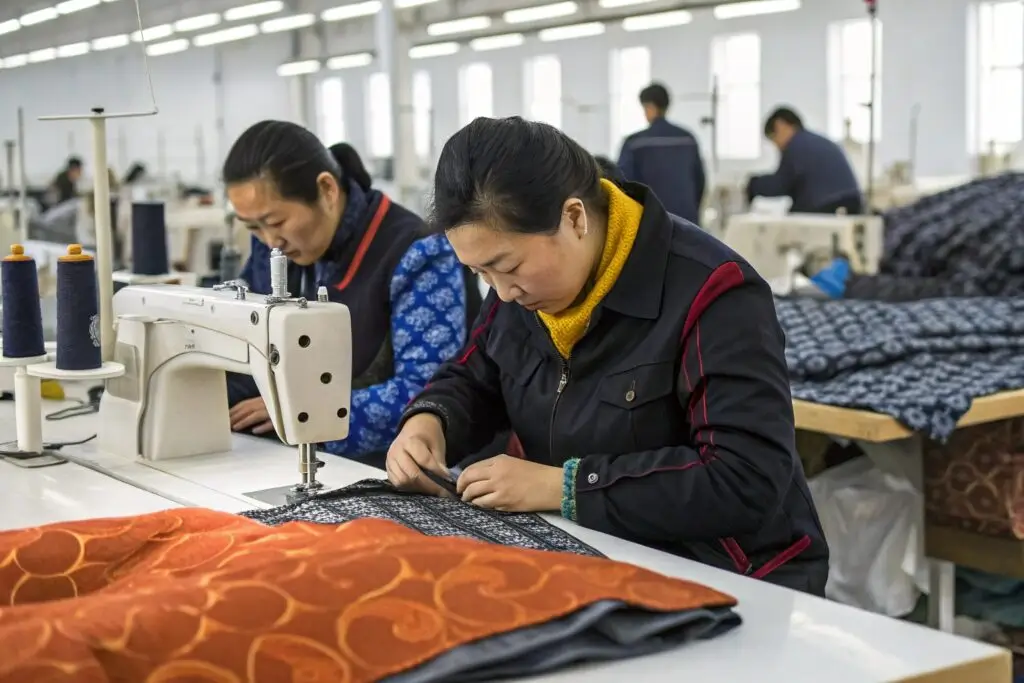
Why brands choose custom manufacturing
- Unique styles that match brand DNA
- Controlled production for limited drops or collabs
- Tailored sizing for better customer satisfaction
- Full branding options from tags to trims
- Responsive timelines for testing, refining, and scaling
| Benefit | Result for Brand |
|---|---|
| Custom patterns & cuts1 | Visual identity, product uniqueness |
| Private labeling2 | Stronger brand recognition |
| Fabric selection | Quality control + sustainability |
| Niche-focused sizing3 | Higher customer retention |
I’ve worked with streetwear brands that grew cult followings just by launching 100-piece custom runs with branded patches and bold colors. Their fans didn’t want what everyone else had—they wanted theirs.
How small batches reduce fashion waste
Mass production often leads to massive waste—unsold stock, markdowns, and returns. Small batch custom manufacturing flips that model on its head.
Small batch production reduces waste by aligning supply with real demand, avoiding overstock, and minimizing dead inventory through agile, on-demand manufacturing.
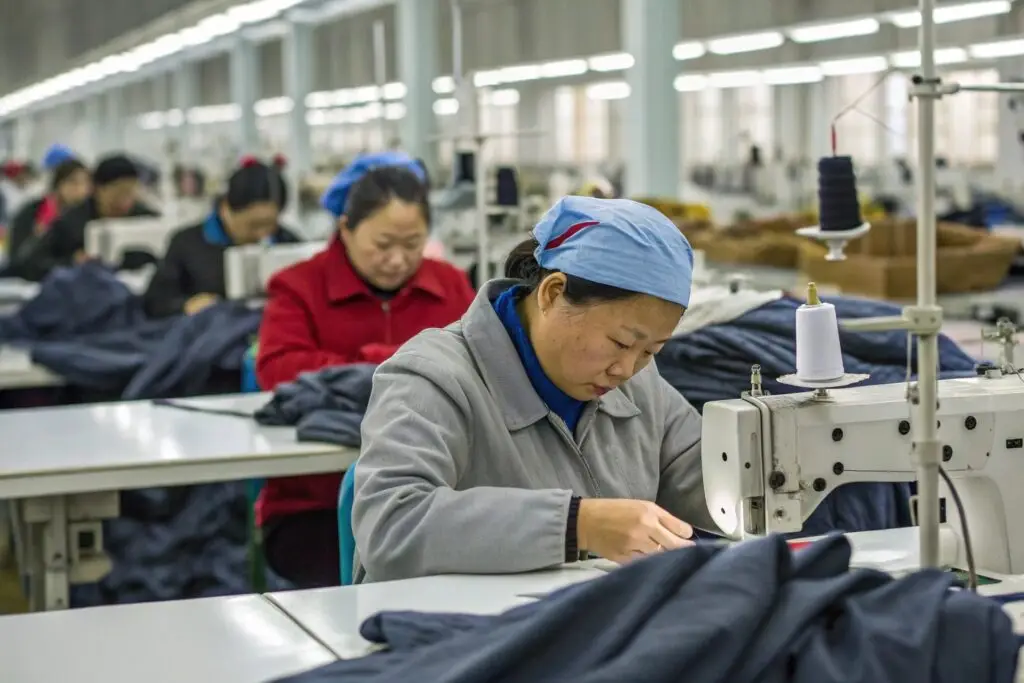
What makes small batch more sustainable
- Produce only what you need—not what you guess might sell
- Adapt to customer feedback4 before scaling
- Less unsold stock = fewer landfill-bound items
- Better use of fabric through efficient cutting and smaller orders
| Waste Source in Fashion | How Small Batch Solves It |
|---|---|
| Overstock from trend guessing | Only produce post-validation |
| Sizing errors in mass runs | Adjust based on early sales data |
| Discarded unsold inventory | Sell-through before next run |
| Over-ordering raw materials | Lower yardage and smarter sourcing |
One eco-brand I advised cut their waste by 70%5 after shifting to small batch manufacturing6. Instead of guessing what would sell, they listened—and produced only what customers really wanted.
Custom vs. off-the-rack production costs
Custom often sounds expensive—but when done smart, it can save money, reduce risk, and deliver more long-term value than mass-market alternatives.
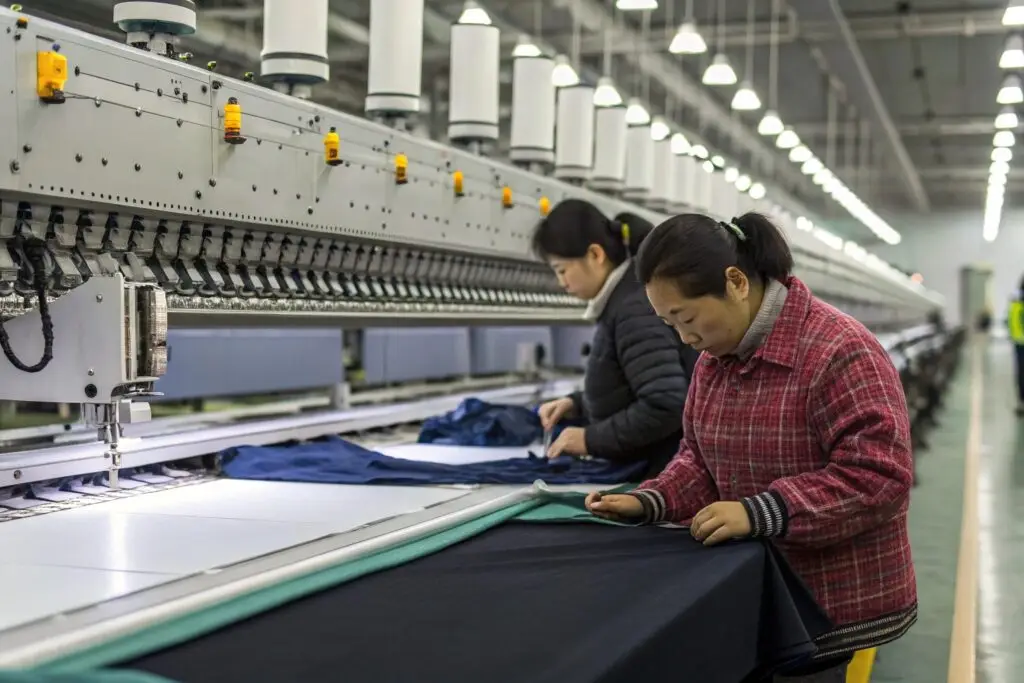
Custom manufacturing may have higher unit costs than off-the-rack, but it often leads to better margins, lower returns, and stronger customer loyalty.
Key cost differences
| Cost Factor | Custom Manufacturing7 | Off-the-Rack Manufacturing |
|---|---|---|
| Per unit cost | Higher (due to lower MOQs) | Lower (bulk production) |
| Inventory holding | Lower (less dead stock) | Higher (more unsold inventory) |
| Return rate | Lower (better fit and quality) | Higher (fit issues, mass returns) |
| Branding costs | Integrated into production | Often requires relabeling |
| Design control | Full creative freedom | Limited to existing styles |
When is custom more cost-effective?
- Launching limited collections8
- Building premium or niche brands9
- Targeting fit-sensitive markets
- Creating merch or branded collaborations
- Offering made-to-order or pre-sale models
I've seen startups sell $60 custom tees with a $15 production cost—while their competitors struggled to move $20 blanks made overseas. Why? Because customers valued originality and story.
Fast turnaround custom apparel solutions
One major concern brands have with custom manufacturing is lead time. But the right partners can offer both personalization and speed.
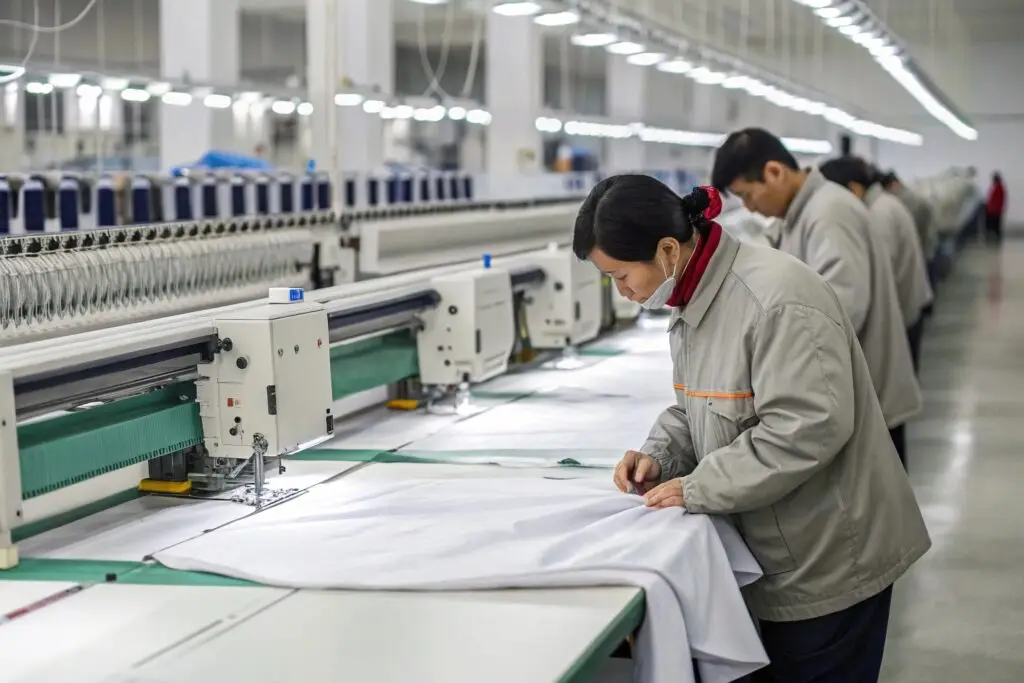
Fast-turnaround custom apparel solutions use local factories, digital patterning, and modular production to deliver custom garments in as little as 1–4 weeks.
What enables faster custom production
- Digital pattern creation10—reduces time from sketch to sample
- In-house fabric sourcing11—no long shipping delays
- Pre-approved trims and templates—faster assembly
- Flexible production lines12—built for agility, not mass
| Solution Type | Typical Turnaround Time |
|---|---|
| Local small batch factory | 2–4 weeks |
| Pre-cut or modular production | 7–10 days |
| Print-on-demand platforms | 1–3 days |
| Custom embroidery or patches | 1 week |
Brands using LA or NYC-based shops often get samples within 5–7 business days, while overseas factories may take 4–6 weeks just for prototyping.
Tips for faster delivery
- Prepare full tech packs early
- Use standard base fabrics
- Approve digital samples when available
- Keep style revisions minimal per round
Speed plus originality is a winning combo—especially for seasonal drops, pop-ups, or influencer collaborations.
Conclusion
Custom manufacturing isn’t just for luxury anymore. It’s a smart way for fashion brands to stand out, reduce waste, improve margins, and create meaningful products. With the right approach, even small labels can compete big—one custom piece at a time.
-
Explore how custom patterns and cuts can enhance your brand's visual identity and product uniqueness. ↩
-
Learn how private labeling can significantly boost your brand's visibility and market presence. ↩
-
Discover how niche-focused sizing can lead to higher customer satisfaction and loyalty for your brand. ↩
-
Learn how incorporating customer feedback can lead to more sustainable practices and better products in fashion. ↩
-
Discover effective strategies that brands are using to cut waste dramatically, leading to a more sustainable future. ↩
-
Explore how small batch manufacturing can significantly reduce waste and enhance sustainability in the fashion industry. ↩
-
Explore the advantages of Custom Manufacturing to understand how it can enhance your brand's uniqueness and profitability. ↩
-
Discover how limited collections can create urgency and exclusivity, driving higher sales and customer loyalty. ↩
-
Learn about effective strategies that premium brands employ to stand out and thrive in competitive markets. ↩
-
Explore how digital pattern creation can significantly reduce production time and enhance efficiency in fashion design. ↩
-
Learn about the advantages of in-house fabric sourcing and how it eliminates shipping delays, speeding up the production process. ↩
-
Discover the concept of flexible production lines and their role in creating agile manufacturing processes that adapt to market demands. ↩