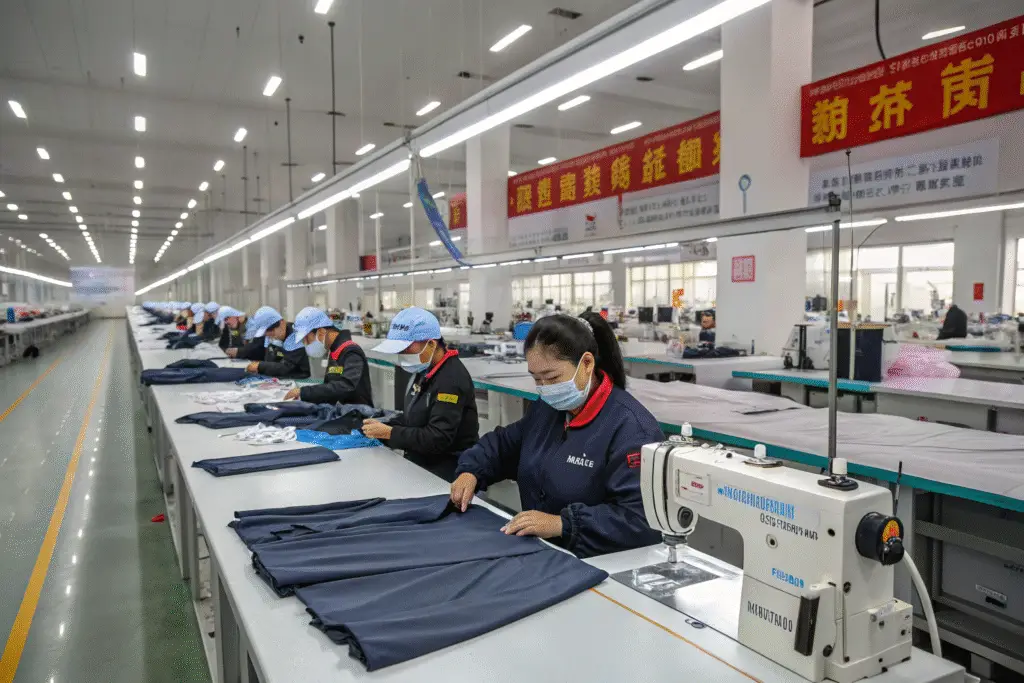
Uniform apparel has shifted from being a symbol of standardization to becoming a flexible tool for brand expression and employee functionality. Companies across healthcare, aviation, hospitality, and logistics now demand modular uniform programs that adapt to various job roles and conditions. Unlike traditional one-style solutions, modular systems enable garments to be mixed, layered, or customized, ensuring comfort and professional appearance while maintaining brand consistency.
The most effective sourcing strategy involves working with suppliers experienced in functional garment design, capable of delivering interchangeable components, customized branding, and consistent international distribution.
Based on years of experience in manufacturing and export, I have observed growing interest in modular solutions, particularly among organizations seeking balance between practicality, aesthetics, and long-term value.
Why Are Modular Uniform Programs in High Demand?
Standardized uniforms once emphasized conformity, yet today’s workplaces require both adaptability and professional presentation. Employees expect clothing that transitions between different roles or weather conditions without sacrificing a cohesive image.
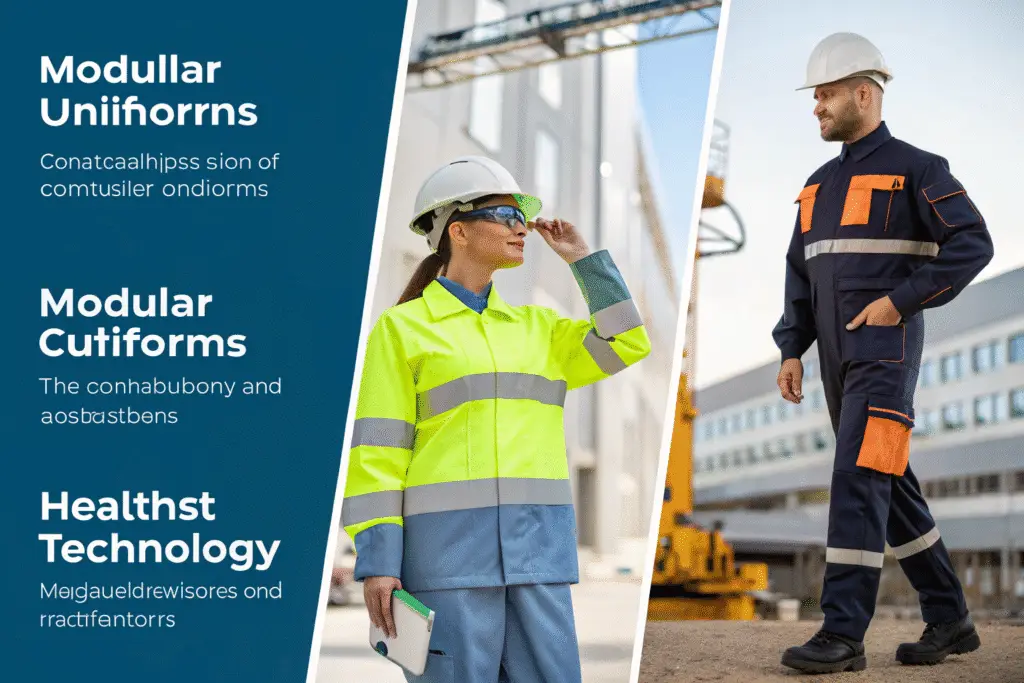
Layered systems—consisting of interchangeable trousers, jackets, shirts, and accessories—offer this flexibility, making them attractive to industries with diverse operational needs.
Airlines, hospitals, and logistics services are leading adopters, as their staff operate in varied environments and duties.

What Key Benefits Do Modular Designs Provide?
Such systems support efficiency and comfort. A delivery driver, for instance, may choose a breathable polo for summer but switch to a branded jacket during winter, while maintaining uniformity with the company’s look.
They also help organizations manage cost and sustainability. Instead of discarding entire sets, businesses can replace only damaged or outdated pieces. This approach prolongs garment life and reduces textile waste.
How Do They Strengthen Corporate Identity?
Through consistent use of logos, standardized colors, and coordinated accessories, businesses maintain a unified image while adjusting details for role-specific requirements. Airlines, for example, may apply a shared blazer design yet vary ties or scarves for visual distinction.
Companies like Cintas and Aramark already implement modular strategies for large-scale corporate programs.
Which Sectors Gain the Most From Modular Systems?
While modular uniforms can apply to nearly all fields, certain industries achieve particular advantages.
Healthcare services, hospitality groups, aviation, and logistics are at the forefront of adoption.
Their varied job functions and strict standards make modular solutions particularly useful.
Why Do Medical Staff Value Modular Options?
Doctors, nurses, and technicians often require both hygiene and comfort. Modular scrubs, jackets, and coats enable professionals to adapt attire for different departments or shift conditions.
Some healthcare institutions have added antimicrobial textiles into modular systems, ensuring uniforms remain protective as well as representative of institutional identity.
How Do Hospitality and Aviation Industries Benefit?
Presentation is critical for hotels and airlines. Modular collections keep staff visually consistent while allowing tailored details by role. Flight attendants may share a core blazer yet adjust shirts or accessories to reflect seasonal updates.
The history of airline uniforms shows how modular adaptation extends brand identity cycles without major redesigns.
What Should Buyers Evaluate in Suppliers?
Not all suppliers can provide modular solutions at scale. Some restrict buyers to limited catalogs, while others offer full design consultation and customization.
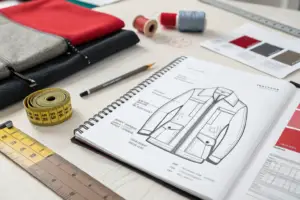
An ideal partner provides sample development, fabric options, scalable production capacity, and reliable delivery networks.
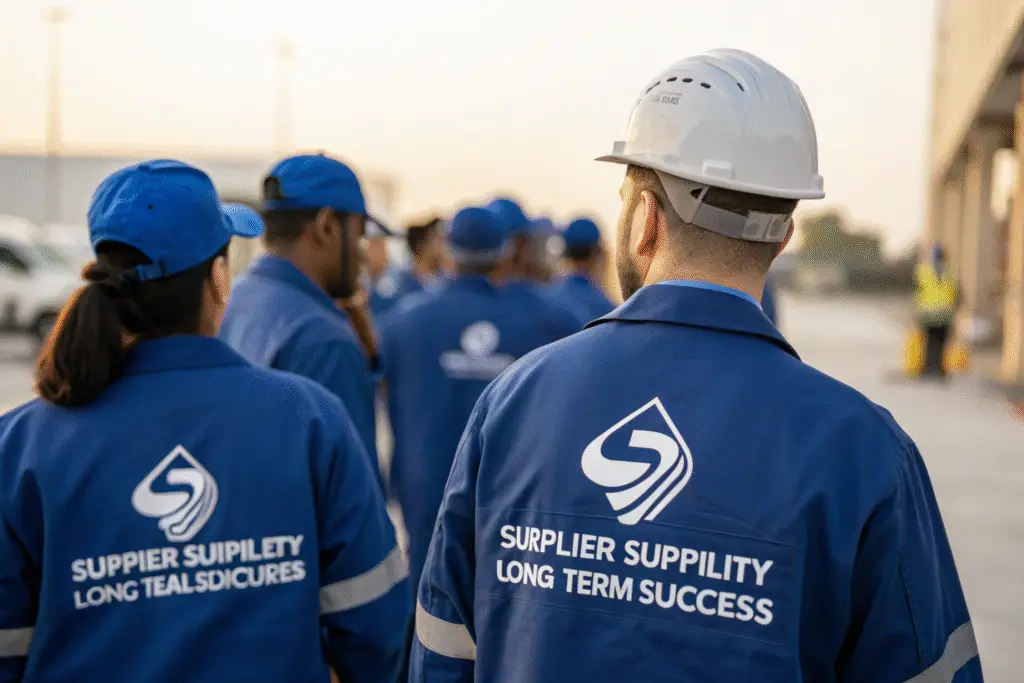
Uniforms are often perceived as part of corporate branding, making supplier capability central to long-term success.
Why Does Fabric Technology Matter?
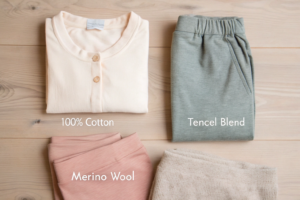
Performance fabrics must be durable, breathable, and easy-care. For outdoor and industrial roles, features such as UV protection or water repellency become critical. A growing number of suppliers also integrate sustainable materials to align with environmental goals.
Quality tests under ISO or similar standards ensure these fabrics meet performance requirements across extended wear cycles.
Should Companies Request Prototypes?
Yes. Testing samples before full-scale production helps evaluate fit, comfort, and durability. Some suppliers even offer 3D digital simulations, reducing lead time in the design process.
Providers such as UniFirst already deliver digital prototyping for corporate clients worldwide.
Where Can Modular Uniforms Be Sourced?
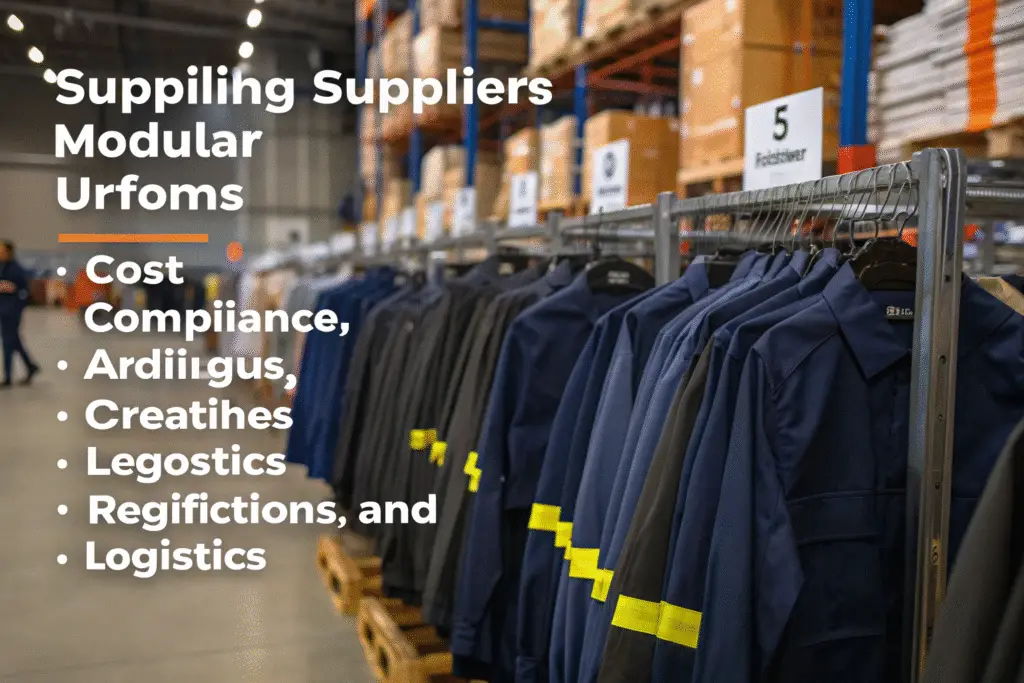
Multiple regions supply modular uniforms, each with specific strengths in cost, compliance, and logistics.
China, Europe, and the U.S. are major sourcing destinations for modular workwear and uniforms.
Buyers often select based on order size, budget, and sustainability priorities.
Why Source from China for Large Programs?
China offers competitive pricing and high-capacity manufacturing. Many producers allow logo embroidery, heat-transfer branding, and modular catalogs tailored to global clients.
Made-in-China hosts numerous suppliers with export experience, but careful vetting is crucial.
Why Choose European or American Manufacturers?
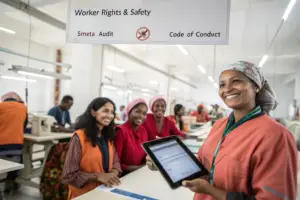
European and U.S. suppliers often emphasize compliance with strict labor and safety regulations. Companies such as Klothon specialize in modular uniforms with advanced protective features.
Although pricing may be higher, premium buyers often prefer these sources for projects where compliance and brand reputation are non-negotiable.
Conclusion
Customizable modular uniform systems have moved from concept to necessity for organizations seeking to unify image, enhance function, and reduce waste. By mixing interchangeable pieces, businesses meet employee needs while reinforcing corporate branding.
When sourcing, it is essential to evaluate supplier expertise, fabric quality, prototyping capabilities, and distribution reliability. Choosing the right partner turns modular uniforms into a long-term asset that improves cost-efficiency and sustainability.
At Shanghai Fumao Clothing, we assist clients worldwide in developing uniforms with modular flexibility, advanced textiles, and brand integration. For collaboration opportunities, reach out to our Business Director Elaine at elaine@fumaoclothing.com.