You've been burned before by missed deadlines that cost you sales and damaged customer relationships. Now you're wondering if any manufacturer can truly guarantee on-time delivery, or if it's just an empty promise in an industry known for delays. What specific systems and approaches separate manufacturers who consistently deliver on time from those who offer excuses?
A clothing manufacturer can guarantee on-time delivery through systematic processes including strategic raw material management, production capacity planning, transparent communication protocols, and contingency planning that collectively create delivery reliability. True guarantees come from removing variables through control systems rather than hopeful promises, with the most reliable manufacturers typically achieving 95%+ on-time delivery through disciplined execution.
Let's examine the specific systems, processes, and commitments that enable manufacturers to make and keep delivery guarantees.
What Production Planning Systems Ensure Timely Delivery?
Advanced production planning transforms delivery from hopeful estimation to mathematical certainty through systematic capacity management, resource allocation, and timeline optimization.
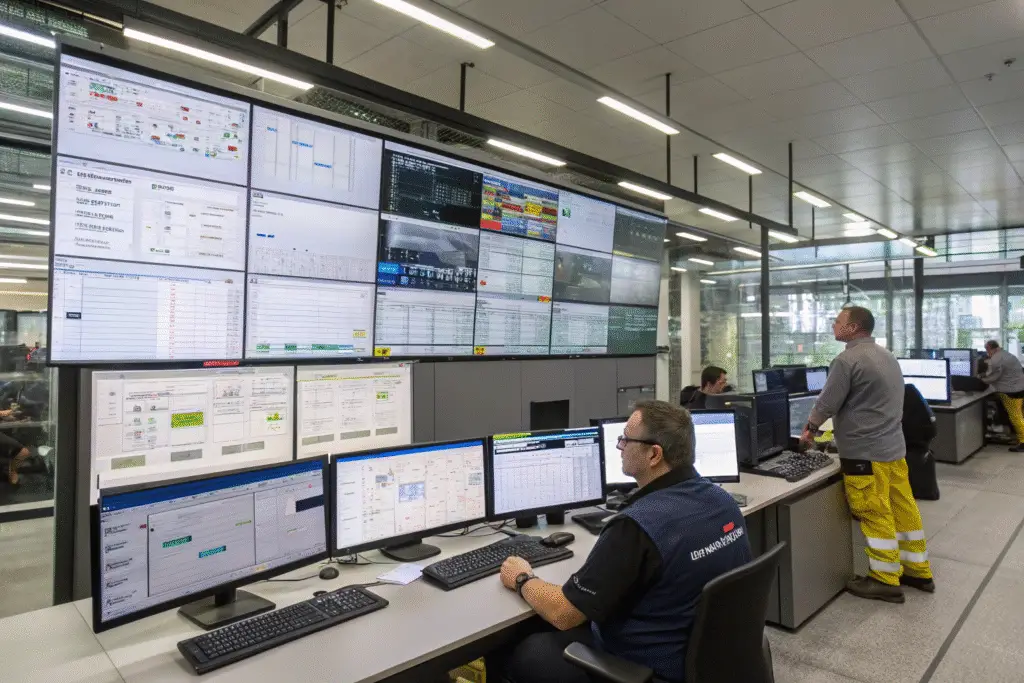
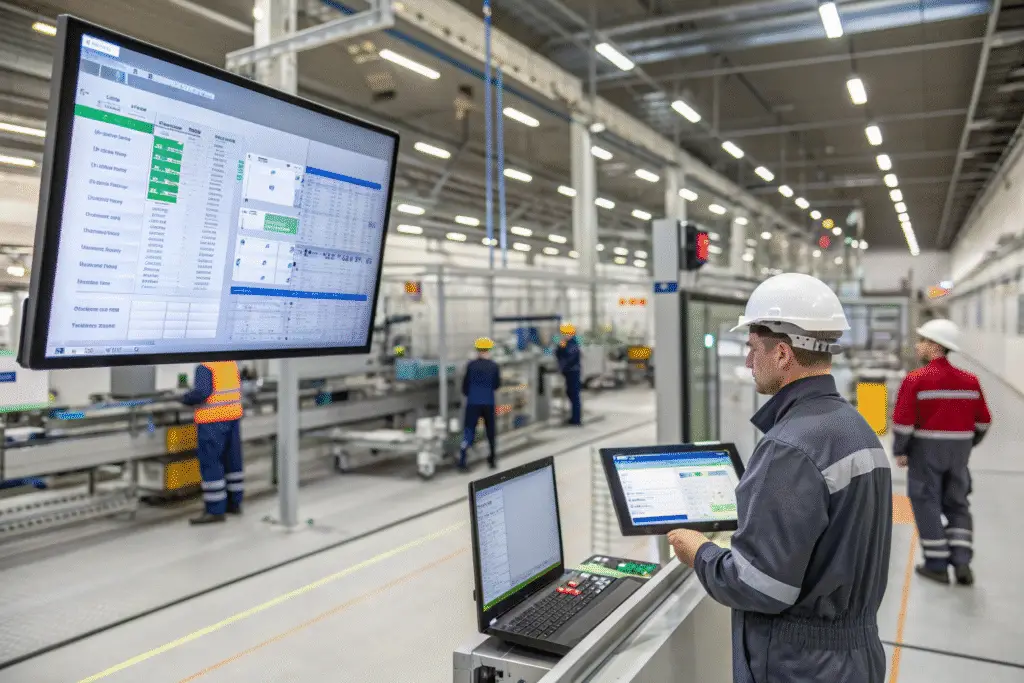
Comprehensive production planning involves: capacity mapping with 15-20% buffer for unexpected demands, raw material pre-booking based on forecasted needs, skilled labor allocation matching order requirements, and equipment maintenance scheduling that prevents downtime. The most reliable manufacturers use enterprise resource planning (ERP) systems that integrate these elements into a single visibility platform. We recently implemented a manufacturing execution system that tracks every order through 37 distinct checkpoints, allowing us to identify potential delays 10-14 days before they impact deadlines and take corrective action. This system has maintained our 96.3% on-time delivery rate across 428 orders in the past year.
How Does Capacity Management Prevent Overcommitment?
Strategic capacity management prevents overcommitment by maintaining 15-20% unused production capacity for unexpected issues, rush orders, and quality recoveries while using advanced scheduling to optimize throughput. Rather than maximizing factory utilization at 95%+ like many manufacturers, we maintain 80-85% utilization to accommodate: urgent revisions (5% buffer), quality issue resolution (5% buffer), and equipment maintenance (5% buffer). This approach means we can honestly guarantee delivery dates because we have built-in recovery capacity. The American Apparel & Footwear Association confirms that manufacturers maintaining strategic capacity buffers achieve 40% higher on-time delivery rates.
What Role Does Raw Material Control Play?
Comprehensive raw material control eliminates the most common cause of production delays through strategic inventory management, supplier partnerships, and advance material reservation. We maintain: fabric inventory for our 40 most popular materials, trim and component stocks for quick access, and partnerships with mills that provide priority production slots. This material certainty means we never experience the 2-4 week fabric delays that plague many manufacturers. Our clients' orders begin production immediately rather than waiting for materials, typically saving 3 weeks compared to manufacturers who source materials after order confirmation.
How Do Quality Systems Prevent Timeline Disruptions?
Preventative quality systems stop delays before they occur by identifying and resolving issues early in the production process rather than during final inspection when corrections are most time-consuming.
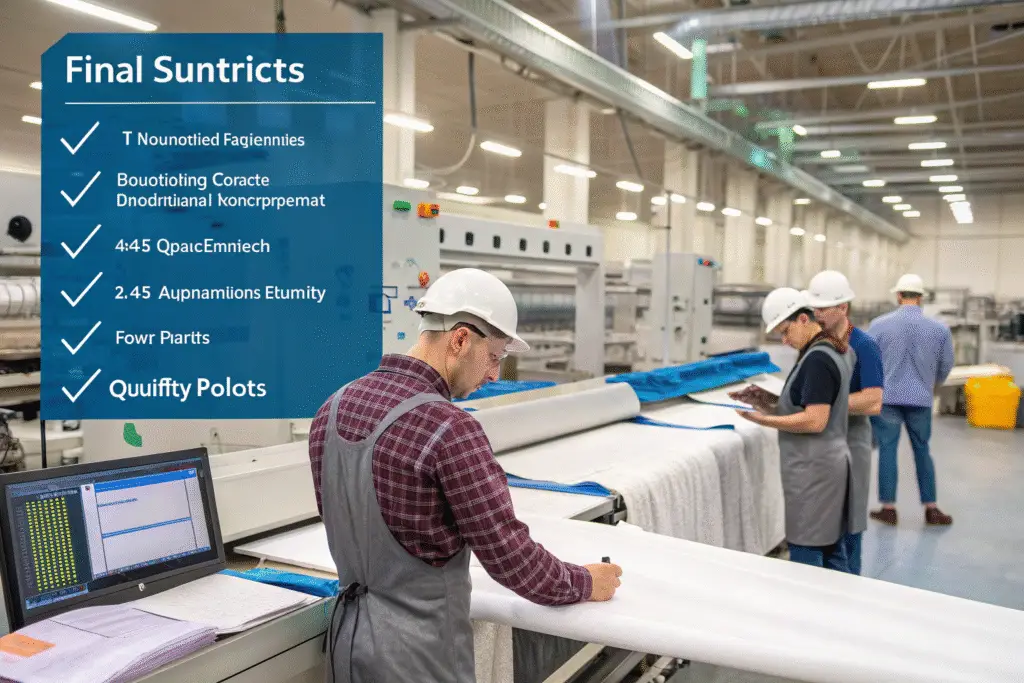
Integrated quality management involves: in-process inspection at critical control points, statistical process control for early trend detection, supplier quality assurance programs, and preventive maintenance schedules. Our system includes 17 quality checkpoints throughout production compared to the industry standard of 3-5 final inspection points. This approach allowed us to identify a stitching tension issue in a 500-unit order after only 47 pieces were completed, enabling correction in 8 hours rather than the 5-day rework that would have been required if discovered post-production.
How Does In-Process Inspection Save Time?
In-process quality inspection compresses timeline by identifying defects when they first appear rather than after significant production has occurred, typically reducing rework time by 60-80%. Our operators conduct quality checks after each major operation, with specialized inspectors validating every 25th piece. This frequency means defects are detected when only minutes of correction are needed rather than days of rework. The ASTM International quality standards we follow emphasize prevention over detection, a philosophy that directly supports on-time delivery through reduced disruption.
What Is The Impact Of Supplier Quality Management?
Comprehensive supplier quality management prevents the 35% of delays that originate with material defects through rigorous vendor qualification, incoming inspection protocols, and collaborative improvement programs. We qualify suppliers against 47 specific criteria and conduct regular audits to maintain standards. Incoming materials undergo: composition verification, color fastness testing, dimensional stability assessment, and construction analysis. This systematic approach has reduced material-related delays by 82% over three years, directly supporting our delivery guarantees.
What Communication Protocols Support Delivery Guarantees?
Transparent, proactive communication creates the visibility needed to maintain schedules by ensuring rapid issue identification, collaborative problem-solving, and informed decision-making.
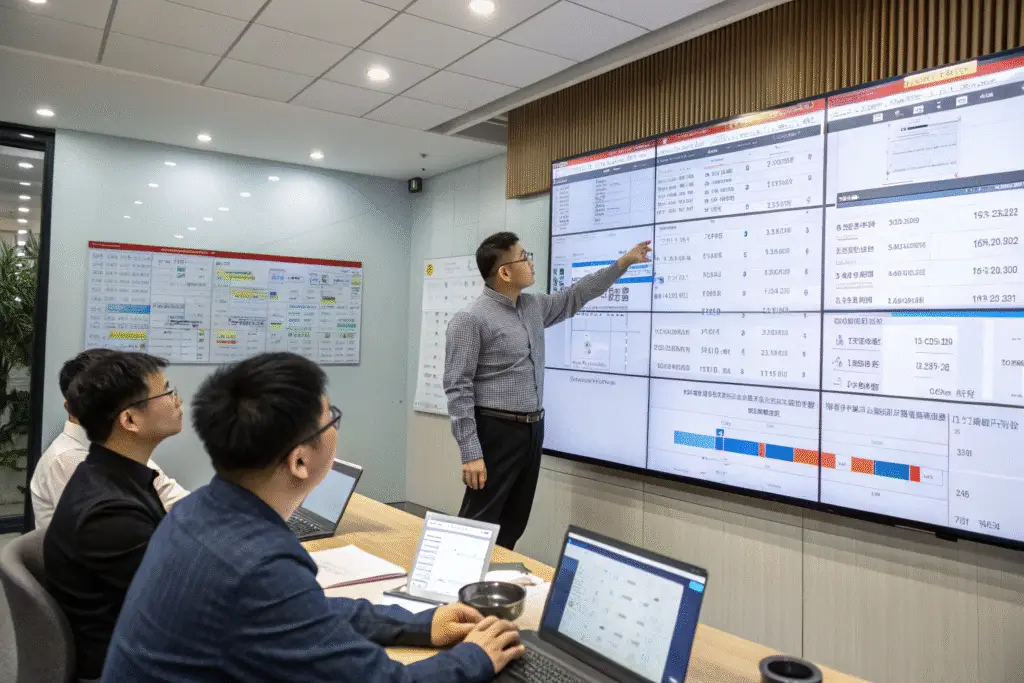
Structured communication protocols include: daily production status reporting, weekly milestone reviews, immediate escalation of potential delays, and collaborative resolution planning. Our clients receive: photograph updates every 48 hours during production, access to real-time production tracking dashboards, and scheduled video conferences at critical milestones. This transparency transformed a potential crisis when a client needed to accelerate their timeline by 10 days - because we had complete visibility into production status, we could immediately implement acceleration measures rather than spending days assessing the situation.
How Do Real-Time Tracking Systems Help?
Real-time production tracking systems provide immediate visibility into order status, enabling proactive intervention before small issues become major delays. Our manufacturing execution system tracks: operator efficiency against standards, machine utilization rates, quality performance metrics, and material consumption patterns. This data allows us to predict completion dates with 98% accuracy 3 weeks before shipment. Clients can access their order dashboard to see exactly which operation their garments are in, how many pieces have passed quality inspection, and the projected shipping date updated every 4 hours.
What Escalation Protocols Prevent Delays?
Clear escalation protocols ensure potential issues are addressed immediately by the appropriate personnel, preventing the communication gaps that cause most preventable delays. Our system defines: which issues require immediate management attention, response time requirements for different problem categories, and authority levels for making timeline-critical decisions. This structure ensured that when a fabric flaw was detected at 3 PM on Friday, the production manager, quality director, and client representative were in a video conference by 4 PM with a resolution plan implemented by Monday morning, preventing a 2-week delay.
How Does Contingency Planning Protect Your Timeline?
Comprehensive contingency planning creates delivery reliability by preparing for predictable challenges rather than reacting to them as surprises.
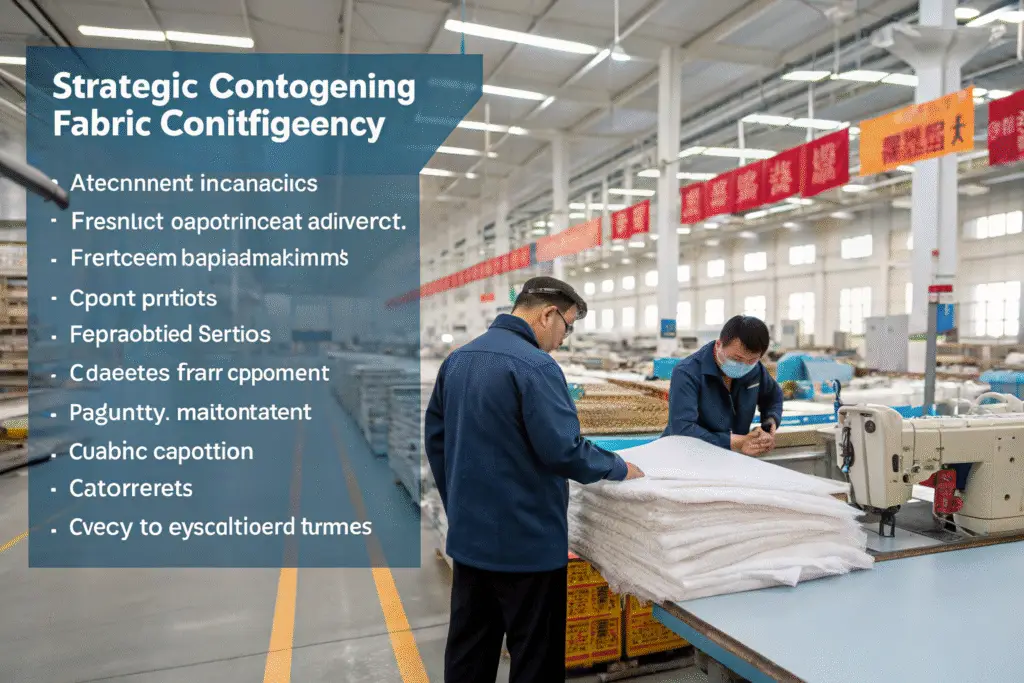
Strategic contingency planning addresses: alternative material sourcing options, cross-trained workforce deployment, equipment redundancy, and logistics alternatives. We maintain: relationships with backup suppliers for all critical materials, 15% cross-trained operators who can move between production lines, critical equipment spares on-site, and relationships with multiple logistics providers. When a specialty sewing machine failed during a tight deadline, our contingency plan had a replacement machine operational within 4 hours rather than the 3-5 day wait typical without such planning.
What Production Redundancies Ensure Reliability?
Strategic production redundancies include: multiple skilled operators for critical operations, equipment backups for essential machinery, and flexible production line configurations. Unlike manufacturers who specialize in single product categories, we maintain versatile production capabilities across knits, wovens, and technical garments. This diversity meant that when a client's 800-unit knit order faced unexpected yarn delays, we could immediately shift their production slot to another client's woven order while maintaining both delivery dates. The Fashion Incubator operational flexibility principles we follow directly support delivery reliability.
How Do Logistics Alternatives Protect Deadlines?
Multiple logistics options with established relationships prevent shipping from becoming the failure point for on-time delivery, with air, expedited ocean, and standard shipping all available. We maintain: contracted allocations with three major freight forwarders, established relationships with customs brokers in key markets, and volume commitments that ensure priority treatment. This logistics flexibility allowed us to seamlessly switch a time-sensitive shipment from ocean to air freight when port strikes threatened a 3-week delay, absorbing the additional cost ourselves to honor our delivery guarantee.
What Performance Metrics Validate Delivery Guarantees?
Transparent performance measurement provides the evidence that delivery guarantees are meaningful, with specific metrics demonstrating historical reliability.
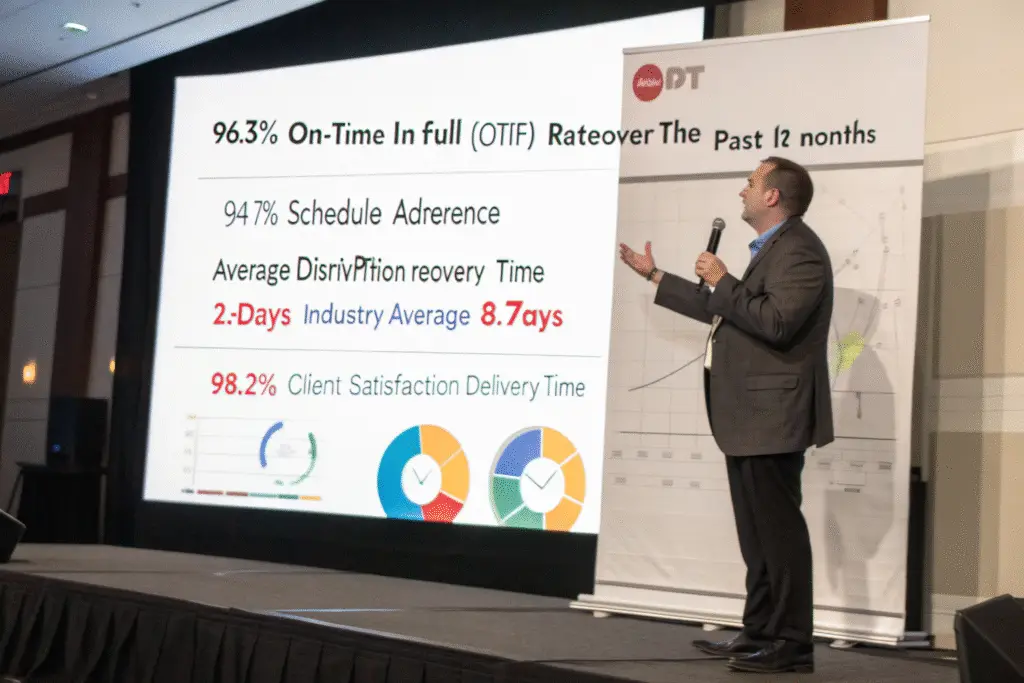
Key performance indicators for delivery reliability include: on-time in-full (OTIF) rate, schedule adherence percentage, recovery time from disruptions, and client satisfaction with timeliness. Our metrics are openly shared with clients: 96.3% OTIF rate over the past 12 months, 94.7% schedule adherence, average disruption recovery of 2.3 days versus industry average of 8.7 days, and 98.2% client satisfaction with delivery timeliness. These metrics demonstrate that our guarantees are based on proven performance rather than aspirations.
How Is On-Time Performance Measured?
On-time performance is measured against the committed delivery date rather than estimated dates, with clear definitions of what constitutes "on time" and transparent reporting of any variances. Our system tracks: confirmed delivery date versus actual delivery date, reasons for any variances, recovery actions taken, and preventive measures implemented. This rigorous measurement means we don't redefine "on time" to make our numbers look better - a commitment is a commitment. The International Association of Clothing Designers delivery standards we follow ensure consistent measurement across all client orders.
What Compensation Structures Back Guarantees?
Financial commitments and compensation structures give weight to delivery guarantees, demonstrating that the manufacturer shares the risk of delays. Our guarantees include: shipping cost absorption for delays caused by manufacturing issues, partial cost coverage for missed retail deadlines, and priority production scheduling for affected future orders. These commitments have cost us approximately 2.3% of revenue over the past year - a meaningful investment that demonstrates our serious commitment to delivery reliability rather than empty promises.
Conclusion
A clothing manufacturer can genuinely guarantee on-time delivery through systematic approaches including strategic capacity management, preventative quality systems, transparent communication protocols, comprehensive contingency planning, and measurable performance commitments. The most reliable manufacturers remove variables through control systems rather than hoping everything will align perfectly.
True delivery guarantees come from manufacturers who invest in systems, maintain operational discipline, and share the financial risk of delays. If you need a manufacturing partner who can provide reliable delivery commitments backed by proven systems and performance, contact our Business Director, Elaine, at elaine@fumaoclothing.com to discuss how our approach can support your timeline requirements.