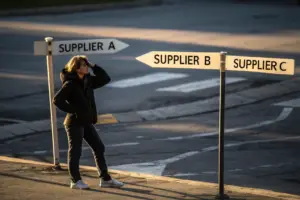
Rising tariffs have shifted the ground under the feet of every U.S. apparel buyer sourcing from China. But rather than walking away, many are getting smarter.
Faced with high U.S. tariffs on Chinese apparel, U.S. buyers are diversifying sourcing locations, renegotiating FOB terms, focusing on DDP models, and investing in better long-term supplier partnerships for value and flexibility.
At Fumao, we’ve worked closely with buyers adjusting to this new environment—not by cutting ties, but by optimizing cost, quality, and compliance.
Will clothing from the US have tariffs?
Yes—but the key issue isn’t U.S.-made clothing. It’s imports, especially from tariff-targeted countries like China.
Clothing made in the U.S. doesn’t face import tariffs, but most apparel sold in the U.S. is imported—and Chinese apparel is now heavily tariffed.
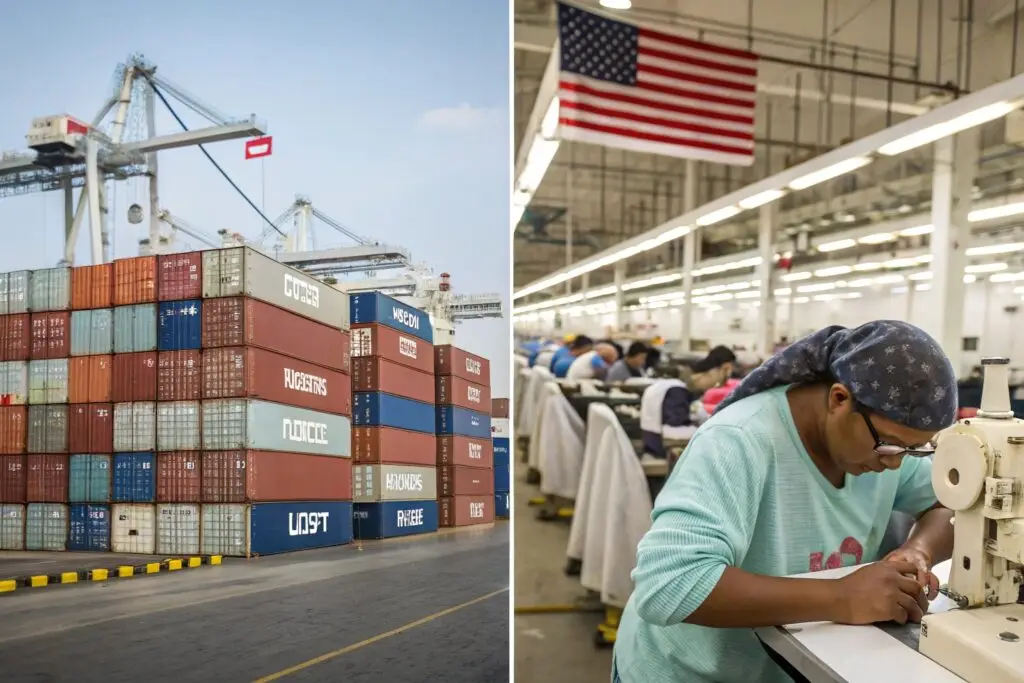
What are current tariff realities for U.S. buyers?
The U.S. imposes standard MFN (Most-Favored Nation)1 tariffs on all apparel imports. But since 2018, additional Section 301 tariffs2 have increased duties on many Chinese clothing products—by 7.5% to 25%, depending on category.
For example:
| Item | Base Tariff | Section 301 Tariff | Total Duty |
|---|---|---|---|
| Cotton T-shirt (China) | 16.5% | 7.5% | 24% |
| Synthetic Jacket (China) | 28.2% | 7.5%–25% | 35%–50% |
| Same Items (Vietnam) | 16.5% | 0% | 16.5% |
Tariffs apply to the declared customs value, which increases final landed cost and affects retail margins.
Does this affect all Chinese apparel?
Not equally. Some accessories or blended fabrics fall into different HS codes with lower tariffs. That’s why U.S. buyers often:
- Work with suppliers to optimize HS code classification3
- Use DDP (Delivered Duty Paid) pricing to manage risk
- Diversify categories to reduce average tariff impact
Which explains how US tariffs affect the prices of Chinese and US goods?
Tariffs are taxes. They don't punish exporters directly—they make importers pay more, which can raise prices or squeeze margins.
U.S. tariffs on Chinese goods increase the cost of imports, often leading to higher retail prices, supplier renegotiations, or margin cuts for U.S. apparel brands.

How do tariffs typically play out in the apparel sector?
| Response by Buyer | Result |
|---|---|
| Absorb cost | Lower profit margins |
| Raise retail price | Risk of losing price-sensitive customers |
| Change supplier | Disruption, lead-time shifts |
| Renegotiate with China vendor | Spread cost across supply chain |
We’ve helped several buyers use FOB price renegotiation4 to share tariff burdens with Chinese partners. In exchange, we provided:
- Faster delivery terms
- Pre-customs DDP planning
- Cost-saving fabric swaps
Do tariffs always lead to inflation?
Not always. Some buyers cut costs elsewhere5—e.g., simplifying trims or reducing SKUs. But price increases are common, especially in fast fashion and seasonal goods.
At Fumao, we help clients balance between value engineering6 and category reallocation—so cost doesn’t kill quality.
What is the effect of a tariff on imports to the US?
Tariffs increase the total landed cost for buyers—and those costs ripple through the system.
The immediate effect of a tariff on U.S. imports is increased buyer cost, which can lead to higher retail prices, lower demand, supply chain shifts, or margin compression.

How are U.S. apparel buyers responding to this?
- Nearshoring7 to Mexico or Central America
- Shifting to Vietnam, Bangladesh, India
- Staying with China but adjusting terms (smaller runs, DDP pricing)
- Ordering earlier to avoid peak customs delays
One of our buyers switched from full production in China to fabric sourcing in China + sewing in Vietnam8—bypassing direct Chinese origin tariffs on some HS codes.
We also supported a brand in shifting 60% of their basic T-shirt production to Bangladesh for lower duty9, while maintaining high-volume outerwear with us in China using optimized packaging + tariff classification.
What tariffs does the US have against China?
The U.S. government imposes both base tariffs under WTO rules and additional punitive tariffs under Section 301 targeting China specifically.
U.S. tariffs against China include standard MFN rates plus Section 301 tariffs of 7.5% to 25% across many apparel categories—implemented since the 2018–2019 trade war.
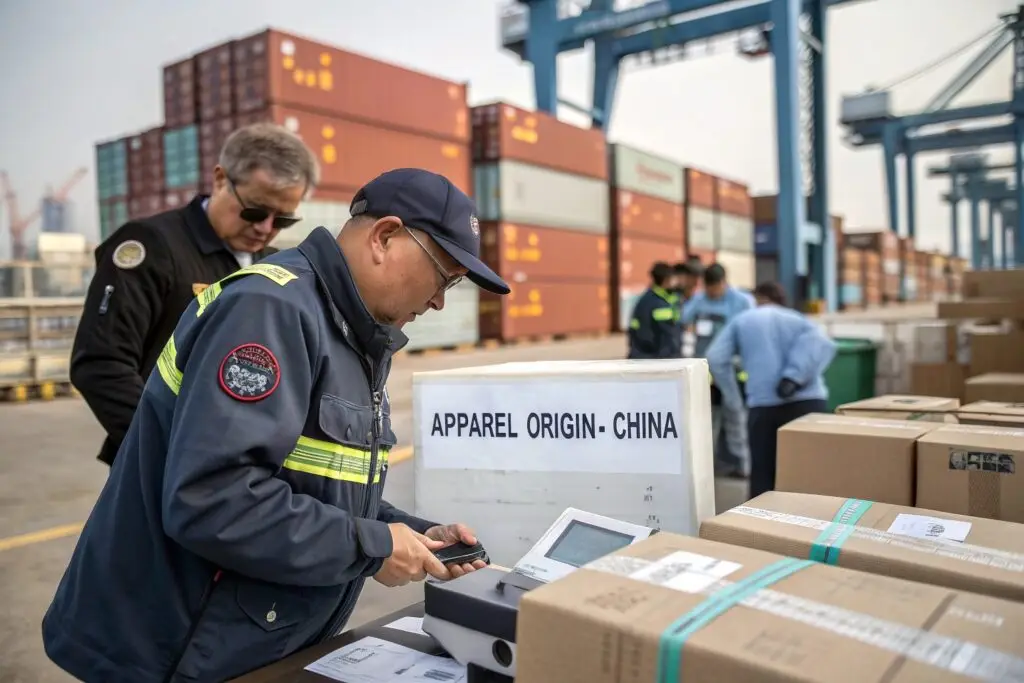
What are the key tariff laws affecting Chinese apparel?
| Tariff Type | Applies to | Rate | Notes |
|---|---|---|---|
| MFN Tariffs | All countries | 0–32% | Depends on HS code |
| Section 301 List 1–4A | China only | +7.5%–25% | Additional, category-specific |
| Safeguard Duties | Occasionally | Varies | Applied on spikes (rare) |
These tariffs affect cut-and-sew goods10, synthetics, cotton blends, and apparel accessories.
Yes—factories like Fumao are now more involved in:
- DDP arrangements11 (where we handle customs risk)
- HS code strategy12 (choosing codes with lower duty)
- Split production (components in China, final sewing elsewhere)
Instead of fleeing China, many buyers now optimize their Chinese sourcing through leaner, smarter partnerships.
Conclusion
High tariffs haven’t killed U.S.–China apparel trade—they’ve just changed the game. Buyers are adapting with smarter sourcing, new factory terms, and more flexibility. At Fumao, we’re here to help U.S. brands face tariffs not with fear—but with strategy.
-
Understanding MFN tariffs is crucial for U.S. buyers to navigate import costs effectively. Explore this link for detailed insights. ↩
-
Section 301 tariffs significantly affect pricing on Chinese imports. Learn more about their implications for buyers. ↩
-
HS code classification can optimize tariff costs. Discover how it works and its benefits for U.S. buyers. ↩
-
Understanding FOB price renegotiation can help you navigate tariff impacts effectively and optimize your supply chain. ↩
-
Exploring cost-cutting strategies can provide insights into maintaining profitability despite tariffs. ↩
-
Learning about value engineering can help you enhance product quality while managing costs effectively. ↩
-
Explore how nearshoring can enhance supply chain efficiency and reduce costs for apparel buyers. ↩
-
Learn about strategies to navigate tariffs and optimize production costs in the apparel industry. ↩
-
Discover the advantages of producing in Bangladesh, including cost savings and duty benefits for apparel brands. ↩
-
Understanding cut-and-sew goods is crucial for navigating tariff implications and optimizing sourcing strategies. ↩
-
Exploring DDP arrangements can help buyers manage customs risks effectively and streamline their import processes. ↩
-
Learning about HS code strategy can significantly reduce duty costs and improve sourcing efficiency for apparel buyers. ↩