Launching a clothing line or managing apparel production can be overwhelming without a clear roadmap. So, what are the key steps to producing clothes successfully?
The clothing production process begins with selecting a reliable manufacturer, followed by sampling, production planning, and quality control. Understanding each step helps buyers make informed decisions and avoid costly mistakes.
With the right guidance, sourcing and manufacturing clothing becomes efficient, predictable, and profitable.
How to Choose the Right Clothing Manufacturer?
Your manufacturer plays a vital role in product quality, timelines, and costs. But how do you find the right one?
Choosing the right clothing manufacturer involves assessing production capabilities, communication, pricing, lead times, certifications, and reliability. A good manufacturer becomes a long-term partner, not just a vendor.
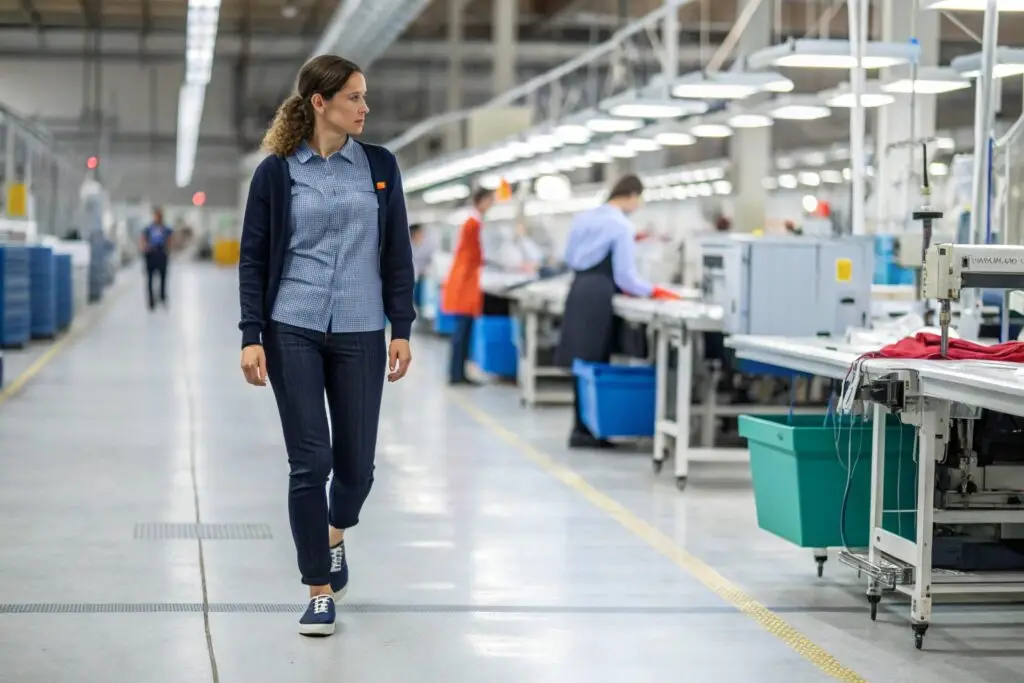
What criteria should you use to evaluate a garment manufacturer?
| Factor | Why It Matters |
|---|---|
| Product Range | Must align with your brand’s style and material requirements |
| Minimum Order Quantity (MOQ) | Affects cost and flexibility |
| Lead Time & Capacity | Impacts your ability to meet sales deadlines |
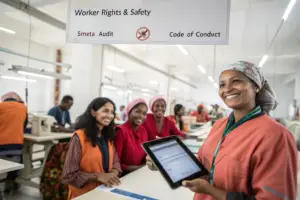
| Certifications (e.g. BSCI, ISO) | Assure compliance with ethical and quality standards |
| Communication & Transparency | Essential for resolving issues quickly |
How to verify manufacturer reliability?
- Request production samples.
- Review client testimonials or case studies.
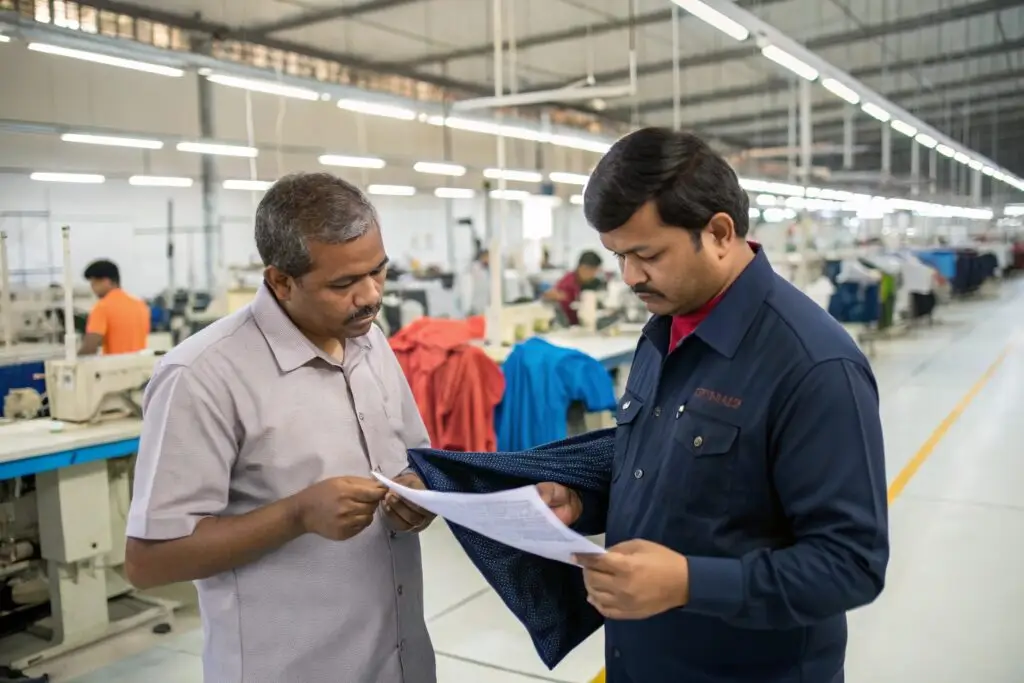
- Schedule a video call or on-site visit.
- Ask detailed production and compliance questions.
Step-by-Step Garment Production Workflow
Understanding the garment workflow helps you manage timelines and reduce production errors. But what does the full process look like?
The step-by-step garment production workflow includes design finalization, sampling, pattern making, fabric sourcing, cutting, sewing, finishing, quality control, and packaging. Each stage is connected and essential.
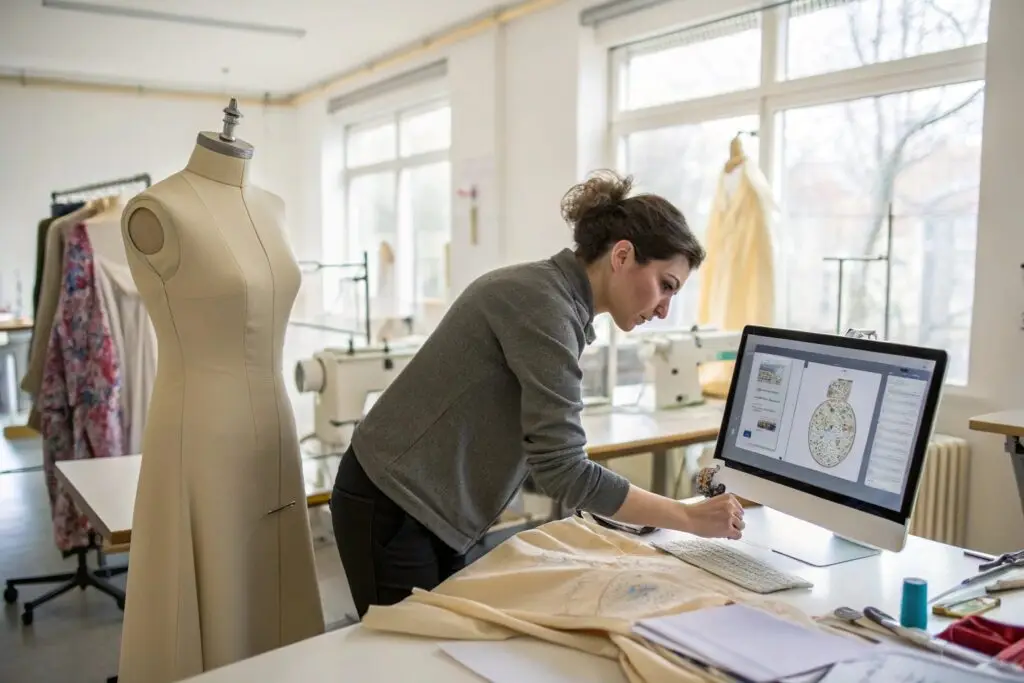
What are the main steps in garment production?
| Stage | Description |
|---|---|
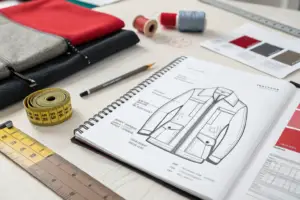
| Design Finalization | Create tech packs and determine specifications |
| Sample Development | Test the design with initial prototypes |
| Pattern Making | Convert design into templates for cutting |
| Fabric & Trim Sourcing | Procure approved raw materials |
| Cutting & Layering | Prepare fabric according to pattern layout |
| Sewing & Assembly | Stitch garments based on style lines |
| Finishing | Add zippers, labels, pressing, and folding |
| Quality Control | Inspect fit, stitching, labeling, and consistency |
| Packaging & Shipping | Pack and prepare garments for delivery |
Why is workflow management important?
- Prevents bottlenecks or missed steps.
- Helps meet delivery deadlines.
- Improves quality and consistency across orders.
Common Mistakes in Apparel Production to Avoid
Apparel production is full of moving parts. But what are the most common mistakes brands make?
Mistakes like vague tech packs, poor fabric testing, skipping sample reviews, or choosing the wrong supplier can derail timelines and budgets. These errors are avoidable with proper planning.

What common pitfalls should buyers watch for?
| Mistake | Why It’s a Problem |
|---|---|
| Incomplete Tech Packs | Leads to miscommunication and product errors |
| No Pre-Production Sample Approval | Misses fit and style issues |
| Choosing the Cheapest Supplier | Can lead to poor quality or unreliable delivery |
| Unclear MOQ & Lead Time Agreements | Causes unexpected cost or production delays |
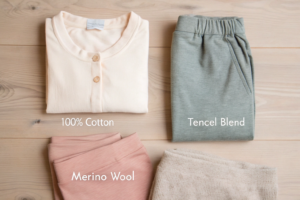
| Ignoring Fabric Shrinkage Testing | Results in size issues after wash |
How to avoid these issues?
- Always develop and approve multiple sample rounds.
- Choose factories based on quality, not just price.
- Use clear contracts to define timelines, tolerances, and penalties.
- Monitor every stage from sample to shipment.
Clothing Sampling Process Explained for Buyers
Sampling is more than just making a prototype. But how does the clothing sample process work?
The clothing sampling process includes multiple types of samples—prototype, fit, size set, pre-production, and production samples. Each type serves a purpose and helps ensure the final product meets expectations.

What are the types of clothing samples?
| Sample Type | Purpose |
|---|---|
| Proto Sample | First physical version of the design |
| Fit Sample | Tests garment fit on a mannequin or model |
| Size Set Sample | Checks sizing accuracy across all sizes |
| Pre-Production Sample (PP Sample) | Represents the final approved garment |
| Production Sample | Taken from the bulk run to verify consistency |
Why is the sampling process essential?
- Identifies design and sizing flaws early.
- Sets clear production expectations for the factory.
- Prevents costly mistakes during bulk production.
Conclusion
Successful clothing production requires careful manufacturer selection, an organized workflow, attention to detail, and thorough sampling. By understanding each stage and avoiding common pitfalls, buyers can manage apparel production more confidently and deliver high-quality garments to market efficiently.