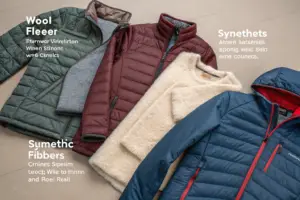
The global apparel industry is a vibrant and competitive sector, offering numerous opportunities for growth and innovation. What trends, strategies, and opportunities should businesses focus on to succeed in this dynamic market? Let’s explore the key insights from the Global Apparel Opportunities and Strategies Market Report.
The global apparel market is evolving rapidly, driven by trends like sustainability, digital transformation, and changing consumer preferences. To capitalize on these opportunities, businesses must adopt innovative strategies and stay ahead of industry shifts.
Now, let’s dive deeper into the trends, strategies, and opportunities shaping the future of the apparel industry.
Key Trends Shaping the Global Apparel Market
What are the major trends influencing the global apparel market? How are these trends reshaping the industry?
The global apparel market is being shaped by sustainability, e-commerce growth, personalization, and technological advancements. These trends are transforming how brands design, produce, and sell clothing.

How is Sustainability Impacting the Apparel Industry?
Sustainability is no longer a niche concern but a mainstream demand in the apparel industry. Consumers are increasingly seeking eco-friendly and ethically produced clothing, pushing brands to adopt sustainable practices.
Here’s how sustainability is influencing the market:
- Eco-Friendly Materials: Brands are using organic cotton, recycled polyester, and other sustainable fabrics.
- Circular Fashion: Initiatives like clothing rental, resale, and recycling are gaining traction.
- Transparency: Consumers demand greater transparency about sourcing and production practices.
Brands that prioritize sustainability will gain a competitive edge.
What Role Does Technology Play in Apparel Trends?
Technology is revolutionizing the apparel industry, from design to distribution. Innovations like AI, 3D printing, and augmented reality are enhancing efficiency and customer experiences.
Here’s a look at key technological trends:
- AI and Data Analytics: Brands use AI to predict trends, optimize inventory, and personalize marketing.
- 3D Printing: This technology enables faster prototyping and customization.
- Virtual Try-Ons: Augmented reality allows customers to visualize how clothes will look before buying.
These technologies are helping brands stay competitive and meet consumer expectations.
Top Strategies for Expanding in Apparel Markets
What strategies can businesses adopt to expand their presence in the global apparel market? How can they stand out in a crowded industry?
To succeed in the global apparel market, businesses should focus on digital transformation, sustainability, and customer-centric strategies. These approaches will help them attract and retain customers while staying competitive.

How Can Brands Leverage E-Commerce for Growth?
E-commerce is a critical channel for apparel brands looking to expand their reach. By optimizing their online presence, brands can tap into global markets and drive sales.
Here’s how to leverage e-commerce effectively:
- User-Friendly Websites: Ensure your website is easy to navigate and mobile-friendly.
- Personalized Shopping: Use AI to recommend products based on customer preferences.
- Fast Shipping and Returns: Offer convenient delivery and return options to enhance customer satisfaction.
E-commerce will continue to be a key driver of growth in the apparel industry.
Why is Customer-Centricity Important?
A customer-centric approach is essential for building brand loyalty and driving repeat purchases. By understanding and addressing customer needs, brands can create meaningful connections with their audience.
Here’s how to prioritize customer-centricity:
- Personalization: Tailor products and marketing messages to individual preferences.
- Exceptional Service: Provide responsive customer support and hassle-free returns.
- Feedback Loops: Actively seek and incorporate customer feedback to improve products and services.
Brands that put customers first will thrive in the competitive apparel market.
Opportunities in Sustainable Apparel Production
What opportunities does sustainable apparel production present? How can businesses capitalize on this growing trend?
Sustainable apparel production offers significant opportunities for brands to differentiate themselves and appeal to eco-conscious consumers. By adopting eco-friendly practices, businesses can reduce their environmental impact and attract a loyal customer base.
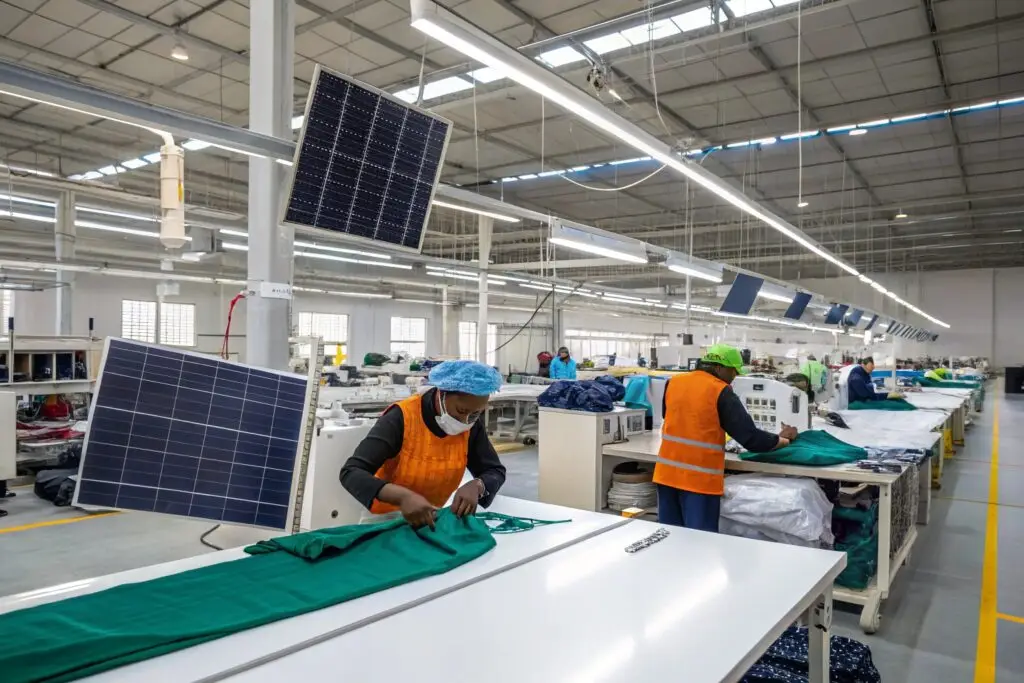
How Can Brands Transition to Sustainable Production?
Transitioning to sustainable production requires a commitment to eco-friendly materials, ethical labor practices, and efficient resource use. Here’s how brands can make the shift:
- Eco-Friendly Materials: Use organic, recycled, or biodegradable fabrics.
- Ethical Sourcing: Ensure fair wages and safe working conditions for factory workers.
- Energy Efficiency: Invest in renewable energy and energy-efficient manufacturing processes.
These steps will help brands align with consumer values and regulatory requirements.
What Are the Benefits of Sustainable Fashion?
Sustainable fashion offers numerous benefits, from environmental conservation to enhanced brand reputation. Here’s why it’s worth the investment:
- Consumer Appeal: Eco-conscious consumers are more likely to support sustainable brands.
- Cost Savings: Efficient resource use can reduce production costs over time.
- Regulatory Compliance: Adopting sustainable practices helps brands meet evolving environmental regulations.
Sustainable fashion is not just a trend but a long-term opportunity for growth.
How to Compete in the Global Fashion Industry
What does it take to compete in the highly competitive global fashion industry? How can brands differentiate themselves and capture market share?
To compete in the global fashion industry, brands must focus on innovation, agility, and strong branding. By staying ahead of trends and delivering exceptional value, they can stand out in a crowded market.

How Can Brands Stay Ahead of Fashion Trends?
Staying ahead of fashion trends requires a deep understanding of consumer preferences and the ability to adapt quickly. Here’s how brands can achieve this:
- Trend Forecasting: Use data analytics and AI to predict emerging trends.
- Rapid Production: Implement fast fashion techniques to bring new designs to market quickly.
- Collaborations: Partner with influencers, designers, and other brands to stay relevant.
Brands that anticipate and respond to trends will maintain a competitive edge.
Why is Branding Crucial in the Fashion Industry?
Strong branding is essential for building recognition and loyalty in the fashion industry. A compelling brand identity helps differentiate a brand from its competitors.
Here’s how to build a strong brand:
- Unique Identity: Develop a distinct visual and verbal identity that resonates with your target audience.
- Storytelling: Share your brand’s mission, values, and story to connect with customers emotionally.
- Consistency: Ensure consistent messaging and aesthetics across all touchpoints.
A strong brand will attract and retain customers in the competitive fashion market.
Conclusion
The global apparel industry offers immense opportunities for growth and innovation. By embracing sustainability, leveraging technology, and adopting customer-centric strategies, brands can thrive in this dynamic market. The future of fashion belongs to those who can adapt, innovate, and deliver value to their customers.