
Are you facing delays, unexpected costs, or logistical nightmares in your international trade operations? The longer you wait, the more you risk losing time, money, and opportunities. It’s time to secure your DDP (Delivered Duty Paid) solution and take control of your supply chain. Let’s explore why DDP is the answer to your challenges.
DDP is a shipping method where the manufacturer handles all logistics, including customs clearance, duties, and taxes. By choosing DDP, you can avoid hidden costs, streamline your supply chain, and ensure timely delivery. Fumao Clothing’s DDP services are designed to simplify your import process and protect your profit margins.
Now, let’s dive deeper into the specifics of DDP and why it’s the best choice for your business. From understanding when to avoid DDP to exploring its advantages, this guide will provide valuable insights.
Why Should DDP Be Avoided?
While DDP offers many benefits, it may not always be the best choice for every business. But why should DDP be avoided in certain situations?
DDP should be avoided when the seller lacks the expertise or resources to handle customs clearance, duties, and taxes. It can also be more expensive upfront, as the seller bears all costs. For businesses with limited experience in international logistics, DDP may lead to delays, unexpected fees, and customer dissatisfaction.

When is DDP Not the Right Choice?
DDP may not be the right choice in the following scenarios:
- Limited Resources1: If the seller lacks the resources to manage customs and logistics, DDP can be challenging.
- Low-Volume Sales2: For small businesses with low sales volumes, the costs of DDP may outweigh the benefits.
- Unpredictable Markets3: In markets with fluctuating tariffs or customs regulations, DDP can be risky.
By evaluating your specific circumstances, you can determine if DDP is the right choice for your business.
What Are the Alternatives to DDP?
If DDP isn’t the best fit, consider these alternatives:
- DDU (Delivered Duty Unpaid): The seller delivers the goods, but the buyer handles customs clearance and duties.
- EXW (Ex Works): The buyer takes full responsibility for shipping and customs from the seller’s location.
- FOB (Free On Board): The seller delivers the goods to the port, and the buyer handles the rest.
Each option has its pros and cons, so choose the one that best suits your business.
Why is DDP Not a Good Idea for the Seller?
DDP shifts significant responsibility to the seller, which can create challenges. But why is DDP not always a good idea for the seller?
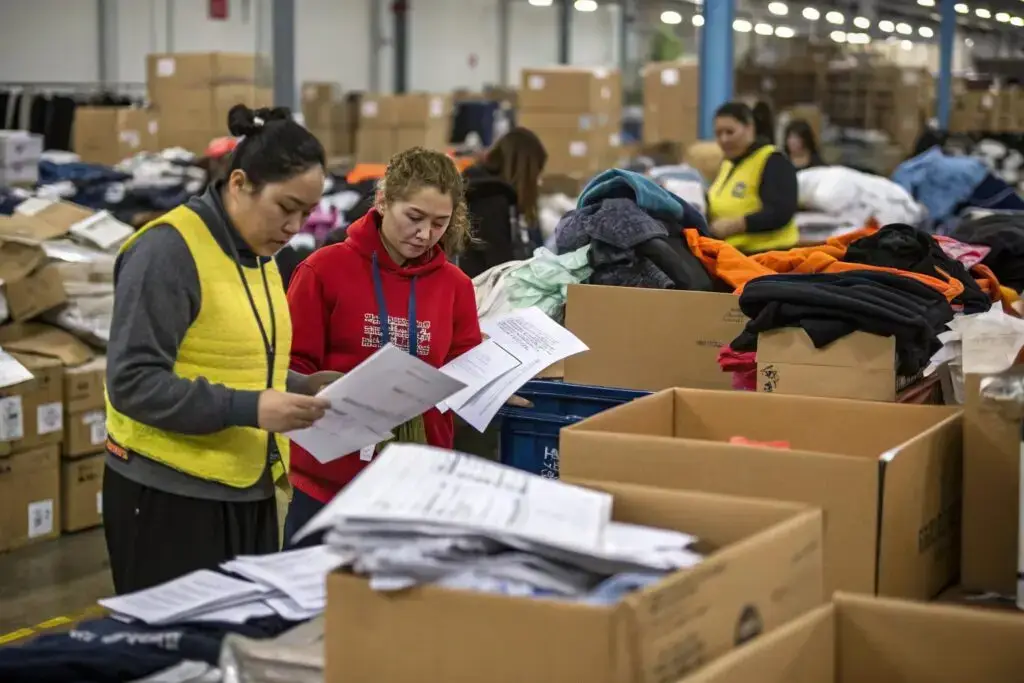
DDP is not a good idea for the seller because it requires them to handle customs clearance, duties, and taxes. This can increase costs, complicate logistics, and expose the seller to risks like delays or fines. For sellers with limited experience in international trade, DDP can be particularly challenging.
What Are the Risks of DDP for Sellers?
DDP poses several risks for sellers:
- Increased Costs4: Sellers must cover all duties and taxes, which can reduce profit margins.
- Logistics Complexity5: Managing customs clearance and international shipping requires expertise and resources.
- Risk of Delays: Any issues with customs or shipping can lead to delays and unhappy customers.
By understanding these risks, sellers can make informed decisions about whether to offer DDP.
How Can Sellers Mitigate DDP Risks?
Sellers can mitigate DDP risks by:
- Partnering with Experts: Work with experienced logistics providers to handle customs and shipping.
- Clear Communication: Ensure buyers understand their responsibilities and the terms of the agreement.
- Risk Assessment6: Evaluate the potential risks and benefits of DDP for each transaction.
By taking these steps, sellers can minimize the challenges of DDP.
How Much Does UPS Charge to Import to Canada?
Importing goods to Canada involves various costs, including shipping fees. But how much does UPS charge for these services?
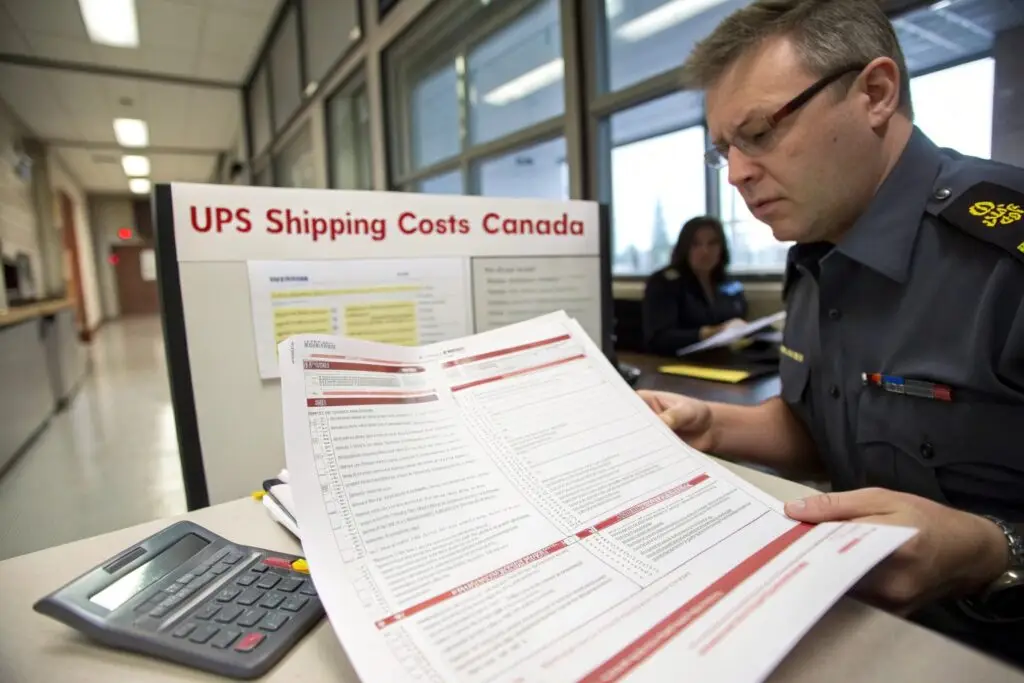
UPS charges for importing to Canada depend on factors like package weight, dimensions, shipping speed, and customs duties. On average, shipping costs can range from $20 to $200 or more, depending on the specifics of the shipment. It’s important to get a detailed quote to understand the total cost.
What Factors Affect UPS Shipping Costs?
Several factors influence UPS shipping costs:
- Package Weight and Dimensions7: Heavier and larger packages cost more to ship.
- Shipping Speed8: Faster delivery options are more expensive.
- Customs Duties and Taxes9: These additional costs are calculated based on the value and type of goods.
By understanding these factors, you can better estimate your shipping costs.
How Can You Reduce UPS Shipping Costs?
You can reduce UPS shipping costs by:
- Optimizing Package Size: Use appropriately sized packaging to avoid unnecessary charges.
- Choosing Slower Shipping Options: If time is not critical, opt for slower, more affordable shipping.
- Consolidating Shipments: Combine multiple orders into one shipment to save on costs.
By implementing these strategies, you can minimize your shipping expenses.
Who is the IOR on a DAP Shipment?
In international trade, the Importer of Record (IOR) plays a critical role. But who is the IOR on a DAP (Delivered At Place) shipment?
On a DAP shipment, the buyer is typically the Importer of Record (IOR). This means the buyer is responsible for customs clearance, duties, and taxes. The seller’s responsibility ends once the goods are delivered to the agreed-upon location.

What Are the Responsibilities of the IOR?
The IOR has several key responsibilities:
- Customs Clearance10: The IOR must ensure all customs paperwork is completed accurately.
- Duty and Tax Payments11: The IOR is responsible for paying any applicable duties and taxes.
- Compliance12: The IOR must ensure the shipment complies with all import regulations.
By understanding these responsibilities, buyers can better manage DAP shipments.
How Does DAP Compare to DDP?
DAP and DDP are two common shipping terms, but they differ in key ways:
- DAP: The seller delivers the goods to the agreed location, but the buyer handles customs and duties.
- DDP: The seller handles all logistics, including customs clearance and duties, delivering the goods to the buyer’s doorstep.
Understanding these differences can help you choose the right shipping method for your needs.
Conclusion
Don’t wait until it’s too late to secure your DDP solution. By choosing DDP, you can simplify your logistics, avoid unexpected costs, and ensure timely delivery. Fumao Clothing’s DDP services are designed to meet your unique needs, helping you navigate the complexities of international trade with confidence. Contact us today to learn more about how DDP can transform your business.
-
Understanding the challenges of limited resources in DDP can help you make informed decisions for your business. ↩
-
Exploring the impact of low-volume sales on DDP can guide small businesses in choosing the right shipping method. ↩
-
Learning about the risks associated with unpredictable markets can help you mitigate potential issues in your shipping strategy. ↩
-
Understanding the financial implications of DDP can help sellers make better pricing decisions and protect their profit margins. ↩
-
Exploring logistics management strategies can empower sellers to streamline their operations and reduce risks associated with DDP. ↩
-
Learning about risk assessment strategies can help sellers identify potential pitfalls and make informed decisions regarding DDP. ↩
-
Understanding how weight and dimensions impact shipping costs can help you make informed decisions and save money. ↩
-
Exploring the relationship between shipping speed and costs can help you choose the best option for your budget and needs. ↩
-
Learning about customs duties and taxes can prevent unexpected costs and help you budget for international shipping effectively. ↩
-
Explore this link to gain a deeper understanding of Customs Clearance, its importance, and how it impacts international trade. ↩
-
This resource will provide insights into how Duty and Tax Payments are determined, helping you manage costs effectively. ↩
-
Understanding Compliance is crucial for smooth shipping operations; this link will guide you through essential regulations and best practices. ↩