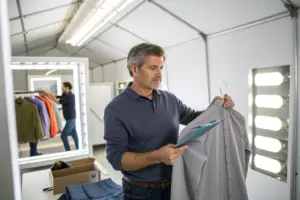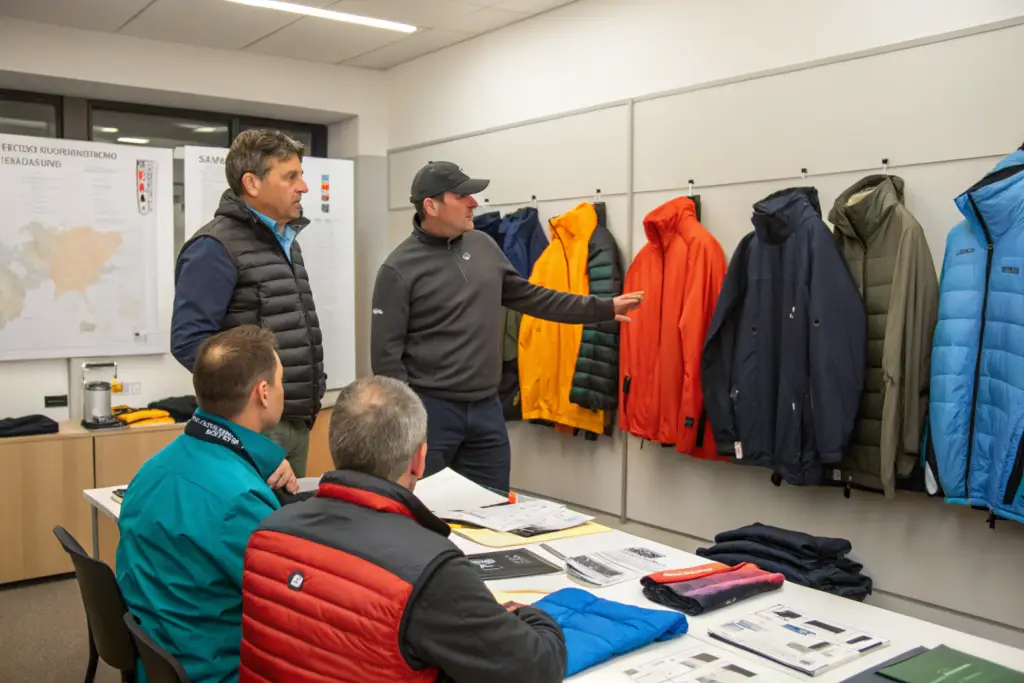
A brand came to us last winter with a serious problem. Their new batch of waterproof golf jackets, produced by another factory, had failed a retail compliance audit. The issue? The factory had used an OEKO-TEX certified shell fabric, but the laminated membrane, the seam tape, and the DWR (Durable Water Repellent) finish were non-compliant. The jackets were legally unsellable in their target European market, resulting in a total loss of over $80,000. The supplier's response was, "But the main fabric is certified." This critical misunderstanding highlights a dangerous gap in technical knowledge.
Many suppliers do not fully understand the specific, stringent requirements for OEKO-TEX certification in golf outerwear. Outerwear is a multi-layer, multi-material system where every component—from the outer shell and insulation to zippers, tapes, and coatings—must be compliant. A supplier who only checks the main fabric is setting your brand up for catastrophic failure, both financially and reputationally.
Ensuring your supplier has this depth of understanding is not a detail; it's the most important factor in your outerwear project's success. Let's break down what true comprehension looks like.
What Are the Critical OEKO-TEX Requirements Specific to Outerwear?
Leading paragraph: Golf outerwear—jackets, vests, rain suits—faces unique environmental stresses: rain, wind, sweat, and repeated folding. The chemicals used to achieve weatherproofing and insulation are often more complex than those in a simple polo shirt. The OEKO-TEX standards reflect this complexity with specific, stricter limits for certain substance groups in products classified for "limited skin contact" or "no skin contact."
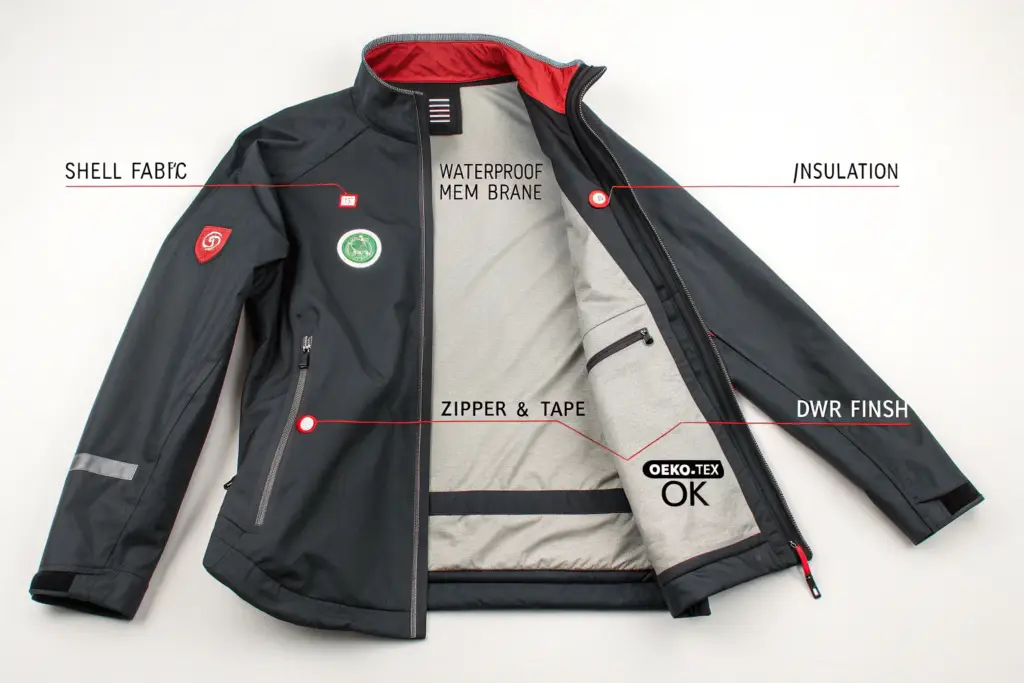
Featured paragraph: The critical OEKO-TEX requirements specific to outerwear center on chemicals used in functional finishes and multi-layer constructions. Key areas include:
- Waterproof/Breathable Membranes: Laminates (e.g., PTFE, TPU) must be tested for plasticizers like phthalates and heavy metals.
- DWR Finishes: Historically based on PFCs/PFAS ("forever chemicals"), which are now severely restricted. Compliant alternatives (e.g., C6 or C0 DWR) must be used.
- Insulations: Synthetic fills (polyester) or treatments on natural fills (down) must be free from restricted substances.
- Laminating Adhesives & Seam Tapes: Often overlooked, these must also be compliant.
A supplier who truly understands this will provide a Bill of Materials (BOM) with full OEKO-TEX compliance statements for every single component, not just the face fabric. At Shanghai Fumao, our technical team creates a compliance matrix for every outerwear order, tracking each component's certificate down to the thread.
How Do Product Class Definitions (I-IV) Impact Outerwear?
OEKO-TEX classifies products into four classes based on skin contact. Misclassification is a common error.
- Class I: Baby items.
- Class II: Garments with direct skin contact (e.g., polo shirts).
- Class III: Garments with little or no direct skin contact. This is the correct class for most lined golf jackets and vests.
- Class IV: Decoration materials (e.g., umbrellas).
A supplier certifying a lined jacket as Class II is either ignorant or attempting to use a less strict (and incorrect) certificate. Class III has different limit values, particularly for substances relevant to outerwear finishes. Always verify the product class on the certificate matches the garment's use.
What Are the Most Common Non-Compliant Components?
Based on our audit experience, the most frequent failures are:
- Zippers and Snaps: Often contain over-limit nickel or lead.
- Laminated Membranes: Can contain restricted plasticizers.
- Printed Logos or Graphics: The inks used may contain banned azo dyes or phthalates.
- Sewing Thread and Elastic: Treated with non-compliant softeners or dyes.
A savvy supplier will have pre-vetted, certified sources for these components or will batch-test them before committing to production.
How to Test Your Supplier's Technical Knowledge?
Leading paragraph: You can't take a supplier's word for it. You need to probe their understanding with specific, technical questions that go beyond a simple "yes, we can do OEKO-TEX." Their answers will reveal whether they have procedural depth or are just repeating a sales mantra.
Featured paragraph: Test your supplier's knowledge by asking scenario-based and component-specific questions. For example: "If I want a jacket with a 10k/10k waterproof rating, how do you ensure the lamination adhesive and seam tape are OEKO-TEX compliant?" or "What is your process for verifying the compliance of down insulation, including the antimicrobial treatment?" Listen for answers that mention supplier declarations, component test reports, and in-house verification testing. A knowledgeable supplier will ask you detailed questions about your target market's regulations (e.g., EU vs. USA) and the intended product class.

What Questions Should Be on Your Supplier Qualification Checklist?
Incorporate these into your RFQ (Request for Quotation) or initial call:
- Can you provide a component-level compliance matrix for a sample outerwear tech pack?
- Do you have in-house testing capability for basic checks (e.g., pH, formaldehyde) before sending for official certification?
- How do you manage chemical inventory for finishes and washes to ensure only compliant chemicals are used?
- Can we visit or have a virtual audit of your fabric and trim storage to see segregation of certified vs. non-certified materials?
A supplier's willingness and ability to answer these questions in detail is a strong positive indicator.
What Are the Red Flag Responses?
Be extremely wary of these answers:
- "Our factory is certified, so all products are covered." (Certification is product-specific.)
- "The fabric mill handles all that; we just make the garment." (They are abdicating control of the supply chain.)
- "We use the same components for all orders; they should be fine." (Lack of specific due diligence.)
- Inability to provide previous examples of successfully certified outerwear with full documentation.
Why is a "Full-Package" Supplier Critical for Outerwear Compliance?
Leading paragraph: For a simple t-shirt, you might source fabric and trims separately. For outerwear, this fragmented approach is a recipe for disaster. The complexity of sourcing a dozen compliant components from different vendors and then ensuring they are assembled correctly under a single certification is monumental. The risk of a single non-compliant snap failing the entire batch is too high.
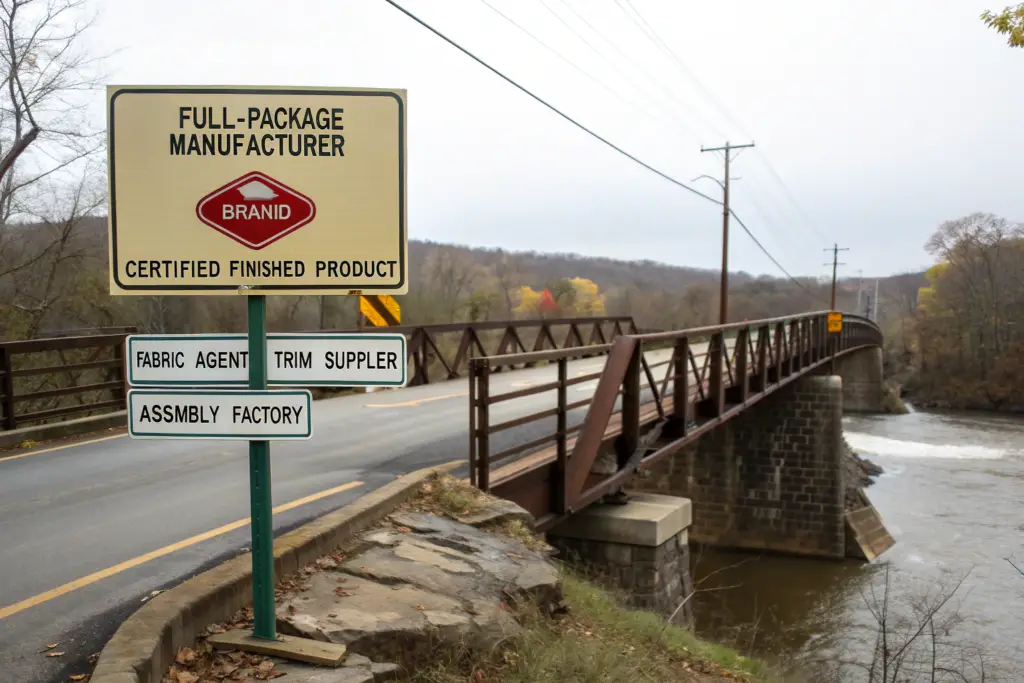
Featured paragraph: A full-package manufacturer is critical because they assume single-point responsibility for the entire supply chain and production process. They source all components—shell, membrane, insulation, lining, zippers, pulls, cords, tapes—from their vetted network of certified suppliers. They control the lamination, sewing, and finishing processes to prevent cross-contamination. Finally, they submit the complete, finished garment for OEKO-TEX certification. This holistic control is the only way to guarantee that the jacket that leaves the factory is truly, entirely compliant. Our full-package manufacturing model at Shanghai Fumao is built on this principle, especially for complex items like golf outerwear.
How Does This Model Prevent "Certificate Falsification" Risks?
The integrated model drastically reduces this risk. Because the factory controls the entire material flow, there is no opportunity for a sub-supplier to substitute a non-compliant material without detection. All materials arrive with traceable documentation and are checked upon receipt. The factory's internal quality management system is audited around this controlled process. This creates a transparent, verifiable chain of custody that is your best defense against fraud.
What Are the Cost and Time Efficiencies?
While a full-package supplier may not always offer the absolute lowest price, they deliver the lowest total cost of ownership. They prevent the massive costs of failed shipments, re-production, and lost sales. They also save you immense time and administrative burden by being the single point of contact for all compliance and logistics issues, from sourcing to DDP (Delivered Duty Paid) delivery. The efficiency gained in managing one partner versus six is a significant competitive advantage.
What Documentation Should You Demand Beyond the Certificate?
Leading paragraph: The final OEKO-TEX certificate is the destination. But to trust that destination, you need to see the entire journey. Comprehensive documentation is the map that proves your supplier knows the route and has followed it meticulously.
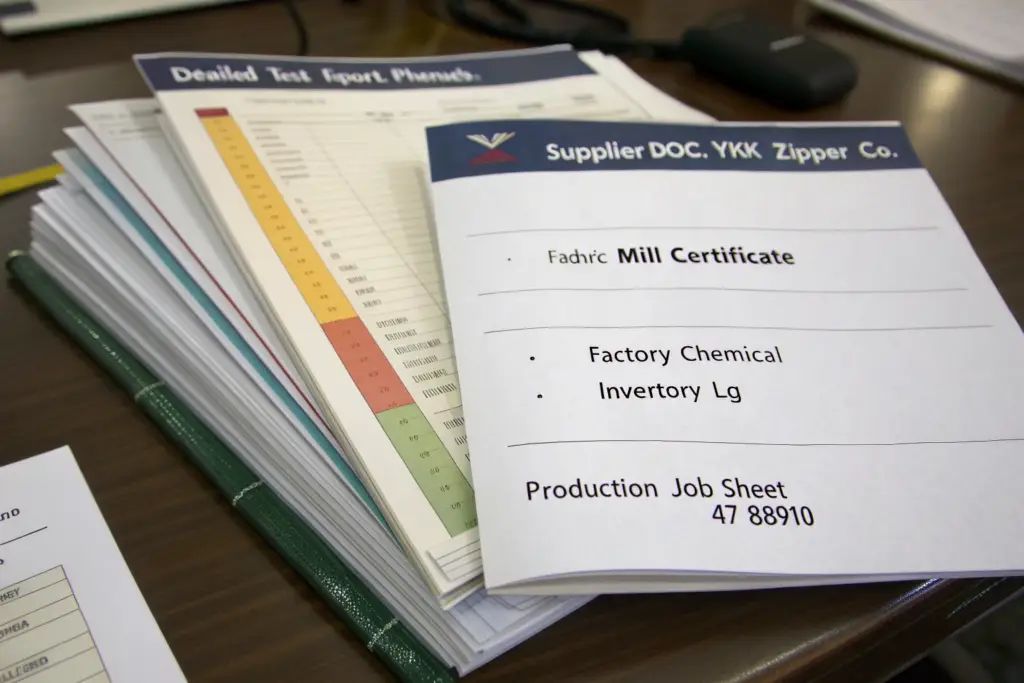
Featured paragraph: Beyond the final product certificate, you must demand:
- OEKO-TEX Test Reports: The detailed lab reports showing actual numerical results for each parameter, not just a pass/fail.
- Supplier Declarations of Conformity (SDoC): From each component supplier (membrane, insulation, zipper provider).
- Mill Test Reports: For the shell fabric, lining, etc., even if they are part of the final certification.
- Chemical Inventory List: From the factory's chemical store, showing only compliant dyes and auxiliaries are available for use.
- Production Batch Records: Linking the certified components to your specific production order.
A competent supplier will provide this as a standard compliance dossier. We provide this complete package to all our outerwear clients at Shanghai Fumao, as it forms the bedrock of a trustworthy partnership.
How to Verify the Chain of Custody for Insulation and Membranes?
For critical components like waterproof membranes or premium down insulation, request the transaction certificates from the component supplier to your factory. These documents, often part of a system like GRS (Global Recycled Standard) or RDS (Responsible Down Standard), provide audited proof that the specific batch of material delivered is covered by a valid OEKO-TEX certificate. This is a level of traceability that separates serious suppliers from the rest.
Consider this an absolute deal-breaker. Refusal to share documentation signals either a lack of proper systems (incompetence) or something to hide (risk). Transparency is non-negotiable in certified manufacturing. Your brand's liability and reputation are on the line; you have every right to full visibility.
Conclusion
The question, "Does your supplier understand OEKO-TEX for outerwear?" is perhaps the most critical one you can ask. True understanding goes far beyond a generic certificate. It encompasses a deep, procedural knowledge of multi-material compliance, a controlled and transparent supply chain, and a commitment to documentation that proves every layer of your garment is safe.
For golf outerwear, where performance and protection are paramount, compromising on this understanding is not an option. The risks are too great, and the rewards for getting it right—a flawless, reputable, bestselling product—are too significant.
Don't leave your brand's integrity to chance. Partner with a manufacturer whose comprehension is as multi-layered as your product. At Shanghai Fumao, we specialize in the complex dance of certified outerwear production, ensuring every seam, zip, and layer meets the mark. Contact our Business Director Elaine to discuss your next outerwear project with confidence: elaine@fumaoclothing.com. Let's build jackets that protect both the golfer and your brand.