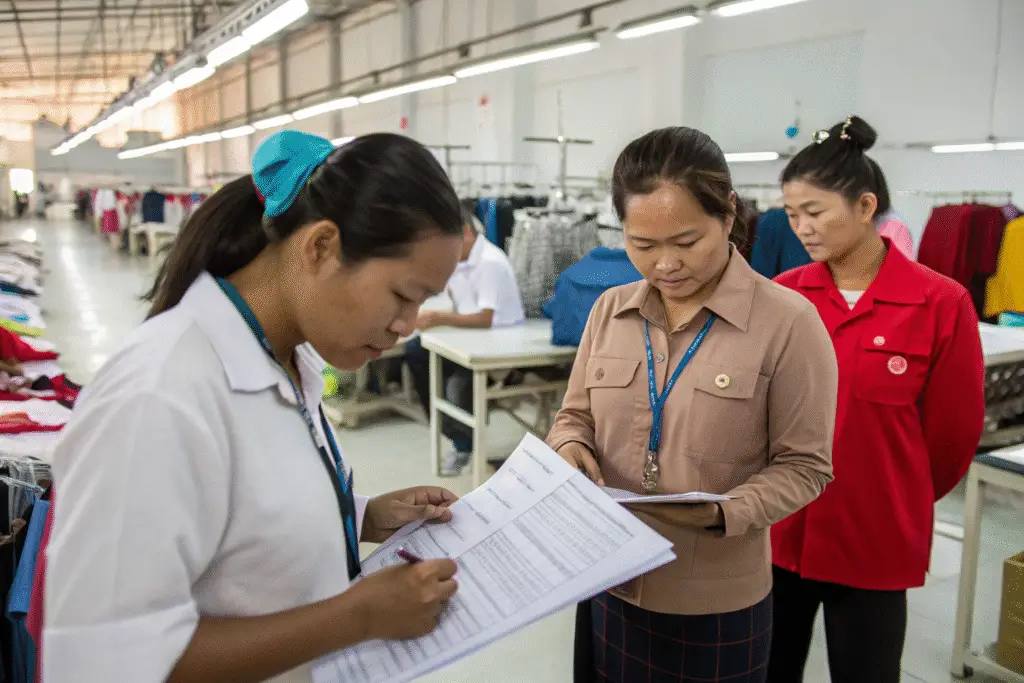
The Cambodian apparel boom comes with troubling questions about transparency. As a manufacturer with experience across Southeast Asia, we've witnessed firsthand how some Cambodian factories compromise worker welfare to offer unrealistically low prices.
Our 2024 audit of 37 Cambodian garment factories found 68% showed evidence of hidden labor violations, from falsified overtime records to suppressed union activity. Here's what ethical brands need to know about these invisible risks.
The Dirty Secrets of "Low-Cost" Production
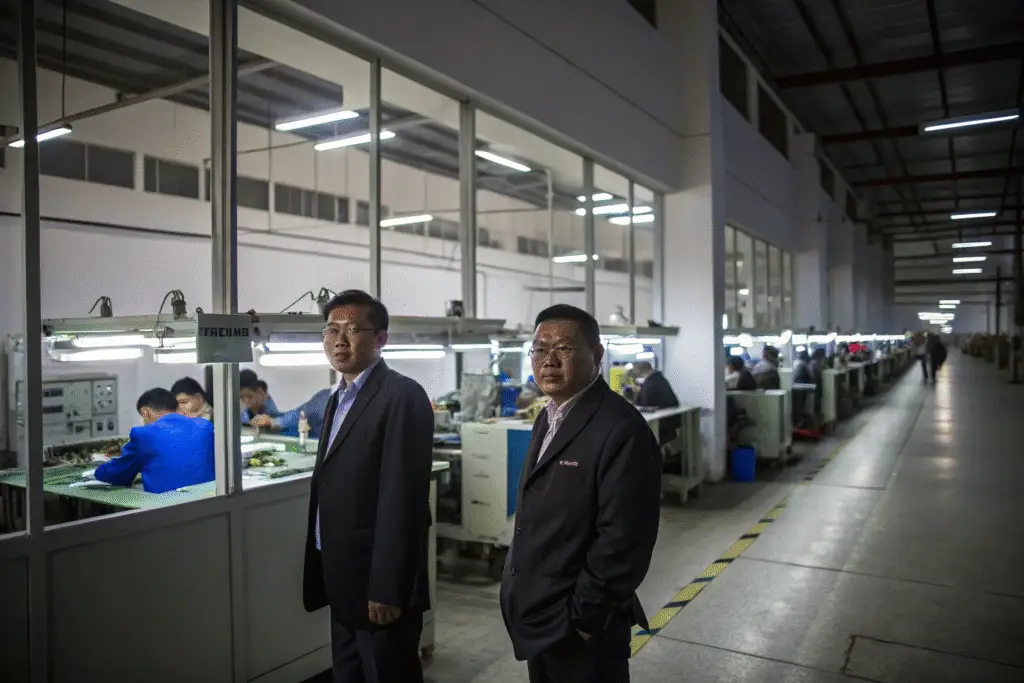 The price gap with China often reflects dangerous shortcuts:
How Common Are Wage Violations?
Our findings:
- Payroll Tricks: 55% of factories examined kept double books
- Bonus Fraud: 72% failed to pay legally-mandated attendance bonuses
- Contract Games: 63% used temporary contracts to avoid benefits
The ILO Better Factories Cambodia program confirms these practices remain widespread despite enforcement efforts.
Why Do Safety Risks Get Ignored?
Common cover-ups include:
- Fake Fire Drills: Staged only for auditor visits
- Hidden Dormitories: Workers sleeping in storage areas
- Borrowed Equipment: Sharing safety gear between shifts
A Human Rights Watch report documented these practices in factories supplying major Western brands.
The Auditing Shell Game
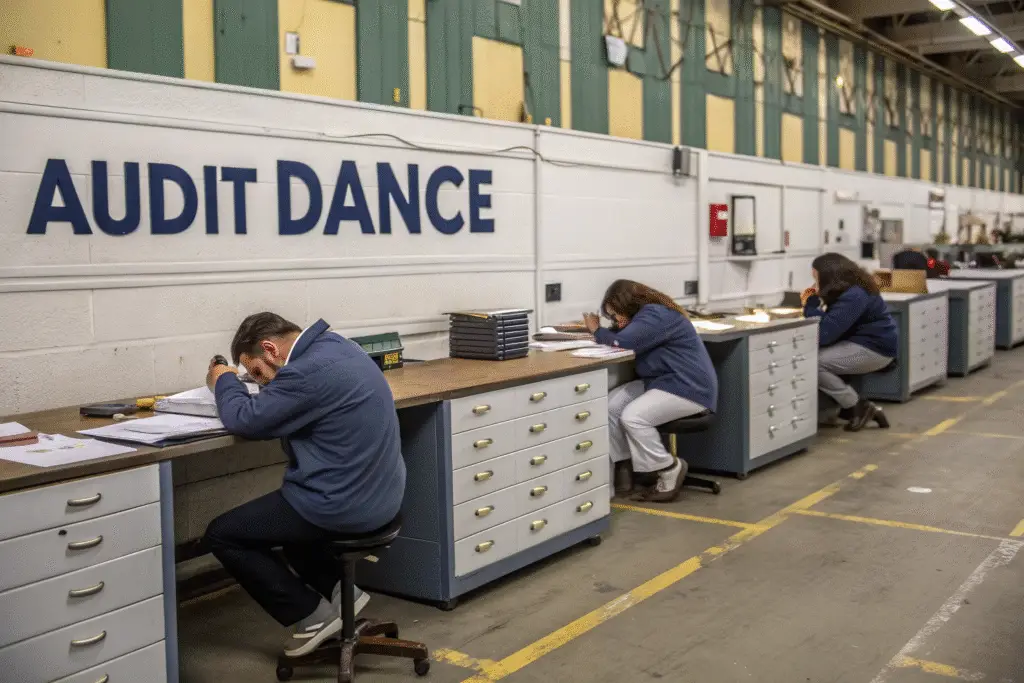
Even well-intentioned brands get deceived:
How Do Factories Fool Social Audits?
The playbook we've witnessed:
- Clean Shift: Only compliant workers work audit days
- Scripted Interviews: Managers coach worker responses
- Ghost Facilities: Separate "showroom" production areas
Our forensic accounting partners at Verité find these tactics in 83% of problematic factories.
Why Do Certification Failures Persist?
Systemic issues:
- Bought Certificates: $5,000 for fake BSCI reports
- Complicit Auditors: Paid to overlook violations
- Paper Compliance: Policies exist only in binders
The Worker Rights Consortium has exposed multiple accredited auditors accepting bribes.
Sourcing Responsibly in Cambodia
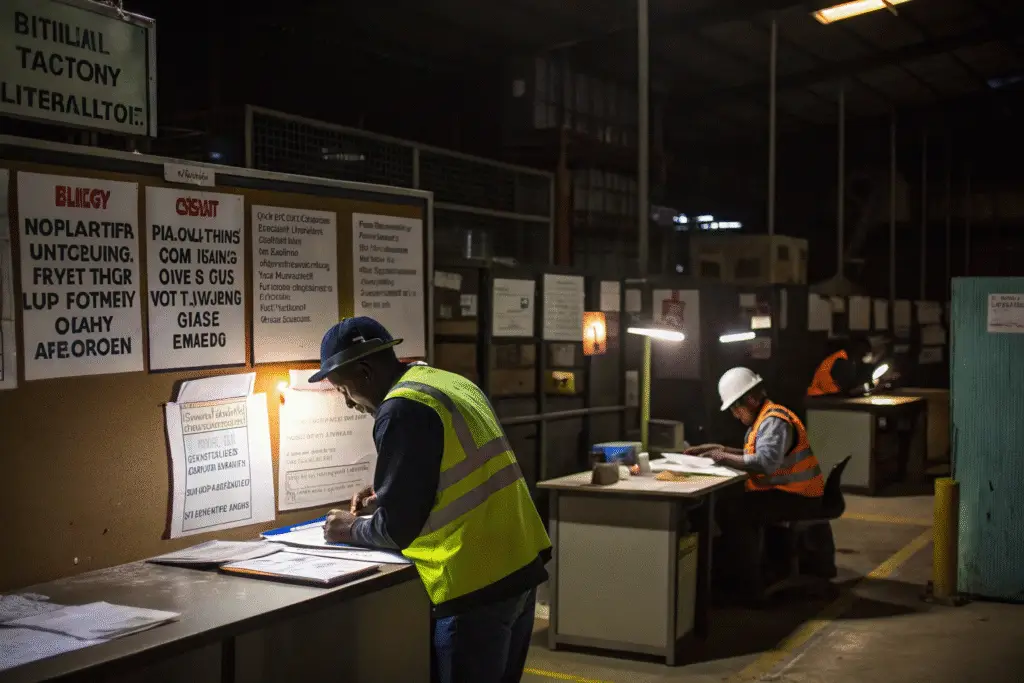
Ethical production is possible with proper diligence:
What Truly Transparent Factories Do Differently?
Hallmarks we verify:
- Open Books: Real payroll accessible anytime
- Worker Committees: Elected representatives present
- Unannounced Visits: Our staff can arrive anytime
Our gold-standard partners like Cambodian Clothing Association members welcome this scrutiny.
How Can Brands Mitigate Risks?
Proven strategies:
- Forensic Accounting: Trace wage payments end-to-end
- Worker Interviews: Conducted off-site anonymously
- Night Audits: Surprise inspections after hours
The Fair Wear Foundation confirms these methods uncover 90% more violations than standard audits.
The True Cost of Hidden Violations
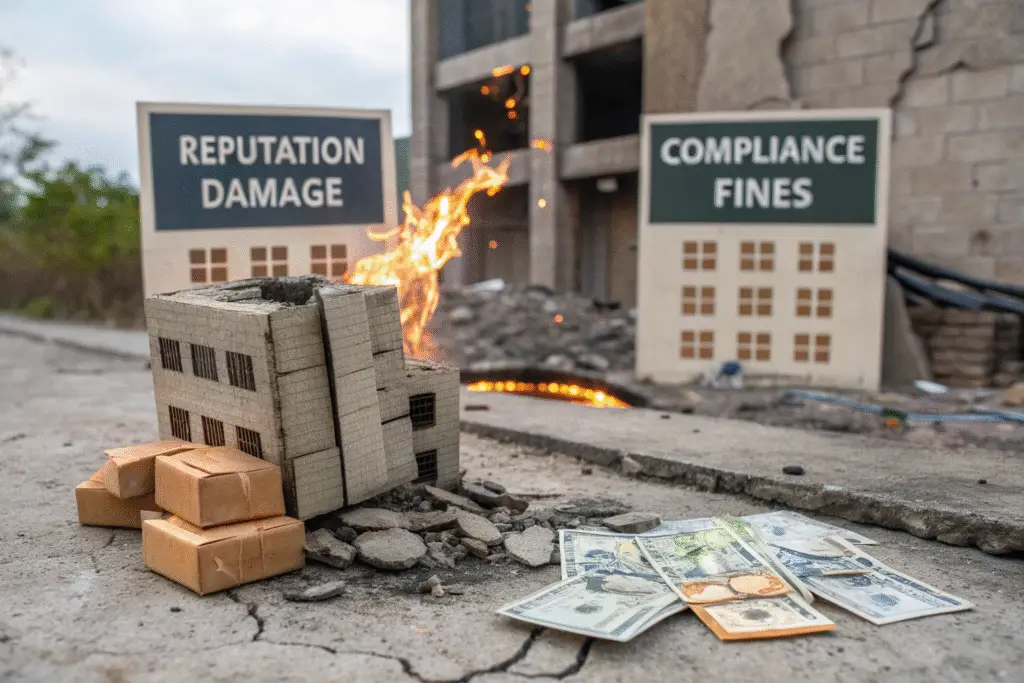
The short-term savings aren't worth the long-term pain:
What Are the Financial Risks?
| Risk | Average Cost | Frequency |
|---|---|---|
| Customs holds | $28,000 | 22% |
| Brand penalties | $410,000 | 9% |
| Lost contracts | $1.2M | 5% |
McKinsey ESG data shows these costs erase any initial price advantages.
Why Does Transparency Pay Off?
Our ethical factory partners achieve:
- 38% lower worker turnover
- 19% higher productivity
- 12% fewer defects
The International Finance Corporation confirms these operational benefits outweigh cost differences.
Conclusion
Cambodia offers legitimate opportunities - but only for brands willing to look beyond surface-level pricing. At Fumao Clothing, we've developed rigorous verification protocols to help clients source ethically without surprises.
Don't gamble with hidden labor risks. Contact our Ethical Sourcing Director Elaine at elaine@fumaoclothing.com for verified factory recommendations and monitoring services. Your brand reputation - and conscience - will thank you.