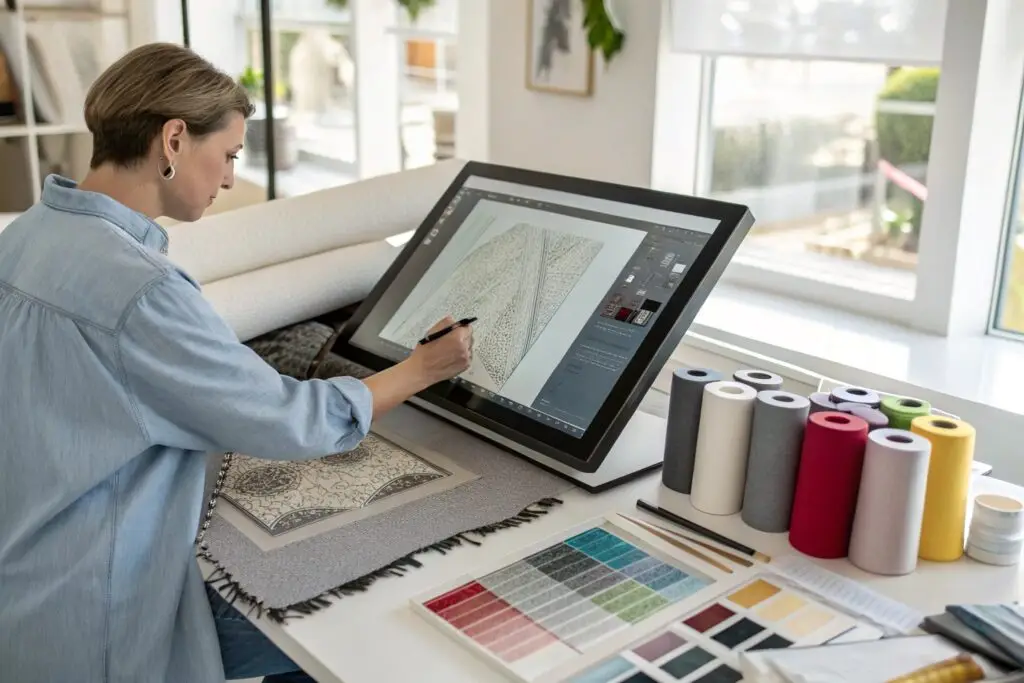
Have you ever received a fabric order that looked nothing like what you imagined? Misinterpretations in texture, color, and pattern can lead to costly production errors and wasted materials.
Digital fabric visualization tools eliminate these uncertainties by providing accurate, real-time fabric simulations before production even begins. These technologies help designers and manufacturers align expectations with reality, ensuring precision and efficiency.
Top Digital Tools for Accurate Fabric Visualization
Which digital tools provide the most precise fabric visualizations? With advancements in 3D modeling and AI-driven texture mapping, designers can now preview fabrics in real-time, eliminating guesswork and costly errors.
Modern fabric visualization tools such as CLO 3D, Browzwear, and Adobe Substance allow for hyper-realistic fabric rendering. These solutions integrate seamlessly with digital design workflows, enhancing speed and accuracy in textile selection.
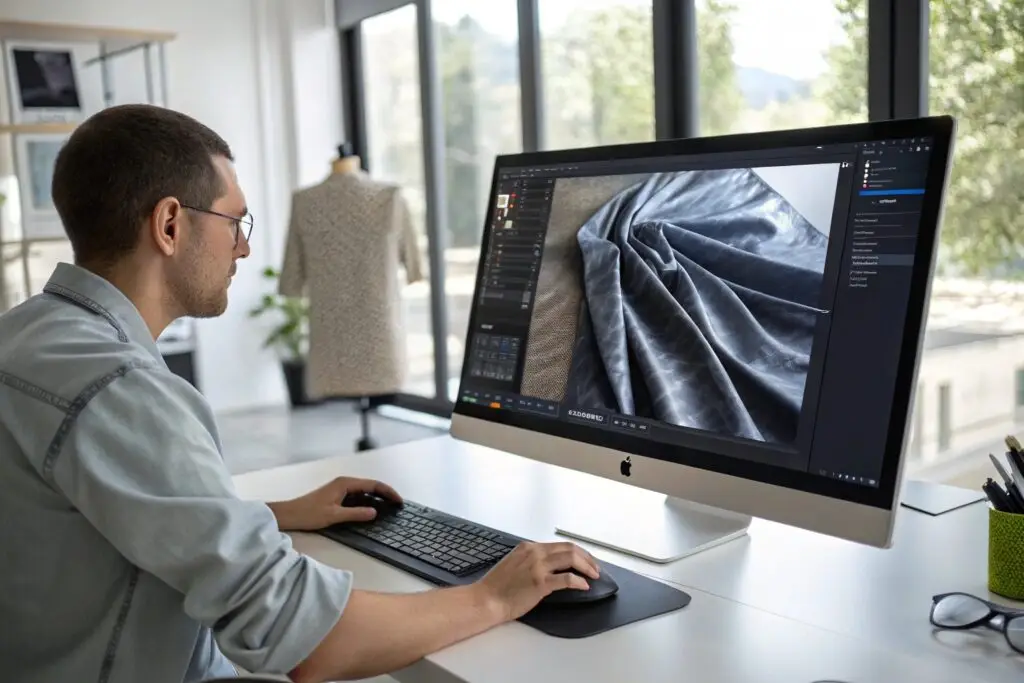
Leading Digital Fabric Visualization Tools
| Tool | Key Features | Best For |
|---|---|---|
| CLO 3D | 3D garment simulation1, realistic draping | Fashion designers, pattern makers |
| Browzwear | Digital fabric physics, virtual prototyping | Apparel manufacturers, brands |
| Adobe Substance | AI-driven texture mapping, material realism | Textile designers, game developers |
| Swatchbook | Cloud-based fabric library, color accuracy | Sourcing teams, fashion brands |
| Tukatech | Fabric draping simulations, CAD integration | Technical designers, manufacturers |
How Technology Enhances Fabric Selection for Designers
How can designers leverage technology to improve fabric selection? Traditional fabric sourcing relies on physical swatches, which can be time-consuming and limiting in variety.
With digital fabric tools, designers can explore thousands of material options instantly, adjusting textures, colors, and drape behavior in real-time. This streamlines the design process and ensures fabric choices align with the final vision.

Advantages of Digital Fabric Visualization
- Speed & Efficiency2 – Instantly preview fabrics without waiting for physical samples.
- Cost Savings3 – Reduces the need for excessive sampling and physical swatches.
- Sustainability4 – Minimizes material waste and carbon footprint in sourcing.
- Enhanced Collaboration – Allows teams to share digital fabric previews globally.
Bridging Design and Reality with Fabric Simulation Software
How does fabric simulation software bridge the gap between concept and production? Fabric appearance can change dramatically based on lighting, movement, and garment construction.
Advanced simulation software replicates real-world fabric behavior, allowing designers to visualize how materials will drape and react in different conditions. This ensures the final product aligns perfectly with the original vision.
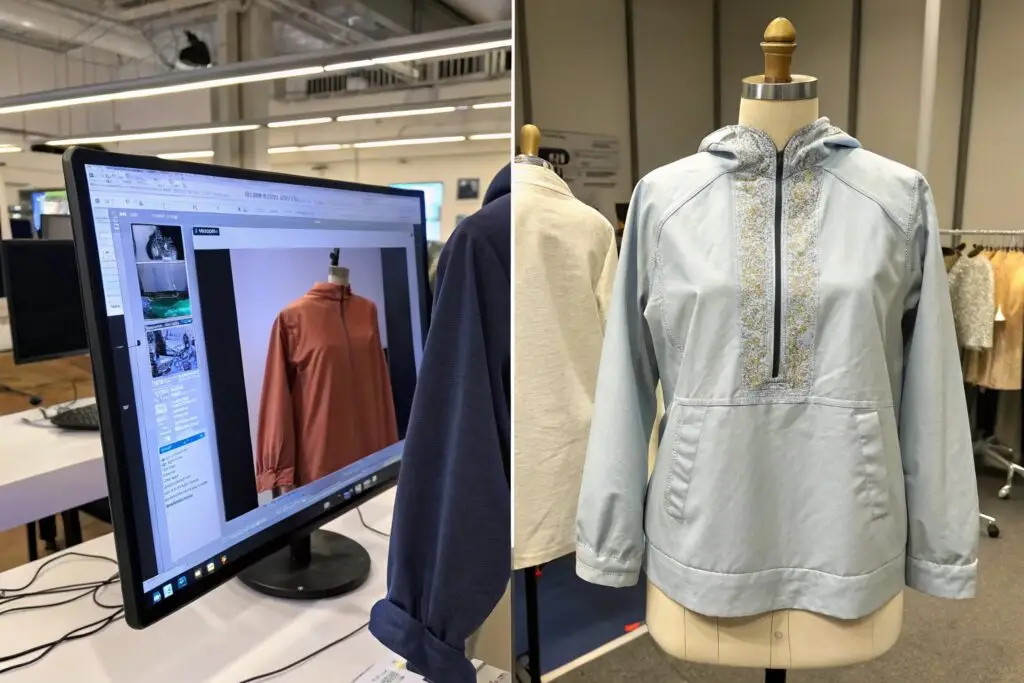
How Fabric Simulation Software Works
| Feature | Function | Benefit |
|---|---|---|
| Texture Mapping5 | Replicates fabric surface details | Provides hyper-realistic visualizations |
| Drape Simulation6 | Mimics real-world fabric movement | Ensures garment fit accuracy |
| Light Reflection Analysis | Shows how fabric reacts to light | Improves color consistency in production |
| AI-Driven Adjustments7 | Predicts material behavior | Reduces production trial and error |
Benefits of Digital Fabric Tools for Fashion Brands
Why are fashion brands investing in digital fabric visualization? Traditional sampling and physical prototypes are costly, time-consuming, and environmentally unsustainable.
Digital fabric tools allow brands to streamline production, reduce waste, and create more accurate designs before physical sampling. This enhances efficiency and sustainability in the fashion industry.
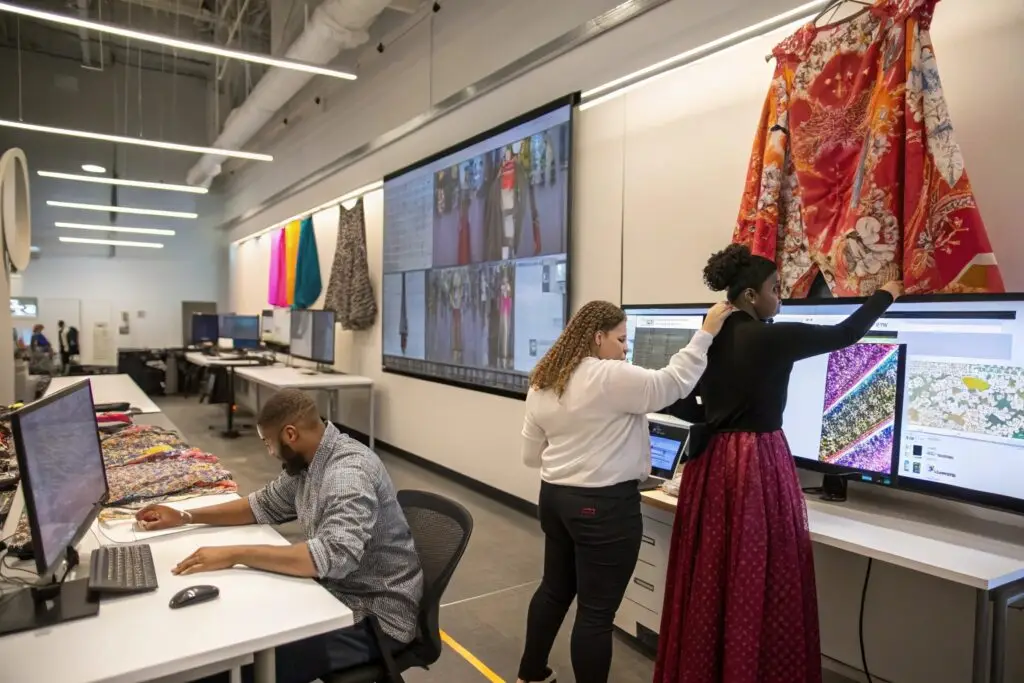
Key Benefits for Fashion Brands
- Faster Design to Production Cycles8 – Digital fabrics accelerate approval processes.
- Reduced Material Waste9 – Eliminates unnecessary fabric production.
- Increased Cost Efficiency10 – Cuts down on sampling and logistics expenses.
- Improved Quality Control – Ensures consistency between digital designs and final products.
Conclusion
Digital fabric visualization tools are revolutionizing the textile industry, bridging the gap between design concepts and real-world production. By adopting these technologies, designers and brands can enhance efficiency, reduce costs, and create more sustainable fashion products.
-
Explore how 3D garment simulation can revolutionize fashion design by enhancing creativity and efficiency. ↩
-
Understanding the advantages of speed and efficiency can enhance your design process and decision-making. ↩
-
Exploring cost-saving strategies can help businesses optimize their resources and improve profitability. ↩
-
Discover how digital solutions contribute to a more sustainable fashion industry and reduce environmental impact. ↩
-
Understanding Texture Mapping can enhance your knowledge of realistic fabric visualizations, crucial for designers and manufacturers. ↩
-
Exploring Drape Simulation will help you grasp how it affects garment fit, essential for fashion design and tailoring. ↩
-
Learning about AI-Driven Adjustments can reveal how technology optimizes production processes, saving time and resources. ↩
-
Explore how faster design cycles can enhance efficiency and innovation in fashion brands. ↩
-
Learn about sustainable practices in fashion and how they can lead to significant cost savings. ↩
-
Discover effective strategies that can help fashion brands optimize their operations and reduce costs. ↩