In 2025, the fashion and apparel industry is moving at breakneck speed. But one thing still slows down even the most agile brands:
🧾 Customs paperwork.
From commercial invoices to HTS codes, from country of origin declarations to compliance certificates, one missed or mismatched form can delay an entire shipment for days or weeks—costing both time and reputation.
The good news? New tools and smarter strategies are now streamlining US customs clearance for apparel importers.
What Are the Core Documents Required for US Apparel Imports?
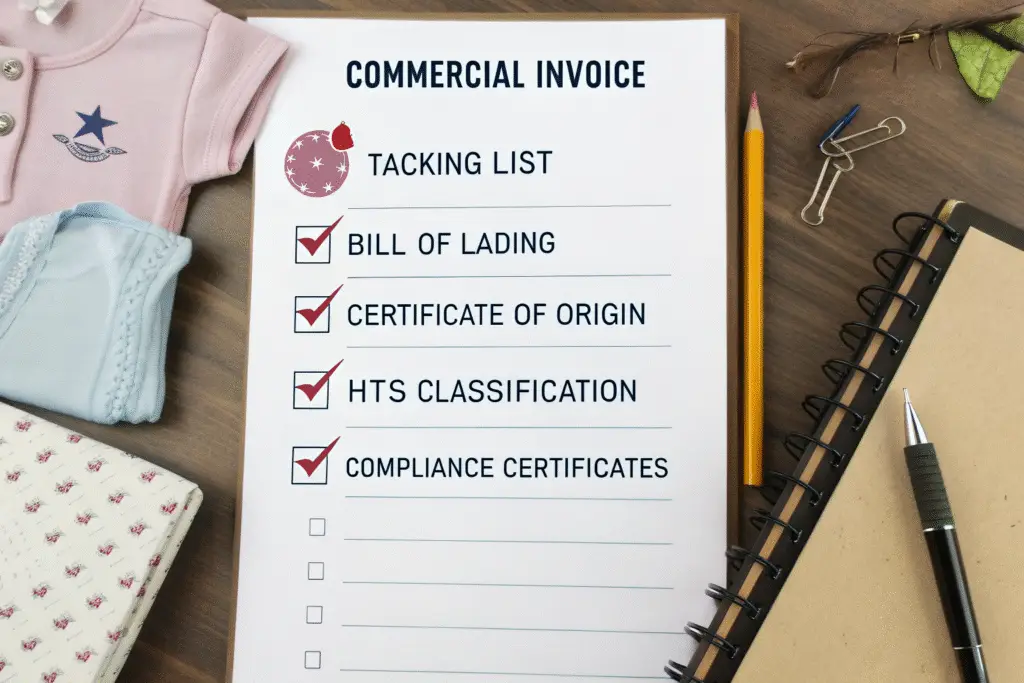
To avoid inspection delays and penalties, apparel importers must prepare and validate the following six key documents:
1. Commercial Invoice
- Includes full buyer/seller names, product details, total value, and currency.
- Must clearly separate dutiable and non-dutiable charges.
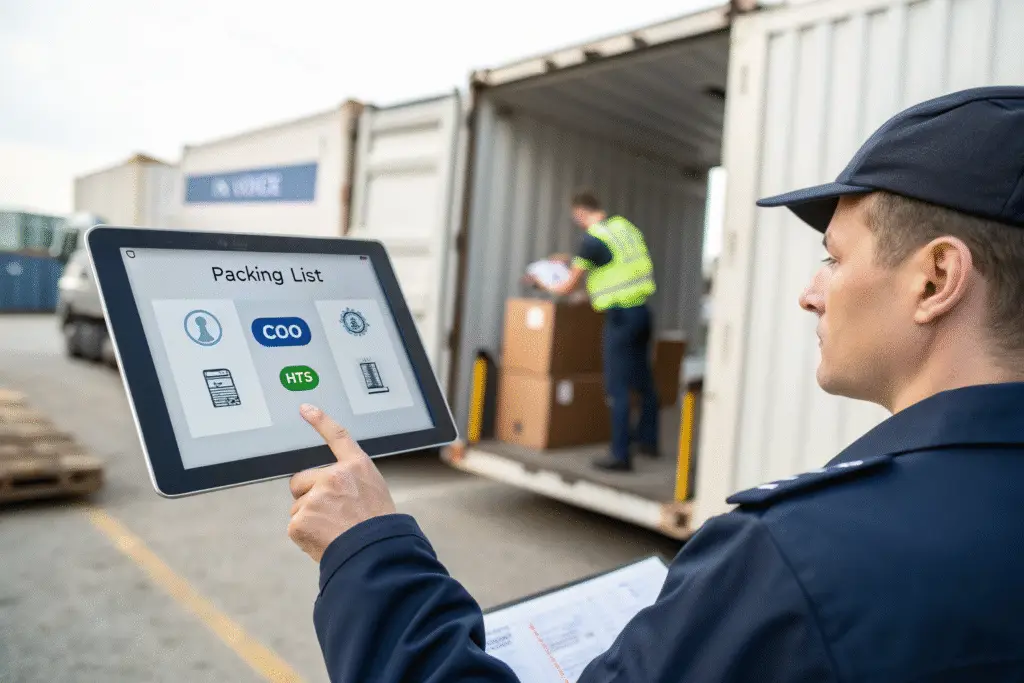
2. Packing List
- Lists the quantity, net/gross weight, and packaging method of each product.
- Must match the commercial invoice line-for-line.
3. Bill of Lading (BOL) or Airway Bill (AWB)
- Proof of shipment issued by the freight carrier.
- Should reference the correct shipment number for port visibility.
4. Country of Origin Certificate (COO)
- Determines tariff eligibility and trade agreement benefits (e.g., GSP, USMCA).
- Rules vary for blended garments—fiber origin matters!
5. HTS Code Declaration
- Every clothing item must be classified using 10-digit Harmonized Tariff Schedule codes.
- Incorrect classification can cause overpayment or fraud flags.
6. Compliance Certificates (If Applicable)
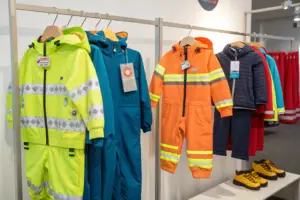
- For kidswear: CPSIA, flammability, lead content.
- For organic: GOTS or Oeko-Tex certification.
What’s Causing Apparel Clearance Delays in 2025?
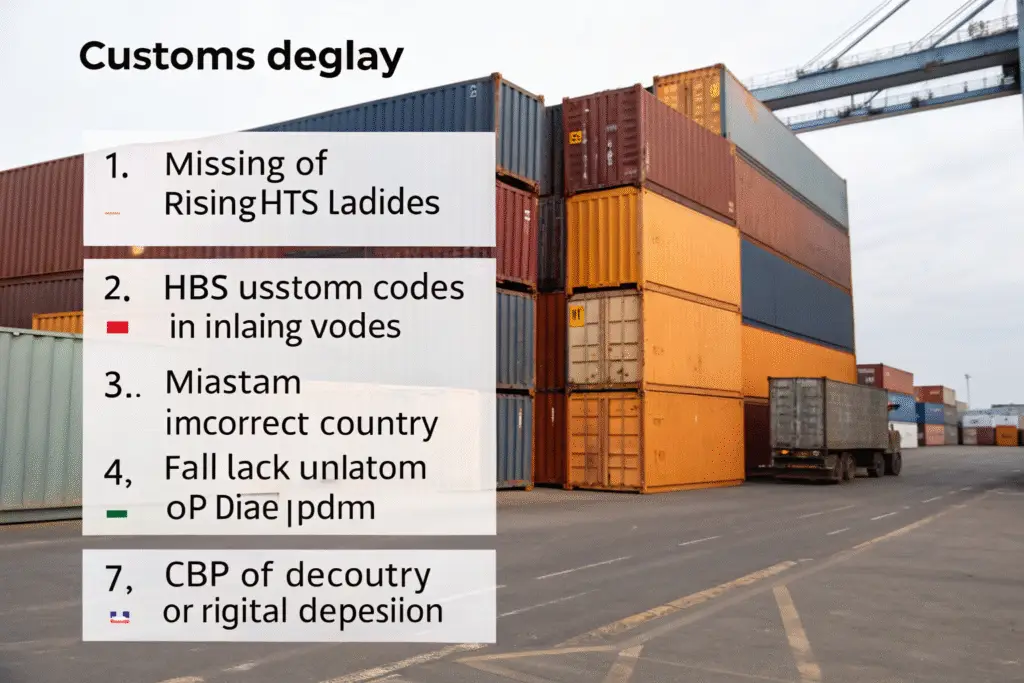
According to CBP and apparel freight forwarders, the top clearance obstacles this year include:
- ❌ HTS code misclassification (especially for blends and multi-part sets)
- ❌ Missing or inconsistent packing lists
- ❌ Conflicting COO data (esp. when fabric is from China but sewn in Vietnam)
- ❌ Failure to digitize documents in ACE (Automated Commercial Environment)
- ❌ Incomplete labeling / lack of textile fiber content declaration
Random inspections are rare—but documentation mismatches are the leading cause of “manifest hold” and “intensive exam” designations.
Digital Tools Now Speeding Up Apparel Clearance
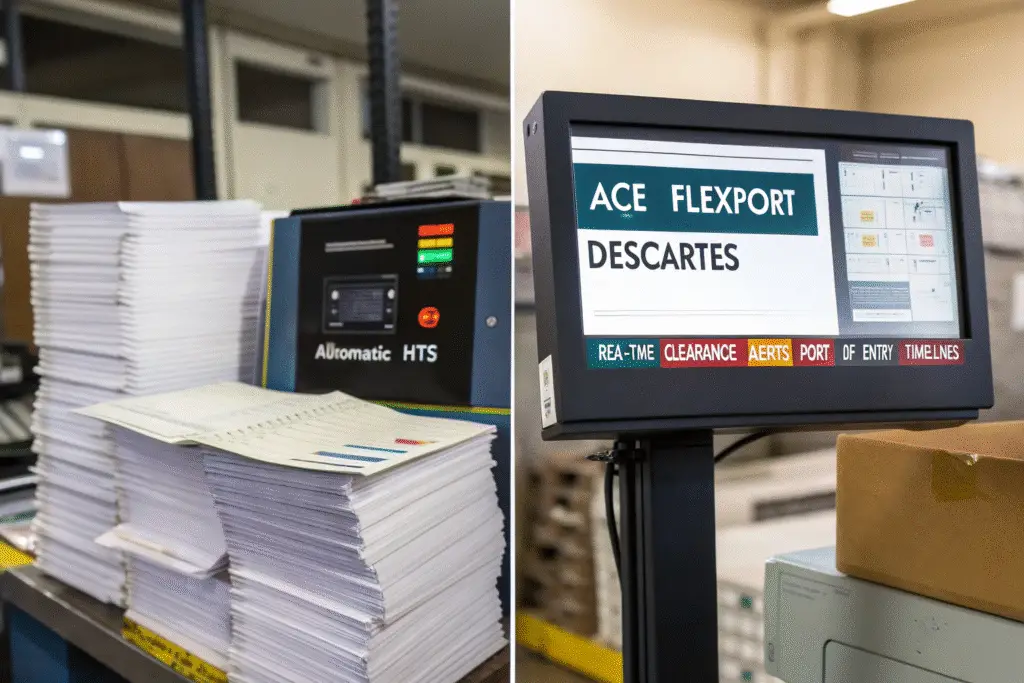
Thanks to digital integration, apparel brands and importers now have access to tools that reduce paperwork complexity and automate filing:
✅ ACE (Automated Commercial Environment)
- Required by US Customs for digital document uploads
- Integrates directly with brokers and freight forwarders
✅ Smart HTS Classification Tools
- Platforms like Descartes and Zonos help brands assign the correct code by garment type and fabric blend
✅ Importer Security Filing (ISF) Automation
- Ensures timely filing of 10+2 data elements 48 hours before vessel departure
- Violations can cost $5,000+ per shipment
✅ Digital COO Validation
- Blockchain-based certificates now accepted for certain countries like Vietnam and Indonesia
- Validates material traceability for ESG and compliance audits
✅ Customs Broker Dashboards
- Brokers like Flexport or Geodis now offer real-time customs clearance tracking, error flagging, and correction portals
Best Practices to Ensure Seamless Apparel Import Clearance
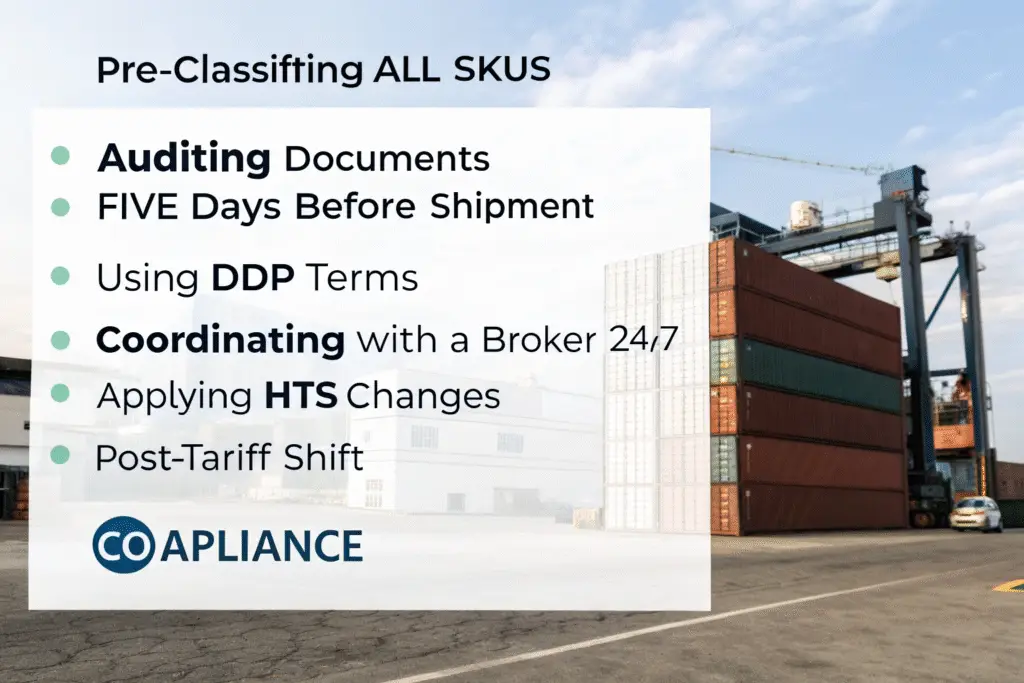
To avoid delays and unnecessary fees, apparel brands should:
🧩 1. Pre-Classify All Garments
- Don’t guess HTS codes—especially for blends (e.g., 60% cotton/40% poly vs. 40/60 matters!)
- Keep a verified code library tied to SKU database
🧩 2. Sync Invoice & Packing List Early
- Review documents at least 5 days before ETD to avoid port holds
- Ensure consistency in piece counts, fiber content, and declared values
🧩 3. Use DDP Terms Where Possible
- DDP (Delivered Duty Paid) ensures seller handles customs and compliance
- Ideal for small brands with limited logistics teams
🧩 4. Choose a Tech-Enabled Customs Broker
- Pick brokers that use ACE API tools, not just email or fax
- Look for brokers familiar with apparel-specific regulations
🧩 5. Watch for Tariff Code Updates
- HTS codes and duty rates are updated semiannually
- Always reconfirm your category post-tariff policy changes
Conclusion: Paperwork Isn’t Going Away—But It’s Getting Smarter
In 2025, apparel brands that automate customs paperwork will clear faster, avoid penalties, and maintain margin in a volatile market.
Whether you're shipping 500 custom tees or 50,000 units of techwear, digital customs compliance is now just as essential as good fabric or fit.
At FUMAO, we help clients:
- Assign accurate HTS codes by product and fabric
- Digitize COO documentation and ACE uploads
- Work with DDP-forward suppliers to simplify the process
📩 Want your next shipment to sail through customs? Reach out at elaine@fumaoclothing.com for a clearance audit and paperwork checklist customized for your apparel brand.