Thinking about launching your own clothing line or creating branded apparel for your company?
Custom apparel manufacturing allows you to create unique clothing products tailored to your brand’s identity, target audience, and quality standards.
If you want to stand out in today’s competitive fashion market, mass-produced designs won’t cut it. Let’s break down what custom apparel really means—and how to make the most of it.
What is custom made apparel?
Many people confuse custom apparel with just adding a logo—but it’s much more than that.
Custom made apparel refers to clothing that is designed, sized, and produced according to specific brand or client requirements, not generic mass-market templates.
What types of customization are typically offered?
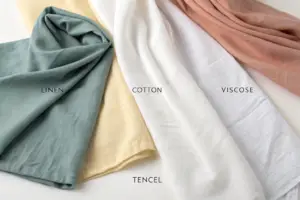
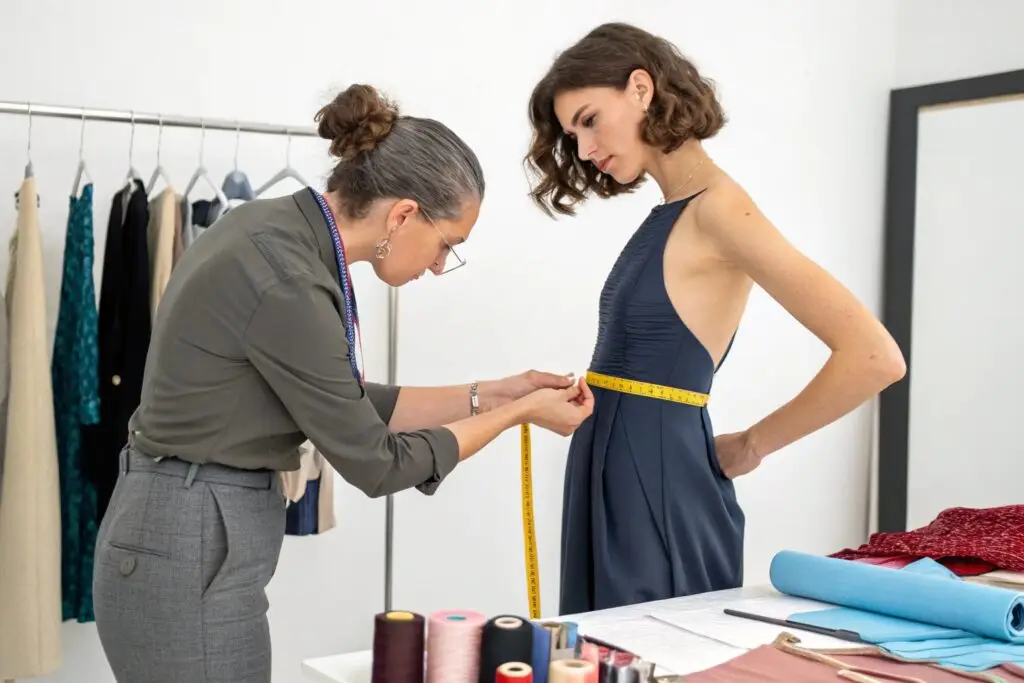
True custom apparel1 involves choices at every stage—fabric selection2, measurements, design, colors, trims, and labeling. You can customize the fit for your audience, match color palettes to your brand, and even request private label packaging3 for a premium unboxing experience.
Here are the most common customization options:
| Customization Option | Examples |
|---|---|
| Fabric | Organic cotton, spandex, blends |
| Design | Sleeves, neckline, pockets |
| Sublimation, screen print, embroidery | |
| Branding | Labels, tags, packaging |
Why does custom apparel matter more than ever today?
Consumers now demand personalization. In retail, customers look for exclusivity and story-driven design. In B2B, companies want staff uniforms that reflect professionalism and identity. Custom apparel meets both needs by giving brands full creative control.
What is the process of apparel manufacturing?
Understanding how custom apparel is made can help you plan your sourcing, budget, and launch timelines better.
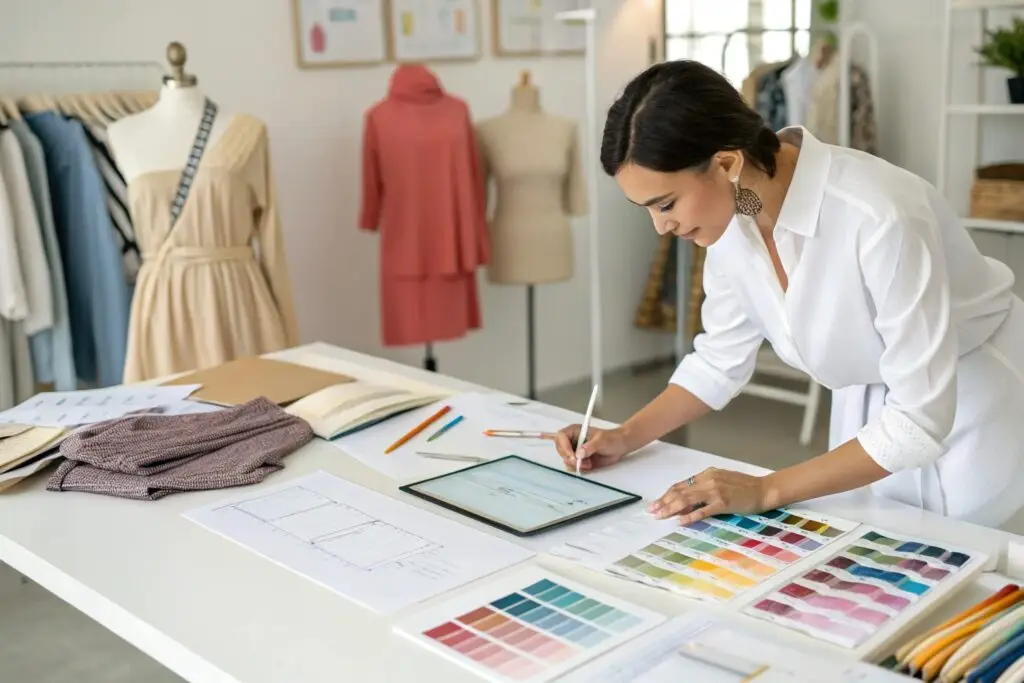
The custom apparel manufacturing process involves design, tech pack creation, sourcing, sampling, cutting, sewing, finishing, and shipping.
What are the key steps involved in making custom garments?
Custom clothing manufacturing is a step-by-step process that requires precision and communication. Here’s a simplified overview:
-
Design Development
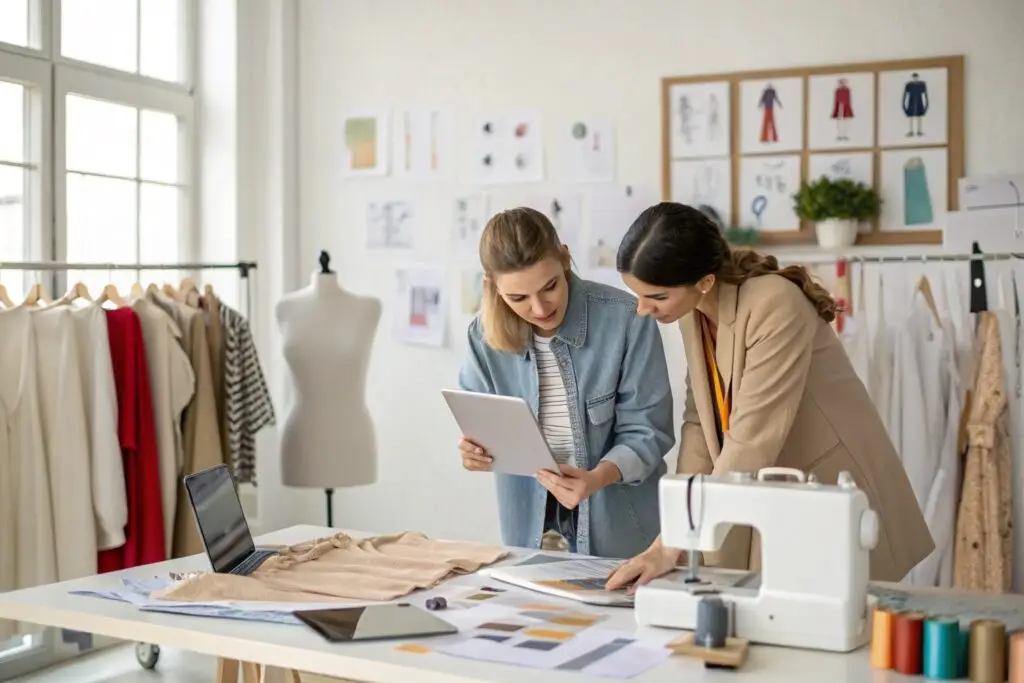
Start with sketches or digital mockups. These help communicate your vision. -
Tech Pack Creation4
A tech pack includes measurements, fabric details, stitching info, and trims. It’s the blueprint manufacturers follow. -
Fabric & Material Sourcing5
Manufacturers help you choose fabric based on feel, function, and cost. They also source zippers, buttons, and labels. -
Sampling6
A prototype is created based on your tech pack. This is your chance to test and revise before full production. -
Bulk Production
Once the sample is approved, bulk cutting and sewing begin. Quality control checks are done at every stage. -
Finishing & Packing
Trimming, ironing, folding, and packaging take place here. Products are labeled and boxed according to your branding. -
Shipping
Items are shipped based on agreed terms—FOB, CIF, or DDP. DDP is great if you want door-to-door delivery with customs handled.
How long does the full process take?
Timelines vary by order size and complexity. But typically:
- Sampling: 1–2 weeks
- Production: 3–6 weeks
- Shipping: 1–4 weeks depending on the destination
It’s smart to plan for at least 6–10 weeks from idea to delivery, especially if you're building a new brand.
What is a custom clothes maker called?
If you’ve heard terms like “tailor,” “cut-and-sew shop,” or “OEM,” you may wonder which is the right one.
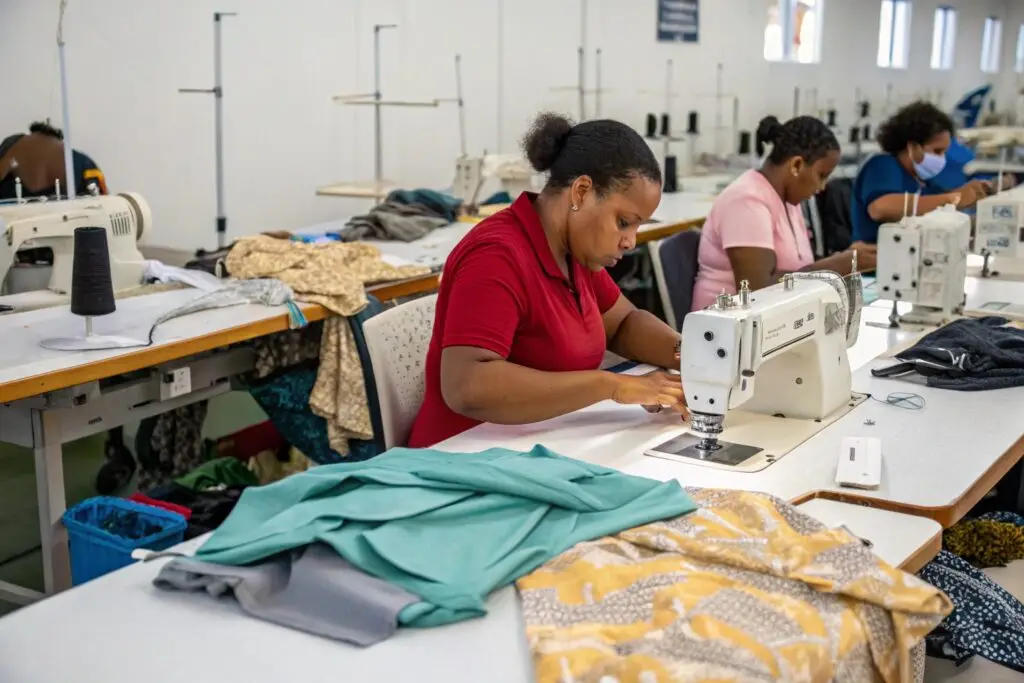
A custom clothes maker is commonly referred to as a “cut and sew manufacturer,” “OEM clothing factory,” or “private label clothing manufacturer.”
What’s the difference between tailors and custom clothing manufacturers7?
- Tailor: Makes garments one-by-one, often for individuals. Great for suits and alterations.
- Custom manufacturer: Makes apparel in batches based on your designs. Perfect for brands and retailers.
What roles exist within a custom clothing manufacturing company?
| Role | Responsibility |
|---|---|
| Pattern Maker8 | Creates clothing templates |
| Sample Room Team | Produces first pieces for approval |
| Production Manager | Oversees bulk manufacturing |
| Quality Control Inspector9 | Checks size, seams, labels, threads |
| Account Manager | Communicates with clients like you |
When you work with a professional manufacturer, you’re not just hiring a factory—you’re getting a team that helps bring your vision to life.
What products are offered by ZK International?
If you’re researching manufacturers, you may have come across ZK International. So, what do they actually offer?
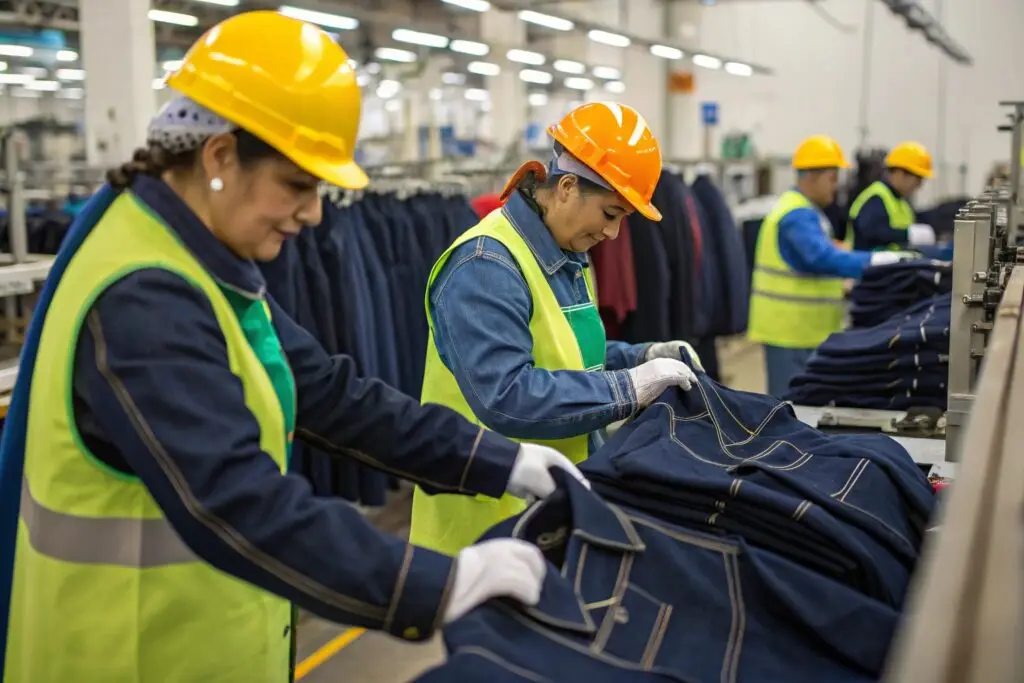
ZK International provides a wide range of apparel products including sportswear, casualwear, workwear, and school uniforms, with strong capabilities in custom design and branding.
What are ZK International’s key product categories?
ZK focuses on OEM and ODM services10, especially for medium and large clothing brands. Their product categories include:
| Product Category | Details |
|---|---|
| Sportswear | Leggings, tracksuits, gym sets, T-shirts |
| Uniforms | School, hospitality, corporate workwear |
| Casualwear | Hoodies, joggers, jackets, polos |
| Fashion Apparel | Streetwear, custom-cut styles, dresses |
What makes ZK International a popular choice?
- Flexible MOQs11: Ideal for growing brands
- In-house design team: Can help refine your ideas
- Custom branding: Tags, prints, embroidery
- DDP shipping available: Makes logistics easier
- Experience with global clients: Mainly Europe and North America
I’ve worked with factories like ZK that support small batches at first and scale when you grow. That flexibility is a game-changer when testing new markets.
Conclusion
Custom apparel manufacturing gives you the power to create products that are 100% aligned with your brand. Whether you’re working with a cut-and-sew partner or a full-scale factory like ZK International, understanding the process, terms, and benefits helps you build a stronger foundation for your business.
-
Explore how custom apparel can enhance brand identity and meet consumer demands for personalization. ↩
-
Discover the various fabric options available for custom apparel and how they impact quality and comfort. ↩
-
Learn about private label packaging and its role in creating a premium unboxing experience for customers. ↩
-
Understanding tech packs is crucial for effective communication with manufacturers and ensuring your designs are accurately produced. ↩
-
Choosing the right fabric is essential for the quality and feel of your garments; explore expert tips on fabric selection. ↩
-
The sampling stage is vital for testing designs before production; learn more about its importance and best practices. ↩
-
Explore this link to understand the nuances between custom clothing manufacturers and tailors, enhancing your knowledge in fashion production. ↩
-
Learn about the crucial role of a Pattern Maker in the manufacturing process, which is essential for creating well-fitted garments. ↩
-
Discover the importance of Quality Control Inspectors in ensuring high standards in garment production, vital for brand reputation. ↩
-
Understanding OEM and ODM services can help you choose the right manufacturing partner for your clothing brand. ↩
-
Exploring flexible MOQs can provide insights into how to scale your production effectively as your brand grows. ↩