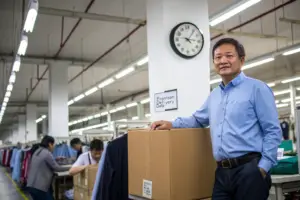
Starting a clothing brand is an exciting venture, but one of the biggest challenges is understanding the costs and processes involved in manufacturing apparel. Many entrepreneurs struggle to find reliable manufacturers, balance quality with cost, and navigate the complexities of apparel production.
The cost of working with a clothing manufacturer varies based on design complexity, fabric choice, and order volume. Apparel production involves multiple stages, including design, sampling, and mass production. Choosing the right manufacturing location impacts both quality and cost.
To succeed in the apparel industry, it's crucial to understand manufacturing costs, production steps, and the best locations for sourcing clothing. Let’s break down these key aspects.
How much does it cost for a clothing manufacturer?
Cost is a major factor when working with a clothing manufacturer. From material selection to production scale, many variables influence the final pricing.
The cost of clothing manufacturing ranges from $10 to $100 per garment, depending on fabric, design complexity, and production volume. Small-batch production costs more per unit, while bulk orders reduce costs.
What factors affect manufacturing costs?
Manufacturing costs depend on several factors. Understanding these helps you budget effectively and choose the right supplier.
| Factor | Impact on Cost |
|---|---|
| Fabric Type | Higher quality materials increase costs |
| Order Volume | Larger orders lower per-unit cost |
| Production Location | Factories in Asia are cheaper than those in the U.S. or Europe |
| Customization | Printing, embroidery, and labels add costs |
| Labor Costs | Countries with lower wages offer cheaper production |
Can you manufacture clothing on a low budget?
Yes! Many startups begin with print-on-demand services, requiring zero upfront costs. If you prefer full customization, working with a low MOQ (Minimum Order Quantity) factory helps reduce costs while maintaining brand control.
What is the manufacturing process of apparel?
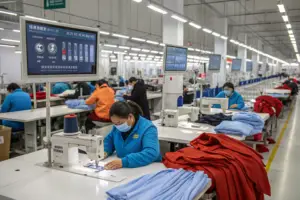
Manufacturing custom apparel involves multiple stages, from initial design to final delivery. Each step requires careful planning to ensure high-quality production.
The apparel manufacturing process includes design creation, material selection, sample development, bulk production, quality control, and shipping. Each step ensures that the final product meets brand standards.
What are the key stages of apparel manufacturing?
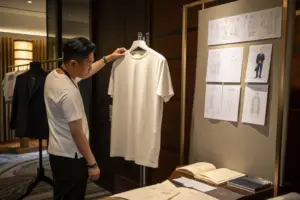
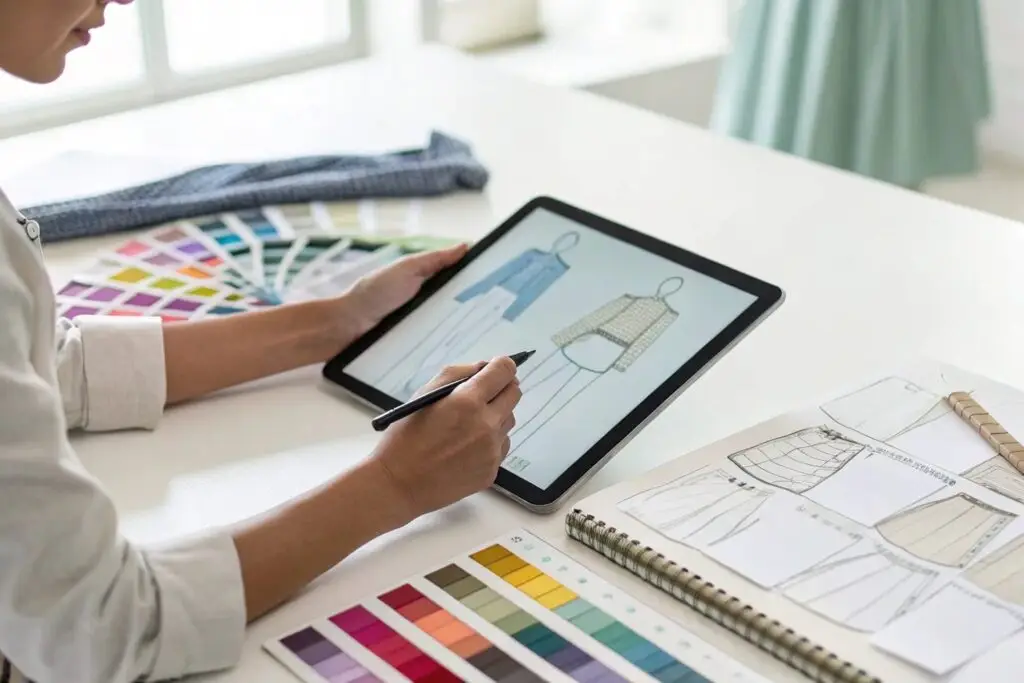
- Design & Pattern Making – Creating sketches and technical specifications.
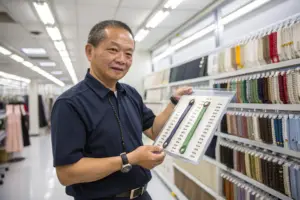
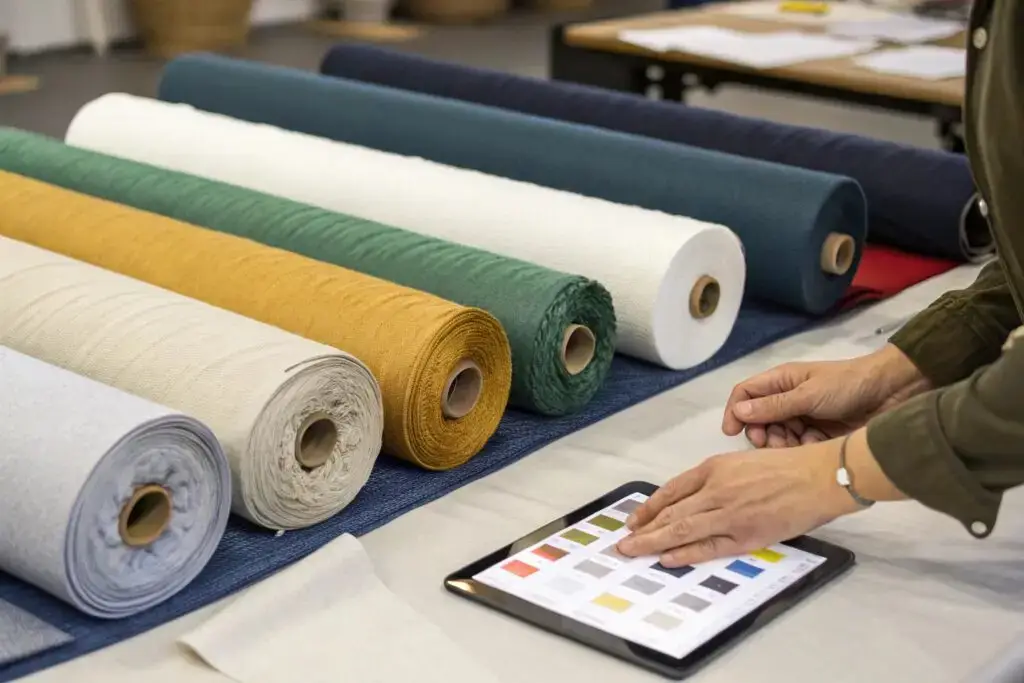
- Fabric Selection – Choosing the right materials for durability and comfort.
- Sample Production – Producing prototypes to check fit and quality.
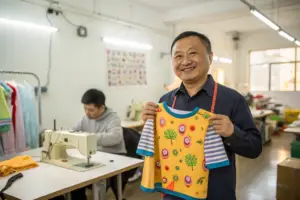
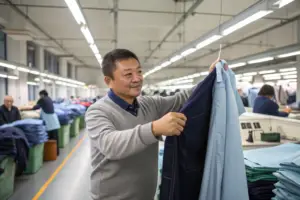
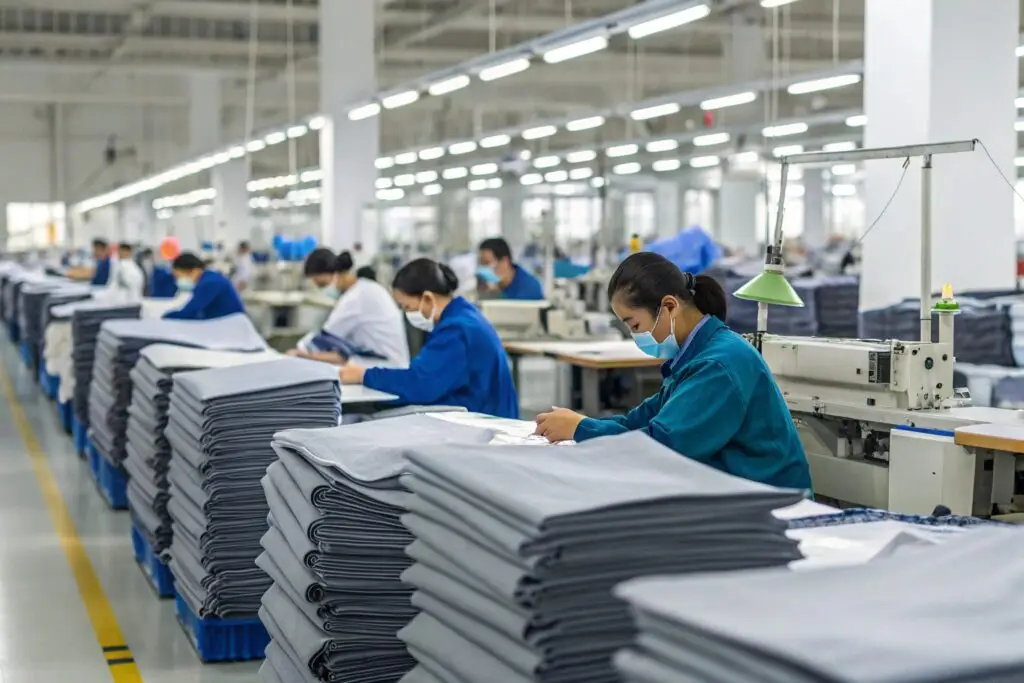
- Bulk Manufacturing – Mass production after sample approval.
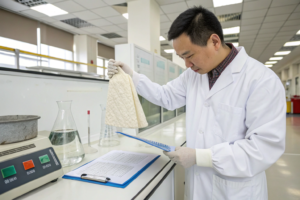
- Quality Control – Inspecting garments to ensure consistency.
- Packaging & Shipping – Preparing products for distribution.
How long does apparel production take?
Production timelines vary based on order size and complexity. Below is a general estimate:
| Production Stage | Estimated Time |
|---|---|
| Design & Sampling | 2-4 weeks |
| Bulk Production | 4-8 weeks |
| Quality Inspection | 1-2 weeks |
| Shipping | 1-4 weeks |
By planning ahead, brands can avoid delays and optimize their supply chain.
Where is the best place to manufacture clothing?
Choosing the right location for apparel manufacturing affects costs, production speed, and quality. Some countries specialize in high-end fashion, while others focus on affordable mass production.
China, Bangladesh, and Vietnam are top locations for affordable manufacturing, while Italy, Portugal, and the USA specialize in high-end production. The best choice depends on your budget and brand positioning.
What are the best countries for apparel manufacturing?
| Country | Best For | Cost | Quality |
|---|---|---|---|
| China | Mass production & custom clothing | Low | High |
| Bangladesh | Low-cost bulk production | Very Low | Medium |
| Vietnam | Sustainable fashion | Medium | High |
| Italy | Luxury fashion & craftsmanship | High | Very High |
| USA | Ethical & local production | Very High | High |
How do labor costs impact manufacturing location?
Labor costs vary significantly across countries. For example, producing a T-shirt in Bangladesh costs as little as $3, while the same T-shirt in the USA costs $15 or more. Brands must balance cost savings with ethical considerations.
What is the difference between fashion design and apparel design?
Many people use "fashion design" and "apparel design" interchangeably, but they refer to different aspects of the clothing industry.
Fashion design focuses on creativity and aesthetics, while apparel design emphasizes functionality, production, and wearability. Fashion designers create trends, while apparel designers develop practical clothing solutions.
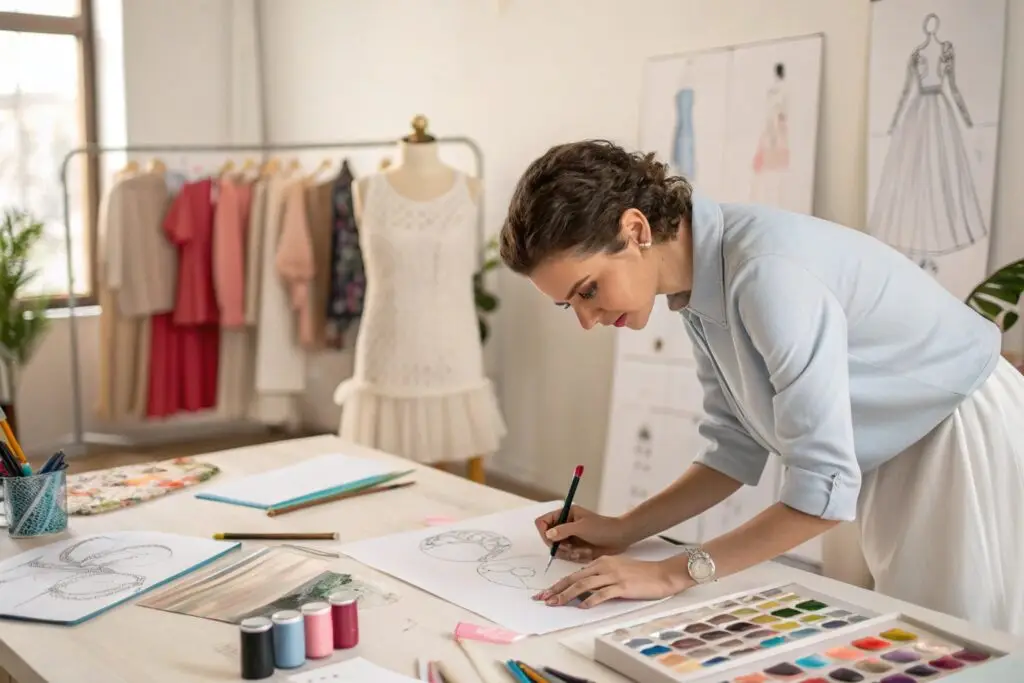
How do fashion design and apparel design differ?
| Aspect | Fashion Design | Apparel Design |
|---|---|---|
| Focus | Creativity & trends | Practical clothing solutions |
| Industry | High fashion, runway | Mass production, ready-to-wear |
| Customization | High | Medium |
| Target Market | Exclusive brands | General consumers |
Which career path is better: fashion design or apparel design?
It depends on your goals. Fashion design is for those who want to work with high-end brands and create unique trends. Apparel design is for those focused on the production and business side of the industry.
Conclusion
Manufacturing custom apparel requires careful planning, from choosing the right production location to managing costs. Whether you’re starting a small brand or scaling a large fashion business, understanding the apparel manufacturing process helps you make informed decisions. With the right strategy, you can balance cost, quality, and efficiency to create a successful clothing line.