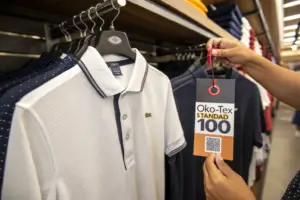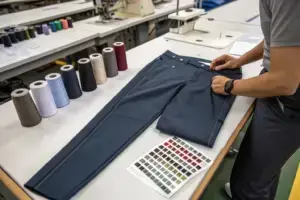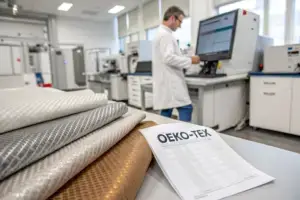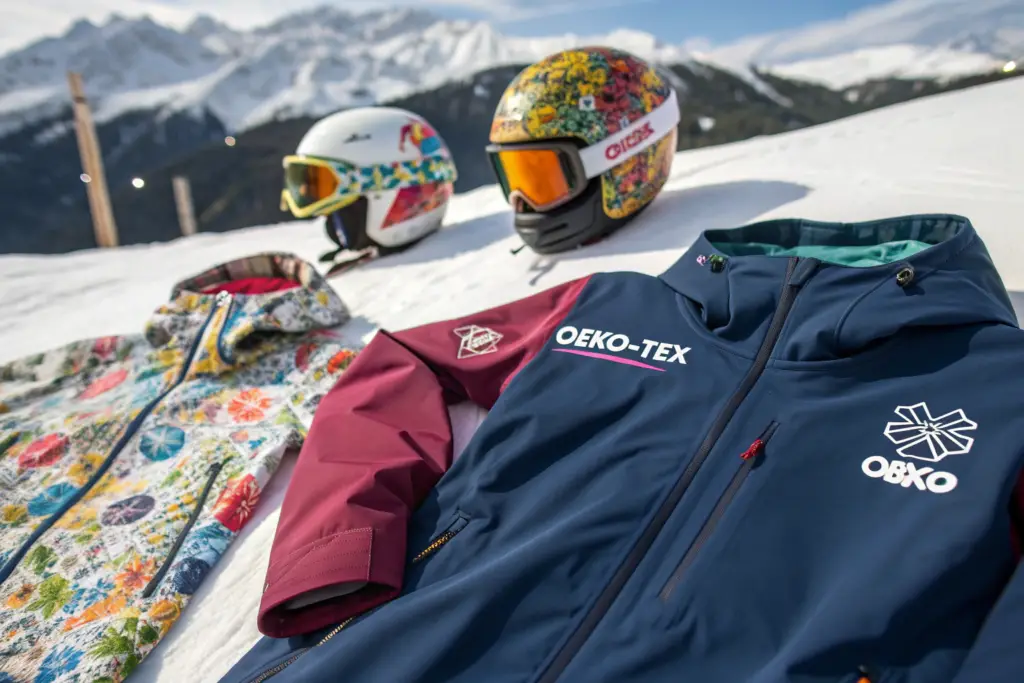
You've designed the perfect high-performance ski jacket. The fabric is OEKO-TEX certified, the insulation is certified, even the zippers are certified. Now, you want to add your brand's custom logo—an essential mark of identity and quality. A critical question arises: Will that logo compromise the entire garment's chemical safety certification? The answer is a definitive yes, you can get OEKO-TEX certified custom logos, but it requires deliberate action and specification from the very start. The logo is not an aesthetic afterthought; it is a functional component that must be sourced and applied with the same rigor as the main fabric.
Obtaining OEKO-TEX certified custom logos on ski apparel is absolutely achievable, but it is a proactive process. It requires specifying that the printing inks, embroidery threads, transfer films, and any adhesives used in the logo application are themselves OEKO-TEX certified. This must be verified with certificates from the trim supplier and managed through controlled application in the factory to prevent contamination. Treating the logo with this level of diligence is what separates credible, fully certified products from those with a hidden compliance gap.
Let's detail the path to ensuring your brand mark enhances both identity and integrity.
What Types of Logos Can Be Certified?
Most common logo application methods can be made compliant, but each has its own certification requirements. The key is to understand the material composition of the logo itself.
The main methods are:
- Sublimation Printing: The dye is gas-transferred into the fabric. The sublimation inks must be OEKO-TEX certified.
- Silk-Screen/Pigment Printing: Ink is pressed through a screen onto the fabric. The printing paste or ink (including pigments, binders, and additives) must be certified.
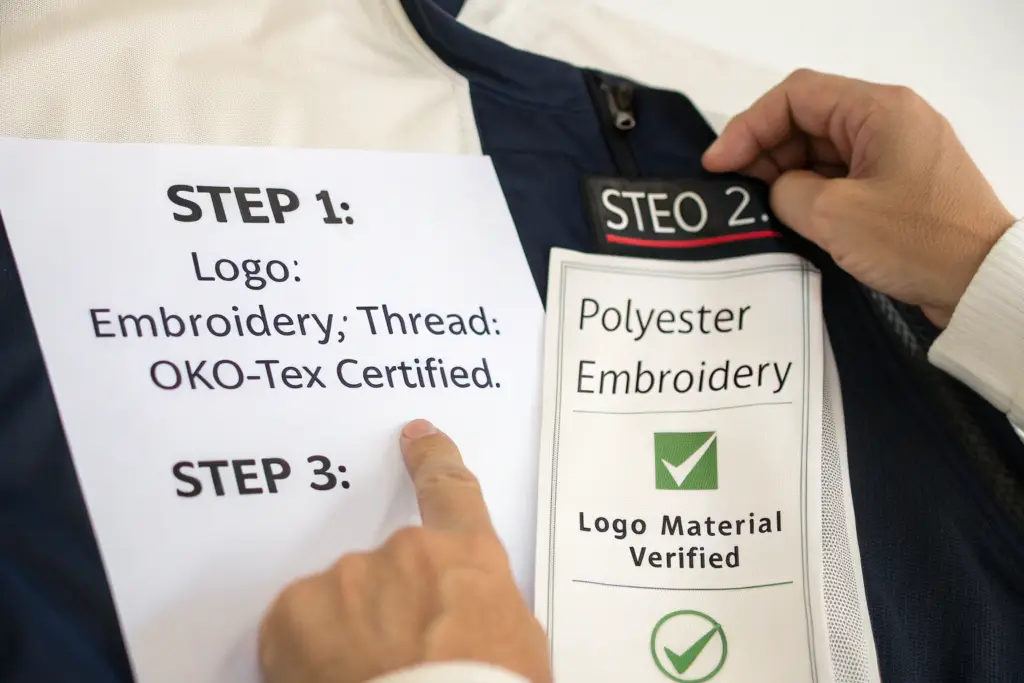
- Embroidery: Thread is stitched onto the garment. The embroidery thread must be OEKO-TEX certified. The backing or stabilizer used behind the embroidery, if any, must also be considered.
- Heat Transfer/Vinyl Appliqué: A pre-made design is heat-pressed onto the garment. The vinyl film or transfer material (including its plasticizers and colorants) and the adhesive must be certified.
- Woven or Printed Labels: Often sewn in. The label fabric and the ink used to print the logo on it must be certified.
For any method, the certification must cover the specific product. A generic ink certificate is not enough; it should be for the exact type and color series you are using.

Why is Embroidery Thread a Common Oversight?
Many brands focus on fabric but forget that embroidery thread undergoes its own dyeing and finishing process. A vibrant red embroidery thread could contain non-compliant dyes or heavy metals. We once audited a supplier who had perfect fabric certificates but could not provide one for their embroidery thread, putting an entire batch of branded beanies at risk. At Shanghai Fumao, our approved trim list includes certified thread suppliers for this exact reason.
How to Handle Multi-Color or Complex Logos?
Complex logos are fine, but they increase the verification load. A four-color print requires that all four ink stations use certified inks. You must obtain certificates for each color family or a comprehensive certificate covering the entire ink system used by your printer. Planning and communication with your decorator are crucial.
How to Source and Verify Certified Logo Materials?
You cannot assume your factory's default logo materials are certified. This must be a specified and audited part of your sourcing process.
Follow this verification protocol:
- Specify in Your Tech Pack: Clearly state: "All logo application materials (inks, thread, vinyl, adhesives) must be OEKO-TEX STANDARD 100 certified. Certificates must be provided prior to production."
- Request Supplier Certificates: Ask your factory to provide the OEKO-TEX certificates from their ink, thread, or transfer film supplier. Scrutinize them as you would a fabric certificate—check the company name, article description (e.g., "polyester embroidery thread, dyed"), and validity date.
- Audit the Application Process: If possible, understand where and how the logo is applied. Is it done in-house at the garment factory or outsourced? If outsourced, you need visibility into that sub-supplier's compliance. A vertically controlled factory reduces this risk.
- Ask for a "Finished Article" Test Sample: For ultimate assurance, especially on a new logo/material combination, you can request that a logo sample on the certified fabric be submitted for testing. This confirms there is no adverse chemical interaction.
A professional factory will have these processes in place. They will either have an in-house printing/embroidery department using certified materials or a vetted external partner they can direct you to for verification.

What If My Factory Says "It's Standard" or "Don't Worry"?
Consider this a major red flag. Vague assurances are the enemy of certification. A credible partner will welcome your request for documentation because it demonstrates their own supply chain control. Persist in asking for the actual certificate; it is your right as a buyer commissioning a certified product.
Can I Use My Own Logo Supplier?
Yes, but you assume full responsibility. If you provide your own logo patches or specify an external decorator, you must obtain and provide the OEKO-TEX certificates for those materials to your garment factory. You also must ensure the application process at the final assembly factory does not introduce contamination (e.g., using non-certified adhesive or cleaning agents).
What Are the Production Risks If This Step Is Missed?
Overlooking logo certification creates a single point of failure that can invalidate the entire garment's compliance. The risks are both operational and reputational.
- Failed Lab Test: If the finished garment is tested (by you, a retailer, or customs), and the logo fails for a restricted substance, the entire product is non-compliant, regardless of the fabric's certification.
- Recall Liability: A brand could face a costly recall if non-compliant logos are discovered post-sale, especially on children's wear.
- Greenwashing Accusations: Marketing a garment as "OEKO-TEX certified" when an uncertified logo is present is misleading and can damage brand reputation.
- Supply Chain Disruption: Discovering the issue late may force a rework of thousands of garments, causing massive delays and cost overruns.
Integrating logo certification from the start is a risk mitigation strategy. It's far cheaper to verify a certificate upfront than to deal with the consequences of a failure later.
How Does This Fit into a "Full-Package" Manufacturing Model?
This is where a full-package manufacturer shines. A partner like Shanghai Fumao manages the entire ecosystem. We source the certified fabrics, and we also have vetted partners for certified printing and embroidery. We take responsibility for obtaining and maintaining the certificate trail for all components, including logos, and for applying them in our controlled environment. This turns a complex, multi-vendor headache into a single, accountable process for you.
How to Communicate This Value to Your End Customer?
Once you've successfully integrated a certified logo, it becomes a powerful part of your product story. It demonstrates an obsessive level of attention to detail and commitment to safety.
In your marketing, you can highlight:
- "Every Detail Certified": "From the waterproof membrane to the thread in our logo, every component is OEKO-TEX certified for your safety."
- "No Compromise on Branding": "We believe your brand mark should represent purity as well as identity. That's why even our custom logos meet the strictest chemical safety standards."
- Enhanced Trust for Sensitive Skin: This is particularly compelling for base layers or children's ski wear.
This level of transparency is highly valued by today's conscious consumer and provides a tangible point of differentiation from competitors who may only certify their base fabrics.
Conclusion
Yes, you can and should get OEKO-TEX certified custom logos on your ski apparel. Achieving this is not a matter of luck, but of precise specification, diligent verification, and choosing a manufacturing partner with the systems and transparency to manage it. The logo is a critical component in the chemical safety ecosystem of your garment, not a decorative exception.
By treating your logo with the same seriousness as your main fabric, you close the final compliance gap, solidify your brand's integrity, and create a product that is authentically safe from the inside out. This comprehensive approach is what defines the next generation of responsible performance apparel.
If you are ready to ensure that every element of your ski apparel, including your prized custom logo, contributes to a story of verified safety and quality, you need a partner who understands that the details are everything. Contact Shanghai Fumao’s Business Director Elaine today. Let us show you our certified trim options and our controlled process for integrating your brand mark without compromising compliance. Reach her at elaine@fumaoclothing.com. Let's make your logo a symbol of trust.