You’re designing a high-performance golf line. You need fabrics that wick sweat, block UV rays, stretch for a full swing, and feel incredibly comfortable. But you also demand the safety assurances of OEKO-TEX® certification. A nagging doubt creeps in: are these two goals in conflict? Do the chemical treatments that create elite performance inherently violate strict safety standards? This is the core dilemma for modern apparel brands.
Yes, absolutely. Modern technical golf fabrics can—and do—successfully meet both high-performance demands and rigorous OEKO-TEX® standards. The key lies in advanced chemistry and sophisticated manufacturing. Leading fabric mills have innovated to develop finishes and treatments using safer, approved substances that deliver outstanding functionality without harmful residues. The era of choosing between performance and safety is over.
The intersection of performance and safety is where true innovation happens. Let’s explore how leading suppliers engineer fabrics to excel on the golf course while passing the world’s most trusted safety tests.
How Do Moisture-Wicking and Quick-Dry Finishes Pass Chemical Tests?
The core of a golf polo’s performance is its ability to manage moisture. Traditional moisture-wicking treatments can sometimes involve surfactants or softeners that leave chemical residues. OEKO-TEX® certification strictly limits substances like APEOs (alkylphenol ethoxylates) and certain solvents that were historically common.
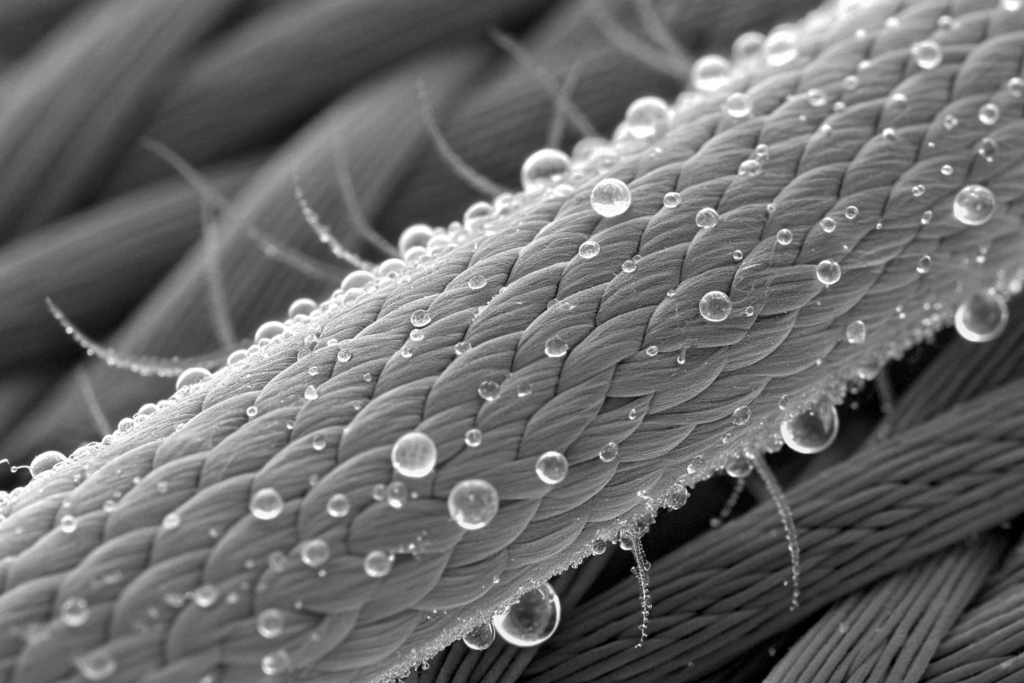
Modern compliant fabrics achieve wicking through two primary, safe methods: physical yarn and fabric engineering, and next-generation chemical finishes. Polyester and nylon fibers are engineered at the polymer stage to be hydrophilic (water-attracting), or the yarns are constructed with capillary-action channels. These methods require minimal chemical intervention. When chemical finishes are used, they are now formulated with OEKO-TEX® approved compounds that biodegrade more readily and leave no harmful residues after rigorous washing during testing.
Can permanent wicking treatments be OEKO-TEX certified?
Yes, they can. “Permanent” typically means the treatment withstands multiple home launderings. The key is the chemical formulation’s safety profile. Leading chemical companies like Archroma and Huntsman now offer comprehensive ranges of OEKO-TEX® compliant finishing auxiliaries. These include durable hydrophilic finishes that bond to fibers without releasing restricted substances. When sourcing, you must request your fabric mill to use these certified chemical packages and provide the corresponding mill’s OEKO-TEX® certificate that covers the finished fabric, not just the greige (raw) goods.
What about odor-resistant/anti-microbial treatments?
This is a critical area. Silver ions or triclosan-based antimicrobials are heavily restricted. OEKO-TEX® compliant alternatives now use technologies like polygiene, which is based on recycled silver chloride treated to meet strict safety limits, or plant-based antimicrobial agents. The treatment must be applied in a way that ensures no nanoparticle release beyond allowed thresholds. In 2023, we developed a golf shirt for a Florida-based brand using a silver-based treatment from an OEKO-TEX® approved supplier. The fabric passed STANDARD 100 testing for all product classes, proving performance and safety can coexist with precise formulation.
Is UV Protection Compatible with OEKO-TEX® Requirements?
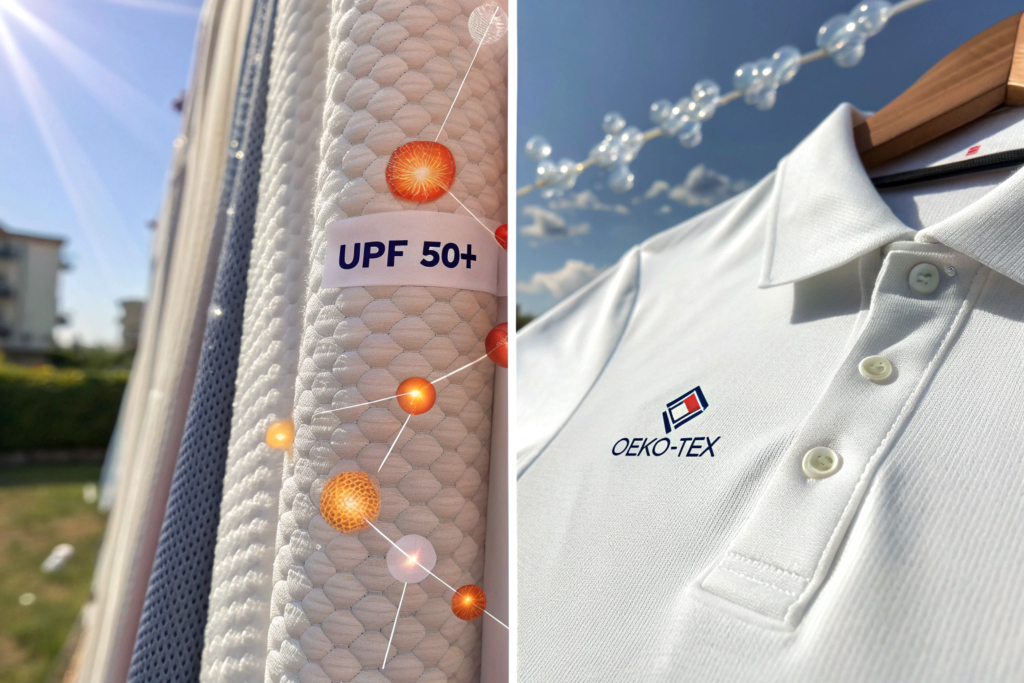
UV protection is non-negotiable for golfers spending hours in the sun. Fabrics achieve UPF (Ultraviolet Protection Factor) ratings through two ways: dense fabric constructions (weave/knit) and UV-absorbing chemical treatments. The chemical route raises questions about safety.
The compatibility is high. Many UV-absorbing compounds, like certain benzotriazoles, are permitted within OEKO-TEX® limits when they are not carcinogenic, allergenic, or toxic to aquatic life. The certification tests for the specific substances that could be harmful, not for the UPF functionality itself. A fabric can have a high concentration of a safe UV absorber and still pass. Alternatively, achieving UPF 50+ through ultra-fine, tightly woven polyester or nylon yarns is a completely chemical-free method that naturally aligns with safety standards.
How are UV-inhibiting chemicals tested for safety?
OEKO-TEX® labs use specific test methods to extract any harmful substances from the textile under conditions simulating sweat, saliva, and skin contact. They analyze the extract for regulated chemicals. If a UV inhibitor is designed to remain permanently bonded within the polymer matrix of the fiber and does not migrate or leach out in these tests, it presents minimal risk and can pass. The burden is on the chemical supplier and fabric mill to prove this via testing. Reputable mills will have this data on file.
Can a fabric have both high UPF and remain lightweight and breathable?
Yes, through fiber innovation. Fine denier polyester microfiber yarns can be woven into incredibly light yet dense fabrics that physically block UV rays without needing a heavy chemical coating. These fabrics maintain excellent breathability. This is a prime example of performance through engineering, not just chemistry, making OEKO-TEX® compliance straightforward. When you partner with a manufacturer like Shanghai Fumao, we guide you to select these advanced, inherently safe base fabrics as the foundation for your collection.
How Do Stretch and Recovery Fabrics (e.g., with Spandex) Comply?
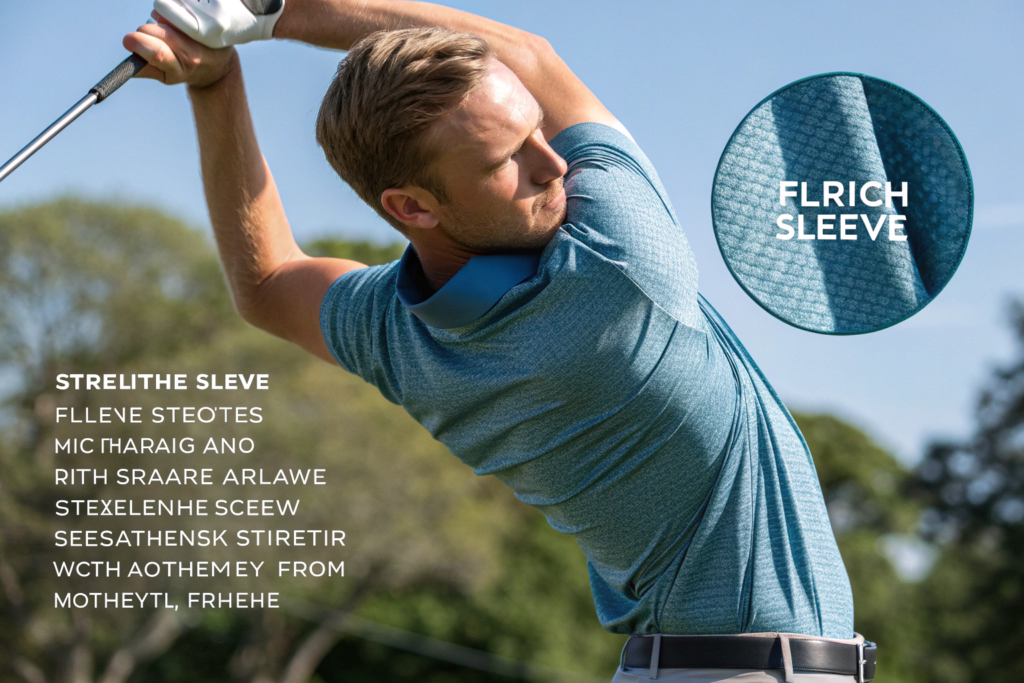
Stretch is essential for freedom of movement. This typically involves incorporating elastane fibers like Lycra® or spandex. The compliance challenge isn’t the elastane core itself, but the dyes, processing oils, and auxiliary chemicals used in the production of the blended fabric.
OEKO-TEX® compliance for stretch fabrics is rigorously enforced. The certification requires testing the complete composite material—polyester/spandex, for example. This ensures that any chemicals used in the spinning of the spandex, the dyeing of the blend, or the heat-setting process are within limits. Notably, certain plasticizers (like ortho-phthalates) once used in some elastane productions are strictly prohibited. Major elastane producers now offer OEKO-TEX® compliant product lines that are pre-verified to meet these standards.
Are there specific tests for elastane fiber safety?
Yes. OEKO-TEX® testing specifically looks for banned amine emissions from certain azo dyes (which can be used on polyamide-based elastanes) and restricted phthalates. The test methods simulate long-term wear and stress on the fiber to see if any substances are released. Using elastane from a certified, reputable source (where the fiber producer provides a Statement of Compliance or own OEKO-TEX® certificate) is the safest path. We insist on this for all our performance wear production at Shanghai Fumao to avoid any downstream compliance failures.
Does DWR (Durable Water Repellent) coating affect certification?
This is a major performance feature for golf outerwear (vests, jackets). Traditional C8-based PFC (perfluorinated compound) DWRs are globally restricted due to persistence and toxicity. OEKO-TEX® bans these. The industry has shifted to safer C6 or C0 (PFC-free) DWR technologies. Many of these newer formulations are designed to be OEKO-TEX® compliant. The key is to obtain the fabric with the DWR treatment already applied and certified, or to ensure the finishing chemical package used by your factory is approved. We successfully source and utilize PFC-free, certified DWR fabrics for our golf outerwear lines that deliver excellent water beading without environmental or safety trade-offs.
What Should Brands Look for in a Performance-Oriented, Certified Supplier?
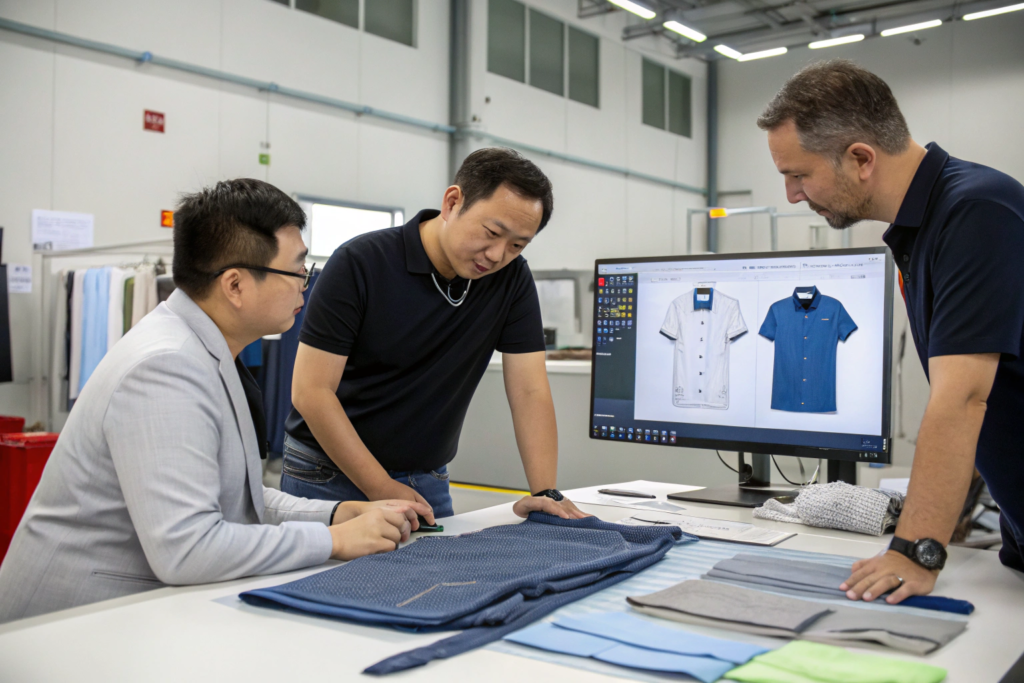
Finding a factory that merely sews certified fabric is easy. Finding a partner who deeply understands the chemistry of performance finishes and can navigate compliance is harder. Your supplier must be a technical partner, not just a contractor.
You need a supplier with strong relationships with advanced fabric mills, a quality control team that understands chemical testing reports, and a proven track record of producing complex technical apparel for regulated markets. They should speak the language of both performance specs and compliance limits fluently.
What questions separate true technical experts from basic sewers?
Ask these:
- “Can you explain the difference between C6 and C0 DWR, and which you recommend for our market?”
- “Which OEKO-TEX® compliant chemical suppliers do you work with for wicking and anti-odor finishes?”
- “How do you verify the UPF claim of a fabric before production, and can you provide a test report?”
- “Can you show us examples where you’ve successfully balanced a high-stretch fabric requirement with a Class I or II OEKO-TEX® certification?”
Their answers will reveal their depth of knowledge.
Why is a factory’s own STeP certification a major advantage?
A factory certified under STeP by OEKO-TEX® demonstrates a systemic commitment to sustainable and responsible manufacturing, which includes advanced chemical management. A STeP-certified facility has documented procedures for handling, storing, and applying performance chemicals safely. This reduces the risk of cross-contamination and ensures the processes that create performance (like heat-setting, coating) are done in an environmentally controlled manner. Partnering with a STeP-certified manufacturer like us provides an additional layer of assurance that performance and safety are managed at the production system level.
Conclusion
The question is not if technical golf fabrics can meet both performance and OEKO-TEX® standards, but how. The answer lies in the convergence of material science, green chemistry, and responsible manufacturing. Through engineered fibers, next-generation safer chemical treatments, and rigorous supply chain management, the industry has successfully bridged what was once perceived as a gap.
For brands, this means you no longer have to compromise. You can offer golfers apparel that enhances their game with stretch, moisture management, and protection, while providing the peace of mind that comes with the world’s most trusted safety certification. The key is to partner with suppliers who are experts in this intersection.
Embrace the new standard of performance with responsibility. Shanghai Fumao specializes in manufacturing high-performance golf apparel that is rigorously OEKO-TEX® certified. We partner with leading fabric mills and chemical suppliers to ensure every technical feature is built on a foundation of verified safety. To develop your next-generation golf collection that excels in every way, contact our Business Director, Elaine, at elaine@fumaoclothing.com. Let’s engineer performance you can trust.