In an era dominated by global fast fashion giants like Zara, Shein, and H&M, small apparel manufacturers might feel overshadowed. Mass production, lightning-speed trend adaptation, and aggressive pricing seem unbeatable from the outside. But are they?
Yes, small-batch customization can compete—if it plays to its unique strengths: flexibility, brand alignment, quality, and conscious production.
As the owner of a B2B garment factory that specializes in custom production for U.S. and EU brands, I’ve seen firsthand how well-designed small runs can outperform mass-made fast fashion. In this article, I’ll share how small-batch customization isn’t just surviving—but thriving.
Why Are Brands Turning to Small-Batch Customization?
Mass fashion may rule the shelves, but it can’t deliver individuality. Today’s consumer wants something personal, ethical, and aligned with their identity. That shift is creating new demand—for small, responsive production.
Small-batch customization empowers niche and emerging brands to respond to real consumer needs quickly and authentically.

What Market Forces Are Shifting Toward Customization?
Consumers are tired of cookie-cutter designs. Reports from McKinsey and Business of Fashion confirm that personalization, sustainability, and transparency now rank higher than price alone.
Niche markets—such as adaptive clothing, streetwear drops, or ethical kidswear—require fast sampling, micro runs, and bold brand positioning. Small-batch customization offers these advantages while avoiding inventory risks.
How Do Smaller Brands Benefit from Custom Production?
Custom production allows smaller fashion brands to differentiate in saturated markets. They can test styles, colors, or materials with fewer units. Platforms like Shopify and Etsy thrive on unique offerings—and that requires flexible, smaller MOQs.
At Fumao Clothing, we help our U.S. clients run 200-500 piece pilot batches to test market demand before committing to larger orders. This agility makes them more competitive, not less.
What Are the Competitive Advantages Over Fast Fashion?
The appeal of small-batch production isn’t limited to size—it’s also about speed, values, and quality. These are areas where fast fashion giants often fall short.
Small-batch factories offer higher agility, personalized design integration, and better control over quality and ethics.
Can Small-Batch Producers Deliver Faster Than Mass Giants?
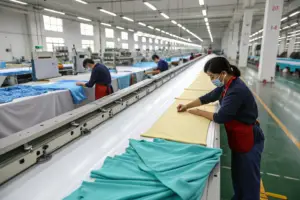
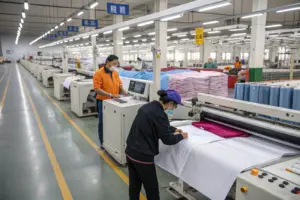
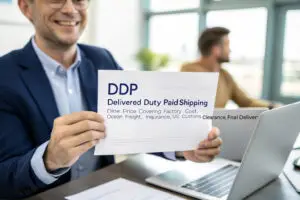
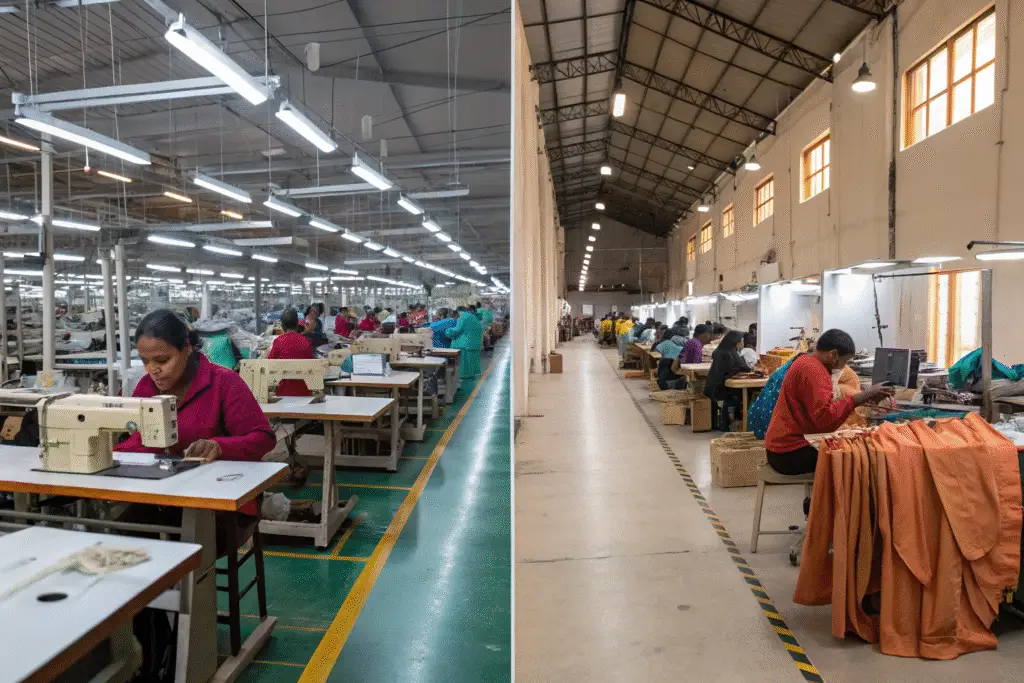
Yes. While fast fashion moves quickly from concept to shelf, they often face bottlenecks in global logistics, warehouse handling, and overproduction. In contrast, small factories like ours can produce a 200-piece run within 15 days, often delivering to U.S. ports in under 3 weeks via DDP.
We rely on lean supply chains and digital communication platforms like Trello or Slack to move quickly from sample to shipment. This means clients can launch capsule collections in half the time.
How Does Quality Differ From Mass Production?
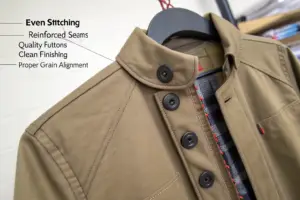
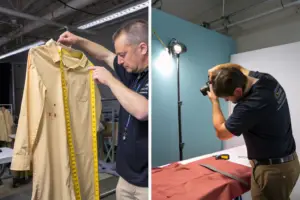
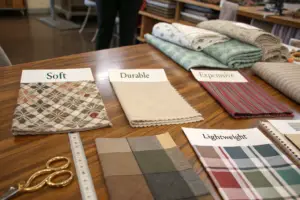
Mass production favors speed over precision. Small-batch customization allows for controlled inspections, higher-end finishes, and stricter adherence to brand standards. Many of our clients request AQL 1.0 or even 0.65 inspection levels.
We often ship personalized packaging, embroidered labels, and hangtags—all designed to elevate brand image. These added touches help indie brands charge premium prices while keeping customers loyal.
What Are the Common Misconceptions About Small-Batch Manufacturing?
One of the biggest misconceptions is that small runs are inefficient or expensive. The truth? When managed properly, they reduce risk, preserve cash flow, and allow faster market testing.
Smart small-batch production isn't a compromise—it's a strategy.
Is Small-Batch Always More Expensive?
Not necessarily. While per-unit prices may be higher, total risk is lower. With tools like Printful or local micro-fulfillment, brands can avoid warehousing and markdown costs. We’ve seen clients who spent 30% less overall using smaller batches wisely.
Also, with the rise of DDP models and direct factory relationships, small brands save significantly on customs and logistics—something large chains often neglect due to scale.
Does Customization Mean Delays?
Only if the supplier lacks processes. At Fumao, we’ve integrated tech packs into Notion and use Google Drive for live revision tracking. With weekly video calls and clear workflow SOPs, our customization cycles run smoother than many large-scale setups.
Custom embroidery, special trims, eco-packaging—these are handled within the same workflow, often parallel to cutting and sewing, not afterward. That’s how small-batch competes not just creatively, but operationally.
How Can Small-Batch Brands Scale Without Losing Identity?
Scaling doesn’t mean abandoning your uniqueness. In fact, brands that scale while maintaining custom appeal often create stronger loyalty.
With the right manufacturing partner, small-batch brands can scale their output without sacrificing their DNA.

When Is the Right Time to Scale Up?
The best time is after validating 2–3 core styles with consistent sales. Many of our clients start with a few hundred units, then move up to 1000+ once their online stores or retail partnerships take off.
We help them adjust by building scalable tech packs, raw material forecasts, and integrating QC steps early. This reduces growing pains. Planning ahead is key—especially with seasonal cycles.
Can You Maintain Custom Quality at Scale?
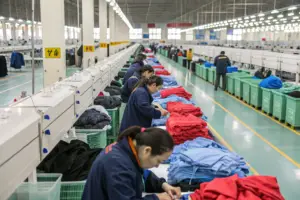
Yes, with modular production lines and standardized design systems. For example, we assign one line to embroidery and labeling, while others handle base garment production. Using fabric swatch libraries and standardized measurement specs helps reduce error.
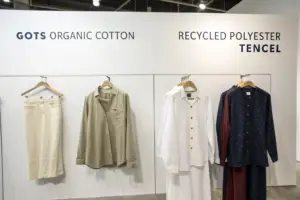
Tools like Techpacker ensure that scaling doesn’t mean losing detail. Clients retain unique trims, sustainable fabrics, and packaging—even at 5,000+ units.
Conclusion
Small-batch customization isn’t just an alternative to fast fashion—it’s the future of brand-led, consumer-centric apparel. As trends shift toward sustainability, personalization, and transparency, fast fashion giants will struggle to keep up with nimble, value-driven challengers.
At Fumao Clothing, we help brands—big and small—leverage small-batch strategies to create high-impact collections. If you're ready to test new markets, differentiate your designs, and build customer loyalty, small-batch isn’t just an option. It’s your edge.