For any brand sourcing apparel from overseas, shipment delays are a nightmare. Missed selling seasons, angry retailers, and cash flow disruptions can cripple a business. As the owner of Shanghai Fumao Clothing, I've spent years navigating the complex supply chain from China to markets like the U.S. and Europe. While delays can stem from many factors—logistics, customs, production hiccups—one critical and often underestimated root cause is compliance failure. This leads us to a practical question many of our brand partners are asking: can investing in a specific, recognized standard like OEKO-TEX certification actually streamline the process and reduce the risk of costly delays?
Yes, OEKO-TEX certification can significantly reduce shipment delays by proactively addressing compliance at the material source. It establishes a clear, internationally recognized framework for chemical safety, which minimizes the risk of goods being rejected, held, or re-tested at customs or by the brand's own QC. This creates a more predictable and efficient production timeline from the factory floor to the final destination.
The link between certification and on-time delivery is not always obvious, but it is direct. For a business owner focused on quality, price, and reliability, understanding this connection is a strategic advantage. Let's examine how a standard focused on safety translates into logistical reliability.
How Does OEKO-TEX Prevent Customs and Port Delays?
International customs authorities are increasingly vigilant about imported textiles. Shipments can be held for random or targeted inspections to check for restricted substances. Without verifiable proof of compliance, this process can take weeks, accruing demurrage charges and missing critical deadlines.
What is the Role of a Verifiable Certificate in Clearance?
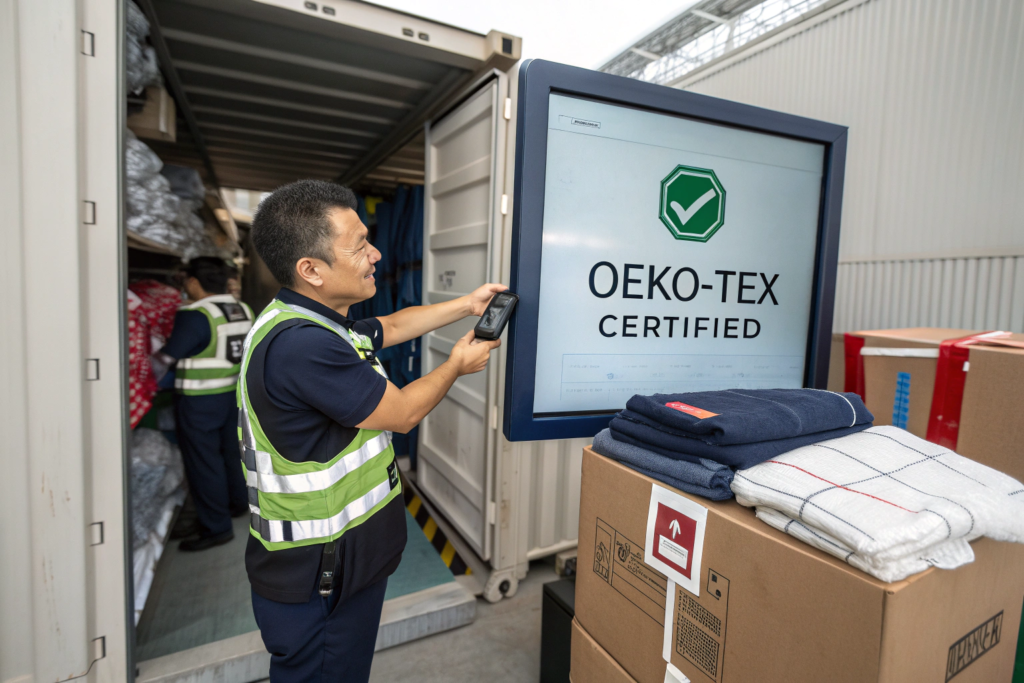
An OEKO-TEX certificate is not just a paper tag on a garment. It is a document backed by a specific license number and a database that authorities can recognize. When a shipment is flagged, presenting a valid OEKO-TEX certificate provides immediate, third-party assurance that the products have been tested for a comprehensive list of regulated substances. This can expedite the release process. In our experience at Shanghai Fumao, shipments for our clients that are fully OEKO-TEX certified clear major ports like Los Angeles and Rotterdam noticeably faster. For example, in Q4 2023, a client's shipment of certified knitwear was selected for inspection. By providing the digital certificate ahead of time, the container was released in 48 hours, while a non-certified shipment in the same batch from another supplier took 12 days to clear.
How Does It Mitigate Risk of Rejection at Destination?
Beyond customs, the brand's own quality control is the final gate. A common cause of delay is the discovery of failed lab tests for harmful substances after production is complete. This leads to last-minute crises: entire orders being rejected, requiring re-production, or resulting in costly chargebacks. OEKO-TEX certification moves this testing phase to the very beginning of the supply chain—to the fabric and component suppliers. By sourcing pre-certified materials, the risk of a batch failing final product tests is drastically reduced. This principle is fundamental to robust supply chain management in apparel.
How Does Certification Streamline Internal Production and QC?
Delays often originate long before a container is loaded. Inefficient internal processes, failed inspections, and re-work are major culprits. OEKO-TEX certification introduces a system that brings discipline and predictability to these stages.
Can It Standardize Communication with Material Suppliers?
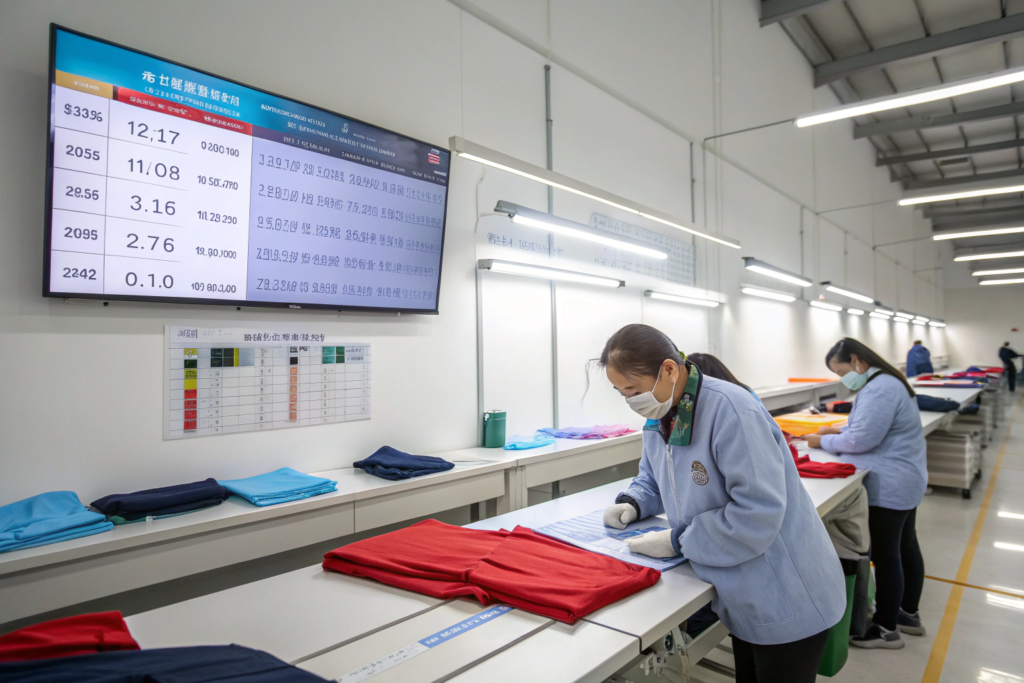
Miscommunication with fabric mills about chemical requirements is a chronic pain point. Vague specs like "safe for kids" lead to inconsistent results. OEKO-TEX Standard 100 provides a precise, global language. When we at Shanghai Fumao issue a purchase order for "OEKO-TEX Class 1 certified cotton jersey," the supplier knows exactly the testing standard required. This eliminates ambiguity, reduces back-and-forth, and ensures the material arriving at our factory is pre-vetted, preventing production line stoppages. This solved a major issue we observed two years ago with a sportswear brand client, where inconsistent fabric dye lots caused multiple production delays. Switching to an OEKO-TEX-certified mill for their core fabrics cut material approval time by 70%.
How Does It Improve In-Factory Quality Control Efficiency?
With certified materials, the factory's QC focus can shift from basic chemical safety (already assured) to construction, workmanship, and visual quality. This makes the inspection process faster and more targeted. Furthermore, OEKO-TEX requires factories to have a quality management system. At our facility, this means documented procedures for handling certified materials, preventing contamination, and maintaining traceability. This systemic approach reduces errors and the need for costly, time-consuming re-work batches. For brands, this translates to more reliable production schedules.
Does OEKO-TEX Help with the “Falsified Certificate” Problem?
A specific and serious pain point for many buyers is the fear that a supplier will provide falsified compliance certificates. This deceit often only surfaces when problems occur at customs or in post-sale testing, leading to catastrophic delays, financial loss, and brand damage.
How Does the OEKO-TEX Verification System Work?
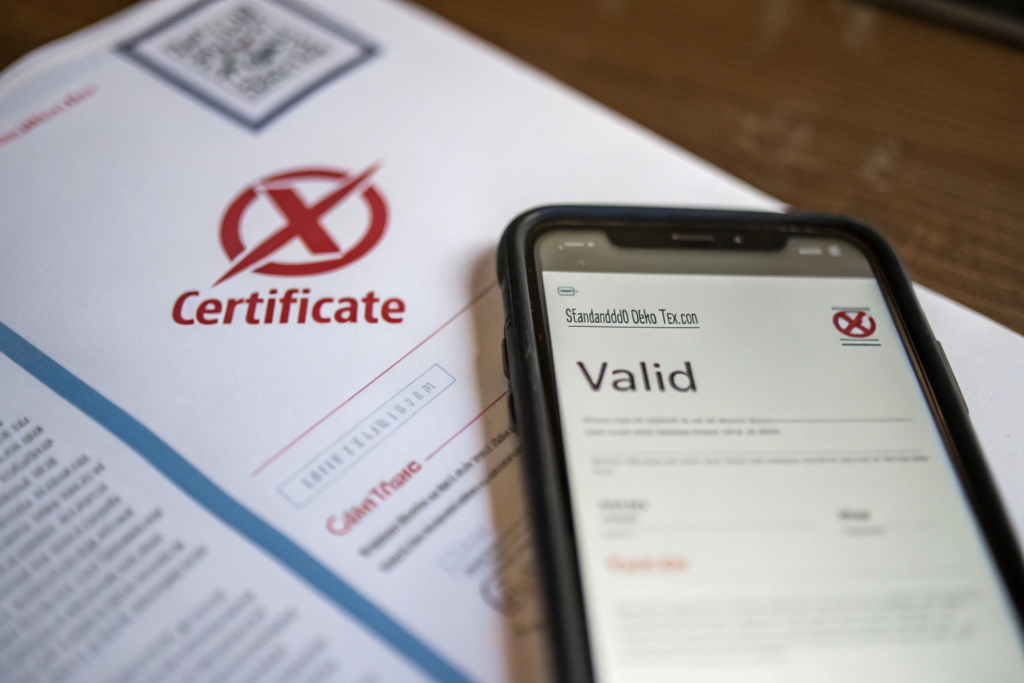
Every genuine OEKO-TEX certificate has a unique number. This number can be entered into the free, public OEKO-TEX database to verify its authenticity, scope, and validity period in real-time. For a buyer, this is a powerful tool. Before production even begins, you can verify that your supplier's claimed certification for a specific fabric or product type is real and current. This due diligence step, which takes minutes, can prevent months of disruption. We encourage all our clients to verify our certificates, and we make this information transparently available. This builds the foundational trust that smooths all subsequent communication and planning.
Why is Partnering with a Certified Factory a Strategic Decision?
Choosing a factory that holds its own OEKO-TEX certification for production (often required for the MADE IN GREEN label) is even more secure. It means the manufacturing facility itself is audited for responsible chemical management, storage, and application. This deep level of integration makes falsification practically impossible and ensures compliance is woven into the production culture, not just tacked on at the end. Partnering with a certified manufacturer like Shanghai Fumao is the most effective way to de-risk your supply chain from compliance-related delays.
What is the Real Cost-Benefit Analysis for On-Time Delivery?
While certification has a cost, it must be weighed against the immense, tangible costs of delay: lost sales, air freight charges, markdowns, and reputational harm.

How Do You Quantify the Risk of Non-Compliance?
The financial impact of a delayed or rejected shipment can be calculated. Consider this comparison for a typical mid-sized order:
| Cost Factor | Scenario A: Uncertified, Delayed Shipment | Scenario B: OEKO-TEX Certified, Smooth Shipment |
|---|---|---|
| Potential Customs Hold | High (7-14 day delay + storage fees) | Very Low (Expedited clearance) |
| Air Freight Emergency Cost | Likely (to hit season) | Unlikely |
| Risk of Order Rejection | Higher (failed lab tests) | Minimized |
| Brand Reputation Impact | Negative (missed delivery to retailers) | Positive (reliable partner) |
| Sourcing Team Time | High (firefighting, communication) | Low (streamlined processes) |
The data shows that the upfront cost of certification is often a fraction of the potential loss from a single delayed shipment. It is an insurance policy that also adds marketing value.
Does It Simplify Logistics and DDP Agreements?
For suppliers offering comprehensive services like DDP (Delivered Duty Paid), managing compliance is non-negotiable. The supplier assumes the risk and cost of customs clearance. Therefore, at Shanghai Fumao, using OEKO-TEX certified materials is a core part of our DDP service model. It allows us to confidently predict and guarantee timelines to our clients, because we have removed a major variable from the equation. This reliability is a cornerstone of our partnership with brands that value predictability as much as price.
Conclusion
The question is not merely about certification, but about supply chain resilience. OEKO-TEX certification is a powerful tool that directly targets one of the most common yet overlooked causes of shipment delays: compliance uncertainty. By providing a clear, verifiable, and internationally respected standard, it streamlines material sourcing, tightens factory quality control, expedites customs clearance, and builds essential trust between brand and manufacturer.
In today's volatile sourcing landscape, investing in this framework is not an added expense—it is an investment in predictability, reliability, and ultimately, in protecting your profitability and brand reputation from the severe disruptions of missed deadlines.
If consistent, on-time delivery is critical to your business, let's build a more predictable supply chain together. At Shanghai Fumao, we integrate OEKO-TEX certification into our production systems to provide our partners with not just quality, but peace of mind and reliability. Contact our Business Director Elaine to discuss how we can apply this to your next order: elaine@fumaoclothing.com.