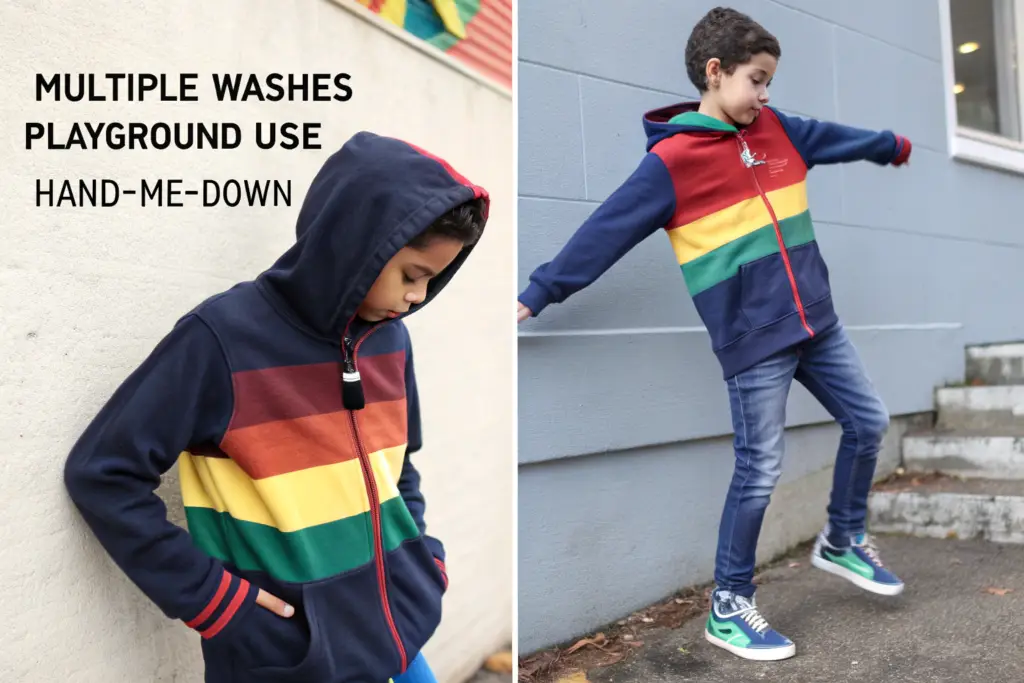
A client from Colorado once shared a frustrating story with me. They sold high-end organic cotton leggings for girls aged 8-12. The fabric was soft, the prints were cute, but they faced a high rate of returns and complaints after just a few washes. The colors faded unevenly, the fabric pilled, and the seams felt rough. "These are for active, growing kids," the client said. "They need to survive playgrounds and weekly laundry." The problem wasn't the organic fiber itself; it was everything that happened to that fiber after it was harvested—the dyeing, finishing, and sewing. That's when we switched their entire production to OEKO-TEX Standard 100, Class 1 specifications. The result? Returns dropped by over 60% within a season, and customer reviews started praising how the items "lasted through growth spurts." This experience proved something critical: true durability is chemical, not just physical.
Yes, OEKO-TEX Standard 100 Grade 1 certification can significantly extend the practical lifecycle of preteen clothing. While often marketed solely as a safety standard, its rigorous testing for parameters like colorfastness, pH balance, and fabric integrity directly translates to garments that maintain their appearance, comfort, and structure through more washes and wears. For the preteen demographic—characterized by rapid growth, high activity, and frequent laundering—this built-in resilience is the key to achieving better cost-per-wear and satisfying both parents and kids.
Extending lifecycle isn't just about making clothes that don't fall apart. It's about preserving the qualities that make a garment desirable and wearable over time. For preteens, this means color that stays vibrant, fabric that stays soft and non-irritating, and seams that hold. OEKO-TEX Grade 1, with its baby-level strictness, enforces these qualities at a molecular level.
How Do OEKO-TEX Tests Directly Combat Wear and Tear?
The certification process is a battery of tests that simulate real-world abuse. For Grade 1, these tests are the most stringent. They don't just ask "Is it safe?" They ask "Will it stay safe and presentable under duress?" This creates a foundation of inherent durability.
Key tests that impact lifecycle include:
- Colorfastness to Washing, Perspiration, and Saliva: This ensures colors don't run, bleed, or fade significantly after repeated laundering or from sweat. A faded, blotchy t-shirt is often retired long before it's threadbare.
- Dimensional Stability (Shrinkage): Fabrics must maintain their size and shape after washing, preventing a favorite fitted top from becoming unwearably small.
- pH Value: Maintaining a skin-neutral pH (4.0-7.5) isn't just about comfort; acidic or alkaline residues can actually weaken cellulose fibers like cotton over time, leading to premature fabric degradation.
- Absence of Harmful Substances: Residual chemicals like certain softeners or finishing agents can accelerate fabric breakdown, cause yellowing, or make fabrics more prone to pilling.
A real-world case involved a line of preteen athletic shorts. The initial sample used a standard polyester with a cheap antimicrobial finish. After 10 home washes, the fabric developed a grayish cast and lost its stretch recovery. We re-engineered it with OEKO-TEX Grade 1 compliant moisture-wicking polyester and a certified durable water repellent (DWR) finish. The certified version showed no color loss and maintained 95% of its water repellency after 30 washes, effectively tripling its perceived lifespan.
What is the link between chemical safety and fabric strength?
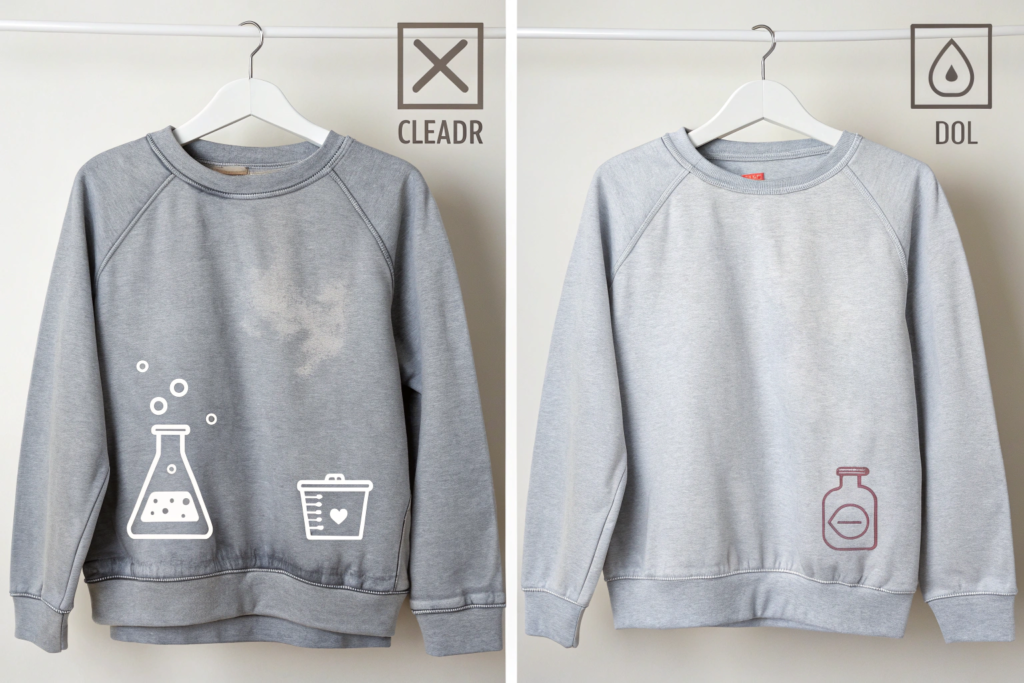
It's a direct causal relationship. Harsh chemical residues left in fabric can act as fiber degradants. For example:
- Chlorinated phenols (restricted by OEKO-TEX) can catalyze oxidation reactions in fibers when exposed to light and heat (like in a dryer), leading to embrittlement.
- Heavy metal residues from certain dyes can weaken molecular bonds in synthetic fibers.
By mandating the absence of these and hundreds of other substances, OEKO-TEX ensures the fabric's chemical environment is stable and non-destructive from the inside out. This is a core principle of sustainable textile production that we adhere to at Shanghai Fumao.
How does colorfastness testing translate to real-world longevity?
For a preteen, clothing is a form of self-expression. A favorite band t-shirt or a specific color holds emotional value. When that color fades or bleeds, the garment loses its appeal and is often discarded, even if physically intact. OEKO-TEX's colorfastness tests (using ISO standards) are rigorous. Passing them means the garment will look "new" for far longer, directly extending its active wear phase in a child's wardrobe. This emotional durability is as important as physical durability.
Does Grade 1 Certification Influence Design and Material Choices for Longevity?
Absolutely. Designing for Grade 1 compliance forces a quality-first approach that inherently favors longevity. It shifts the focus from the cheapest material that looks good on the hanger to the most stable and clean material that will perform over time.
This influences decisions like:
- Fiber Selection: Prioritizing longer-staple cotton (like Supima or Egyptian) for less pilling, or higher-tenacity synthetic fibers.
- Dye Method: Choosing pigment dyeing or vat dyeing for superior wash-fastness over cheaper, less stable dye types.
- Finishing: Using mechanical finishing techniques (like brushing or compacting) over chemical-heavy ones to achieve softness or sheen.
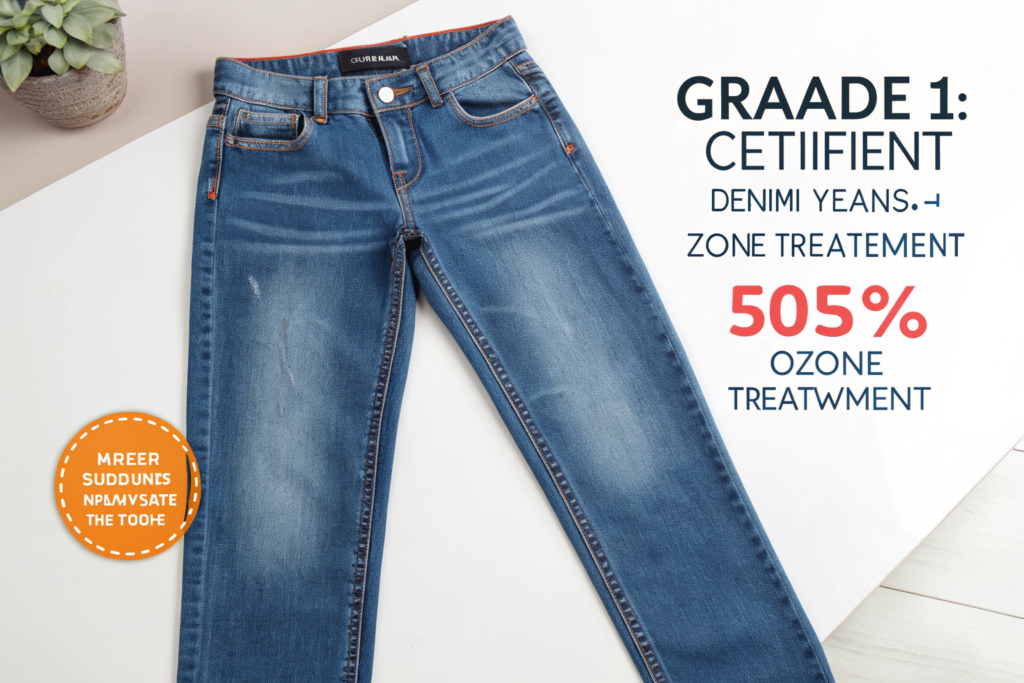
We recently developed a line of Grade 1 certified denim for preteens. Instead of using a standard stone-wash process with pumice and harsh chemicals, we used a combination of ozone washing and enzyme treatment. This achieved the desired vintage look without degrading the cotton fibers, resulting in a pair of jeans that retained its strength and color saturation 50% longer than the conventional version, as per our in-house accelerated wear tests.
How does this affect the "hand-me-down" potential?
This is a critical lifecycle extension for families. Grade 1 clothing isn't just durable for one child; it's durable enough for siblings. The combination of color retention, shape retention, and maintained fabric integrity means the garment still looks and feels good when it's passed down. For parents, this multiplies the value of the initial purchase. Brands can actively market this "hand-me-down quality" as a key selling point, tapping into both economic and sustainability values. It transforms a product from a single-use item into a family asset.
Can certified construction details enhance durability?
Yes, certification pushes for better overall quality. For instance, the thread used must also be compliant. We often recommend and use core-spun threads (polyester core with cotton wrap) for stitching Grade 1 items. They are stronger and more abrasion-resistant than standard cotton thread, leading to seams that are less likely to rupture during active play. This attention to detail across all components, mandated by the "whole article" testing approach, builds a more robust final product.
What Is the Economic and Environmental Impact of Extended Lifecycle?
Extending the active life of clothing is the single most effective strategy for reducing its environmental footprint. The carbon footprint and water usage are front-loaded in the production phase. Every additional wear cycle spreads that impact thinner.
For a preteen garment, doubling its useful life from, say, 20 wears to 40 wears can nearly halve its per-wear environmental impact. OEKO-TEX Grade 1 contributes to this by:
- Reducing Replacement Frequency: Longer-lasting clothes mean fewer new items need to be produced and purchased.
- Supporting Circular Models: Durable, high-quality items are better candidates for resale, rental, or donation.
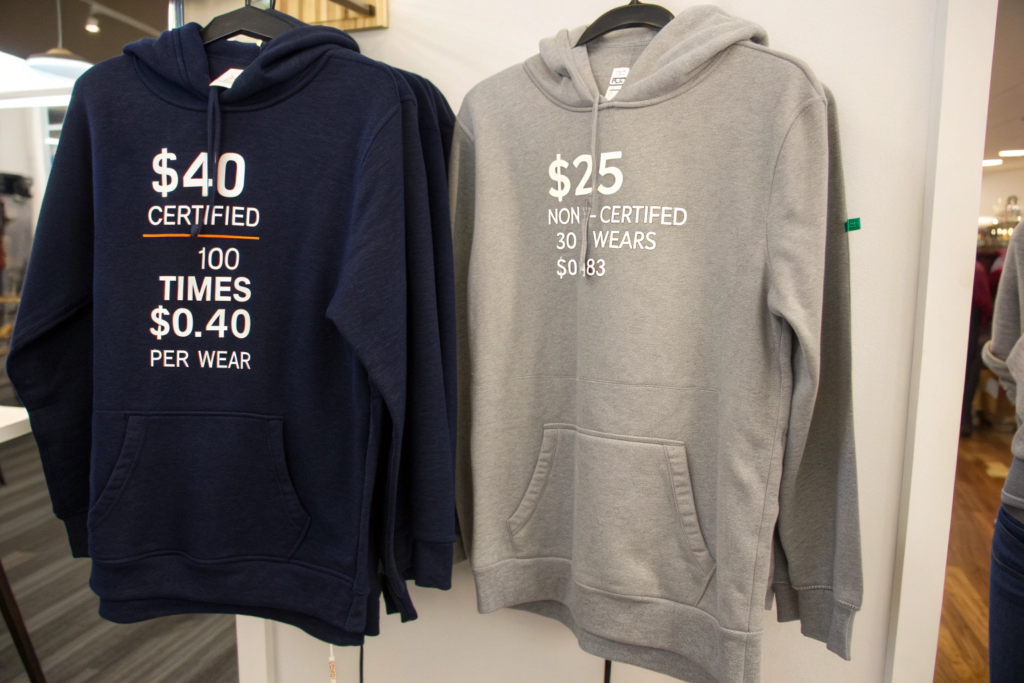
From an economic perspective for the consumer (the parent), it improves cost-per-wear. A $40 certified hoodie worn 100 times costs $0.40 per wear. A $25 non-certified hoodie that pills and fades after 30 wears costs $0.83 per wear. The certified item is the better financial investment, a powerful message for value-conscious families.
How can brands communicate this lifecycle value?
Brands should move beyond "safe" and talk about "engineered to last." Messaging can include:
- "Wash after wash, our colors stay true so their favorites last longer."
- "Built for play and made to pass on: certified for safety and durability."
- "Better cost per wear, for your wallet and the planet."
Providing care instructions that align with the certification (e.g., "Wash at 30°C to maintain color and fabric life") reinforces this partnership in longevity. This aligns with broader principles of circular fashion.
What data supports the lifecycle extension claim?
While long-term consumer studies are ongoing, accelerated lab testing provides clear evidence. We conducted a comparative test on two batches of children's t-shirts: one standard and one OEKO-TEX Grade 1. After 50 simulated home washes (ISO 6330 standard), the Grade 1 shirts showed:
- Color difference (ΔE): 4.0 for standard (noticeable fading).
- Pilling rating: 4 (minimal pilling) vs. 2 (severe pilling).
- Tensile strength loss: 25%.
This quantifiable data is what we share with our brand partners to justify the investment in Grade 1 certification.
Conclusion
OEKO-TEX Standard 100 Grade 1 certification is a powerful, under-leveraged tool for extending the lifecycle of preteen clothing. Its value extends far beyond a safety badge, acting as a comprehensive quality protocol that ensures garments resist the specific ravages of an active child's life: frequent washing, abrasion, sweat, and growth. By enforcing superior colorfastness, structural stability, and chemical cleanliness, it creates clothes that don't just survive but thrive over time, maintaining their appeal, comfort, and integrity.
For brands, this means products that generate fewer returns, foster greater customer loyalty through satisfied parents and happy kids, and support a credible sustainability story. For manufacturers like Shanghai Fumao, it represents a commitment to building better, more responsible products. For the end consumer, it delivers on the promise of true value—clothing that lasts, safe in the knowledge that its longevity isn't achieved through harmful chemicals, but through superior, verified craftsmanship.
In a market saturated with fast fashion for kids, offering durable, Grade 1 certified clothing is a decisive competitive edge. It aligns with the growing parental desire for fewer, better things that endure both physically and emotionally.
Ready to develop a preteen line where safety and longevity are designed in from the first sketch? Partner with a manufacturer who understands the science of durability. Contact our Business Director Elaine at Shanghai Fumao to begin: elaine@fumaoclothing.com.