This is one of the most common questions I receive from American apparel brand owners, especially those just starting out. You want to test multiple designs in the market without committing to large quantities of any single style. The good news is that style mixing is not only possible - it's a strategy we actively encourage for smart product development.
Yes, you can absolutely mix styles to meet minimum order requirements. In fact, we recommend this approach for 70% of our startup and small batch clients. Style mixing allows you to create diverse collections while maintaining production efficiency and cost-effectiveness.
The key is understanding how to mix styles strategically to maximize your collection's potential while working within practical production constraints.
What Are The Practical Rules For Style Mixing?
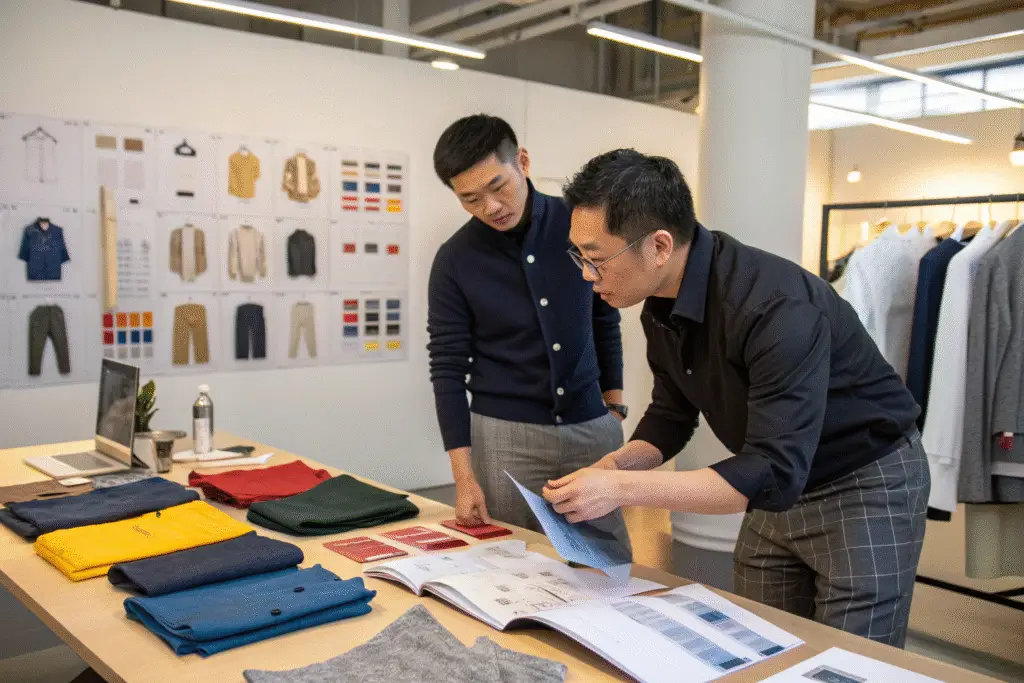
Style mixing isn't a free-for-all - there are strategic guidelines that ensure production efficiency while giving you the variety you need. Understanding these rules helps you plan collections that are both creative and commercially viable.
Last month, a Denver-based brand mixed four different shirt styles to reach our 200-piece minimum. By keeping the same premium cotton fabric across all styles and maintaining consistent sizing, they created a cohesive collection while testing multiple design directions with their target audience.
How many different styles can I combine effectively?
The ideal number for style mixing is typically 3-5 variations. This provides enough diversity for meaningful market testing while maintaining production efficiency. Beyond 5 styles, the production efficiency decreases significantly due to frequent machine changeovers and operator adjustments. We recently worked with a Los Angeles brand that successfully mixed 4 trouser styles - straight leg, tapered, wide leg, and cropped - using the same fabric and basic construction, allowing them to test different silhouettes with their customers.
What elements should remain consistent across mixed styles?
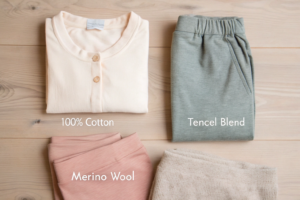
Maintaining consistency in fabric, garment sizing, and core construction is crucial. When you use the same fabric across multiple styles, we can optimize cutting and reduce waste. Consistent sizing means pattern grading remains efficient. Shared construction elements like pocket types, seam finishes, or placket styles reduce machine setup time. A Seattle client mixed three jacket styles while keeping the same lining fabric, zippers, and button types - this strategic consistency allowed them to meet our 150-piece minimum while creating distinct products.
How Does Style Mixing Affect Production Costs?
Understanding the cost implications of style mixing helps you make informed decisions about your collection planning. While mixing styles increases some setup costs, the overall economics often work in your favor compared to producing single styles in tiny quantities.
The cost structure changes from a per-style model to a more balanced approach that rewards smart planning and strategic consistency across your collection.

Are there additional costs for multiple styles?
Yes, but they're typically manageable. Each additional style requires separate pattern making, sampling, and machine setup. However, these costs are significantly lower when styles share common elements. For example, if three shirt styles use the same collar and cuff construction, you save on pattern development and operator training time. We provide transparent cost breakdowns showing exactly how much each additional style adds to your total, helping you make budget-conscious decisions.
How can I optimize costs when mixing styles?
The most effective cost optimization comes from strategic grouping. We recommend what we call "style families" - groups of garments that share key components. A Chicago brand recently created a "utility family" of four garments sharing the same heavy-duty cotton twill fabric, industrial zippers, and bar-tack reinforcement stitching. This approach reduced their total cost by 25% compared to producing four completely unrelated styles. The cost optimization came from bulk material purchasing and streamlined production processes.
What Are The Most Effective Style Mixing Strategies?
Successful style mixing requires more than just combining random designs. The most effective approaches follow proven strategies that balance creativity with production practicality.
Through working with hundreds of American brands, we've identified several mixing strategies that consistently deliver strong results while maintaining production efficiency.
What is the fabric-first mixing approach?
The fabric-first approach involves selecting one primary fabric and creating multiple styles around it. This is particularly effective for fabric utilization and cost control. We recently helped a Miami brand create six different styles using the same organic cotton jersey - from basic tees to henleys and long-sleeve variations. The consistent fabric allowed for optimized cutting and reduced minimums from 100 pieces per style to 50 pieces across six styles (300 total pieces), giving them a complete capsule collection.
How does the silhouette variation strategy work?
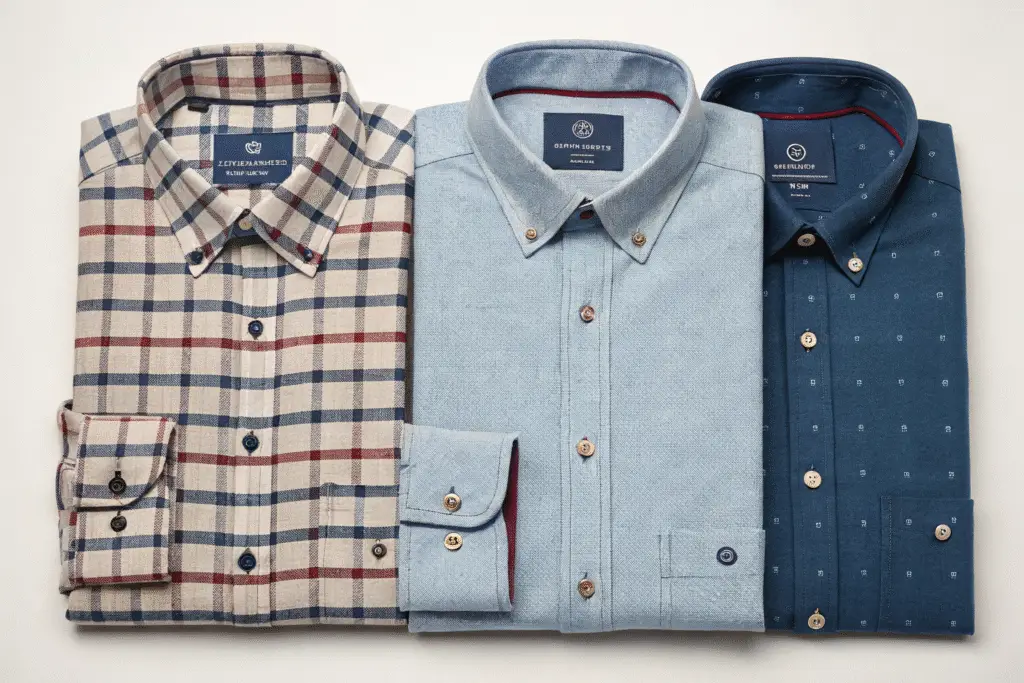
Silhouette variation keeps the basic garment type consistent while exploring different shapes and proportions. A New York client created a "shirt project" featuring the same basic shirt design in four different silhouettes - classic fit, slim fit, oversized, and cropped. This approach minimized pattern-making costs while maximizing design impact. The key was maintaining consistent seam construction and finishing techniques across all variations, ensuring production efficiency.
What Common Mistakes Should I Avoid When Mixing Styles?
While style mixing offers tremendous benefits, certain pitfalls can undermine your success. Being aware of these common mistakes helps you avoid costly errors and production delays.
Most mixing problems stem from inadequate planning or misunderstanding production constraints. With proper guidance, these issues are completely avoidable.

Why is fabric compatibility crucial?
Incompatible fabrics can create production nightmares. We had a client who mixed styles using a heavy denim and a delicate silk - the different fabric handling requirements meant constant machine adjustments and specialized operators for each style. This defeated the efficiency gains of style mixing. Understanding fabric properties and grouping compatible materials is essential. We now provide fabric compatibility guidance during the design phase to prevent such issues.
How does complexity grading affect mixed style production?
Mixing simple and highly complex styles often backfires. A Portland brand combined basic t-shirts with intricately embroidered jackets - the production time and skill requirements were so different that it created scheduling conflicts and quality consistency issues. We recommend grouping styles with similar complexity levels or creating a graduated production schedule that accommodates different skill requirements without compromising efficiency.
Conclusion
Style mixing is a powerful strategy for meeting minimum order quantities while building diverse, market-responsive collections. By following strategic guidelines around fabric consistency, complexity management, and production planning, you can create compelling product assortments that align with both your creative vision and commercial objectives. The approach has helped countless American brands launch successfully without the burden of excessive inventory in any single style.
If you're ready to explore how style mixing can work for your next collection, our team has extensive experience helping brands optimize their product assortments. Contact our Business Director Elaine today at elaine@fumaoclothing.com to discuss your specific needs and discover how strategic style mixing can accelerate your brand's growth.