You're designing your next golf collection. The mood board is full of sleek lines, modern color palettes, and innovative silhouettes. Then, the practical voice chimes in: "What about OEKO-TEX? Won't that limit our fabric choices and force us into boring, basic styles?" This is the central tension many designers feel. But here's the truth: that tension is based on an outdated myth. In today's market, viewing style and certified safety as opposing forces is a strategic mistake that can leave your brand behind.
Absolutely, golf apparel can be—and increasingly must be—both highly stylish and OEKO-TEX certified. The notion that certification compromises style is a relic of a time when certified fabrics were limited to basic commodities. Modern textile innovation has completely decoupled safety from aesthetics, offering a vast universe of certified performance fabrics in every weight, texture, color, and finish a designer could desire. The real challenge is not finding stylish certified materials, but shifting the design process to prioritize safety as a foundational creative parameter, not a post-design constraint.
Let's dismantle this myth and explore how leading brands are merging cutting-edge design with uncompromising safety.
Has the "Certified Fabric" Aesthetic Changed?
Dramatically. A decade ago, OEKO-TEX certified options were often associated with unbleached, natural-looking basics. Today, the certification is agnostic to aesthetics; it's a chemical safety standard, not a style guide. The evolution of the mills supplying the market has been transformative.
Advanced mills now produce OEKO-TEX certified fabrics that include:
- High-Color Vibrancy and Complex Dyeing: Certified reactive and pigment dyes offer deep, rich colors and sophisticated patterns like heathered melanges and jacquards.
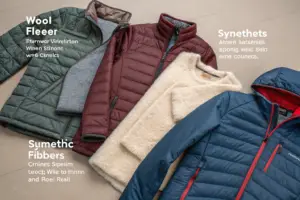
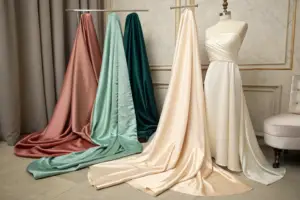
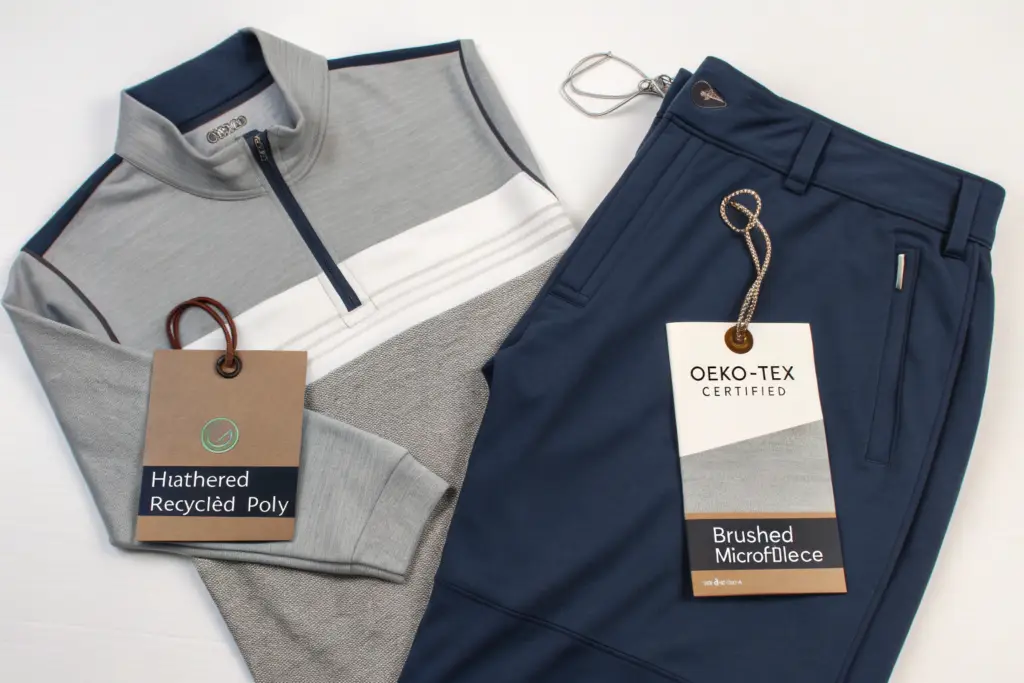
- Innovative Textures: Brushed micro-sandwich fabrics for warmth, structured piques for classic polo collars, lightweight mesh for ventilation, and sleek satin-finish technical knits.
- Performance with Style: Fabrics with inherent four-way stretch, matte finishes that look premium, and sophisticated sheens—all while maintaining moisture-wicking and UV-protection properties.
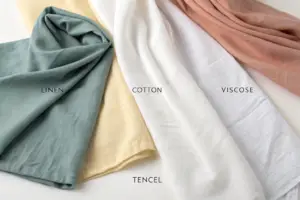
- Eco-Materials: Certified recycled polyester with a soft hand-feel, Tencel™ blends for drape, and organic cottons in various weights and knits.
The palette is no longer limited; it's expansive. The constraint is not availability, but knowledge of where to find these materials. This is where a manufacturing partner with a curated, forward-looking supply network becomes a designer's greatest asset.
What's a Real-World Example of Stylish, Certified Design?
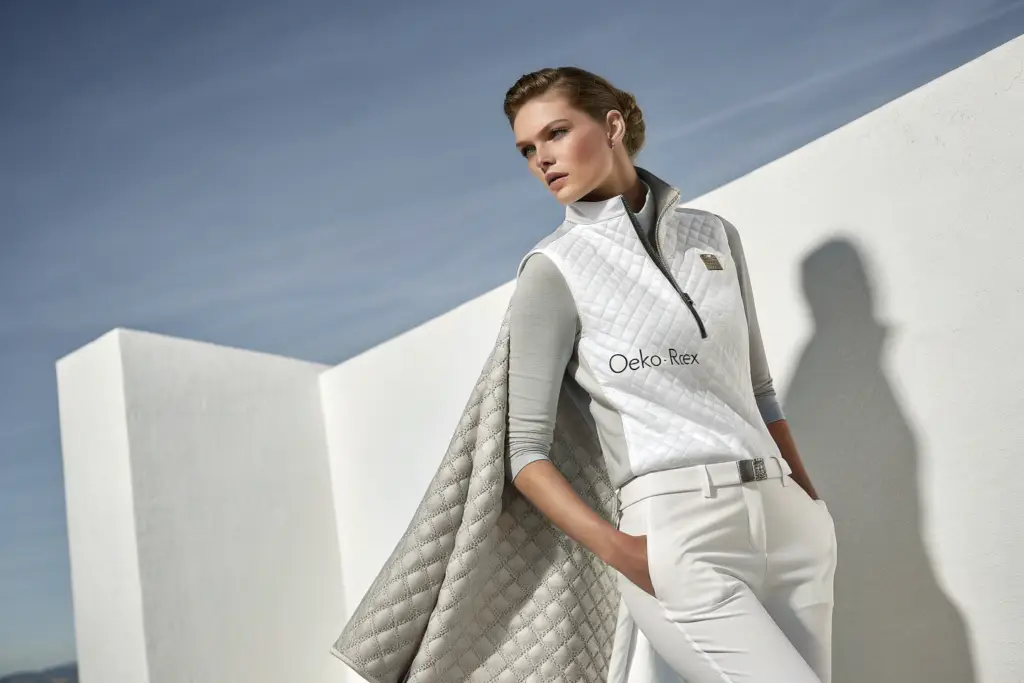
Consider a minimalist golf vest. The design calls for a sleek, water-repellent outer shell with a contrasting, breathable mesh lining and matte-finish branded zippers. Every component can be OEKO-TEX certified: the shell fabric with a DWR finish, the mesh, the sewing thread, the zipper tape and slider, and even the bonded seam tape. The result is a garment that is technically advanced, visually sharp, and verifiably safe. We worked with a brand to execute precisely this, and it became their best-selling outerwear piece, praised for both its look and its "clean" proposition.
How Does the Design Process Need to Shift?
To successfully marry style and certification, the design process must be inverted. Instead of Design -> Source -> Certify (which often leads to compromise or failure), the process must be Certify -> Source -> Design.
- Start with the Certified Material Library: Begin your creative exploration within the catalog of certified fabrics and trims provided by your manufacturer. Treat it as your palette.
- Design with the Materials in Mind: Sketch and prototype with the specific textures, weights, and performance properties of these certified materials. This is designing with intention, not limitation.
- Integrate Trims from the Start: Factor in certified trims (buttons, zippers, thread colors) as key design elements, not afterthoughts.
This approach is liberating, not restrictive. It forces a deeper collaboration between design and production, leading to more innovative and executable products. At Shanghai Fumao, we initiate projects with a "Certified Creative Briefing," where we present our material library as the first spark for the design team's inspiration.
Does This Limit "Runway" or Avant-Garde Styles?
Not necessarily. Avant-garde design often relies on unconventional materials or treatments. The challenge and opportunity lie in innovating within the certified framework. This might mean working with a mill to develop a new certified finish for a unique texture or using certified printing techniques for bold graphics. It pushes creativity into the realm of material science, which can become a unique brand signature.
How to Handle Seasonal Color Trends?
Major dye houses develop their seasonal color palettes using OEKO-TEX compliant dye recipes. By working with a factory that sources from these leading mills, your brand can access on-trend colors that are pre-certified. The key is forecasting and locking in fabric orders early to align with both fashion and production timelines.
What Role Does the Manufacturer Play in Enabling Style?
Your manufacturing partner is the bridge between your stylistic vision and certified reality. Their capability directly determines your creative freedom.
A manufacturer that enables style will have:
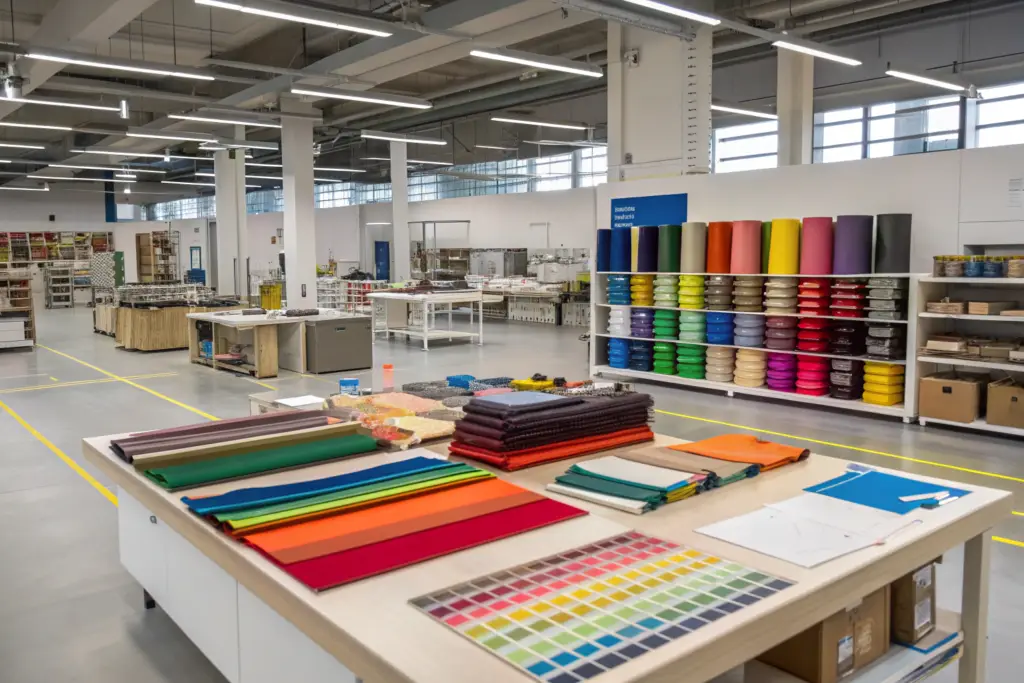
- A Deep, Curated Fabric Library: Not just a few basic options, but a wide range of certified fabrics sorted by weight, function, hand-feel, and aesthetic (e.g., "sleek performance," "natural texture," "premium touch").
- Technical Design Support: Expertise to advise on how certified fabrics will drape, sew, and perform in your intended design. They can warn you if a very lightweight certified mesh might not provide the structure you want for a collar, suggesting a better alternative.
- Trim Sourcing Creativity: The ability to source certified trims that are also stylish—think matte metal buttons, custom engraved zipper pulls, or recycled polyester woven labels.
- Sample-Making Agility: The ability to produce accurate sales samples and pre-production samples using the exact certified materials, so you can see, feel, and approve the style before bulk production.
A factory that merely executes orders will say, "Send us the fabric." A true partner like Shanghai Fumao says, "Here are the beautiful, safe fabrics we can build your vision with."

Can Small Brands Access This Level of Style and Certification?
Yes, through the collective buying power and expertise of the right full-package manufacturer. While a small brand couldn't commission a mill to develop a new certified fabric, they can access the existing innovative fabrics that the manufacturer has already sourced for its collective client base. This democratizes high-style, certified production.
How Do You Market "Style + Safety" to the Consumer?
Once you've created a stylish, certified collection, the marketing narrative is powerful. You move beyond "safe but boring" or "stylish but questionable" into a new category: "Consciously Crafted Performance."
Your messaging should highlight:
- The Dual Benefit: "Look as good as you feel. Performance-driven design meets verified skin safety."
- The Design Integrity: "We didn't sacrifice style for safety. We engineered both from the first sketch."
- The Material Story: "This sleek, moisture-wicking fabric is OEKO-TEX certified, so you can focus on your game, not your gear."
Visual marketing should be unequivocally stylish—using models, settings, and photography that emphasize fashion and performance. The certification is woven into the story through clean icons on product pages, "ingredient" lists, and behind-the-scenes content about fabric selection.

What's the Competitive Advantage?
In a crowded market, this combination is a formidable differentiator. It appeals to the style-conscious golfer who also values health and wellness. It allows you to command a premium price by offering a more complete value proposition: aesthetic pleasure, functional performance, and peace of mind. A brand that masters this blend is not just selling clothing; it's selling a superior, modern lifestyle choice.
Conclusion
The question is not can golf apparel be both stylish and OEKO-TEX certified, but how can it afford not to be? The market, driven by informed consumers and savvy retailers, now demands this synthesis. The tools—advanced certified fabrics, innovative trims, and sophisticated manufacturing partners—are readily available. The barrier is no longer technical; it's perceptual.
By embracing certified materials as the starting point for creative exploration, designers can unlock a new realm of responsible innovation. The result is apparel that doesn't force a choice between looking good and feeling secure, but delivers both as a non-negotiable standard. This is the future of golf apparel: where the most stylish piece on the course is also the safest.
Stop seeing safety as a limit to your creativity. Start seeing it as the new foundation for authentic, market-leading design. If you're ready to create a golf line where style and substance are inseparable, let's begin with the materials that make it possible. Contact Shanghai Fumao’s Business Director Elaine today. Request access to our curated library of stylish, OEKO-TEX certified fabrics and let's discuss how to turn your design vision into a certified reality. Reach her at elaine@fumaoclothing.com. Let's design the future of golf, one safe, stylish stitch at a time.