For years, fast fashion thrived on a simple formula: ultra-low prices, trendy styles, and lightning-fast delivery from overseas. But new U.S. trade proposals—including a flat $50 de minimis fee per imported package—threaten to upend this model entirely. For brands like Shein and Temu, the consequences could be seismic.
If a $50 de minimis fee is implemented, many fast fashion brands relying on direct-to-consumer low-value shipments from China will struggle to survive in the U.S. market. Their profit margins are razor-thin, and the entire customer value proposition rests on affordability.
As policymakers rethink customs exemptions, let’s unpack what this fee means for the fast fashion ecosystem—and what comes next.
How Would a $50 De Minimis Fee Change Online Shopping?
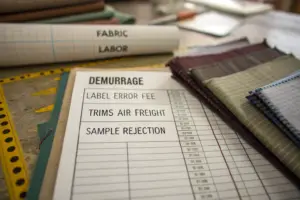
Fast fashion thrives on $8 tops and $12 dresses. Add a $50 fee per item, and the model collapses instantly.
A flat $50 de minimis charge would eliminate fast fashion’s pricing edge by making cheap imports more expensive than premium domestic options.
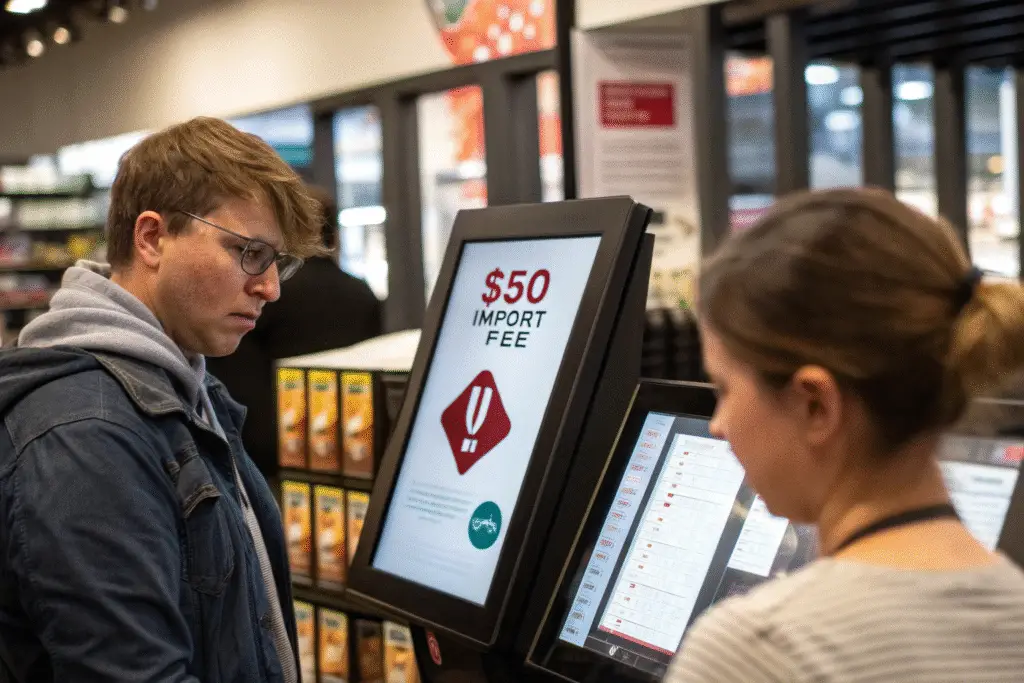
Will Customers Abandon Cheap Brands Over Fee Shock?
Definitely. The psychological impact of a $50 charge on a $10 shirt is massive. Surveys from PYMNTS.com reveal that unexpected charges at checkout result in over 70% cart abandonment.
This is catastrophic for platforms like Shein and Temu that rely on price-sensitive impulse buying.
Could These Fees Lead to Cart Consolidation Strategies?
Possibly. Some brands might try bundling purchases or raising minimum order values to justify the fee. However, since the $50 proposal is per shipment rather than per order, this workaround has limited utility. Customers won’t accept fast fashion that feels like luxury pricing with worse quality.
What Business Models Will Collapse First?
The businesses that drop-ship single low-cost items to American consumers are most vulnerable.
Low-ticket DTC importers from China will likely be wiped out. U.S.-based fulfillment centers for Chinese brands may see delays and restructuring.
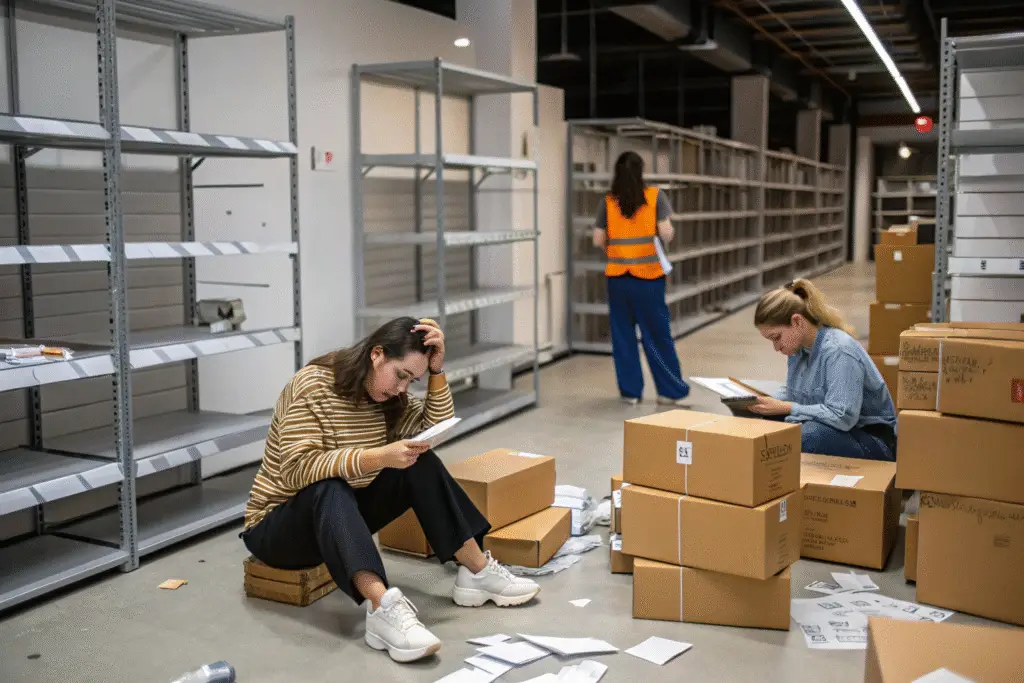
Can Small Fast Fashion Sellers Survive on Marketplaces?
Not easily. Amazon, eBay, and Etsy sellers who rely on direct China-to-US shipments will lose all cost advantage. Since many of these shops sell <$20 items, the margin cannot absorb $50 in import costs. Even resellers on TikTok Shop may see sales crash if suppliers don’t subsidize shipping.
Are Mid-Tier Brands Also at Risk?
Yes—especially those who outsource fulfillment via AliExpress and similar platforms. These brands, while slightly higher-end, still bank on duty-free or de minimis benefits. If the threshold disappears or becomes prohibitively expensive, they must localize inventory or exit the U.S. market entirely.
Could Chinese Brands Reroute Through Warehouses Abroad?
Facing fee pressure, large players may reconfigure supply chains to reduce the hit.
To bypass the new fee, brands may reroute bulk inventory through third-country warehouses and shift to U.S. domestic shipping.

Will Mexican Fulfillment Hubs Solve the Problem?
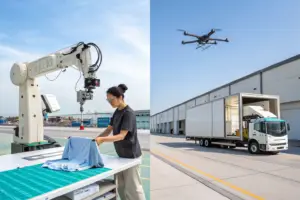
Possibly. Mexico-based 3PLs are expanding to accommodate bulk apparel shipments from Asia, then using ground transport for last-mile delivery. According to Logistics Management, this approach avoids air parcel classification, dodging per-package de minimis fees.
But setup costs and delays make this viable only for large-scale players like Temu, not small brands.
Can Domestic Warehousing Be a Long-Term Solution?
It’s expensive but necessary. Chinese fashion platforms like Shein have already leased massive warehouses in California and Chicago. Domestic warehousing eliminates customs friction and fees—but requires strong capital reserves, which most microbrands lack. Partnering with US-based 3PLs might help mitigate some of the cost shocks.
What Will Be the Impact on U.S. Apparel Market?
If fees hit fast fashion imports hard, U.S. brands may regain price competitiveness for the first time in a decade.
The $50 fee could level the playing field—boosting domestic brands while pushing foreign low-cost players out.
Yes. Brands that previously lost market share to ultra-cheap overseas sellers may now compete on price and delivery again. Retailers like Old Navy and Target could see a rebound if DTC giants are hit with costly reforms.
However, this is also a chance for mid-tier brands to revisit their own supply chains and delivery guarantees.
Will This Spark a Race Toward More Ethical Sourcing?
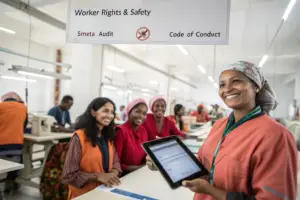
Potentially. Fast fashion has long been criticized for environmental and labor issues. If de minimis loopholes close, brands may be forced to re-express value through sustainability. According to Business of Fashion, consumer interest in ethics rises when price gaps shrink.
Conclusion
The fast fashion sector is at a crossroads. If the proposed $50 de minimis fee becomes reality, most ultra-low-cost importers from China will vanish from the U.S. stage. What replaces them may be slower—but also fairer, more local, and surprisingly competitive.
For fashion entrepreneurs and sourcing managers, now is the time to rethink fulfillment, tariffs, and long-term value creation. At Fumao Clothing, we’re already helping partners establish U.S.-friendly, fee-resilient production lines—with logistics models adapted to tomorrow’s rules.