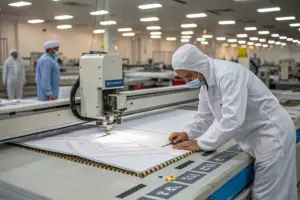
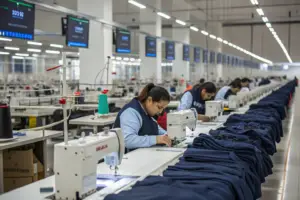
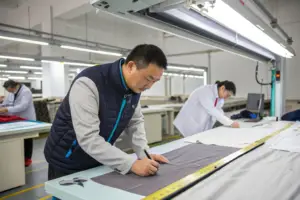
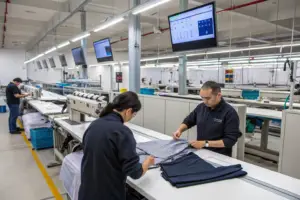
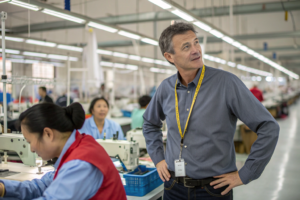
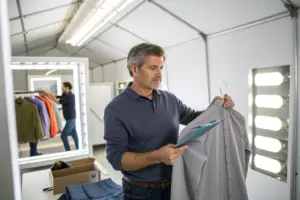
The intersection of fast-fashion business models and the high-performance ski apparel market creates a complex technical and ethical puzzle. Fast-fashion ski styles—trend-driven, affordable, and quick-to-market—are often characterized by lower price points, rapid material sourcing, and compressed production timelines. OEKO-TEX® STANDARD 100 Class 1, conversely, represents the pinnacle of textile safety, with the most stringent limits for substances harmful to health, designed for baby and toddler products. At first glance, these two concepts seem diametrically opposed. However, the question isn't whether they can meet; it's at what cost, and what fundamental compromises to the "fast-fashion" model are required to make it possible.
Technically, yes, fast-fashion ski styles can be manufactured to meet OEKO-TEX® Grade 1 requirements. However, achieving this necessitates a complete overhaul of the traditional fast-fashion supply chain, involving pre-certified material inventories, longer lead times, higher material costs, and a shift from purely cost-driven to value-and-risk-driven sourcing. The operational and economic realities of Class 1 certification are fundamentally at odds with the core tenets of ultra-fast, low-cost, disposable fashion. Therefore, a brand attempting this is not practicing "fast-fashion" in the conventional sense; it is creating a responsible, quick-turn apparel line that happens to be fashion-forward.
At Shanghai Fumao, we engaged with an online retailer known for rapid-turnaround trend pieces who wanted to test a capsule collection of "ski-inspired" padded jackets and bibs with a Class 1 claim. Their usual 6-week design-to-delivery timeline and razor-thin margins were immediately challenged. We demonstrated that to achieve Class 1, they needed to select from our pre-vetted inventory of certified fabrics and trims, extending sourcing time. The dyeing process for certified fabrics required stricter controls, adding days. The cost of certified materials alone added 35-40% to their standard fabric cost. They successfully launched the capsule, but at a 70% higher retail price and on a 12-week timeline. The collection sold based on its "ultra-safe" marketing story, not its speed or low price, proving the model had to change to accommodate the standard.
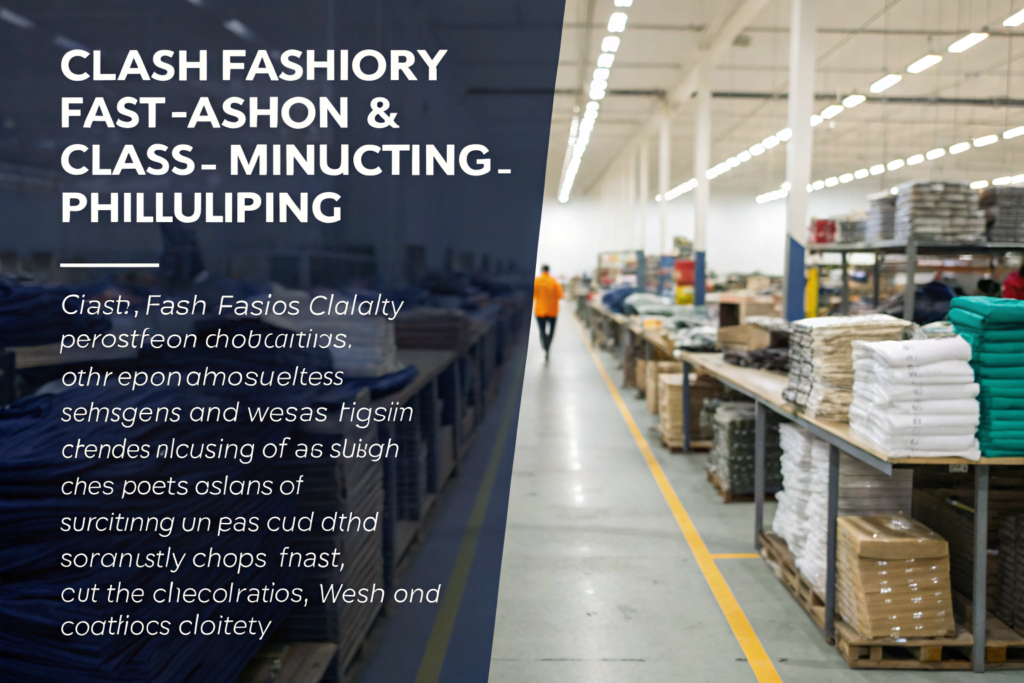
What Are the Fundamental Conflicts Between Fast-Fashion and Class 1?
The business model of fast-fashion is built on specific pillars that Class 1 certification directly undermines. Understanding these conflicts is key to evaluating feasibility.
The fundamental conflicts lie in sourcing flexibility, cost structure, lead time, and product lifecycle philosophy. Fast-fashion relies on opportunistic, spot-market buying of the cheapest available materials; Class 1 requires planned sourcing from a certified, audited, and more expensive supply base with full traceability. This is a clash between reactive agility and proactive control.
Let's break down the core conflicts:
| Fast-Fashion Pillar | OEKO-TEX® Class 1 Requirement | Resulting Conflict |
|---|---|---|
| Ultra-Low Cost | Premium-priced certified materials (fibers, dyes, finishes) and third-party testing fees. | Economic Viability: The per-unit cost increase (25-50%+) erodes the low-margin model. The retail price must rise significantly. |
| Speed-to-Market (6-8 weeks) | Time for material certification verification, batch testing, and production in segregated, controlled factory lines. | Timeline Bloat: The "fast" element is lost. Sourcing from certified inventories adds time; you cannot buy fabric off the spot market. |
| Trend-Driven, Volatile Sourcing | Fixed, traceable supply chain. Every component (thread, zipper, print) must be from certified suppliers. | Loss of Flexibility: Cannot quickly switch mills or trim suppliers to chase a better price or trend. The supply chain is "locked" to certified partners. |
| High Volume, Disposable Mindset | Investment in quality and safety implies a longer, safer product lifespan. | Philosophical Dissonance: Marketing a disposable item as "ultra-safe" is contradictory and can be seen as greenwashing. |
For a ski style, which requires some degree of technical performance (water resistance, insulation), the conflict is even sharper. Cheap, non-certified waterproof coatings often use restricted chemistries. Switching to Class 1 compliant alternatives is costly and may affect performance if not carefully engineered.
How Does This Affect the "Quick Turn" Design Process?
In fast-fashion, designs are finalized based on available, cheap materials. For Class 1, the design must be based on available certified materials.
This reverses the process. Instead of "design first, source later," it becomes "source (certified materials) first, design within constraints." A brand must work from a manufacturer's library of pre-certified fabrics, like the one we maintain at Shanghai Fumao. This limits color options, fabric weights, and finishes to what is already in the certified pipeline, drastically reducing the spontaneous, trend-chasing design freedom central to fast-fashion.
What Would a "Feasible" Hybrid Model Look Like?
For a brand determined to produce faster-turn, fashion-forward ski styles with Class 1 certification, a new, hybrid operational model must be adopted. This model borrows agility from fast-fashion but is built on the bedrock of a responsible supply chain.
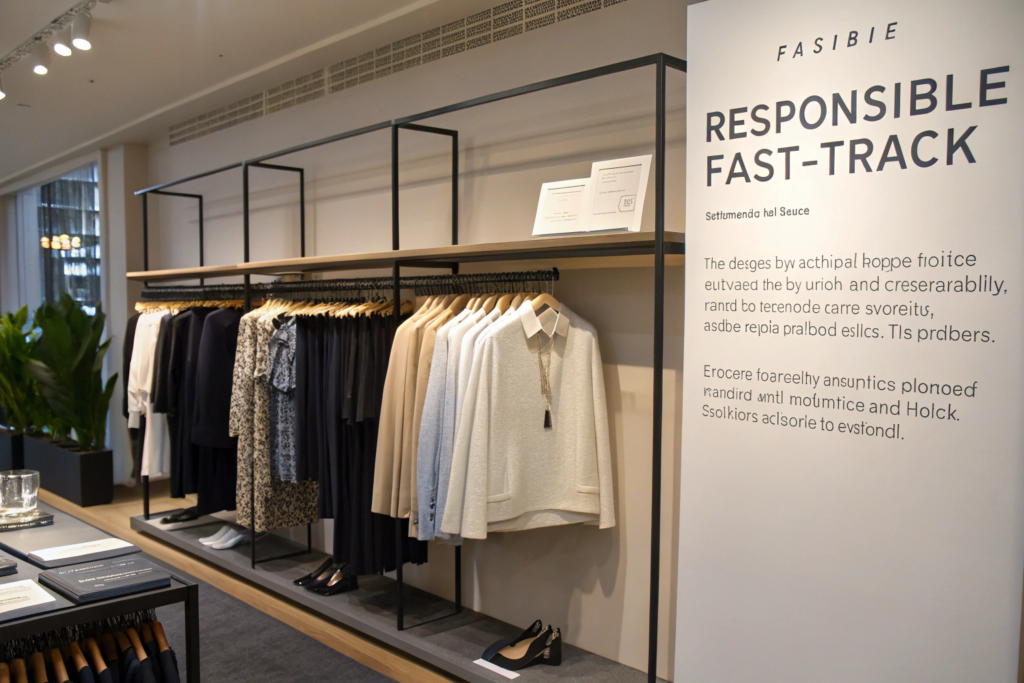
A feasible hybrid model operates on a "capsule collection" basis, utilizing a manufacturer's standing inventory of pre-certified "base materials," focusing on simplified constructions, and accepting higher price points marketed as "accessible luxury" or "responsible fashion." This model sacrifices some speed and cost for integrity, creating a new category: "Responsible Fast-Track" apparel.
Key elements of this model:
- Pre-Certified Material Bank: Partner with a manufacturer that stocks greige (undyed) or standard-color fabrics already certified to Class 1. The brand can then customize within this palette. This is how we enable smaller runs at Shanghai Fumao.
- Standardized Components: Use a limited set of certified zippers, buttons, and threads across all styles to minimize certification overhead and complexity.
- Extended, But Managed, Timeline: Move from a 6-week to a 12-14 week timeline. This allows for proper sourcing, testing, and production control without traditional fashion's 6-month cycle.
- Transparent Costing & Pricing: Accept a higher wholesale cost and communicate the value (e.g., "Class 1 safety at a non-designer price") to justify a higher, but not luxury, retail price.
Could a Brand Achieve This at Scale?
Scaling this model is challenging but possible with deep vertical integration. It would require:
- A dedicated manufacturer with massive investment in certified raw material stocks.
- Forecasting trend colors and fabrics seasons in advance to pre-certify them.
- Extremely efficient, almost automated, changeovers on production lines.
This is not impossible, but it describes a highly sophisticated, capital-intensive operation closer to Zara's vertical model than to a typical fast-fashion wholesaler. It transforms fast-fashion from a sourcing strategy into a manufacturing and logistics strategy built on a certified foundation.
What Are the Most Common Compromises and "Shortcuts" to Avoid?
The pressure to reconcile low cost and high certification will tempt brands and suppliers to take dangerous shortcuts. These compromises invalidate the certification and expose the brand to severe risk.
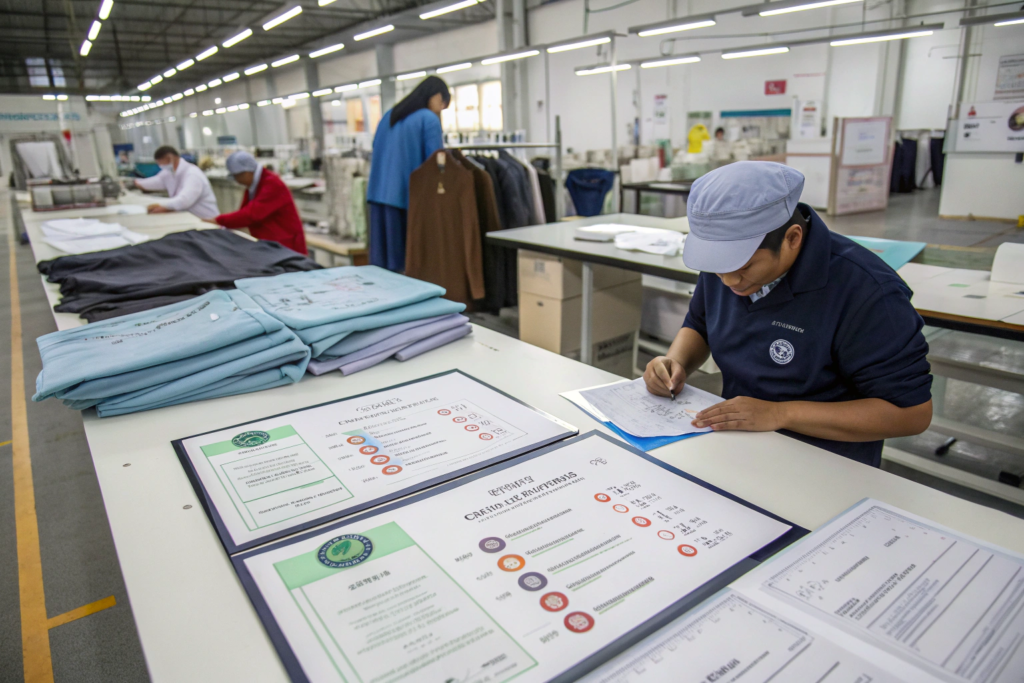
Common, dangerous compromises include: using Class 1 certified fabric only for the outer shell while using non-certified lining or insulation; applying for certification based on a "golden sample" while producing bulk with different, cheaper materials; or falsifying or using expired component certificates. These practices are forms of certificate washing and are rampant in price-sensitive segments.
As a brand, you must have safeguards:
- Insist on Full-Component Certification: The certificate for the finished garment is void if any article making up >1% of the weight is uncertified. Demand certificates for every component.
- Conduct Unannounced Spot Checks: Use a third-party inspection service to visit the factory during production, take random finished garments, and have them tested independently. This is a powerful deterrent.
- Verify Certificates Yourself: Use the OEKO-TEX® online database to check the validity and scope of every certificate provided by your supplier, from fabric to zipper.
At our factory, we welcome and facilitate such audits because our system is designed for integrity. A supplier resistant to transparency is a major red flag.
Is "Class 1 Style" Without Certification an Option?
Some brands might consider using the aesthetic of babywear (soft pastels, cute prints) and marketing a "gentle" or "skin-friendly" claim without actual Class 1 certification. This is highly risky and potentially illegal.
- Greenwashing: Making implied safety claims without proof can lead to regulatory action and consumer backlash.
- Legal Liability: If a child has a reaction, the lack of certification will be used as evidence of negligence.
- Retailer Rejection: Reputable retailers require proof for such claims.
The only ethical and safe path is to obtain the actual certification.
What Is the Realistic Price and Time Premium?
For budgeting and planning, brands need concrete numbers. The premium is significant but quantifiable.
For a typical fast-fashion ski style (e.g., a quilted jacket), transitioning to full OEKO-TEX® Class 1 certification can add a 40-60% premium to the FOB (ex-factory) cost and extend the production timeline by 4-6 weeks compared to an uncertified equivalent. This is based on material premiums, testing fees, and controlled production.
Cost Breakdown Example (Per Jacket):
- Base Manufacturing Cost (Uncertified): $20.00
- Class 1 Fabric Premium: +$4.00 - $6.00 (20-30%)
- Certified Trim & Thread Premium: +$1.00
- Certification Management & Testing Fee: +$1.50 - $3.00 (amortized per piece)
- Controlled Production Surcharge: +$1.00
- Estimated Class 1 FOB Cost: $27.50 - $31.00
Time Breakdown:
- Uncertified Timeline: 6-8 weeks (sourcing to shipment).
- Class 1 Timeline: 12-14 weeks. Added time for: certificate verification (1 week), potential lab testing of new materials (2 weeks), segregated production scheduling (1 week).
These figures make it clear that the fast-fashion business model, which often operates on sub-10% margins, cannot absorb this cost. The product must be repositioned and repriced.
Conclusion
Can fast-fashion ski styles meet OEKO-TEX® Grade 1 requirements? The answer is a qualified yes—they can be physically produced to meet the standard, but they cannot be produced under a traditional fast-fashion operational or economic model. The attempt to do so forces a transformation into a different category altogether: responsibly-made, trend-responsive apparel. The brand must trade sheer speed for integrity, and lowest cost for verified safety.
For consumers, this is a positive evolution—pushing even trend-driven segments toward higher safety standards. For brands, it represents a strategic choice: either continue with conventional fast-fashion and forgo credible safety claims, or innovate a new, hybrid model that uses agility and trend-spotting within a framework of certified responsibility. The latter is more challenging but builds a defensible, trustworthy brand for the future.
If you are aiming to create stylish, quicker-turn ski wear that doesn't compromise on the highest safety standards, you need a manufacturing partner built for this balance. At Shanghai Fumao, we combine a pre-certified material ecosystem with agile production planning to support this very challenge. Contact our Business Director Elaine to explore creating certified, fashion-forward ski styles: elaine@fumaoclothing.com.