In crowded markets, functional clothing alone isn’t enough. Custom-printed apparel becomes a walking brand billboard—and a loyalty builder.
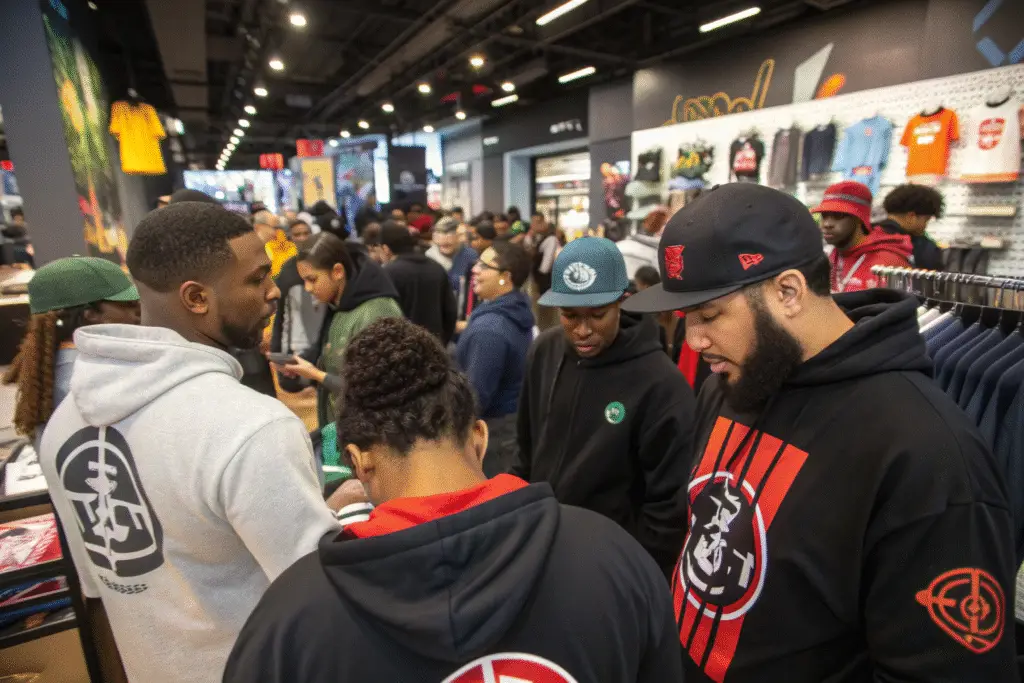
In competitive retail and lifestyle sectors, logo-branded apparel deepens emotional connection, encourages repeat purchases, and acts as free marketing on the go.
As a clothing manufacturer serving U.S. brand owners, I’ve seen how a well-placed logo on quality apparel sold at the right moment can create repeat customers—and ripple referrals.
What Makes Logo Apparel an Emotional Brand Tool?
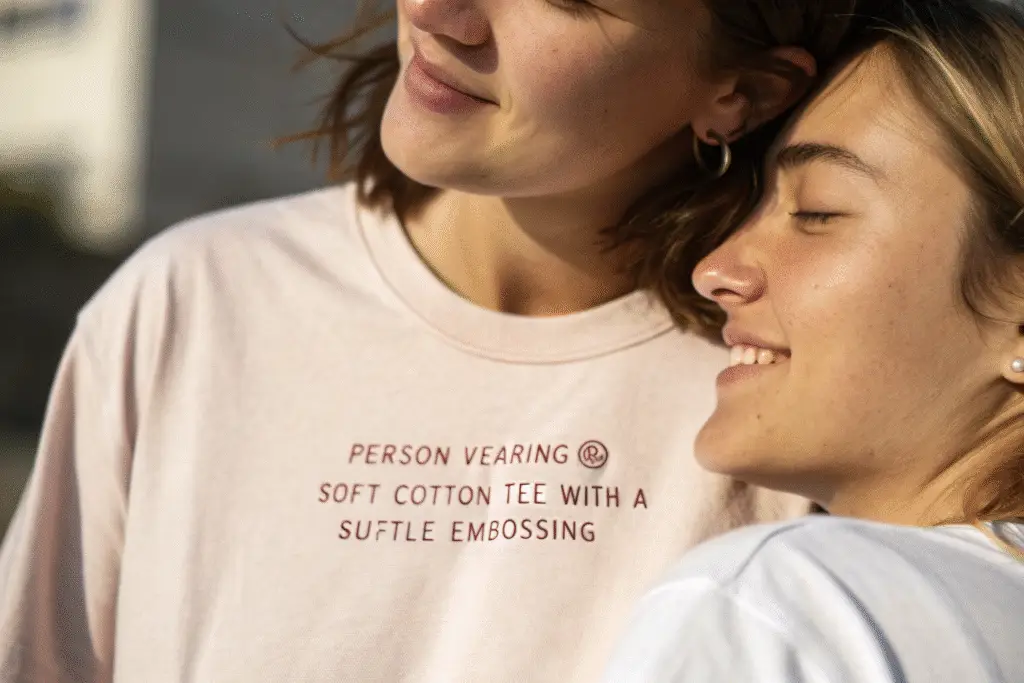
Branded apparel isn’t just fabric—it's a badge of identity.
When someone wears your logo, they're saying “I belong.” That builds a deeper bond than any ad campaign.
Why Do Consumers Connect with Branded Clothing?
Walking in someone else’s shoes affects trust. According to Harvard Business Review, people emotionally identify with brands that align with their values and lifestyle. Apparel acts as a daily reminder of that connection.
How Does Logo Apparel Compare to Gifts?
Logo merch feels personal. A well-designed T-shirt or cap lasts longer and gets worn more than pens or keychains. Customers keep and reuse them, which keeps your brand top of mind.
Does Custom Apparel Offer Real Loyalty Lift?
Data shows branded apparel drives both emotion and revenue.
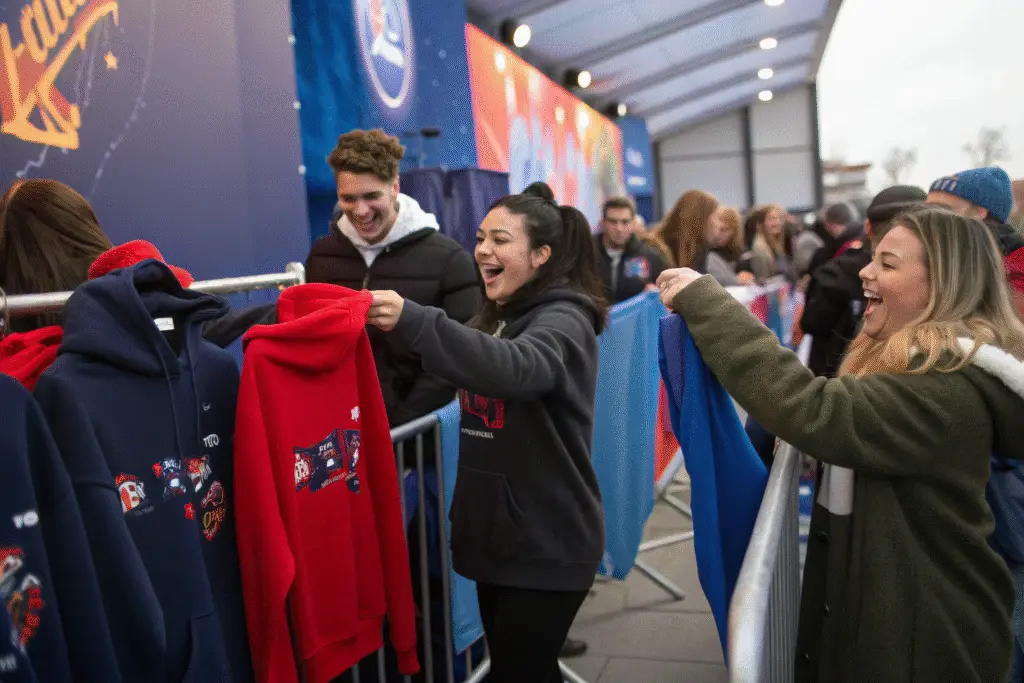
Retailers using logo apparel report 15–25% increase in repeat purchases among merch buyers.
What Do Industry Studies Say?
A survey by Forbes shows 70% of consumers say custom merch improves their brand affinity. Apparel scored highest in both usage and display over other physical swag.
How Does Apparel Compare to Discounts?
Discounts drive short-term sales. Apparel drives long-term relationships. Logo pieces give shoppers something lasting—not just a deal. That retention beats ROI on discounts over time.
How Should Brands Use Logo Apparel Strategically?
Timing and quality are key. You must treat logo apparel like a product line.
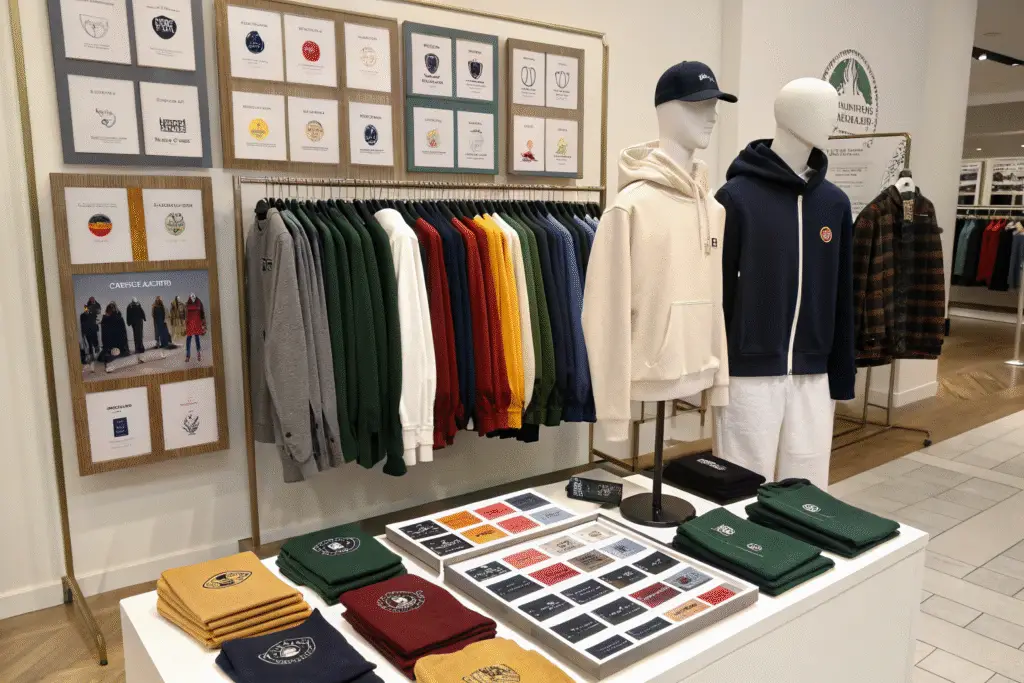
Launch limited-edition drops, seasonal designs, and event merch that reinforce brand story.
Should Pop-Ups or E-Commerce Drive Apparel?
Both. Events build buzz and Instagram shares. Your website captures loyalists and repeat buyers. Use social content to encourage purchases online after the event ends.
How Many SKUs and Which Price Points?
Start small:
- 2–3 SKUs per season (e.g., tee, hoodie, cap)
- Price margin of 50%+ to make it sustainable
Focus on quality materials—customers wear these often. Think 30–40% margin on cost makes it worthwhile.
Can Logo Tactics Help Distinguish in Overcrowded Markets?
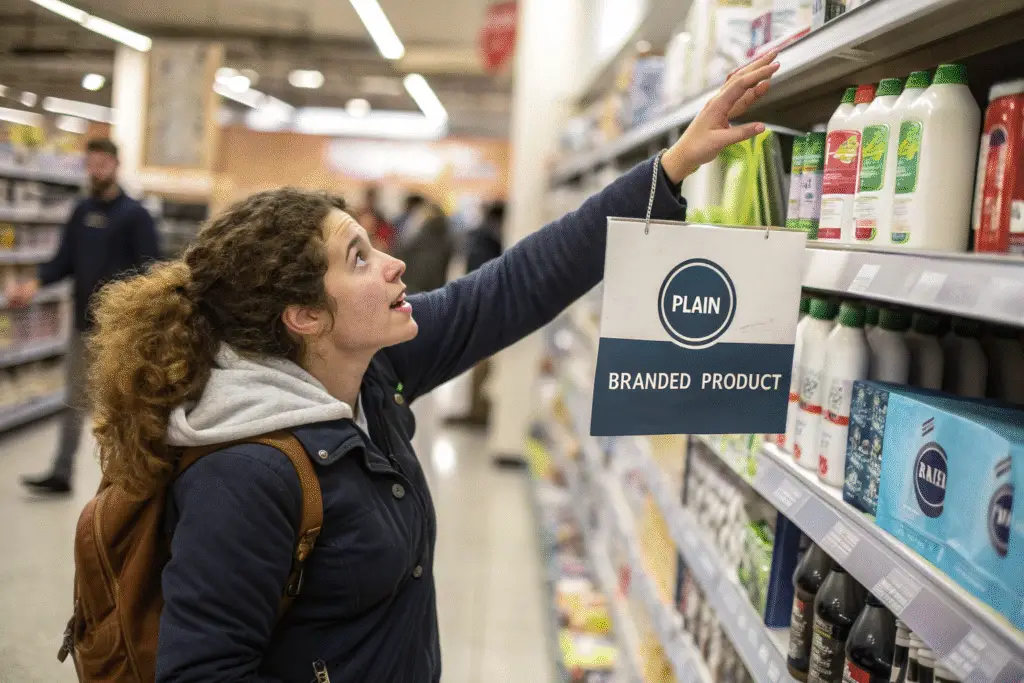
Every market has limited space in shopper’s mind. Custom logo apparel gives physical differentiation.
That visual “stamp” helps your products avoid blending in with white-label alternatives.
How Do Logo Pieces Reduce Competitive Pressure?
Shoppers who buy merch are emotionally invested. They’re less price-sensitive and more loyal. That gives your brand more control over pricing and placement.
What About Wholesale Impact?
Retail buyers love merch too. Offering a co-branded hoodie or staff wear helps them showcase brand identity in-store—opening up new partnership and display opportunities.
How Do You Design Logo Apparel that Resonates?
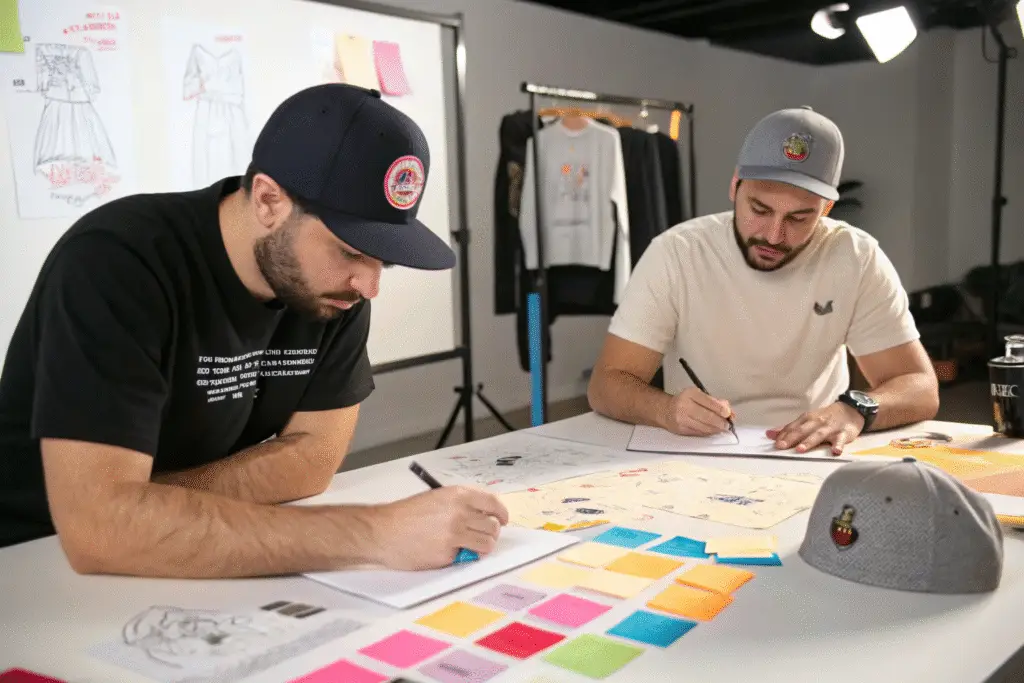
Budget printing methods matter too. Screen-print, embroidery, silicone patches, and woven labels each come with cost and visual impact.
Strike a balance between design, durability, and unit cost.
What Printing Method Should You Choose?
- Screen-printing: Bold, cost-effective for volumes
- Embroidery: Premium and tactile
- Silicone patches: Modern, rugged
- Woven labels: Subtle luxury branding
Each style changes perceived quality and cost. Embroidery adds +$1–2, but prestige often pays back.
Does Fabric Quality Matter?
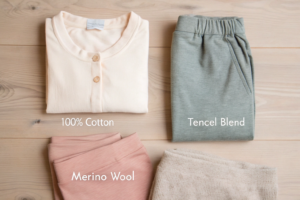
Absolutely. A soft combed cotton shirt feels premium—and that emotional feel spreads. Cheap fabric undermines the effort. Choose mid-weight (180–220 g/m²) jersey knits that hold up to washing and repeat wear.
Conclusion
In competitive markets, your brand needs more than another product—it needs presence.
Custom logo apparel turns customers into walking endorsers. It strengthens loyalty, increases repeat purchases, and helps your brand stand out.
With thoughtful design, production quality, and strategic merchandising, logo merch becomes a sales tool—and a long-term investment in emotional connection.