As U.S. tariffs climb—especially for products from India, Vietnam, and other developing countries—many apparel buyers are searching for ways to cushion the blow. Raising retail prices can scare off customers. Cutting quality damages the brand.
But what if bundling apparel with accessories could absorb 15–20% tariff costs without killing your margin? It’s not just possible—it’s a growing trend among smart U.S. brands.
We’ve seen this firsthand working with buyers who combine tees with hats, belts with jackets, or socks with gym shorts to offset duty spikes and shipping costs. Let’s dive into how bundled pricing works and when to use it.
What Is Apparel-Accessory Bundling and Why Use It Now?
Bundling means selling two or more complementary products together—either as a combo pack or a limited-time set. For apparel brands, it can be a powerful lever to:
- Offset tariff costs by packaging higher-margin items
- Improve average order value (AOV)
- Reduce logistics fees by consolidating SKUs
Post-tariff, bundling allows brands to average cost increases across multiple items—effectively absorbing 15–20% more import duties per shipment.
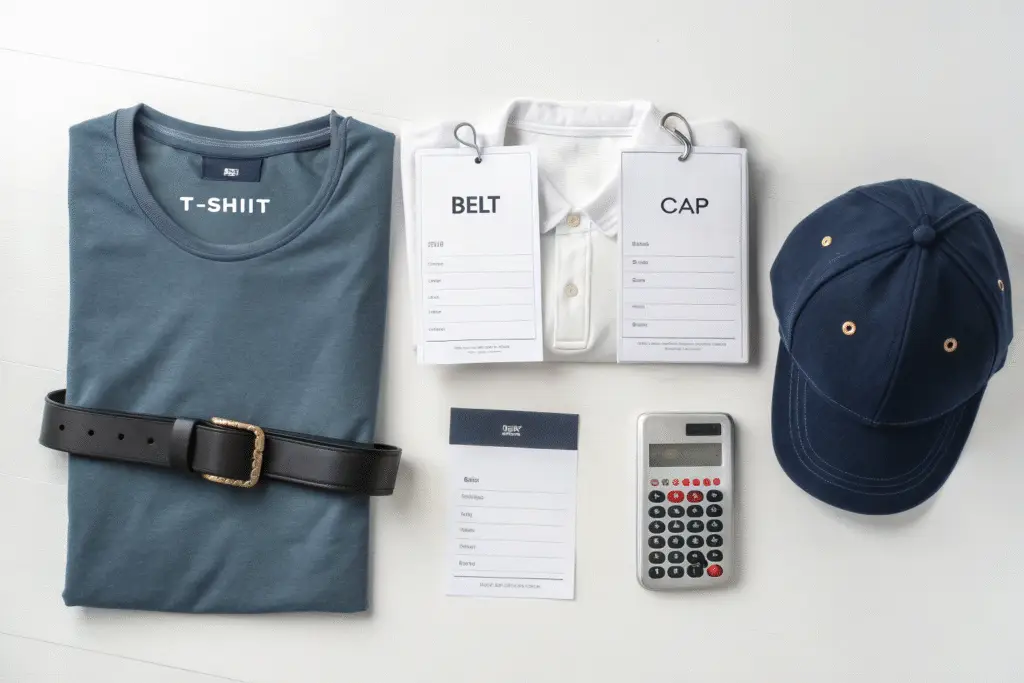
How Does Bundling Help With Tariff Absorption?
Here’s a simple example:
| Item | Cost per unit | Tariff % | Tariff $ | Profit margin |
|---|---|---|---|---|
| T-Shirt | $3.50 | 16% | $0.56 | $1.20 |
| Belt | $1.90 | 0% (low) | $0.00 | $1.10 |
| Bundle | $5.40 | 10.4% avg | $0.56 | $2.30 |
By including a low-duty item (belt) with a high-duty one (tee), the effective tariff impact is diluted—a tactic many brands now use to maintain stable landed costs.
What Product Combos Work Best?
We recommend:
- Tees + hats or bags
- Dresses + hair accessories
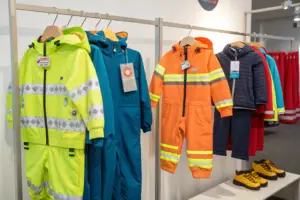
- Kidswear + headbands or socks
- Jackets + belts
Your supplier must confirm that all items in the bundle are declared correctly under U.S. HTS codes to avoid customs misclassification.
What Are the Legal and Logistics Requirements for Bundling?
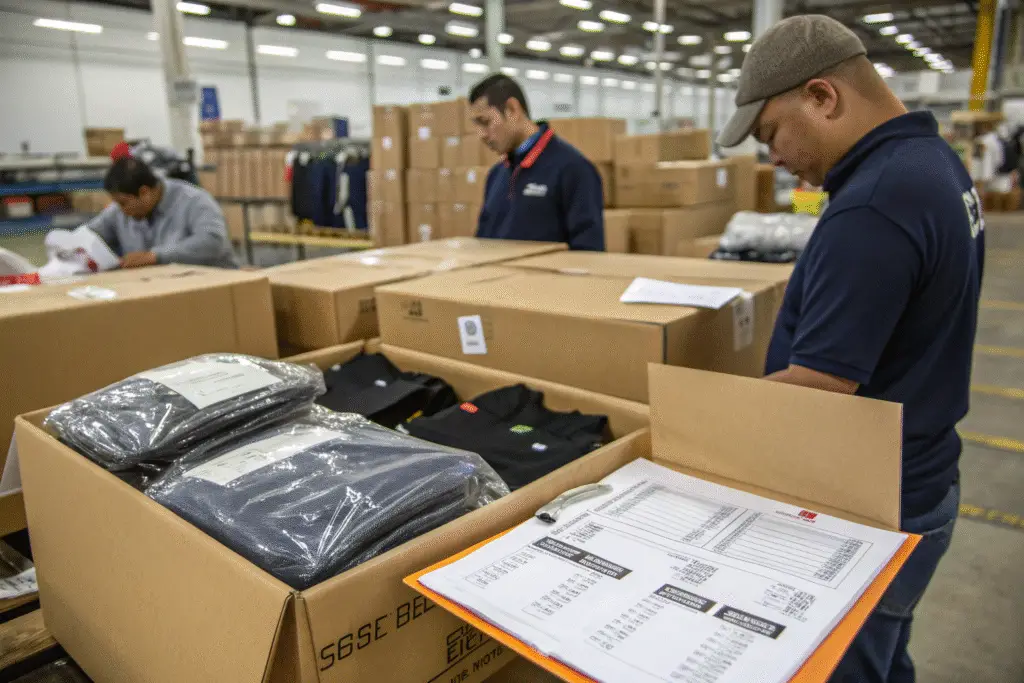
Bundling across product categories requires strategic logistics planning and correct customs declarations. Otherwise, it can backfire during inspection.
To stay compliant, all bundled items must be accurately declared under their respective HS codes, even if sold as a unit.
Do U.S. Customs Allow Apparel + Accessory Bundles?
Yes—but only if:
- Each item’s material and function are clearly declared
- The bundle isn’t designed to intentionally obscure tariff classification
- It’s not misleadingly packaged to avoid duty on high-tax items
A belt tucked inside a T-shirt sleeve isn’t going to fly. But a properly boxed, itemized set with full labeling will pass CBP review.
Check CBP bundling rules for full guidelines.
How Do You Structure Logistics for Mixed Bundles?
You have two main options:
-
Pre-pack at factory
- Items are grouped, packed, and labeled at the production site
- Customs invoices include bundle composition
-
Bundle at U.S. 3PL warehouse
- Import as separate SKUs, then kitted together for final sale
- Avoids bundled declaration but increases warehouse cost
The choice depends on volume, brand positioning, and whether you sell through DTC channels or wholesale.
Can You Negotiate Better Pricing from Factories with Bundling?

Bundling isn’t just about customs—it’s also a factory negotiation tool. You can often get better unit costs if your factory produces both garments and accessories.
At Shanghai Fumao, we help U.S. buyers consolidate bundles in-house—across T-shirts, bags, belts, and caps—cutting up to 12% off cumulative production costs.
What Do Suppliers Prefer: Mixed Orders or Bundles?
Most prefer bundles. Why?
- Fewer shipping cartons
- Easier logistics and QC
- Higher total PO values
You can even request “accessory add-on discounts” when ordering apparel in bulk. For example:
“If I order 5,000 T-shirts, can you offer 10% off cap bundles added to the same shipment?”
Factories with vertical integration or established accessory partnerships can make this seamless.
What’s the MOQ Impact of Bundling?
Bundling often lowers MOQ per SKU. If your apparel MOQ is 1,000 units and your belt MOQ is 500, a bundle of 1,000 sets satisfies both.
Many Chinese factories now support MOQ pooling across product types, especially if made in the same facility or trade zone.
How to Position Bundled Products to Maximize Sell-Through?

Bundled pricing doesn’t just benefit margins—it boosts conversion and loyalty if marketed right. In fact, bundles often convert 30–50% better than single items due to perceived value.
To succeed, bundle presentation must feel curated—not clearance.
How Do You Create Desire, Not Discount?
Avoid “3-for-1” language. Instead, highlight:
- Style cohesion: “Built for weekend adventures.”
- Exclusive combos: “Only 500 sets available.”
- Time sensitivity: “This set won’t restock.”
Show the full look worn together on models or UGC (user-generated content). Use TryNow or Shopify Bundles for easy implementation.
What Retail Channels Work Best for Bundles?
- DTC websites with conversion optimization
- TikTok Shops or influencer campaigns
- Subscription boxes or flash sale platforms
- B2B resale through platforms like Faire
These channels make it easy to test pricing elasticity, bundle popularity, and re-order patterns.
Conclusion
In a post-tariff world, bundling apparel and accessories isn’t just a pricing trick—it’s a smart sourcing and selling strategy. It smooths out duty spikes, raises average order value, and gives your brand a margin cushion.
At Shanghai Fumao, we help U.S. brands develop bundled collections with consistent quality, smooth logistics, and compliant documentation—ready for retail or DTC. Want to reduce tariff pressure without raising retail prices?
Email our Business Director Elaine at elaine@fumaoclothing.com and let’s build your next profitable bundle.