That surprisingly low manufacturing quote might seem like a win for your budget, but it often comes with hidden compromises that could damage your brand reputation and cost you more in the long run. Understanding the relationship between pricing and quality is essential for making informed manufacturing decisions that protect your business.
Lower initial quotes frequently mask quality compromises in materials, construction, and oversight that can increase returns by 25-40% and damage brand reputation. While competitive pricing is important, quotes 15-20% below market average typically indicate potential quality trade-offs that may cost 3-5 times more to address post-production. The true cost of manufacturing includes not just the price per garment, but the long-term value and customer satisfaction it delivers.
This investigation reveals how manufacturers achieve those tempting low prices and what quality elements are typically compromised to meet aggressive cost targets.
What Quality Elements Are Typically Compromised For Lower Prices?
Manufacturers achieve lower prices through specific cost-saving measures that directly impact garment quality. Understanding these common compromises helps you identify potential issues before they affect your products and brand reputation.
The most significant quality reductions typically occur in areas that aren't immediately visible but dramatically affect garment durability, comfort, and performance.
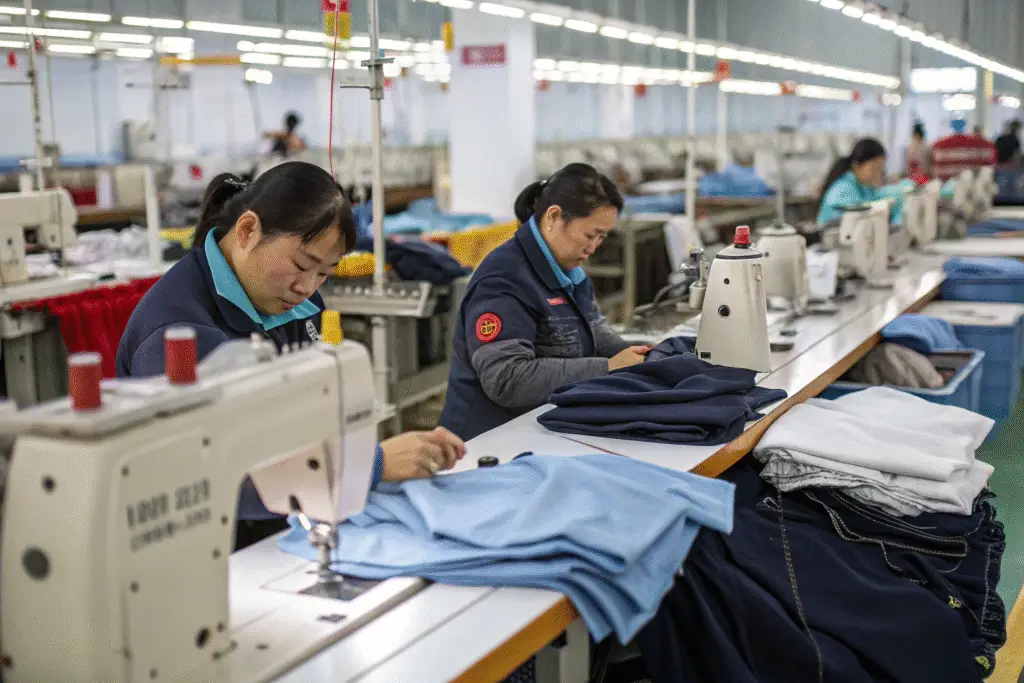
How do material substitutions affect garment quality?
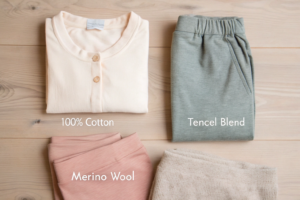
Common material compromises include:
- Fabric weight reduction using thinner, less durable materials
- Blend alterations increasing synthetic content to reduce costs
- Finish elimination skipping anti-pilling, pre-shrinking, or softening treatments
- Source changes moving from reputable mills to unknown suppliers
A activewear brand discovered their "cost-effective" manufacturer had substituted 92% cotton/8% spandex with 85/15 blend, reducing recovery and shape retention by 40% after multiple wears. The resulting fabric specification compromise led to a 28% return rate for their premium leggings. At Shanghai Fumao, we maintain transparent material sourcing to prevent such issues.
What construction shortcuts reduce manufacturing costs?
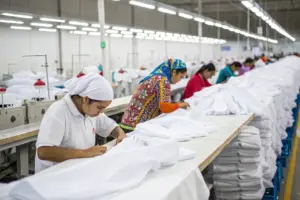
Production process compromises include:
- Stitch reduction using fewer stitches per inch for faster production
- Seam simplification eliminating reinforced or flat-lock seams
- Trim quality reduction using inferior zippers, buttons, and elastics
- Inspection reduction cutting quality control steps to save time
When a denim brand opted for a budget manufacturer, they discovered the factory had used single-needle construction instead of the specified double-needle felling on all seams, reducing durability and increasing seam failure by 35%. The construction compromise required a complete production rework costing $42,000.
How Do Hidden Costs Emerge From Initially Low Quotes?
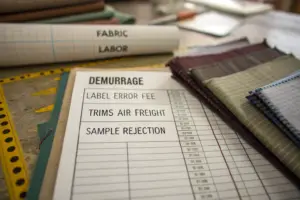
The apparent savings from a low initial quote often disappear when hidden costs emerge throughout the production process and after delivery. These unexpected expenses can quickly eliminate any initial price advantage while creating additional operational challenges.
Understanding the full cost lifecycle reveals why the cheapest option often becomes the most expensive choice.
Common unexpected production expenses include:
- Quality failure rework charges for correcting manufacturing defects
- Expedited shipping costs to meet deadlines after production delays
- Inspection failures requiring additional sorting and repair
- Communication overhead from resolving constant quality issues
A fashion startup learned this lesson when their "budget" manufacturer required 14 additional quality inspections and 3 rounds of rework, adding 32% to their initial costs and delaying their launch by 7 weeks. The true cost of poor quality far exceeded their initial savings.
How do post-production costs impact total expense?
Long-term costs from quality compromises:
- Customer returns processing and restocking expenses
- Refund administration and payment processing fees
- Brand reputation damage affecting future sales
- Marketing costs to recover from negative reviews
When an e-commerce brand experienced a 45% return rate due to quality issues from their low-cost manufacturer, their customer acquisition cost increased by 60% as negative reviews impacted conversion rates. The long-term brand impact demonstrated that initial savings were illusory.
What Are The Long-Term Business Impacts Of Quality Compromises?
The consequences of sacrificing quality for lower prices extend far beyond immediate financial considerations. Quality compromises can fundamentally damage your brand positioning, customer relationships, and market viability.
The most successful brands understand that quality is not an expense but an investment in business sustainability.
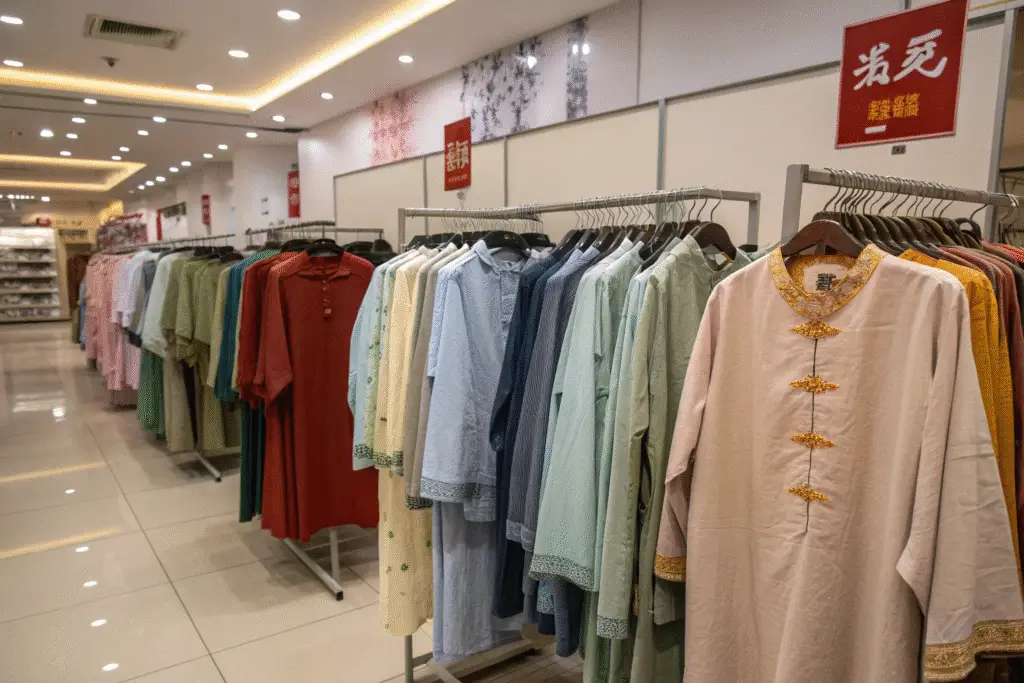
How does quality affect customer loyalty and retention?
Quality impacts customer relationships through:
- Repeat purchase rates that decline with quality perception
- Customer lifetime value reduction from early churn
- Word-of-mouth marketing that turns negative
- Brand advocacy that disappears with quality issues
Data from a contemporary brand showed that customers receiving high-quality garments had a 68% repeat purchase rate within 12 months, while those experiencing quality issues had only 22% retention. The customer retention impact of quality decisions is profound.
What is the reputation recovery timeline?
Rebuilding from quality failures requires:
- 6-12 months of consistently good quality to stabilize reviews
- 18-24 months of marketing investment to rebuild trust
- 25-40% higher acquisition costs during recovery period
- Extended sales cycles as buyers remain cautious
A premium apparel brand that compromised on quality to hit a price point spent 22 months and $280,000 in additional marketing to recover their brand positioning after negative reviews impacted their premium reputation. Reputation recovery costs often exceed any initial manufacturing savings.
How Can You Identify Quality Red Flags In Low Quotes?
Recognizing the warning signs in manufacturing quotes helps you avoid costly quality compromises. Certain pricing structures and communication patterns typically indicate where quality may be sacrificed to achieve aggressive pricing.
Developing the ability to identify these red flags protects your brand from making expensive mistakes.
What quote characteristics indicate potential quality issues?
Concerning quote elements include:
- Vague material specifications without detailed technical descriptions
- Consolidated pricing that doesn't break down cost components
- Missing quality control provisions or inspection details
- Unrealistically short timelines that suggest corner-cutting
When a outdoor brand received a quote 30% below competitors with vague fabric specifications and no quality control breakdown, they discovered during production that the manufacturer planned to use non-certified materials that failed performance testing. Recognizing manufacturing quote red flags prevented a brand-damaging outcome.
What communication patterns suggest quality risks?
Concerning manufacturer behaviors:
- Resistance to detailed specifications or technical discussions
- Avoidance of quality benchmark agreements or reference samples
- Pressure to reduce specifications to achieve lower pricing
- Limited transparency about factory conditions or capabilities
A sustainable brand avoided a problematic partnership when the manufacturer repeatedly avoided their request for detailed quality control plans and compliance documentation. This communication transparency issue indicated potential quality risks.
What Is The True Value Of Investing In Quality?
Understanding the comprehensive benefits of quality investment helps justify appropriate pricing and prevents the temptation of false economies. Quality manufacturing delivers value across multiple business dimensions that extend far beyond the initial price per garment.
The most profitable brands view quality not as a cost but as a strategic advantage.
How does quality manufacturing improve business performance?
Quality delivers measurable business benefits:
- Higher sell-through rates at full price points
- Reduced return rates and associated processing costs
- Lower customer acquisition costs through positive word-of-mouth
- Increased order values from confident repeat customers
Analysis across our client base shows that brands prioritizing quality achieve 3.2x customer lifetime value compared to cost-focused competitors, demonstrating the economic case for quality in apparel manufacturing.
What operational efficiencies come with quality focus?
Quality-focused manufacturing provides:
- Predictable production timelines with fewer delays from rework
- Reduced operational overhead from managing quality issues
- Streamlined communication with reliable manufacturing partners
- Scalable processes that maintain standards as production grows
A growing brand found that investing in quality manufacturing reduced their production management time by 55% and eliminated the need for a dedicated quality manager until they reached $15M in revenue. The operational efficiency of quality partnerships delivers significant hidden value.
Conclusion
Sacrificing garment quality for a lower initial quote represents a dangerous false economy that costs brands significantly more in returns, reputation damage, and lost customer loyalty. While competitive pricing is essential, quotes that seem too good to be true typically indicate quality compromises that will emerge as costly problems throughout the product lifecycle. The most successful brands understand that true value comes from balancing reasonable pricing with consistent quality that meets customer expectations.
Investing in quality manufacturing establishes a foundation for sustainable growth, customer loyalty, and brand reputation that cannot be recovered through short-term cost savings. If you're evaluating manufacturing options and want to ensure quality standards aren't compromised for pricing, Shanghai Fumao maintains transparent pricing while delivering consistent quality through rigorous processes and material standards. Contact our Business Director, Elaine, at elaine@fumaoclothing.com to discuss how we can help you achieve the optimal balance of quality and value in your next production run.