I remember a conversation with a buyer from Chicago a few years ago. He was excited. He had found a great supplier for his new line of jackets. The price was right. The samples were perfect. He placed a $60,000 order. Then the nightmare began. The supplier put the goods on a boat, sent him a bill of lading, and said "good luck." He had no idea how to handle the US customs entry. He didn't understand ISF filing or duties. He used a freight forwarder he found online, who made mistakes on the paperwork. His container was held at the port for two weeks. He paid thousands in storage fees and penalties. By the time the jackets arrived, the weather had warmed up, and his selling season was over. He called me, exhausted, and asked, "Why didn't my supplier help me with any of this?"
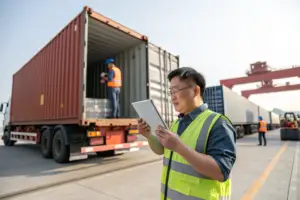
A manufacturer with genuine DDP expertise is not just a vendor; they are your logistics partner. DDP, or Delivered Duty Paid, means the manufacturer takes responsibility for the entire shipping process, including customs clearance, duty payment, and delivery to your door. By leveraging this expertise, you eliminate the complexity and risk of international shipping. You get one fixed price, one point of contact, and one guaranteed delivery date. You avoid hidden fees, customs delays, and the nightmare of paperwork. It turns a logistics puzzle into a simple domestic transaction.
My name is [Your Name], and I own Shanghai Fumao. We have been shipping DDP to North American clients for over a decade. We have learned the hard lessons so you don't have to. We have seen the mistakes that importers make, and we have built systems to prevent them. Let me explain exactly how DDP works and why it might be the smartest move you make this year.
What Exactly Does DDP Mean For Your Business?
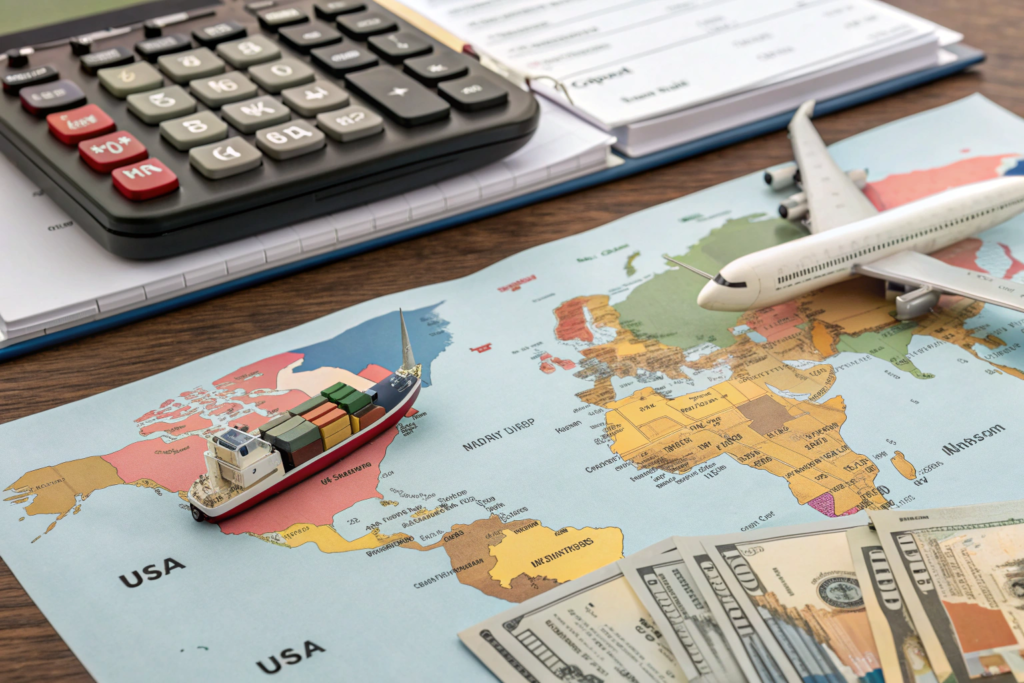
DDP is one of the Incoterms, or International Commercial Terms. These are the standard rules that define who is responsible for what in a shipping transaction. Under DDP, the seller (that's us, the manufacturer) takes on almost all the risk and responsibility. We arrange the freight. We handle export and import customs clearance. We pay the duties and taxes. We deliver the goods to your specified address in the USA. For you, the buyer, it is as simple as buying from a domestic supplier.
What are the other Incoterms, and why is DDP different?
The most common Incoterm is FOB (Free on Board). Under FOB, our responsibility ends once the goods are on the ship at the Chinese port. From that moment on, everything is your problem. You have to find a freight forwarder. You have to handle US customs. You have to pay the duties. You have to arrange trucking from the US port to your warehouse. Each of these steps involves a different company, different contracts, and different potential points of failure. DDP consolidates all of this. We are your single point of accountability. If the shipment is late, it's on us. If there is a customs problem, we fix it. This peace of mind is invaluable, especially for smaller brands or first-time importers. The International Chamber of Commerce publishes the official Incoterms rules, which are a great resource for understanding these definitions.
Is DDP more expensive than FOB?
The upfront cost per unit might look higher under DDP, because it includes freight, insurance, and duties. But you must look at the total landed cost, not just the product price. Under FOB, you have to pay for freight, customs brokerage, duties, and trucking separately. You also carry the risk of unexpected costs: demurrage charges if the ship is delayed, storage fees if the container waits at the port, or penalty fees if your customs broker makes a mistake. With DDP, the price we quote is the price you pay. There are no surprises. For a client in Texas who used FOB for years, they calculated that their "hidden" logistics costs added an average of 15% to their product cost. When they switched to DDP with us, their total cost was actually lower, and their stress level dropped to zero. This is the power of total cost analysis. At Shanghai Fumao, we provide transparent DDP quotes so you can budget accurately.
How Does A Manufacturer's DDP Expertise Prevent Customs Delays?
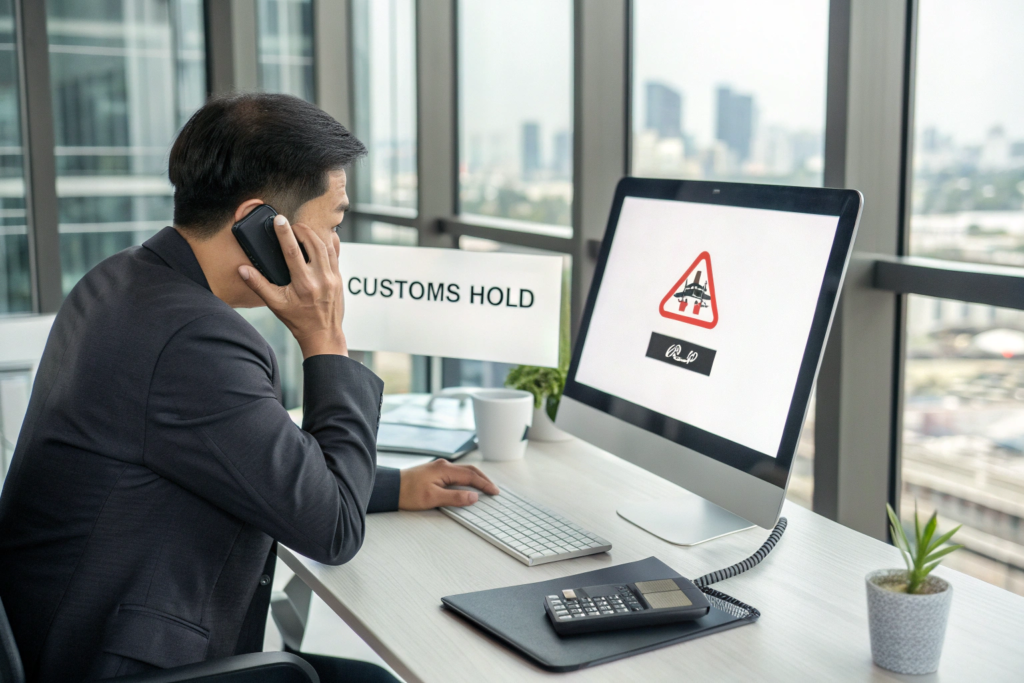
Customs is the biggest unknown for most importers. The rules are complex and they change. A small mistake on a form, a misclassified product, or an incorrectly calculated duty can put your entire shipment on hold for weeks. A manufacturer with real DDP expertise has a dedicated logistics team that deals with US Customs every single day. They know the rules. They know the common pitfalls. And they know how to fix problems fast.
Who handles the Harmonized Tariff Schedule (HTS) classification?
Every product imported into the USA has a specific HTS code. This code determines the duty rate. Getting this code wrong is a common and costly mistake. If you under-classify and pay too little duty, Customs can fine you and demand back payments. If you over-classify, you pay more than you need to. Our logistics team is trained in HTS classification for apparel. We know the difference between a cotton sweater and a synthetic sweater, and the different duty rates that apply. We classify your goods correctly from the start. For a client in Florida who imports a mix of woven and knit tops, we ensure every style has the correct 10-digit HTS code. This accuracy prevents holds and penalties. You can learn more about HTS codes from the US International Trade Commission website.
What is an ISF filing, and why does it matter?
The Importer Security Filing (ISF), also known as "10+2," is a document that must be filed with US Customs at least 24 hours before your goods are loaded on the ship in China. It contains detailed information about the importer, the supplier, and the goods. If it is filed late or incorrectly, Customs can issue a $5,000 fine. Under DDP, we handle the ISF filing. Our system is integrated with our shipping schedule. As soon as your goods are ready, we file the ISF accurately and on time. A few years ago, a client from Seattle had a near-disaster with a previous supplier who forgot to file the ISF. The shipment was delayed for weeks. When they came to us, their first question was about ISF. We assured them it was part of our standard DDP process. This single service saved them from future headaches. This requirement is enforced by US Customs and Border Protection.
How Does DDP Simplify Your Supply Chain And Cash Flow?
Importing should not be a side job. You are a brand owner, a designer, a retailer. Your time and energy should be spent on building your business, not on chasing freight forwarders and worrying about customs bonds. DDP frees you from all of that. It simplifies your entire operation.
How does DDP affect my payment schedule?
Under FOB, you often have to pay for the goods before they leave China, but you still have to pay separately for freight and duties later. This creates a complex cash flow picture. Under DDP, everything is bundled into one invoice. We typically structure payments to align with the shipment. For example, you might pay a deposit to start production, and then the final payment, including all DDP costs, is due after the goods have arrived and been delivered to you. This means you are not paying for freight and duties months before you have the goods to sell. It improves your cash flow. This is a form of supply chain finance that benefits both parties. We work with each client to find a payment structure that suits their business.
What happens if something goes wrong during shipping?
This is where DDP truly shines. Under FOB, if the ship sinks or the goods are damaged in transit, you have to fight with the shipping line and your insurance company. It's your problem. Under DDP, it's our problem. We are responsible for the goods until they are in your warehouse. We carry the insurance. If something happens, we handle the claim and we make it right. A few years ago, a shipment for a client in Boston was delayed by a major storm. The ship had to reroute, adding 10 days to the journey. Because we managed the DDP shipment, we proactively communicated the delay, adjusted the delivery appointment, and the client barely noticed the disruption. They didn't have to do anything. That is the value of a true partnership. This end-to-end responsibility is a key part of logistics management, a field with resources available from organizations like the Council of Supply Chain Management Professionals.
What Should You Look For In A Manufacturer's DDP Service?
Not all manufacturers who offer DDP are experts. Some just call a freight forwarder and add a markup. True DDP expertise means they have an in-house logistics team. They have established relationships with multiple carriers and customs brokers. They understand the nuances of shipping different types of apparel. And they communicate proactively.

Does the factory have a dedicated logistics department?
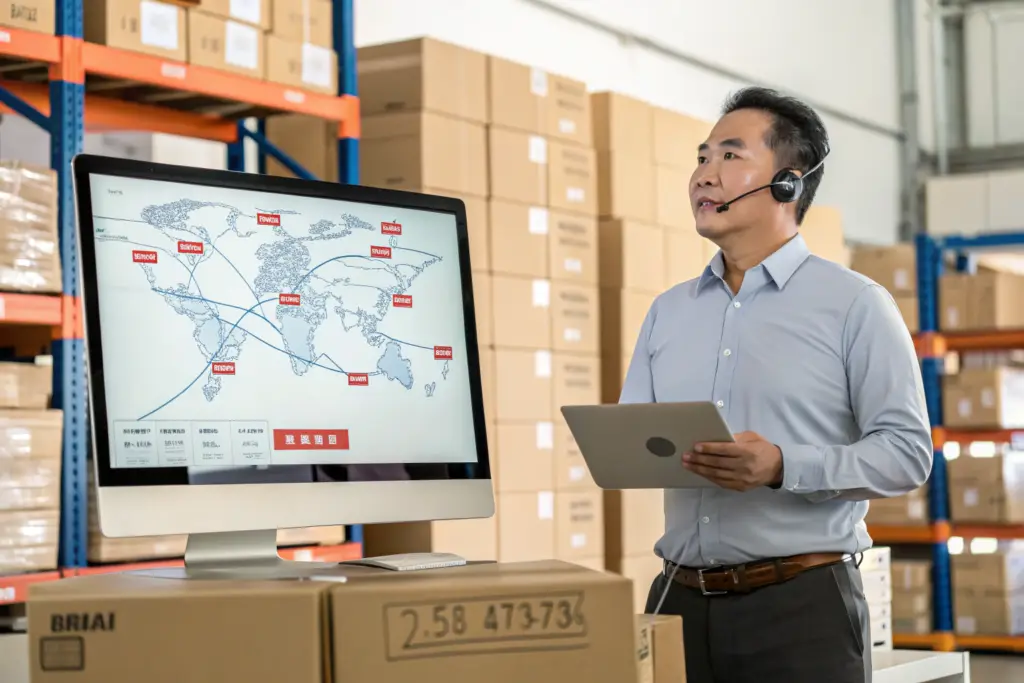
This is the first question to ask. If they say, "We work with a shipping company," that's a red flag. They are just a middleman. A factory with real DDP expertise, like Shanghai Fumao, has its own logistics team. These are people who sit in our office, who know our production schedule, and who manage every shipment from start to finish. They are not outsourced. They are part of our family. They know your name. They know your order. They will proactively email you with tracking updates, not wait for you to ask. This internal capability is the sign of a mature, professional exporter.
What questions should you ask a potential DDP partner?
Ask specific questions. "Do you file the ISF?" "Which carriers do you typically use for LCL shipments to my city?" "What is your process for handling a customs examination?" "Can you provide a single, all-inclusive DDP quote that itemizes the product cost and the shipping/duty cost?" Their answers will tell you everything. If they are vague, if they say "we have a guy," or if they cannot explain the process clearly, they are not experts. A true expert will walk you through it with confidence. For a client in New York who was considering DDP for the first time, we spent an hour on a video call explaining the entire process, from the moment the goods leave our factory to the moment they arrive at her door. That transparency built trust. For more guidance on selecting logistics partners, the Federal Maritime Commission offers resources for shippers.
Conclusion
Importing clothing from China does not have to be a stressful, complicated process. You do not need to become an expert in customs brokerage or international freight. You need a partner who is already an expert. By leveraging a manufacturer's DDP expertise, you transform a transaction into a simple domestic one. You get one price, one point of contact, and one delivery date. You eliminate the risk of delays, hidden fees, and customs penalties. You free yourself to focus on what you do best: designing, marketing, and selling your products.
At Shanghai Fumao, we have made DDP a core part of our service for North American clients. Our in-house logistics team handles every detail: ISF filing, HTS classification, carrier booking, customs clearance, duty payment, and final delivery. We have shipped thousands of orders DDP, and we have learned how to do it smoothly and reliably. We helped a first-time importer from Texas bring in his first container without a single hiccup. We guided a growing brand from California through the complexities of shipping during the peak season, ensuring their goods arrived on time for their biggest sales event.
If you are tired of the headaches and uncertainties of importing, let's talk. Let us show you how our DDP expertise can make your life easier and your business more efficient. Please contact our Business Director, Elaine, at strong>elaine@fumaoclothing.com to discuss your next shipment and experience the peace of mind that comes with a true logistics partner.