Struggling to find reliable apparel manufacturers that won’t delay your shipments or cut corners on quality?
Apparel manufacturers are the foundation of the global clothing business, producing high volumes of garments for brands, wholesalers, and retailers worldwide.
You’re not alone in this sourcing journey. Many company owners like me, focused on quality and competitive pricing, want better communication and real transparency from suppliers. Let’s break down the essentials behind apparel manufacturing.
What is an apparel manufacturer?
Finding the right apparel manufacturer feels overwhelming when every supplier says they’re “the best.”
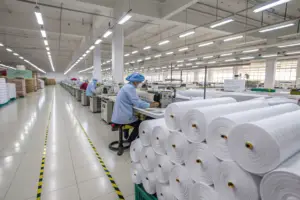
An apparel manufacturer is a factory or company that specializes in producing clothing items, often offering services like pattern making, fabric sourcing, and mass production.
What kinds of services do apparel manufacturers offer, and why do they matter for B2B buyers?
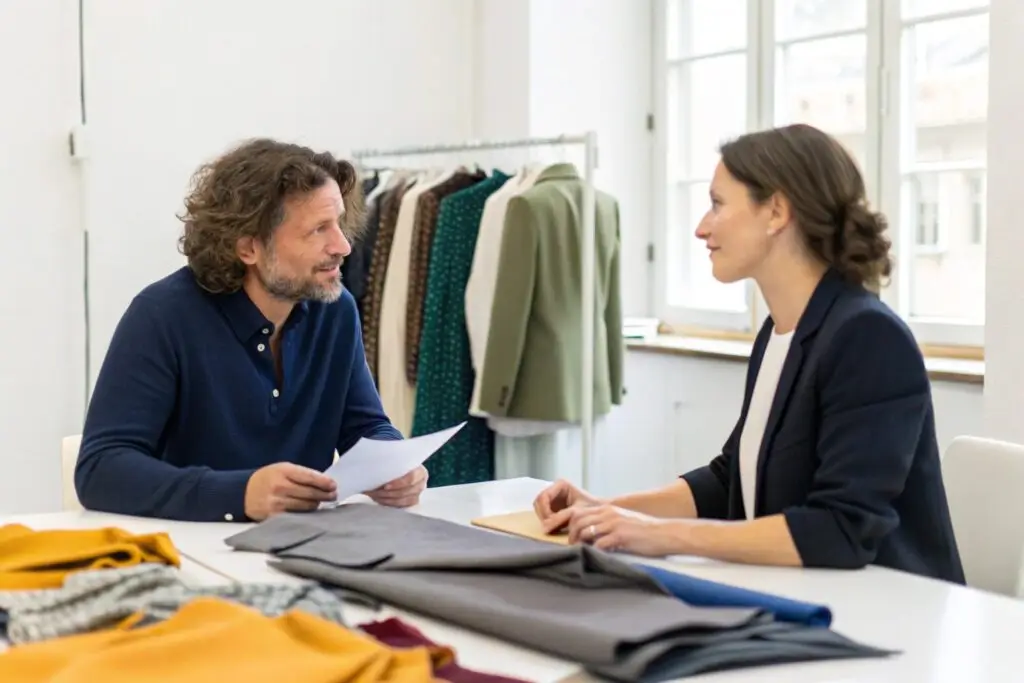
A true apparel manufacturer doesn’t just sew clothing. They often provide a full package of services, known as Full Package Production (FPP)1. This means they help develop your clothing line from start to finish. Here’s what this might include:
| Service | Description |
|---|---|
| Fabric Sourcing | Locating the right materials according to your needs |
| Pattern Making | Creating the blueprint for your garments |
| Sampling | Producing test pieces before mass production |
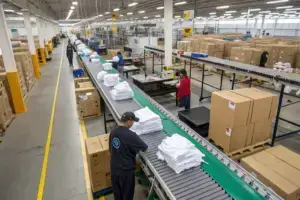
| Production | Cutting, sewing, and assembling the clothing |
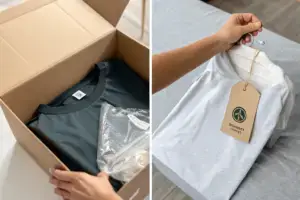
| Packaging | Folding, tagging, and packing items ready for shipping |
Some manufacturers also offer OEM (Original Equipment Manufacturing)2 or ODM (Original Design Manufacturing)3. That’s important if you want to either bring your own designs or select from theirs.
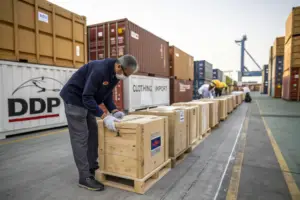
Not every factory can meet deadlines or deliver consistent quality. That’s why I usually ask for certifications, review their QC process, and request DDP shipping to avoid unexpected costs and delays.
How does an apparel manufacturer differ from a clothing supplier or wholesaler?
People often confuse manufacturers with wholesalers. Manufacturers make the clothes, while wholesalers distribute them. A wholesaler usually buys bulk clothing from manufacturers, then resells to retailers or smaller businesses.
| Type | Role | Ideal For |
|---|---|---|
| Manufacturer | Produces apparel | Customization, private label, high volumes |
| Wholesaler | Distributes ready-made goods | Smaller orders, fast shipping |
As someone who resells under my brand in the U.S., I need control over style, tags, and delivery dates. Only a true manufacturer can give me that level of customization and reliability.
What is the top 10 company apparel?
There are thousands of clothing companies—but which ones lead the industry in terms of brand value and production?
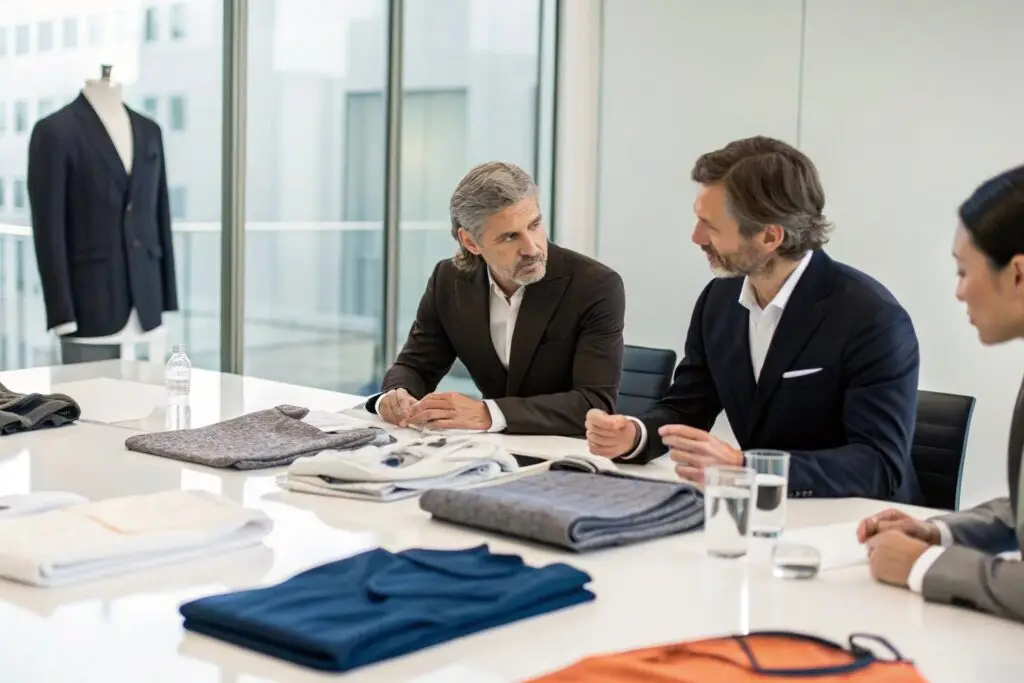
The top 10 apparel companies include names like Nike, Adidas, Zara, H&M, and Uniqlo—known for their global scale, brand influence, and manufacturing power.
What are the top 10 apparel companies by revenue and brand strength?
Here’s a list based on recent global rankings and financial reports:
| Rank | Company | Country | 2024 Revenue (approx.) |
|---|---|---|---|
| 1 | Nike | USA | $51.2B |
| 2 | Adidas | Germany | $24.2B |
| 3 | Zara (Inditext) | Spain | $24.0B |
| 4 | H&M | Sweden | $20.5B |
| 5 | Uniqlo (Fast Retailing) | Japan | $19.3B |
| 6 | Lululemon | Canada | $9.6B |
| 7 | PVH (Calvin Klein, Tommy Hilfiger) | USA | $9.0B |
| 8 | VF Corp (The North Face, Vans) | USA | $8.0B |
| 9 | Under Armour | USA | $5.7B |
| 10 | Levi Strauss & Co. | USA | $5.6B |
These brands often have partnerships with dozens or even hundreds of manufacturers. Some own their factories, while others work with trusted suppliers in China, Vietnam, and Bangladesh.
Why should B2B buyers study these top apparel companies?
I learned a lot by watching what the top brands do. They care about speed-to-market4, quality control5, and trend forecasting6. For example, Zara changes its collections every few weeks thanks to tight supply chain control.
By studying their sourcing habits, I make smarter decisions. I prefer manufacturers that offer flexibility, so I can test styles in small batches first. Then I scale up only the best sellers. It’s a simple but powerful strategy to reduce risk.
What is the meaning of apparel manufacturing?
It’s not just about stitching clothes. Apparel manufacturing is a system of precision, timing, and technical skills.
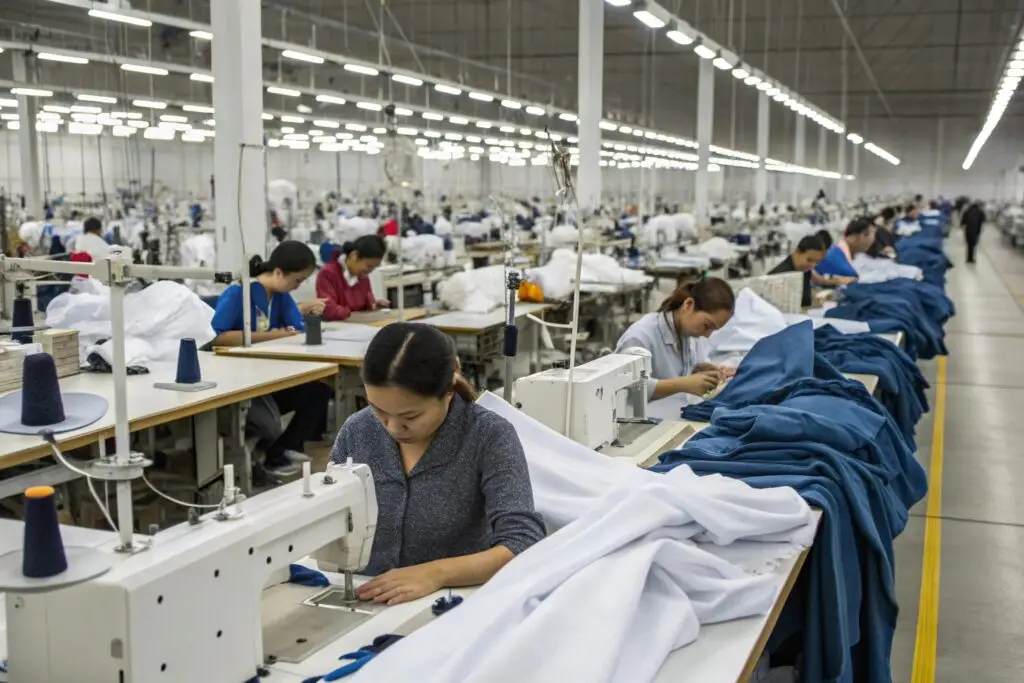
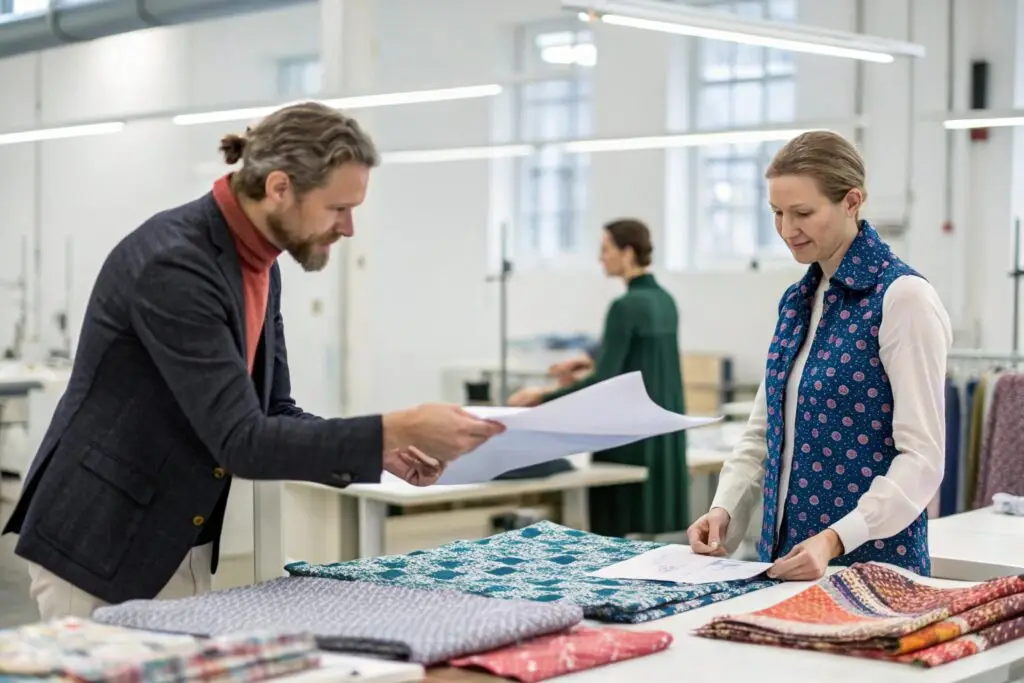
Apparel manufacturing means the industrial-scale production of clothing, involving everything from design translation to cutting, sewing, and final delivery.
What steps are involved in the apparel manufacturing process?
Apparel manufacturing usually follows these key stages:
- Design Analysis – Interpreting tech packs or sketches
- Pattern Development – Creating accurate templates
- Fabric Selection – Choosing suitable materials
- Sampling – Testing the product before bulk production
- Cutting and Sewing – Mass production begins
- Finishing – Adding labels, tags, or special finishes
- Packaging and Shipping – Final prep and delivery
Each step needs attention. When one part fails—like fabric delays or sizing errors—the whole timeline shifts. That’s why I now insist on having a clear production schedule7 and weekly updates from my supplier. It makes a big difference.
How can buyers ensure smooth apparel manufacturing without delays or quality issues?
Here’s what I recommend based on my sourcing experience:
| Step | What I Do |
|---|---|
| Confirm Tech Pack | Send clear measurements, fabric, and trims info |
| Approve Pre-Production Sample8 | Never skip this step—saves time and money |
| Discuss Payment Terms | Use safe methods like LC or PayPal for first orders |
| Ask About Certifications | Especially for kids' wear or exports to Europe |
| Use DDP Shipping9 | Keeps logistics smooth and hassle-free |
The process can be complex, especially across time zones. But once you set expectations, good manufacturers will follow them. I always document everything by email, and that helps avoid surprises later.
Who is the largest apparel manufacturer in the world?
Many suppliers say they’re “top manufacturers,” but only a few really dominate global production.
The largest apparel manufacturer in the world is Shenzhou International, a China-based company that supplies giants like Nike, Adidas, and Uniqlo.
Why is Shenzhou International considered the biggest in apparel manufacturing?
Shenzhou International operates huge vertically integrated factories10. They control everything from yarn spinning to finished garments. Their clients include:
- Nike
- Adidas
- Uniqlo
- Puma
They have over 80,000 employees and produce millions of pieces monthly. Their production lines are located across China, Vietnam, and Cambodia. They invest heavily in automation and sustainability11, too.
They’ve built trust with global brands by being reliable, fast, and detail-oriented. That’s the level of professionalism I look for.
Can smaller businesses work with big manufacturers like Shenzhou, or should we choose mid-sized factories?
Big factories have advantages—like fast production and strong systems—but they also have high MOQs (minimum order quantities)12.
| Type of Factory | MOQ | Flexibility | Best For |
|---|---|---|---|
| Large (e.g., Shenzhou) | 50,000+ pcs | Low | Global brands |
| Medium | 1,000–10,000 pcs | Medium | B2B buyers |
| Small | <1,000 pcs | High | Startups or sampling |
I usually work with medium-sized manufacturers in China. They’re easier to communicate with, and they can grow with me. I get better attention and sometimes even support on design or packaging.
What matters most is how the supplier handles mistakes, pressure, and urgency. That’s where the real difference shows up.
Conclusion
Apparel manufacturing is more than just sewing clothes—it’s the engine behind fashion businesses. With the right partners, quality and speed are within reach.
-
Understanding FPP can help B2B buyers streamline their clothing line development process, ensuring quality and efficiency. ↩
-
Exploring OEM services can reveal how manufacturers can help businesses create unique products tailored to their brand. ↩
-
Learning about ODM can assist B2B buyers in selecting designs that align with their brand vision while saving time and resources. ↩
-
Understanding speed-to-market can help B2B buyers optimize their supply chain and respond quickly to trends. ↩
-
Learning about quality control practices can enhance product reliability and customer satisfaction in your own business. ↩
-
Exploring trend forecasting can empower B2B buyers to stay ahead of market demands and make informed sourcing decisions. ↩
-
Understanding a clear production schedule can help you avoid delays and ensure timely delivery in apparel manufacturing. ↩
-
Learning about the importance of a Pre-Production Sample can save you time and money by preventing costly mistakes. ↩
-
Exploring DDP Shipping can help you streamline logistics and avoid hassles in your apparel supply chain. ↩
-
Exploring the advantages of vertical integration can provide insights into efficiency and quality control in manufacturing. ↩
-
Learning about automation and sustainability can reveal how manufacturers are adapting to modern challenges and consumer demands. ↩
-
Understanding high MOQs can help businesses strategize their production and inventory management effectively. ↩