You check your sales data from last summer. You notice a quiet performer. It did not get the marketing push. It did not get the influencer posts. It did not appear in any trend report. But it sold. Steadily. Every week. Without discounts. The cargo short. You look at the fashion media. They have declared the cargo short dead at least five times in the last decade. They call it bulky, dated, and unfashionable. Yet your data tells a different story. Real men, in real cities, are still buying them. They are buying them for work, for hiking, for barbecues, for travel. You are confused. Is the cargo short a dead trend walking, or is it a quiet, stable category that the fashion media simply refuses to understand? You need clarity before you place your buy order.
Yes, classic cargo shorts are still in demand for men in North America. They are not a fashion trend. They are a functional category with a loyal, steady consumer base. The men who buy cargo shorts are not chasing runway looks. They are fathers, tradesmen, outdoor enthusiasts, and travelers who prioritize utility and comfort. The demand is stable, not spiking, but it is real and profitable. The cargo short has evolved from the baggy 1990s version into a slimmer, better-proportioned garment that maintains its functional DNA while looking presentable in 2026. The brand that understands the modern cargo short customer and executes the product well will find a reliable revenue stream ignored by trend-chasing competitors.
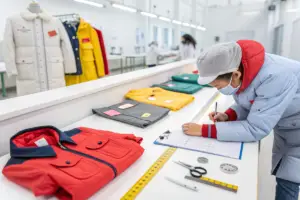
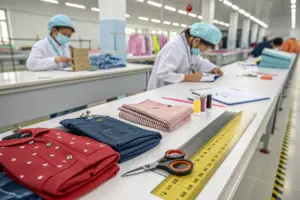
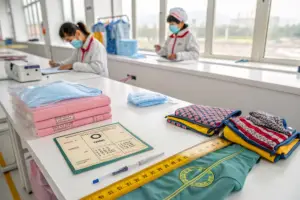
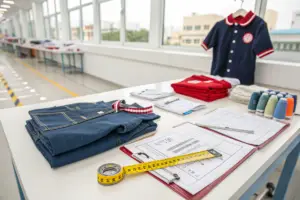
At Shanghai Fumao, cargo shorts have been a consistent part of our production for years. They do not dominate our cutting tickets like chino shorts. But they never disappear. Every season, we cut and sew cargo shorts for workwear brands, outdoor labels, and mainstream menswear companies. The orders are steady. The reorder rate is high. The return rate is low. The cargo short customer knows what he wants, and he buys it again when his old pair wears out. This article is the truth about cargo shorts in the North American market. No fashion hype. No trend predictions. Just data, customer behavior, and product specifications.
Why Do Cargo Shorts Retain a Loyal Customer Base Despite Fashion Criticism?
Fashion critics sit in offices in New York and London. They judge garments on aesthetics, novelty, and cultural relevance. The cargo short fails their test. It is not sleek. It is not minimal. It is not new. But the cargo short customer does not care about the fashion critic's test. He cares about a different set of criteria. Can these shorts hold my phone, my wallet, my keys, and a snack for my kid? Can I wear them for twelve hours and feel comfortable? Can I bend down to pick up my toddler without the seams ripping? The cargo short answers yes to all of these questions. The fashion critic and the cargo short customer live in different worlds.
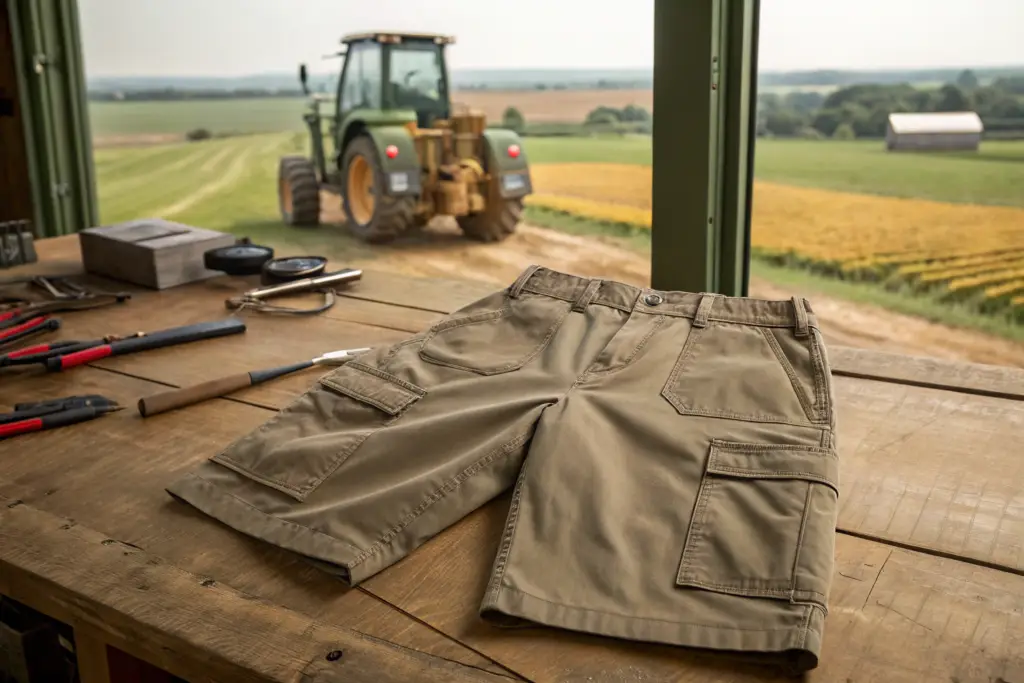
I spoke with a buyer for a Midwest farm supply chain. He told me that cargo shorts are a top-five SKU in his men's apparel department. His customer is a farmer, a contractor, or a rural resident. He said, "These guys do not read fashion blogs. They read equipment manuals. They need a short that works. The cargo short works." This is the reality of the market. There is a massive segment of male consumers who prioritize function over form. They are invisible to the fashion media. They are highly visible in the sales data.
The cargo short's loyalty is built on utility. Utility is a permanent value proposition. Trends change. Utility endures. Let's look at the specific use cases and the psychological factors.
What Practical Needs Do Cargo Shorts Fulfill That Other Shorts Cannot?
A standard chino short has four pockets. Two front slash pockets. Two back welt pockets. The front pockets hold a phone and a wallet. They are full. A cargo short adds two large side pockets, usually with flaps. These pockets hold a pocketknife, a multi-tool, a small notebook, sunglasses, a pacifier, a granola bar, or a dog treat. They hold the extra items that a man accumulates during a day of activity.
This is not about fashion. This is about carrying capacity. A man who wears cargo shorts does not want to carry a bag. He wants his hands free. The cargo pockets distribute the weight. They sit on the mid-thigh, where they do not interfere with walking or sitting. A backpack is hot and cumbersome. A messenger bag swings around. Cargo pockets are integrated, balanced, and silent. This functional advantage is the reason the cargo short was invented for military use. Soldiers needed to carry ammunition and supplies. Civilians need to carry the tools of modern life. The history and function of cargo pants explains this military origin. The functional need has not disappeared. The cargo short still serves it.
How Does the "Dad" Identity Play into Cargo Short Loyalty?
The cargo short has become a symbol of fatherhood. It is a garment that signals a shift in priorities. A young man might prioritize style and wear slim chino shorts. A father prioritizes function. He needs to carry wipes, snacks, toys, and a phone with a cracked screen covered in sticky fingerprints. The cargo short accommodates this new life stage.
This is not a negative stereotype. It is a real consumer identity. Fathers embrace the cargo short with humor and sincerity. They know it is not fashionable. They do not care. The functionality serves their actual life. The cargo short is a uniform of practical fatherhood. This identity creates strong brand loyalty. A father who finds a cargo short that fits well and holds up to the rigors of parenting will buy that same short for years. He will tell other dads. The dad style and cargo shorts narrative is a cultural phenomenon. A brand that markets its cargo shorts with warmth and respect toward this customer will earn fierce loyalty.
How Has the Cargo Short Silhouette Evolved to Stay Relevant?
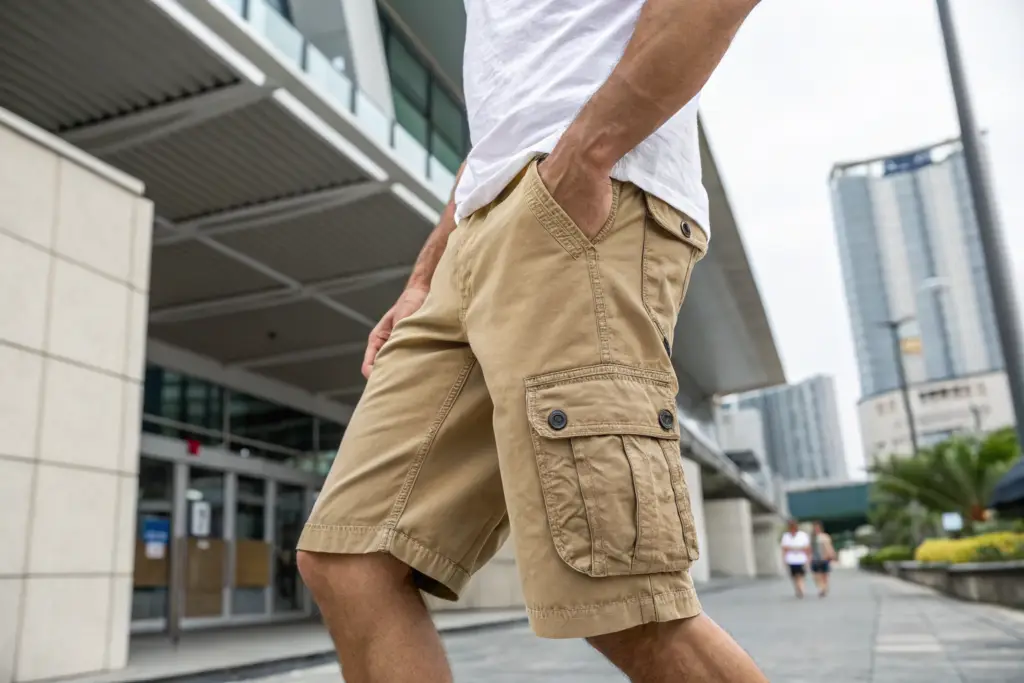
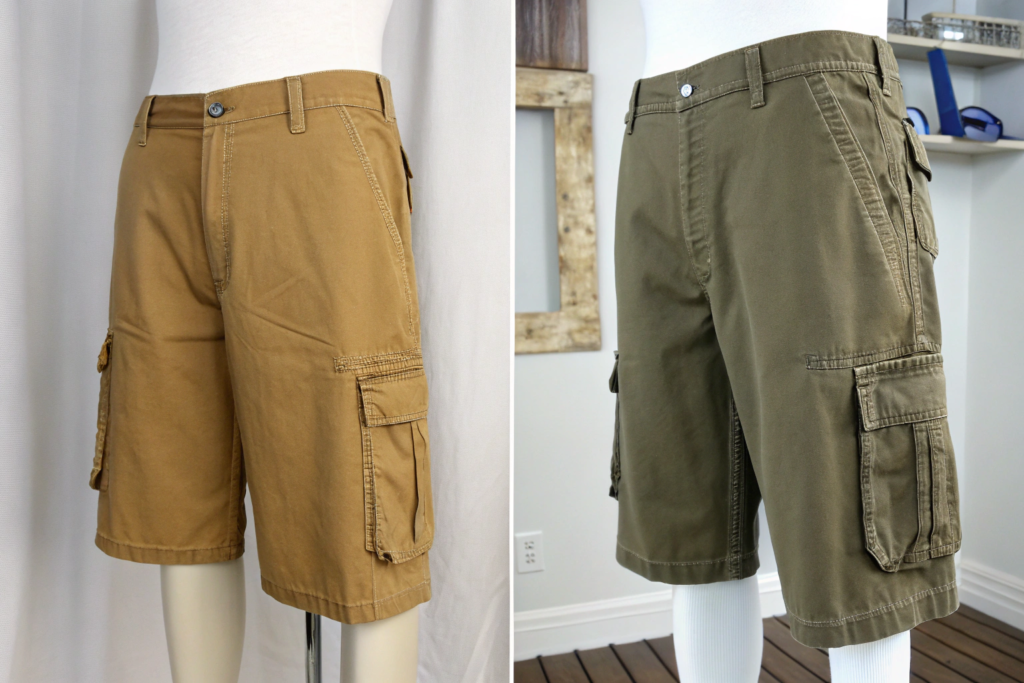
The cargo short has a reputation problem. The reputation is based on the 1990s version. That short was baggy. The leg opening was 26 inches. The inseam was 11 inches. The pockets were huge, bulging bellows with giant flaps. It looked like a parachute. That version is dead. The modern cargo short is a different garment. It has been refined. The leg is tapered. The inseam is shorter. The pockets are slimmer, flatter, and more integrated. It is a cargo short that a man can wear without looking like he is about to go on a jungle expedition.
I worked with a streetwear brand to develop a modern cargo short. We started with their classic chino short block. We added a flat, zippered cargo pocket to the left leg only. We kept the pocket minimal. We shortened the inseam to 7 inches. We tapered the leg to a 22-inch opening. The result was a short that had the utility of a cargo pocket and the silhouette of a contemporary chino. The brand's young, style-conscious customer bought it. The cargo pocket was a design detail, not a utility statement. The cargo short had crossed over from pure function to fashion detail.
The silhouette evolution is the key to the cargo short's continued relevance. It has adapted to contemporary proportions while retaining its functional DNA. Let's examine the specific changes.
Why Is the Slimmer, Tapered Leg the New Standard for Cargo Shorts?
The baggy cargo short made the wearer look wider and shorter. The excess fabric billowed. It was unflattering. The modern cargo short uses a slimmer, tapered leg. The leg narrows from the hip to the hem. This creates a cleaner, more intentional silhouette. It looks like a short, not a skirt.
The taper is moderate. A leg opening of 20 to 22 inches on a size 32 waist is typical. This is slightly wider than a slim chino short, which might have a 19 to 20-inch opening. The extra inch accommodates the pocket without adding bulk. The taper makes the short look modern. It pairs well with sneakers. It does not overwhelm the wearer's frame. The modern cargo shorts fit guide emphasizes the importance of a trim leg. The baggy cargo short is a costume. The tapered cargo short is a garment.
How Have Pocket Designs Become Flatter and More Integrated?
The old cargo pocket was a bellows pocket. It had an expanding pleat. It stuck out from the leg even when empty. The modern cargo pocket is often a flat patch pocket with a hidden snap or a zipper closure. It lies flat against the leg. It does not add visual bulk when empty. It expands only when filled.
Some modern cargo shorts use a zippered side-entry pocket that is hidden in the side seam. The pocket bag is internal. Only a subtle zipper pull is visible. This is a cargo pocket for the style-conscious man. It provides the utility without the military aesthetic. The flat cargo pocket design is a technical innovation. It requires precise pattern-making and stitching. The pocket is bonded or topstitched with a clean, minimal finish. The flap is removed or replaced with a sleek zipper garage. This design evolution has made the cargo short acceptable in contexts where the old version would be laughed at.
What Is the Current Market Data Saying About Cargo Shorts in North America?
Feelings and fashion opinions are not data. I do not make production decisions based on what a magazine says. I make them based on what our clients order. The data tells a clear story. Cargo shorts are not a growth rocket. They are a stable, mature category. They have a consistent demand base. They do not spike. They do not crash. They are a reliable, predictable revenue source for brands that serve the right demographic.
I pulled our internal sales data for the last three years. Cargo shorts represented a steady 8 to 12% of our total men's shorts production. The number did not fluctuate wildly. It went up slightly during the pandemic comfort boom. It settled back to a steady baseline. The brands that order cargo shorts from us reorder them consistently. They are not experimenting. They are replenishing a core SKU. This is the behavior of a staple, not a fad.
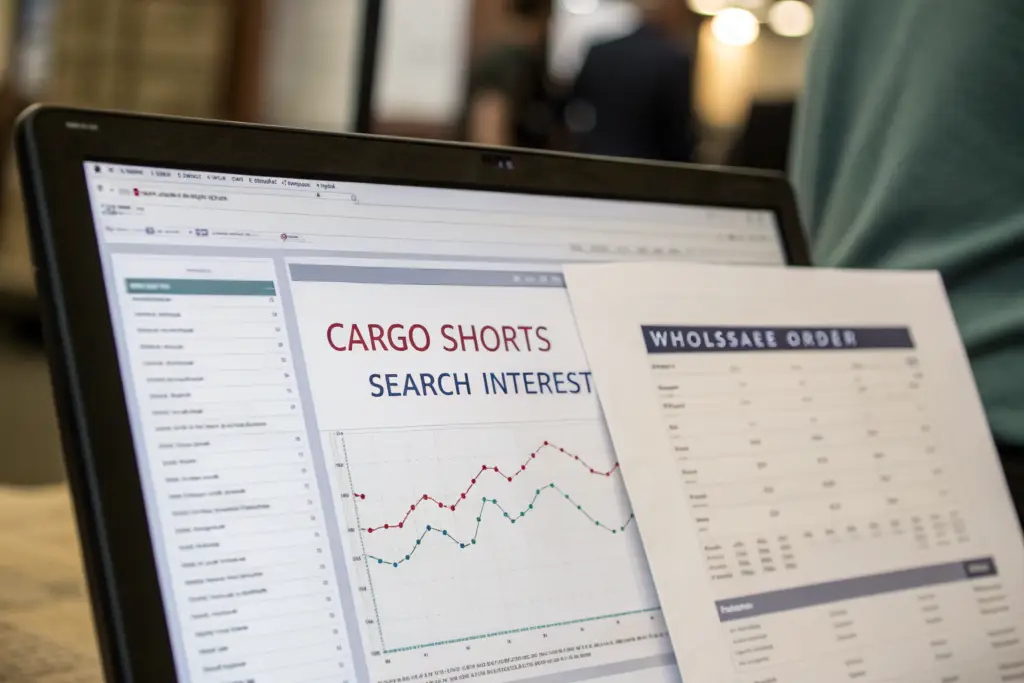
External market data supports this internal view. Google Trends data shows stable search interest for "cargo shorts for men" over a five-year window. There is a predictable seasonal spike in May and June every year. Let's look at the numbers.
Are Google Search Trends Showing Growth or Decline for Cargo Shorts?
Google Trends data for the search term "men's cargo shorts" in the United States shows a stable, cyclical pattern. Searches spike every May through July. They drop in the winter. The peak heights have been relatively consistent for the past five years, with a slight upward bump in 2024 and 2025. This indicates sustained demand.
This is not a dying category. A dying category shows a steady downward slope. The cargo short shows a flat line with seasonal spikes. This is the pattern of a mature, functional product. The search volume is significant. It is not as high as "chino shorts," but it is consistent. Retail sales data from major e-commerce platforms also shows steady sell-through in the cargo short subcategory. The Google Trends cargo shorts data is publicly available and confirms the pattern. The data says that men are still searching for and buying cargo shorts.
Which North American Demographics and Regions Drive the Steady Demand?
The demand is not evenly distributed. It is concentrated in suburban and rural regions. The Midwest, the South, and the Mountain West over-index for cargo short sales. Urban coastal markets under-index. The demographic skews toward men aged 30 to 60, with a focus on fathers, outdoor enthusiasts, and blue-collar professionals.
A brand selling to a Manhattan fashion customer does not need cargo shorts. A brand selling to a Texas contractor, an Ohio dad, or a Colorado hiker absolutely needs cargo shorts. The demand is regional and demographic. A smart wholesale buyer understands their own customer base. If your customer is a practical, function-oriented man, cargo shorts are a safe inventory investment. If your customer is a trend-focused urbanite, they are not. The retail market segmentation for men's apparel provides the demographic data. The cargo short customer is a well-defined, reachable segment.
How Should a Wholesale Buyer Source Quality Cargo Shorts Today?
Sourcing a cargo short is more complex than sourcing a chino short. The cargo short has additional components. The cargo pockets. The pocket flaps. The flap closures. The bartack reinforcements. Each component is a potential failure point. A poorly made cargo pocket gapes open, rips at the corner, or has a flap that curls after washing. The quality of the cargo short is defined by the quality of its pockets. The buyer who does not specify pocket construction is leaving the most important detail to chance.
I recall a buyer who ordered cargo shorts from a cheap supplier. The photos looked fine. The bulk order arrived. The cargo pocket flaps were not interfaced. They curled up like potato chips after one wash. The snaps pulled out of the fabric. The shorts were unsellable at full price. The buyer came to us for a reorder. We showed him our cargo pocket construction. A woven interfacing in the flap. A hidden snap reinforcement patch. A bartack at the top and bottom of the pocket. The difference was in the details. He never ordered from the cheap supplier again.
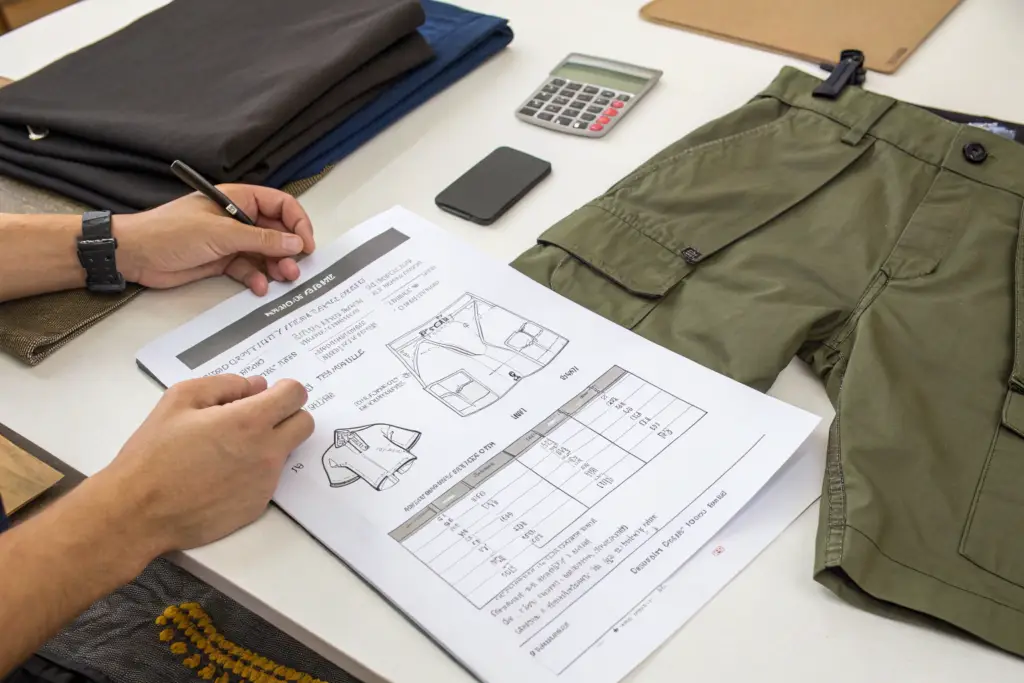
A cargo short tech pack must include specific details about the pocket construction, the flap closure, and the reinforcement. The fabric choice must balance durability and weight. Let's look at the key sourcing specifications.
What Are the Critical Construction Details for a Durable Cargo Pocket?
The cargo pocket must be a flat patch pocket or a slim bellows pocket. If it is a bellows pocket, the pleat must be bartacked at the top and bottom. The pocket must be attached to the leg with a double-needle topstitch for strength. The corners of the pocket must be reinforced with a bartack or a triangular stitch.
The flap must be interfaced with a woven fusible interfacing. This gives the flap body and prevents curling. The flap must be lined with the shell fabric, not a cheap lining. The closure should be a high-quality snap, a hidden magnetic closure, or a YKK zipper. A cheap snap will pull out of the fabric. The snap must have a reinforcement patch on the inside of the flap. The flap must cover the pocket completely when closed. A short flap exposes the pocket contents. The cargo pocket construction specifications guide provides the technical details. A wholesale buyer should inspect the cargo pocket on the pre-production sample vigorously. Open and close the flap 50 times. Pull on the snap. Wash the sample and check for curling.
What Fabric Weight and Type Works Best for a Modern Cargo Short?
The cargo short needs a durable fabric that can support the weight of the pockets and their contents. A lightweight 200 GSM twill will sag and distort. The ideal fabric weight is 260 to 300 GSM. The fabric type can be a cotton twill, a cotton ripstop, or a nylon-cotton blend for outdoor performance.
A cotton ripstop at 260 GSM is an excellent choice. It is lightweight enough for summer wear. The ripstop grid provides tear resistance. The pockets will not rip off if they snag on something. A 300 GSM cotton twill is a heavier, more rugged option. It is suitable for workwear. A nylon-cotton blend with a DWR (durable water repellent) finish is ideal for an outdoor cargo short. The fabric sheds light rain and stains. The best fabrics for durable shorts guide provides the GSM ranges. The buyer must specify the fabric weight and type and test the sample with weight in the pockets.
Conclusion
The cargo short is not dead. It is not dying. It is a stable, mature category with a loyal customer base. The fashion media's declarations of its death are irrelevant to the men who wear them. Those men are fathers, workers, and outdoor enthusiasts. They value function. They value comfort. They value a garment that carries their stuff and survives their life. They do not care about the opinion of a style editor in New York City.
The cargo short has evolved. It is slimmer. It is cleaner. It has flat pockets and a tapered leg. It looks presentable. It retains its functional soul. A brand that serves the practical male consumer should stock a cargo short. It will not be the star of the collection. It will be the quiet, reliable performer. It will sell at full price. It will generate repeat purchases. It will build loyalty with a customer segment that is loyal when served well.
At Shanghai Fumao, we manufacture modern cargo shorts for brands that understand this customer. We have the flat pocket patterns. We have the durable ripstop and twill fabrics. We have the snap and zipper trims. We can produce a cargo short that is built to last and designed to sell. If you are considering adding a cargo short to your wholesale line, contact our Business Director, Elaine, at elaine@fumaoclothing.com. She will send you our cargo short sample pack and fabric options. Let us build a cargo short that your customers will swear by.