You run a wholesale business. You sell to retailers who are brutal about quality. If the shorts you supply pill, fade, rip, or lose their shape after one season, those retailers drop you. They send the stock back. They find another supplier. Durability is not a nice-to-have. It is your business license. Every pair of shorts you ship carries your reputation. A return due to a split seam or a faded fabric is not just a lost sale. It is a lost account. The problem is that durability is invisible in a product photo. You cannot see it. Your buyer cannot see it. It only reveals itself after twenty washes, thirty wears, and a summer of hard use. By then, it is too late. So how do you guarantee durability before you order 2,000 units? You start with the fabric. The right fabric is the foundation of a durable short. The wrong fabric is a time bomb.
The best fabrics for durable classic shorts in wholesale are heavyweight cotton twill (280-320 GSM), cotton ripstop, bull denim (11-14 ounces), and brushed cotton canvas. These four fabric types have proven their performance across decades of industrial, military, and workwear use. They resist abrasion, tearing, and shape loss. They age beautifully instead of degrading. A wholesale buyer who specifies one of these fabrics, in the correct weight and with the correct finishing, builds a product that retailers will reorder and end-consumers will trust. Durability is not a mystery. It is a specification.
At Shanghai Fumao, we manufacture durable classic shorts for workwear brands, outdoor labels, and premium casual lines. I have seen the difference between a short that lasts two summers and a short that falls apart after one season. The difference is almost always the fabric weight, the weave structure, and the fiber quality. This article breaks down the four best fabric choices. It gives you the exact GSM, the weave type, and the testing standards to specify in your tech pack. Use this as your sourcing manual for a durable short program.
Why Is Heavyweight Cotton Twill the Backbone of Durable Shorts?
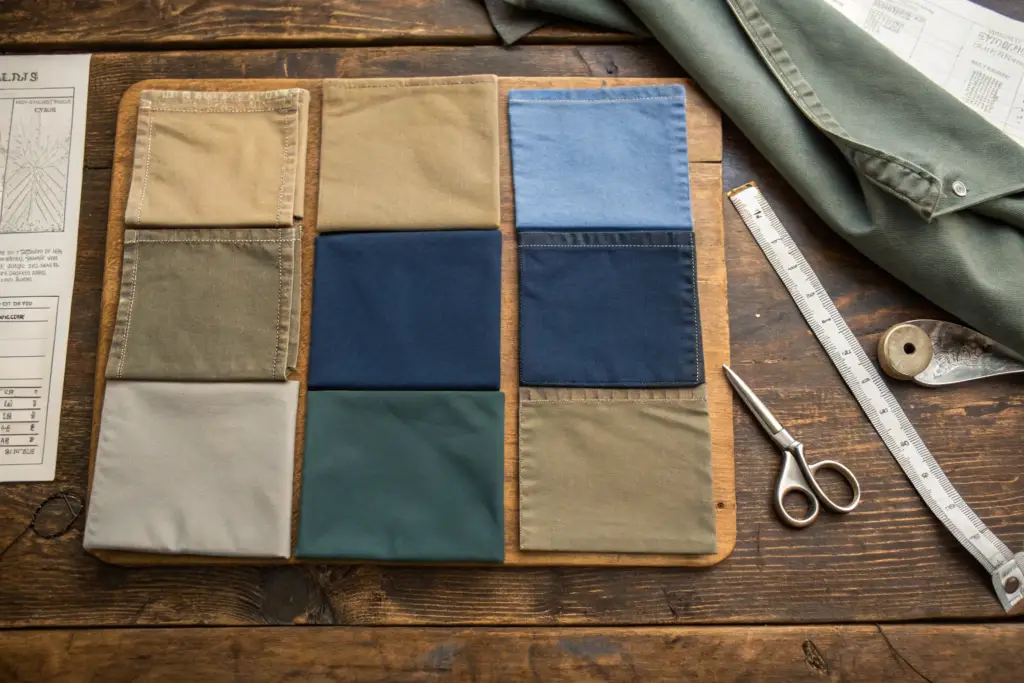
Cotton twill is not a single fabric. It is a family of fabrics defined by a diagonal weave. The weight, the yarn size, and the finishing process separate a cheap, flimsy twill from an indestructible one. The cheap twill is 200 GSM. It is used in fast fashion shorts that sell for $15 and fall apart. The durable twill is 280 to 320 GSM. It is used in military uniforms, work pants, and premium chino shorts that last a decade. The weight is the difference.
I recall a conversation with a workwear brand owner. He had been sourcing his chino shorts from a cheap supplier. The fabric was 220 GSM. His customers, electricians and carpenters, were blowing out the knees and wearing through the seats in six months. He came to us. We switched him to a 300 GSM cotton twill with a double-needle construction. The return rate dropped to near zero. His customers now buy two pairs and wear them for years. The fabric upgrade cost him $1.20 per unit. It saved him his brand reputation.
The twill weave itself contributes to durability. The diagonal structure distributes stress across multiple yarns. A plain weave, in contrast, creates a grid where stress concentrates at each intersection. The twill is more tear-resistant by design. Let's break down the specifications.
What GSM Range Defines a Truly Durable Cotton Twill Short?
GSM means grams per square meter. It is the objective measure of fabric weight. A durable cotton twill short begins at 280 GSM. This is the entry point for a short that feels substantial and resists wear. The 280-300 GSM range is ideal for a premium casual chino short. It has body. It hangs cleanly. It survives repeated washing without thinning.
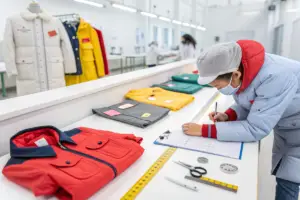
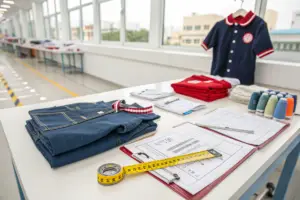
For a workwear or rugged outdoor short, 300-320 GSM is the standard. This fabric feels heavy in the hand. It is almost a lightweight canvas. It resists abrasion from tools, rough surfaces, and repeated friction. It provides thermal protection. It holds a crease. The fabric weight GSM chart provides reference values. A 200 GSM short is a disposable fashion item. A 300 GSM short is a durable good. A wholesale buyer should specify the exact GSM in the purchase order and verify it with a GSM cutter upon receiving the bulk sample. A 10% deviation is unacceptable. The weight is the promise of durability.
How Does the Twill Weave Structure Resist Abrasion and Tearing?
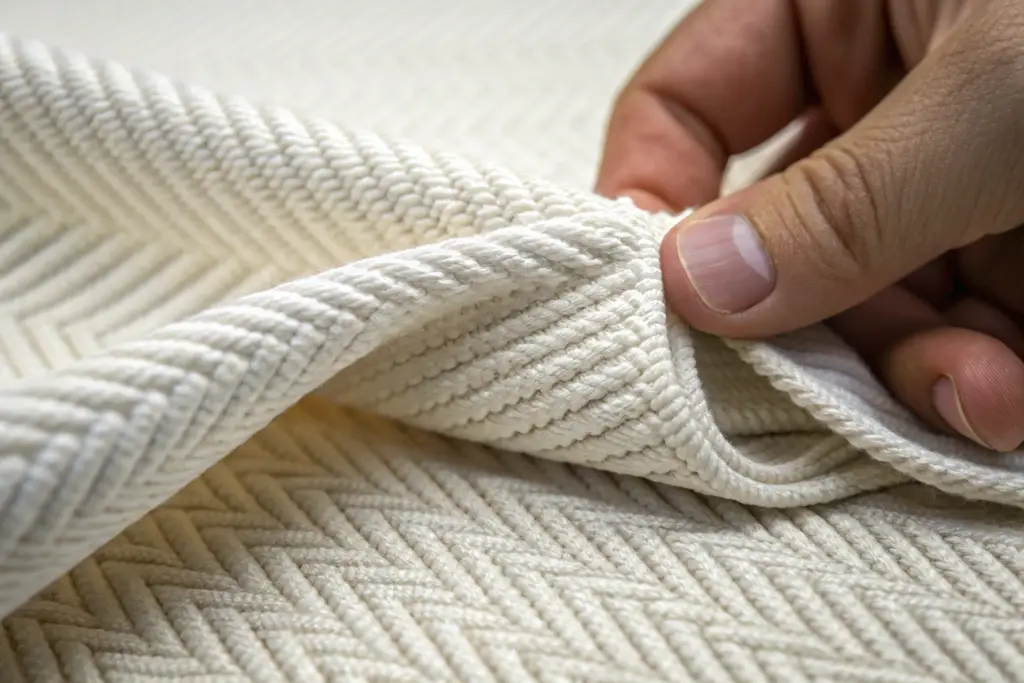
The twill weave is a 2/1 or 3/1 structure. This means the weft yarn passes over two warp yarns and under one, or over three and under one. This creates a diagonal rib on the fabric face. The long floats, the sections of yarn that pass over multiple yarns, provide the abrasion resistance. The abrasive force skates across the surface of the floats rather than cutting into a single yarn intersection.
Think of it like a road surface. A plain weave is a grid of intersections. Each intersection is a bump that takes the full force of friction. A twill weave is a series of long, smooth ridges. The friction is distributed. This is why military uniforms have used cotton twill for over a century. It survives the abrasion of packs, belts, and rough terrain. The cotton twill durability properties are well-documented. The weave density also matters. A high-density twill with 100-120 yarns per inch total will far outlast a low-density twill with 70-80 yarns per inch. The yarns are packed tighter. There is less room for them to shift and fray. The dense weave is a barrier against wear.
What Makes Cotton Ripstop the Ultimate Performance Fabric for Shorts?
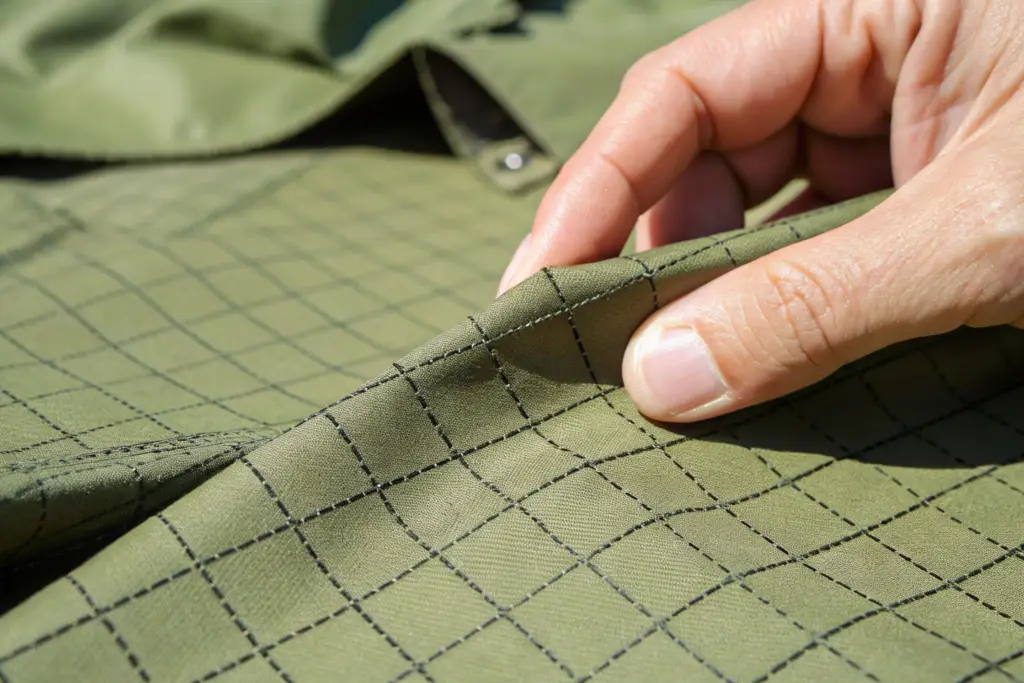
Ripstop is a fabric engineered to stop a tear. It has a grid of thicker reinforcement yarns woven into the base fabric at regular intervals, usually every 5 to 8 millimeters. If a tear begins, it hits a reinforcement yarn and stops. The damage is contained. This technology was developed for military parachutes. It migrated to outdoor gear, workwear, and now durable casual shorts. It is the ideal fabric for a short that will be subjected to sharp objects, rough surfaces, and unpredictable stress.
I remember a brand owner who sold shorts to hiking and camping enthusiasts. His previous shorts were a standard poplin. They ripped when a customer snagged them on a rock or a branch. He returned them. The brand's review rating suffered. We proposed a 100% cotton ripstop short. The fabric weight was 240 GSM, lighter than a heavy twill but much more tear-resistant. The brand relaunched with the ripstop fabric. The returns for tearing stopped. The customer feedback praised the durability. The short felt light and breathable but was nearly unbreakable. Ripstop is a magic fabric for the right application.
Ripstop is often associated with synthetic fabrics like nylon. But 100% cotton ripstop is the classic, premium choice. It has the breathability and natural hand feel of cotton with the engineered tear resistance of a performance fabric. Let's examine its unique properties.
How Does the Ripstop Grid Prevent Small Tears from Becoming Large Holes?
The ripstop grid is a physical barrier. The base fabric is woven from standard yarns. The reinforcement yarns are thicker and stronger. They are woven at regular intervals, creating a visible crosshatch pattern. When a sharp object catches the fabric, the base yarns may break. The tear propagates until it hits the thicker reinforcement yarn. The reinforcement yarn absorbs the energy and stops the tear.
This is a controlled failure mechanism. Without the ripstop grid, a small puncture becomes a running tear across the entire panel. The short is ruined. With the ripstop grid, the damage is limited to the small square where it started. The short is still functional. This is a massive durability advantage. The ripstop fabric technology is a proven performance textile. For a wholesale short aimed at outdoor, travel, or active use, cotton ripstop is a premium selling point. It justifies a higher wholesale price. It delivers a lower return rate.
Why Is 100% Cotton Ripstop Preferable to Synthetic Versions for Classic Shorts?
Synthetic ripstop, typically nylon or polyester, is common in technical outdoor gear. It is extremely strong and lightweight. But it has a synthetic hand feel, a sheen, and a swishy noise. It does not look or feel like a classic short. A classic short demands natural texture, matte finish, and quiet movement.
100% cotton ripstop provides the tear resistance with a cotton hand. It breathes. It absorbs moisture. It softens with washing. It looks like a classic chino or utility short. It just happens to be incredibly hard to tear. The cotton ripstop can be garment-dyed for a soft, broken-in finish. It can be piece-dyed for a crisp, uniform look. It ages like cotton, developing a patina rather than degrading. The cotton versus synthetic ripstop comparison guide highlights the aesthetic and comfort advantages of cotton. For a classic short with hidden durability, cotton ripstop is the choice.
When Should Bull Denim Be Your Go-To Fabric for Classic Shorts?
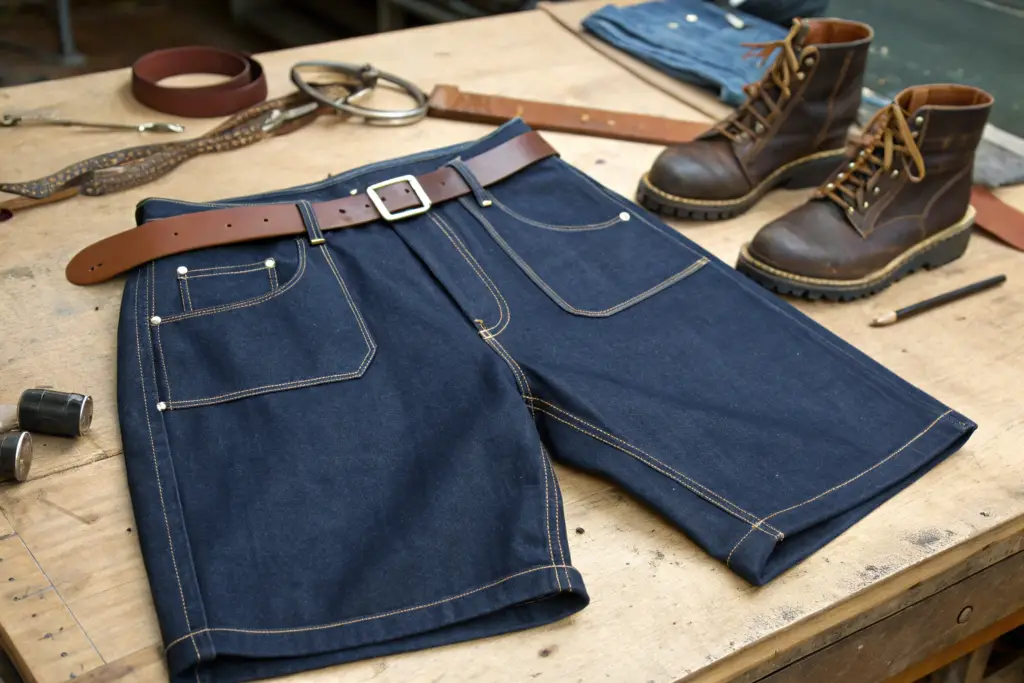
Bull denim is not your fashion jean denim. It is a specific, industrial-grade fabric. It is woven from coarse, strong yarns in a tight 3/1 twill. It has a smooth, clean surface, not the slubby, textured surface of fashion denim. It is named "bull" for its strength. It was originally used for workwear, overalls, and uniforms that had to survive brutal conditions. A classic short made from bull denim is an heirloom piece. It will outlast trends, seasons, and possibly the wearer.
I worked with a brand that launched a "100-Year Short" as a marketing concept. They used an 13-ounce bull denim. The shorts were stiff on day one. They required a break-in period, like a pair of raw denim jeans. But after a few washes, they molded to the wearer's body. They developed unique fade patterns. Customers wrote love letters in the reviews. They posted photos of their shorts after one year, two years, three years. The shorts looked better with age. The brand built a cult following around this single product. The fabric was the hero.
Bull denim is a niche choice for a specific brand identity. It is for the brand that values ruggedness, authenticity, and a product that tells a story over time. Let's understand its specific properties.
What Is the Ideal Ounce Weight for a Bull Denim Short?
Denim is traditionally measured in ounces per square yard. A fashion denim short might use a 9 or 10-ounce denim. A classic bull denim short should start at 11 ounces. An 11 to 12-ounce bull denim is substantial but wearable in summer. A 13 to 14-ounce bull denim is the heavyweight champion. It is a true four-season fabric, wearable in all but the most extreme heat.
The weight provides the durability. The coarse yarns provide the abrasion resistance. The tight weave provides the wind resistance and structure. An 11-ounce bull denim short will feel like a premium, heavy garment to the customer. It will hold its shape. It will not stretch out at the knees. It will not wear through at the thighs. The denim fabric weight guide explains the ounce system. A bull denim short is not a lightweight summer fling. It is a long-term relationship. The wholesale price will be higher. The retail price will be higher. The perceived value will be immense.
How Does Bull Denim Age Compared to Standard Fashion Denim?
Bull denim ages gracefully because it is made from quality, long-staple cotton and woven on traditional shuttle looms, or on modern looms that replicate the tight construction. The surface is smooth and uniform. It fades evenly. It develops a patina of wear at the stress points, the thighs, the seat, the pockets. It does not develop random, ugly creases.
Standard fashion denim is often a lighter weight and a looser weave. It is chemically treated to look worn. It degrades. The fake fade patterns look dated. The fabric thins and tears. Bull denim starts raw and earns its wear. The customer participates in the creation of the final garment. This is a powerful product experience. The bull denim aging and fades guide shows the beauty of well-aged denim. A bull denim short is a canvas for the customer's life. It is a product that improves with use. That is the ultimate definition of durability.
Why Is Brushed Cotton Canvas the Hidden Gem of Durable Shorts?
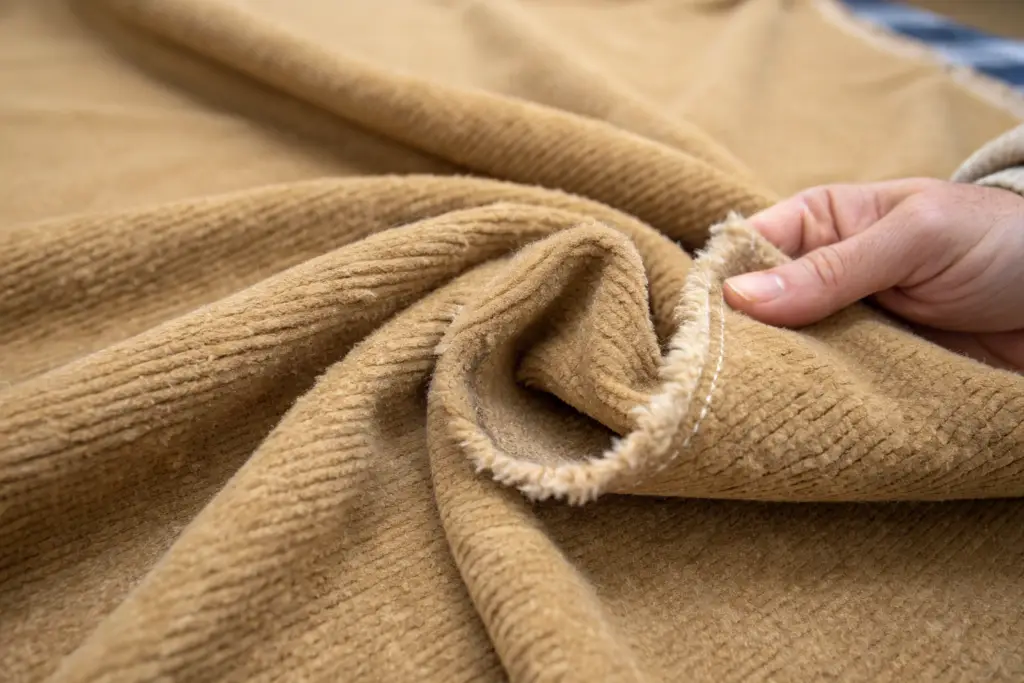
Cotton canvas is a plain-weave, heavy fabric. It is the material of tents, sails, and artist canvases. It is brutally strong. It is also, in its raw state, stiff and rough. Brushed cotton canvas solves the comfort problem. The fabric is mechanically brushed on one or both sides. The brushing raises a soft nap of fibers on the surface. The result is a fabric that has the structural integrity of canvas and the soft hand feel of flannel. It is a hidden gem in the shorts market.
I recall a brand that wanted a "field short" for outdoor use. They needed a fabric that could handle thorns, rocks, and campfires. But they also wanted it to be comfortable for long hikes. We proposed a 280 GSM brushed cotton canvas. The brand owner felt the sample. He was amazed. It felt soft and broken-in. But he could not tear it with his hands. The shorts became their best-selling bottom for three seasons. The fabric bridged the gap between comfort and armor.
Brushed canvas is underused. It offers a unique combination of properties. It is a point of differentiation for a wholesale brand. Let's explore its construction and its uses.
How Does the Brushing Process Improve Comfort Without Sacrificing Strength?
The brushing process uses rotating wire brushes or abrasive rollers. They scrape the surface of the fabric. This raises the ends of the cotton fibers, creating a soft, fuzzy nap. The nap traps air. This adds insulation and a soft, warm touch. The process does not break the yarns. The structural weave underneath remains intact and strong.
This is different from enzyme washing, which softens fabric by eating away fibers. Brushing adds a layer. It does not remove material. The canvas retains its original weight and tear strength. The brushed surface also hides minor abrasions. A scratch that would show on a smooth twill is invisible in the brushed nap. This makes the short look newer for longer. The brushed cotton fabric properties guide explains the process. A brushed canvas short is a durable short that does not look or feel like a durable short. It feels like a comfort garment.
What Wholesale Niche Does a Brushed Canvas Short Fill?
The brushed canvas short fills the niche between the workwear chino and the casual weekend short. It is ideal for brands that sell to outdoorsmen, craftsmen, and men who want a rugged short that does not look tactical. It is the short for a camping trip, a backyard project, or a fall hike.
It pairs perfectly with flannel shirts, henleys, and boots. It has a seasonal advantage. The brushed interior provides warmth, extending the wearing season into spring and fall. A wholesale buyer can position this short as a "three-season durable short." The fabric differentiates the brand from the sea of standard twill shorts. The brushed canvas shorts market is a growing niche within the broader heritage and workwear trend. It commands a premium price. It attracts a loyal, repeat customer.
Conclusion
Durability is a choice. It is a choice made at the fabric specification stage. Heavyweight cotton twill, from 280 to 320 GSM, provides the classic, all-around durable short. It is the backbone of a wholesale bottoms program. Cotton ripstop provides engineered tear resistance for active and outdoor use. Bull denim provides heirloom-level durability and an aging story that customers love. Brushed cotton canvas provides a unique combination of strength and softness for the comfort-focused rugged customer. These four fabrics cover the spectrum of durable applications.
The key is to specify. Do not write "cotton short" on a purchase order. Write "310 GSM 100% cotton 3/1 twill, pre-shrunk, with a tear strength test report." Do not write "denim short." Write "12-ounce bull denim, 100% cotton, sanforized." The specification is your contract. It separates the professional buyer from the amateur. It guarantees that the bulk order matches the approved sample. It protects your wholesale accounts from returns and your brand from reputation damage.
At Shanghai Fumao, we stock these four durable fabrics in our raw material warehouse. We have the 300 GSM twill. We have the cotton ripstop. We have the bull denim. We have the brushed canvas. We have the testing reports for tear strength, abrasion resistance, and shrinkage. We can produce a durable short that matches your brand's identity and your customers' demands. If you are planning a durable shorts program, contact our Business Director, Elaine, at elaine@fumaoclothing.com. She will send you our durable fabric swatch book with GSM cards and test data. Let us build a short that lasts.