You are staring at a spreadsheet. Twenty supplier quotes for classic shorts. The price range is shocking. One factory quotes $4.50 per piece. Another quotes $12.80. They both sent similar photos. They both claim "high quality." You feel a cold sweat. You have been burned before. Two years ago, you placed a $15,000 order with the cheapest supplier. The shipment arrived late. The sizing was inconsistent. A medium was tighter than a small. The fabric pilled after three washes. Your customers demanded refunds. Your brand reputation took a hit. You swore you would never make that mistake again. But now you need inventory for the summer season. You need a reliable partner. You need a factory that delivers what it promises. The clock is ticking. The shipping deadline for the Memorial Day sales floor is approaching fast.
Sourcing high-quality classic shorts from China in 2026 requires a systematic approach focused on factory verification, technical specification clarity, quality control checkpoints, and logistics transparency. The lowest price is almost never the best value. The best value comes from a factory that uses certified raw materials, follows a documented quality management system, communicates proactively, and offers DDP (Delivered Duty Paid) shipping terms. This factory becomes your production partner, not just a vendor. This partnership protects your brand and your margin.
I run Shanghai Fumao, a garment factory with five production lines. I have been on both sides of this transaction. I have seen buyers make costly mistakes that could have been avoided with a simple checklist. I have also seen buyers build incredibly profitable brands because they found the right manufacturing partner and built a system of trust. This article is that checklist. It is a practical guide to navigating the Chinese apparel manufacturing landscape in 2026. It covers the questions you need to ask, the documents you need to demand, and the red flags you need to avoid.
How to Verify a Chinese Shorts Manufacturer Before Placing an Order?
I recall a distressed email from a brand owner in Chicago. He had wired a 30% deposit to a supplier he found on Alibaba. The supplier had a gold supplier badge, a slick website, and responsive salespeople. After the payment, the communication stopped. Emails bounced. The phone number disconnected. He lost $8,000. He came to me asking for help. I could only help him with his next order. The first order was gone. The gold supplier badge is a marketing tool. It is not a factory audit. A slick website can be built in a day. A real factory cannot.
Verification is the most critical step in the sourcing process. You are not just buying a product. You are entering into a financial relationship with an entity thousands of miles away. You need proof that the entity is real, is financially stable, and has the technical capability to produce your specific shorts style. Let's look at the two most reliable verification methods available to you in 2026.

Why Should You Demand a Video Walkthrough of the Production Floor?
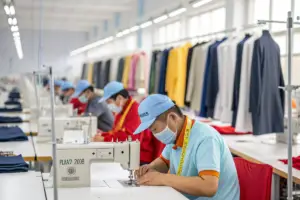
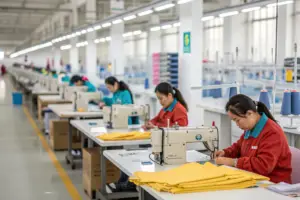
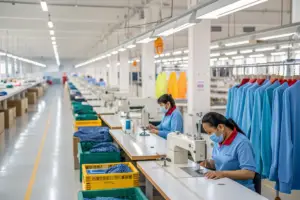
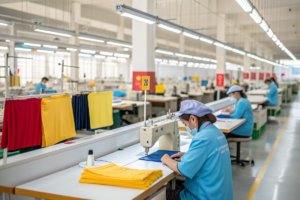
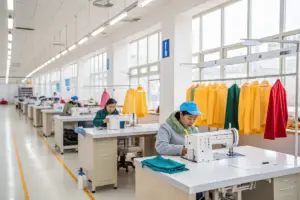
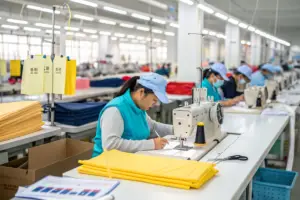
A photo is a frozen moment. A video is a narrative. A live video call walkthrough is the single most effective verification tool you have. It is almost impossible to fake. You can see the flow of the production line. You can see the brand labels being sewn into other garments. You can see the fabric inventory on the shelves. You can ask the person holding the phone to zoom in on a specific machine.
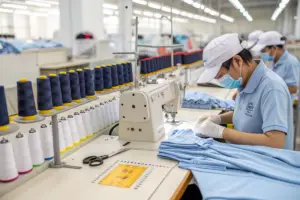
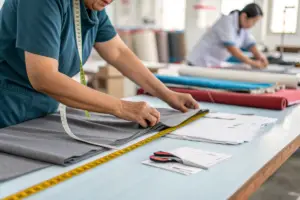
Last year, a potential client asked me for a live video walkthrough. I agreed immediately. I walked him through our cutting room, where he saw the automatic spreading machine. I walked him through Line 3, where he saw operators sewing chino shorts for a U.S. brand he recognized. I showed him our fabric warehouse, where he saw rolls of cotton twill and linen stacked neatly. He placed his first order the next day. The walkthrough answers the fundamental question: is this a trading company or a real factory? A trading company will make excuses. They will say the factory is "too busy" or "too far." A real factory will show you the floor. We also use this walkthrough to demonstrate our machinery. We show the automatic pocket setter. We show the hemming folder. This proves that we can handle the specific construction details of a classic short. You should ask to see the production line machinery that will make your shorts. Ask about the brand and model of the sewing machines. Juki, Brother, and Pegasus are industry standards. If the factory uses household-name equipment, it is a sign of investment in quality.
What Certifications Prove a Factory's Commitment to Quality Management?
Certifications are not just paper. They are evidence of third-party verification. The most important certification for a garment factory is an ISO 9001 quality management system certification. This means an external auditor has reviewed the factory's processes, from raw material receiving to final inspection. The factory has documented procedures for handling defects and customer complaints.
Other critical certifications include BSCI or WRAP for social compliance. These audits check for fair wages, safe working conditions, and no child labor. For organic cotton shorts, a GOTS or OCS certification is necessary. For recycled polyester athletic shorts, a GRS certification is key. I keep a folder of our current certifications ready to send to any buyer. I also keep the audit reports. A certification is renewed periodically. Make sure the certificate is current. Ask for the certificate number and check it against the issuing body's online database. A factory that invests in these audits is serious about business. The audit costs thousands of dollars. A fly-by-night trader will not make this investment. This is a screening tool. It separates the professionals from the opportunists. You should also ask about the factory's internal quality control team. How many QC inspectors do they have? Do they inspect on the line or only at the end? A factory with in-line inspectors catches defects before the garment is finished.
How to Specify Technical Requirements for Classic Shorts Manufacturing?
I once received a purchase order from a new brand. The entire specification for the shorts was: "Like the Levi's 505 but shorter. Good quality." That was it. No measurements. No fabric weight. No stitch type. I had to stop the order. I told the brand owner, "I want to make your shorts perfectly. But you have not told me what perfect means to you." He was frustrated at first. He thought I was being difficult. I explained that without a tech pack, the factory makes assumptions. The factory's assumptions will be different from his expectations. This gap is where disputes are born.
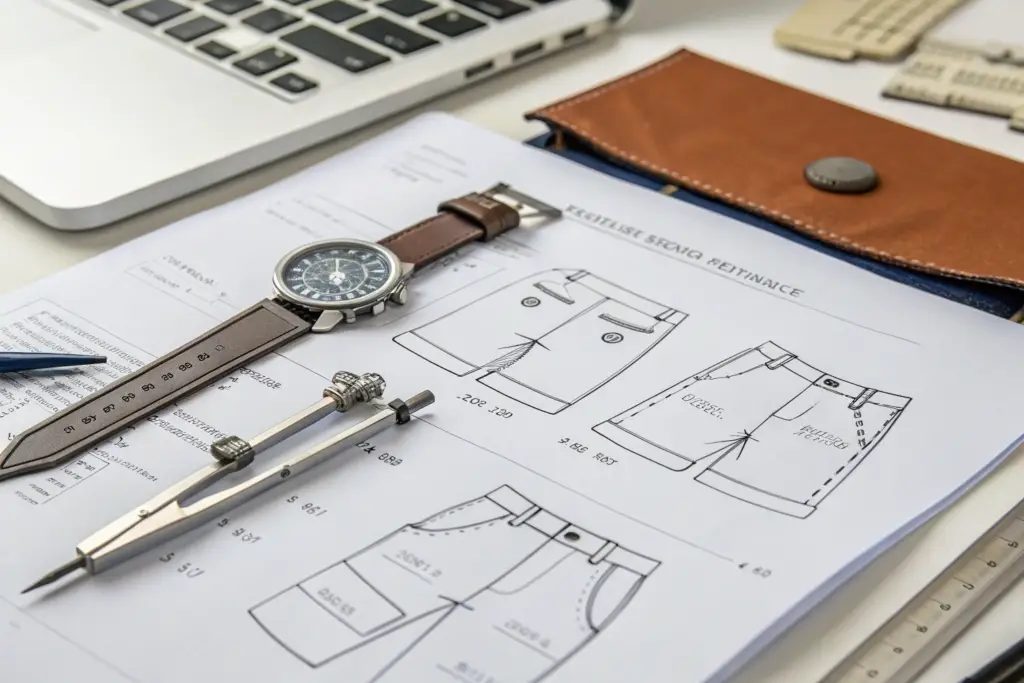
A tech pack is a contract. It is a shared language between you and the factory. It translates your aesthetic vision into numbers and material codes. A good tech pack protects you. If the factory delivers a short that does not match the tech pack, you have grounds for a claim. Without a tech pack, it is your word against theirs. Let's break down the two most critical sections of a tech pack for classic shorts.
Which Measurement Points Must Be Included in Your Tech Pack?
A pair of shorts has at least 15 critical measurement points. You cannot just specify the waist and inseam. You must specify the front rise, the back rise, the hip width at a specific point below the waist, the thigh width, the leg opening, and the pocket bag depth. Each measurement point needs a clear diagram and a tolerance.
I will give you a specific example. A chino short looks different if the front rise is 10 inches versus 11 inches. A 10-inch rise sits low on the hip. An 11-inch rise sits at the natural waist. This one-inch difference changes the entire style. It changes the target customer. We had a client who sent us a sample short. We measured every point on that sample. We created a digital pattern from those measurements. We sent the first prototype. He said the fit was different from his sample. We checked our measurements against his sample. They matched. The issue was the fabric. His sample was a stretch twill. Our prototype was a rigid twill. The same measurements in different fabrics produce different fits. This is why the tech pack must specify the base fabric. The measurement tolerances must be realistic. A plus or minus 0.5 inch tolerance on a half-waist measurement is standard. A plus or minus 0.1 inch tolerance is not achievable in mass production. If you set unrealistic tolerances, the factory will ignore the entire tech pack. You need to understand garment measurement tolerances to build credibility with your manufacturing partner.
How Do You Specify Stitch and Seam Types to Prevent Failure?
Stitches and seams are the skeleton of the short. The type of stitch determines the strength and stretch of the seam. A 301 lockstitch is the standard straight stitch. It is strong but has no stretch. A 401 chainstitch has inherent stretch. A 504 overlock stitch finishes the raw edge of the fabric. A 516 safety stitch combines a 401 and a 504. It is the strongest seam for a crotch curve.
We recommend a 516 safety stitch for the back rise of all classic shorts. This is the highest stress point. We use a stitch density of 10-12 stitches per inch. We specify the thread type. For cotton twill shorts, we use a polyester core-spun thread. The polyester core provides strength. The cotton wrapping provides a soft feel and heat resistance. For linen shorts, we use a 100% polyester thread because linen is a rougher fiber that abrades cotton thread. The stitch type and thread must be in the tech pack. If you do not specify, the factory will use the cheapest available thread. This thread may snap after 10 washes. You will see the returns pile up. You will not know why. The answer is in the stitch specification. You should also specify the seam allowance. A 1-centimeter seam allowance is standard. For a raw hem denim cutoff, you specify the distance of the chain stitch from the raw edge, usually 1.5 centimeters. This stitch prevents the fraying from climbing up the leg. Every one of these stitch type specifications is a line of defense against a quality failure.
How to Implement Quality Control for China-Made Classic Shorts?
Quality control is not a single event at the end of production. It is a process that runs parallel to production. I learned this lesson painfully early in my career. We shipped an order of 1,500 shorts to a European client. Our final inspection caught some loose threads. We trimmed them and shipped. But we did not check the color consistency. The shorts were cut from two different dye lots. Under our factory lights, they looked the same. Under the department store's bright lights, the difference was obvious. Half the shorts were a shade lighter. The entire order was rejected. We ate the cost. We bought a lightbox the next week.
Quality control for imported shorts is your responsibility as the buyer. The factory has a QC system. But their incentives are different from yours. They want to ship the order. You want to protect your brand. You need independent verification. You need to insert checkpoints at specific stages of production. Let's walk through the two most impactful QC interventions.
What Is an Inline Inspection and Why Does It Matter More Than a Final Inspection?
A final inspection happens when the order is packed in cartons. The problem with a final inspection is that it is too late. If the inspector finds a systemic defect, the entire order is already made. The options are limited: reject the whole shipment, which no one wants to do, or accept defective goods.
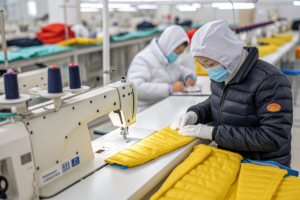
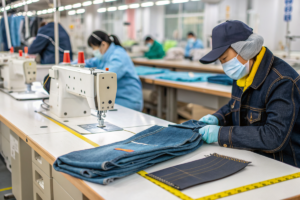
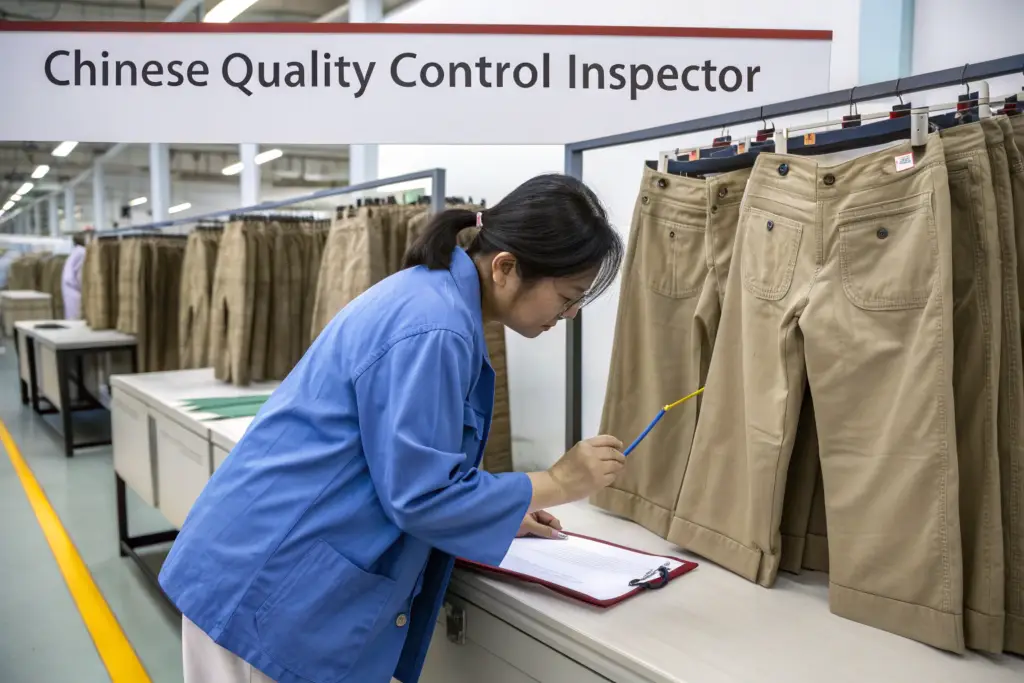
An inline inspection happens during production. The inspector walks the sewing line. They check the garments as they come off the machines. They find the defect at the source. If an operator is attaching the waistband incorrectly, the inline inspector catches it after 10 pieces, not 1,000. The error is corrected. The defective pieces are repaired. The rest of the production is clean. We encourage our clients to hire a third-party inspection company like SGS or Bureau Veritas to perform an inline inspection when 30% of the order is packed. This is the sweet spot. You can see the production quality. The factory still has time to fix issues. The inspection must follow the AQL (Acceptable Quality Limit) sampling standard. An AQL of 2.5 for major defects is standard for apparel. This means the inspector checks a random sample of garments. If the number of defective pieces exceeds the limit, the entire lot fails. The AQL sampling methodology is a statistically valid way to accept or reject a shipment. You must agree on the AQL level and the defect classification with the factory before production starts.
How Can a Pre-Shipment Inspection Checklist Save Your Brand's Reputation?
A pre-shipment inspection is the final gate. The goods are made. They are packed. The container is booked. An inspector opens a certain number of cartons. They check the garments for visual defects, measurement accuracy, and packing conformity. A structured checklist is essential.
My QC manager uses a 20-point checklist for classic shorts. The checklist includes: zipper function, button attachment strength, pocket bag stitching, hem evenness, color matching to the approved swatch, bar tack presence at stress points, and correct label placement. One often-overlooked item is the carton marking. The carton must display the PO number, the style number, the color, the size breakdown, and the quantity. If the carton marking is wrong, the warehouse receiving team cannot stock the inventory properly. This creates a logistical headache. The inspection also checks the fit on a mannequin or a live model. A measurement chart can be perfect, but a garment can still look wrong on a body. The inspector puts the short on a mannequin and takes photos from the front, side, and back. These photos are sent to you for approval. This visual check is the final confirmation. It tells you if the drape is correct. It tells you if the pocket bags are visible through the fabric. This pre-shipment inspection protocol is your last chance to catch a problem before the goods leave China. Once the container sails, the problem becomes much more expensive to fix.
Logistics and payment are where many great sourcing deals die. I have seen a brand owner source a beautiful short at a great FOB price. Then the freight quote came in. The ocean freight cost had tripled since his last order due to Red Sea diversions. His margin evaporated. I have also seen a buyer pay a 50% deposit and then wait six months for delivery. The factory used his deposit to finance another client's order. He had no leverage. The goods were held hostage. These nightmares are preventable.
The terms of the deal must protect both parties. The factory needs to know they will be paid for their work. You need to know you will receive the goods you ordered on time. The logistics and payment structure is a negotiation that defines the power balance in the relationship. Here are the two most important strategic decisions you will make.

Why Is DDP Shipping the Safest Bet for First-Time Importers?
DDP stands for Delivered Duty Paid. This means the supplier arranges the ocean freight, the U.S. customs clearance, the duty payment, and the final trucking to your warehouse door. You pay one price per unit. You receive the goods. You do not file customs paperwork. You do not pay a customs broker. You do not pay port fees.
This model transfers the logistics risk to the supplier. If U.S. Customs and Border Protection holds the container for an x-ray exam, the supplier pays the storage fees. If the duty rate is higher than estimated, the supplier absorbs the cost. For a first-time importer, this is invaluable. You do not have the expertise or the relationships to manage a customs clearance. A mistake on an ISF (Importer Security Filing) can result in a $5,000 fine. At Shanghai Fumao, we offer DDP shipping to our U.S. clients. We have a freight forwarder partner who specializes in textile imports. We know the exact duty rate for men's woven cotton shorts (28.6% plus a specific duty rate) and women's linen shorts. We build this into the DDP price. The client pays a single invoice. They plan their inventory receipt with certainty. The DDP shipping term is more expensive per unit than FOB. But it eliminates the unknown unknowns. The price you see is the price you pay. This is the smartest choice for a buyer who values predictability over a theoretical lowest cost.
What Payment Structure Protects Both Buyer and Supplier?
The payment structure must balance risk. A 100% upfront payment is too risky for the buyer. A 100% payment after delivery is too risky for the supplier. The industry standard is a compromise: a 30% deposit to start production, and the 70% balance before shipment or against the bill of lading.
We use a 30/70 structure at Shanghai Fumao. The 30% deposit covers the raw material cost. This shows the buyer is serious. It allows us to purchase the fabric and trims without using our working capital. The 70% balance is due when the goods pass the pre-shipment inspection. We send the inspection report and a video of the packed cartons. The buyer pays. We release the goods. For ongoing relationships, we offer Net 30 terms to qualified buyers. This means the goods ship, and the buyer pays 30 days after the bill of lading date. This is a significant cash flow advantage for the buyer. It means they can receive the shorts, sell them, and generate revenue before paying the supplier. But this requires trust. It requires a history of on-time payment. A letter of credit from a bank is another option. It is a guarantee from the buyer's bank that payment will be made upon presentation of compliant shipping documents. A letter of credit is secure but expensive and bureaucratic. It is usually reserved for orders over $50,000. The international trade payment terms you choose should reflect your cash flow position and the level of trust in the relationship. Never wire money to a personal bank account. Always pay to a corporate bank account that matches the supplier's business license name.
Conclusion
Sourcing high-quality classic shorts from China is a skill that improves with each order. The first order is the hardest. You are operating with incomplete information. But the process can be learned. You start with verification. You insist on a live video walkthrough and valid certifications. You do not trust a gold supplier badge. You create a detailed tech pack. You specify the measurement points, the stitch types, and the thread quality. You leave no room for assumptions. You implement quality control. You hire a third-party inspector to perform an inline check and a pre-shipment check. You catch defects before they ship. You structure your logistics and payment to minimize risk. You choose DDP shipping for your first order. You pay a 30% deposit and a 70% balance against inspection.
These steps transform a transaction into a partnership. The factory sees you as a professional buyer. They respect your process. They know you will catch sloppy work. They assign their best operators to your order. Your shorts arrive on time, on spec, and ready to sell. Your customer opens the box and feels the quality. They become a repeat customer. Your brand builds a reputation for consistency. This is the virtuous cycle of good sourcing.
At Shanghai Fumao, we want to be the partner that enters this cycle with you. We have the video walkthrough ready. We have the certifications on file. We have the DDP shipping quote prepared. We have the QC checklists fine-tuned over years of production. If you are sourcing classic shorts for the coming season, contact our Business Director, Elaine, at elaine@fumaoclothing.com. Send her a message. Tell her what style you are looking for. She will send you our fabric swatch book and a transparent costing sheet. Let us show you how low-stress, high-quality sourcing can work.