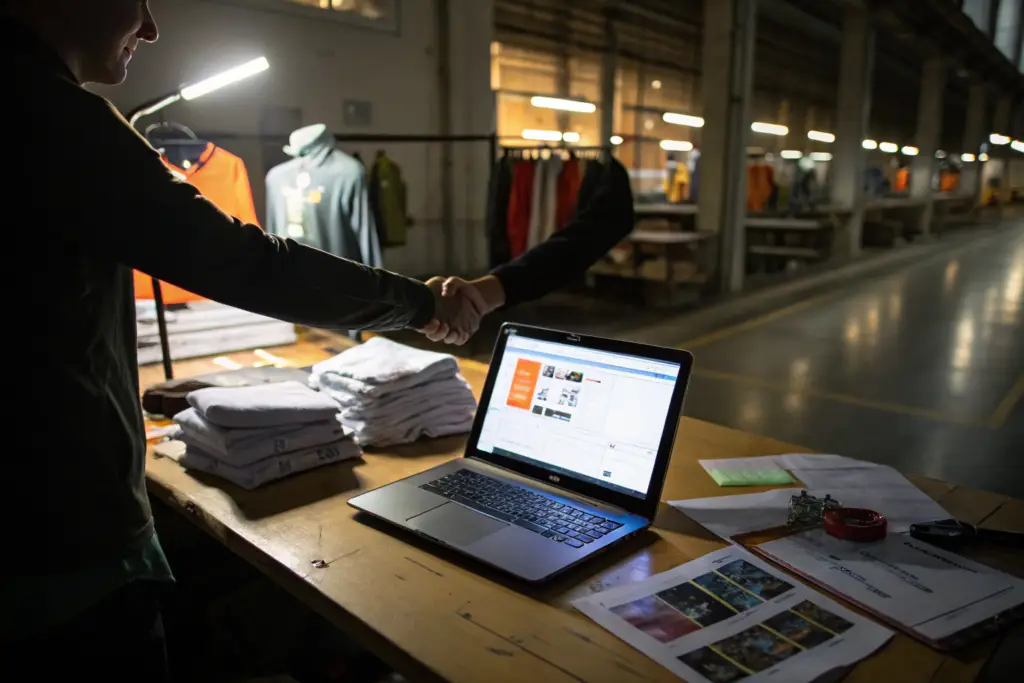
I remember a conversation I had with a swimwear brand owner from Miami in early 2025. She had built her entire business on Alibaba. For three years, she bounced between eight different suppliers. Every season was a gamble. One supplier would deliver perfect quality, then ghost her on the reorder. Another would ship on time but substitute the fabric without asking. She was exhausted. She was spending 30 hours a week managing supplier communication, and she had still never met a single factory owner in person. She told me, "I feel like I have eight pen pals, not a supply chain." She knew she needed a direct partnership, but she had no idea how to cross the gap between a transactional marketplace and a real manufacturing relationship. Her story is not unusual. It is the standard experience of a brand that has outgrown Alibaba but has not yet found its factory.
Transitioning from Alibaba sourcing to a direct factory partnership requires a staged approach: first, use your existing Alibaba data to define exactly what you need from a partner, then conduct a physical or third-party audit of a shortlisted factory to verify capabilities, and finally negotiate a structured trial order that tests the factory's performance across quality, communication, and delivery before you commit your full production volume. The goal is not to find the cheapest supplier, but to find the last supplier you will ever need to search for.
At Shanghai Fumao, we have onboarded many brands that started their journey on Alibaba. I know what the platform does well. It lowers the barrier to entry. It gives you access to thousands of factories with a few clicks. But I also know what it cannot do. It cannot show you whether a factory has a real quality control system or a rented showroom. It cannot tell you whether the salesperson you are messaging actually works for the factory or is a trading agent with a good profile photo. The transition to a direct partnership is the moment your brand stops being a buyer and starts being a partner. Let me walk you through exactly how to make that transition without putting your existing business at risk.
How to Use Your Alibaba History to Define Your Ideal Factory Profile?
Before you leave Alibaba, use it. Your transaction history on the platform is a gold mine of data about what you actually need from a factory. Most brand owners never analyze this data systematically. They remember the disasters, they remember the wins, but they never sit down and map out the patterns. Which product categories were consistently on time? Which ones always had quality issues? Which suppliers responded to messages within 12 hours, and which ones took three days? This data tells you exactly what your non-negotiables are for a direct partner. You just need to extract it from the platform and look at it with fresh eyes.
Your Alibaba transaction history reveals your actual minimum requirements for a manufacturing partner across four dimensions: product specialization, communication responsiveness, quality consistency, and logistical reliability. By scoring your past suppliers on each dimension and weighting the scores by order volume, you create a data-driven ideal factory profile that replaces vague wishes with specific, measurable criteria. This profile becomes your checklist when evaluating potential direct partners.
I did this exercise with the swimwear brand owner I mentioned. Her data showed something she had not consciously realized. Her top three performing orders, measured by customer return rate, had all come from factories that specialized exclusively in swimwear, not general apparel. Her worst orders had come from factories that listed ten different product categories. The data was telling her that specialization mattered more than she thought. Let me show you how to extract these insights and how to verify them on the ground.
What Supplier Performance Metrics Should You Extract from Alibaba?
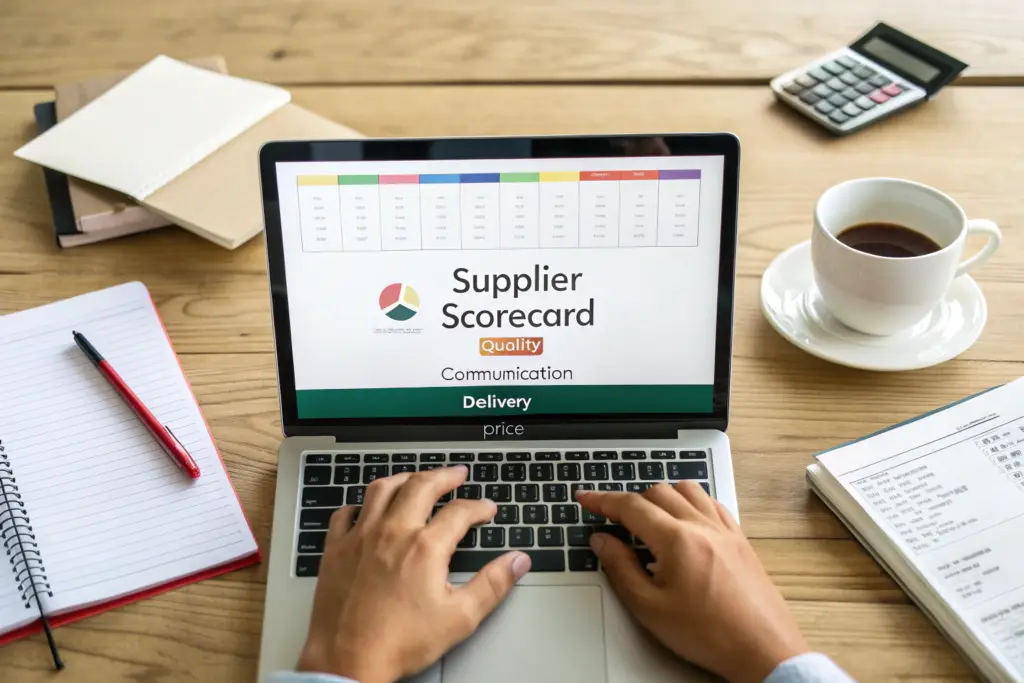
The platform tracks more data than most buyers notice. Pull your last 18 months of order history. Create a spreadsheet with columns for Supplier Name, Product Category, Order Quantity, Defect Rate, On-Time Delivery, Response Time, and Resolution Rate. The defect rate is the percentage of units you had to discount or return. The response time is the average time between your message and the supplier's reply, which you can estimate from your chat logs. The resolution rate is whether the supplier fixed a problem or argued about it.
When I see a brand's data, I look for the correlation between response time and defect rate. In my experience, a supplier who takes more than 24 hours to respond to a pre-production query is also a supplier who will delay shipment when a problem arises. Fast communication is the canary in the coal mine. If they are slow when you are about to give them money, they will be slower when you have already paid and need a problem solved. One brand I worked with discovered that every order from a supplier with a response time over 48 hours had a defect rate above 8%. That single data point helped them eliminate three potential partners instantly.
How to Identify True Specialists Versus Generalist Trading Companies?
Alibaba makes it hard to tell who is a factory and who is a trader. A trading company can list a factory address, post photos of a production floor they visited once, and call themselves a manufacturer. They are not. They are brokers. They add markup, they add communication lag, and they add risk because they do not control production.
Your order history gives you clues. A real factory will have deep consistency in their product range. They sell swimwear, and only swimwear, season after season. A trading company will sell swimwear in spring and Christmas decorations in winter. Look at the supplier's full product catalog on Alibaba. If they list 500 unrelated products across ten categories, they are almost certainly a trader. Also look at the language of their messages. A factory salesperson will answer technical questions about fabric and construction. A trader will answer questions about price and MOQ and deflect technical queries with "let me check with production." The difference is visible if you read your old messages with this lens. I recommend brands use a supplier verification service to physically audit any potential partner before moving forward, regardless of how good their Alibaba profile looks.
Why Is a Physical Factory Visit Non-Negotiable Before Committing?
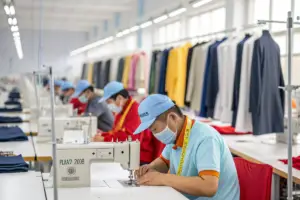
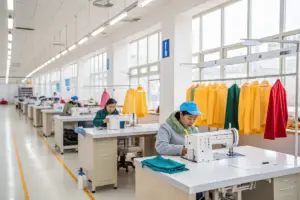
I have written about this before, and I will repeat it every time. A physical factory visit reveals what no video call, no Alibaba profile, and no PDF audit report can show. The factory you see on a screen is a curated performance. The factory you walk through unannounced is the factory that will handle your order. I have visited facilities that looked immaculate in their Alibaba photos. The photos were real. They were taken in a corner of the factory that had been renovated, while the rest of the floor was a fire hazard with broken machinery. You cannot spot this from a desk in Los Angeles. You spot it by walking into the back room that the tour guide skips.
A physical visit allows you to verify the three things that matter most and are easiest to fake digitally: the factory's real production capacity versus their claimed capacity, the working conditions and safety infrastructure, and the quality control process as it operates on a normal production day. These elements determine whether your order will ship on time, whether your brand will be associated with labor violations, and whether your garments will match the approved sample. No digital alternative provides this verification.
I understand that a flight to China is expensive and time-consuming. But I have never met a brand owner who regretted the trip. I have met many who regretted skipping it. Here is what to look for when you walk the floor, and how to handle the visit if you simply cannot travel.
How to Verify Capacity and Specialization During a Walkthrough?
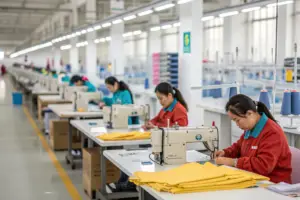
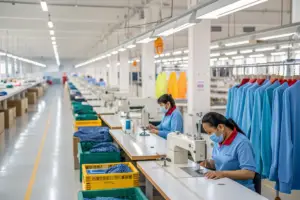
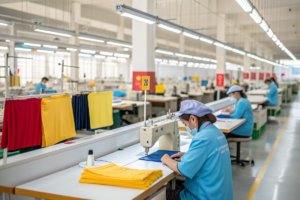
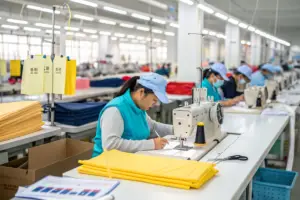
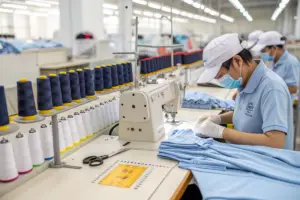
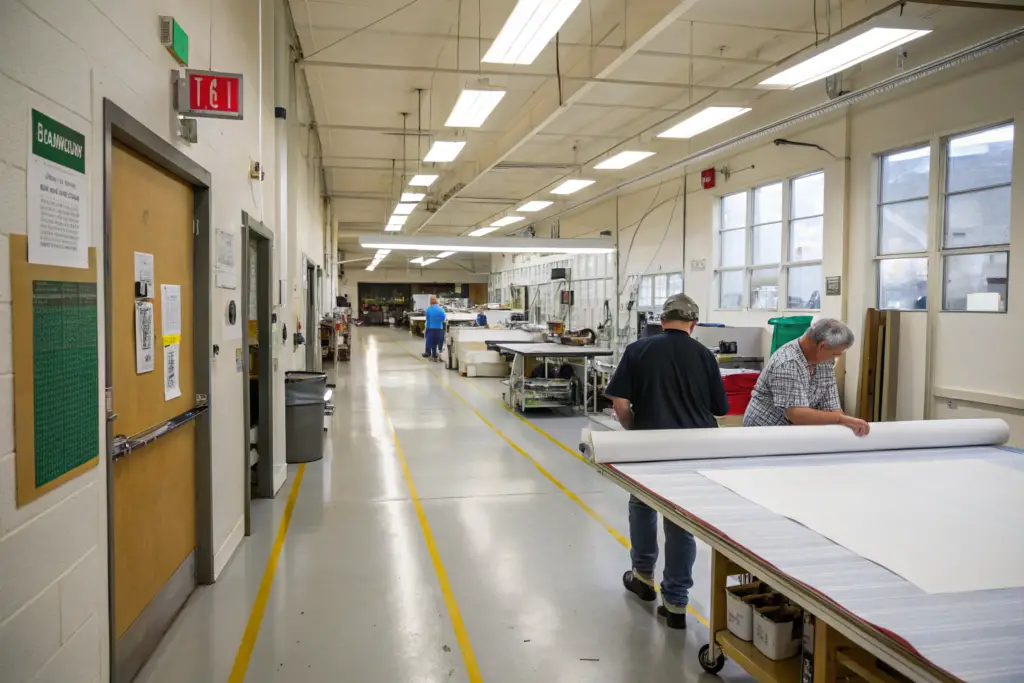
Count the machines. It sounds too simple, but it is the most honest audit you can perform. A factory that claims to have ten production lines should have the sewing machines, cutting tables, and finishing stations to match. If you see five lines running and five lines of empty space, they are inflating their capacity.
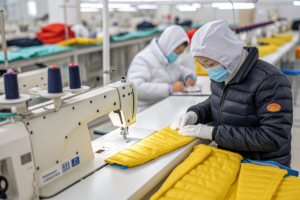
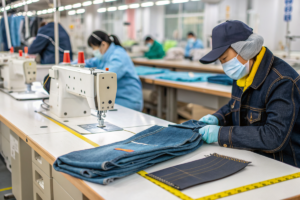
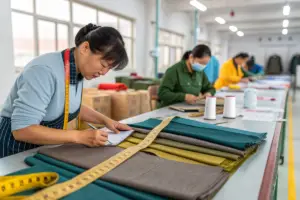
Check the work-in-progress on the cutting table and the sewing lines. Does the fabric, the garment type, and the quality level match what they claim to produce? If they told you they specialize in premium womenswear but the cutting table is stacked with cheap promotional T-shirts, they are a job-shop that takes whatever comes in the door. They are not a specialist in your category. Also ask to see their fabric and trim inventory. A factory that claims to have short lead times should have a physical inventory of core materials. An empty fabric warehouse means they buy everything after you place the order, which adds weeks to your timeline. I recommend scheduling the visit during a normal production week, not during a holiday or a trade show week when the factory might stage a performance.
What If Travel Is Not Feasible? How to Build a Remote Audit Process?
If you cannot fly to China, hire a local pair of eyes. Third-party inspection companies like Bureau Veritas, SGS, or Intertek offer factory audit services that go far deeper than a standard Alibaba "verified supplier" check. They send a trained auditor to the factory with a checklist that covers everything from fire exits to payroll records.
But do not simply accept the audit report at face value. Get on a video call with the auditor while they are still at the factory. Ask them to walk you through the facility in real time. Ask them to pan the camera into corners, into the chemical storage area, into the finishing room. Ask to speak to a random worker, not the one the factory manager selected. A remote audit combined with a live, unscripted video walkthrough is not as good as being there in person, but it is 80% as effective and costs a fraction of the flight. At Shanghai Fumao, we welcome both. I have done live video walkthroughs for buyers who could not travel, and I have hosted buyers who flew in for a two-day visit. Both are valid. The key is that the buyer is actively verifying, not passively trusting.
How to Structure a Trial Order That Tests the Partnership?
The trial order is your final exam for the factory. It is not just about seeing if they can sew. You already know they can sew, or you would not have gotten this far. The trial order tests whether they can manage a complete production cycle from purchase order to delivery with your specific requirements. It tests their communication, their documentation, their quality control, and their logistics coordination. If they pass, you have a partner. If they fail, you lost a small order instead of a large one. The structure of the trial order matters as much as the decision to place it.
A well-designed trial order includes a representative sample of your product range, a clear specification package, a shared quality standard with measurable tolerances, and a post-delivery review meeting where both sides discuss what worked and what needs adjustment. The goal is not a perfect order. The goal is an order that reveals how the factory handles problems when they inevitably arise. A factory that communicates problems transparently and fixes them quickly is worth ten factories that only communicate when the order is already late.
I have walked many brands through their first trial order with Shanghai Fumao. Here is how I recommend they structure the product selection and the feedback loop.
How Many Styles and Units Should a Trial Order Include?
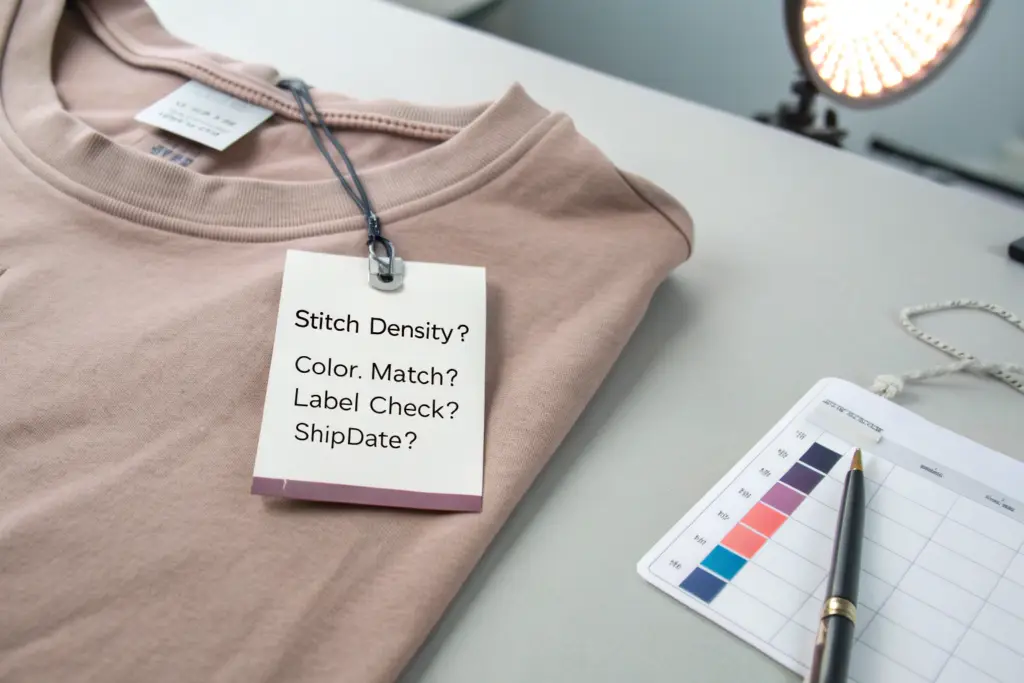
Do not test one style. One style is a fluke. Test three styles that represent the range of your collection. If you sell dresses, test a simple woven shift, a knit wrap dress, and a more complex style with linings or special finishes. This tests the factory's versatility across different construction techniques within your category.
The quantity per style should be the factory's stated MOQ, but no more than 300 units. This is enough volume to run a real production batch, not a sample run, but small enough that a failure does not bankrupt you. A 100-unit per style order across three styles means you are committing to 300 units total. That is a serious but manageable test. If the factory insists on 1,000 units per style for a trial order, walk away. A factory that will not accommodate a reasonable test order is a factory that does not want your long-term business. They want your one-time cash.
What Feedback Loop Creates Continuous Improvement After Delivery?
The trial order is not over when the shipment arrives. That is when the most important conversation happens. Schedule a post-delivery review call within two weeks of receiving the goods. Prepare a scorecard with the same metrics you extracted from your Alibaba history: on-time delivery, defect rate, communication responsiveness, documentation accuracy, and packaging compliance.
Share this scorecard with the factory. Be specific. "Three units in the navy colorway had loose threads on the left sleeve hem." "The care labels were correct but the font was smaller than the approved sample." A good factory will receive this feedback professionally and adjust their process. A defensive factory will argue or deflect. Their reaction to your feedback is the single best indicator of whether this partnership will work long-term. At Shanghai Fumao, we keep a "continuous improvement log" for every brand partner. Each order's feedback is recorded, and the production team reviews it before starting the next order. This turns a series of transactions into a learning relationship.
How to Move from Transactional Communication to Strategic Partnership?
The biggest difference between Alibaba sourcing and a direct partnership is not the price. It is the communication. On Alibaba, you message a salesperson. You ask a question. They answer, or they do not. The interaction is reactive. In a direct partnership, communication shifts from reactive messages to proactive planning. Your factory knows your production calendar. They know your peak season. They reach out to you before you reach out to them, because they see a potential delay in the fabric delivery and they want to solve it before it affects your ship date. This shift does not happen automatically. It is built through intentional communication structure.
Strategic partnership communication replaces the ad-hoc messaging of marketplace sourcing with a structured rhythm of weekly check-ins, shared production calendars, and joint problem-solving. The factory is given visibility into the brand's sales cycle so they can plan capacity and raw material procurement in advance. The brand is given visibility into the factory's production schedule so they can plan launches around real manufacturing lead times rather than optimistic estimates.
This is what I mean when I say a factory becomes an extension of your brand. It is not a marketing slogan. It is a specific communication practice. Here is how to build it.
What Meeting Cadence Keeps Both Sides Aligned?
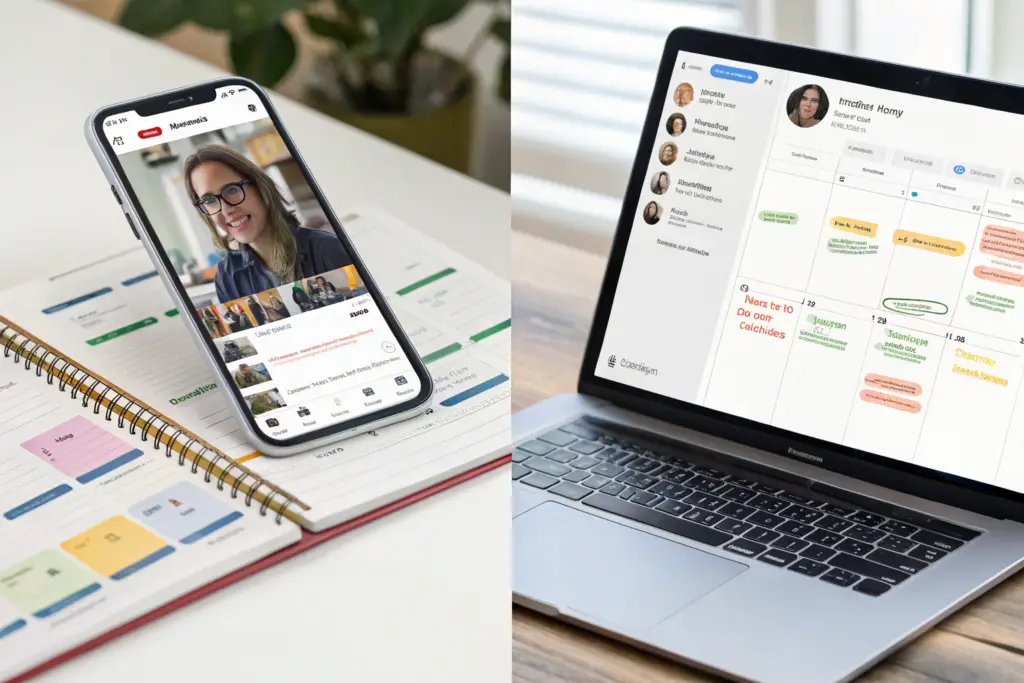
Set a standing weekly or bi-weekly video call. Same time, same day. The agenda is simple: review the status of open purchase orders, flag any upcoming deadlines, and discuss new development projects. This meeting should be no longer than 30 minutes. It is not a social call. It is a production sync.
I have a brand partner in New York who has had a 9:00 AM EST Tuesday call with my team for two years. We have not missed a single week. On that call, we look at a shared Google Sheet that tracks every active style from sampling through shipping. We identify the three items that need attention this week. We assign action items. Then we end the call. This discipline eliminates the "I thought you were handling that" misunderstandings that plague Alibaba relationships. The meeting is the heartbeat of the partnership.
How Does Sharing Your Sales Calendar Improve Production Planning?
Your factory should know when your Spring collection launches. If the launch is February 15, we back-schedule from that date. Shipping takes four weeks. Quality inspection takes one week. Production takes six weeks. Fabric sourcing takes four weeks. That means the purchase order must be finalized by October 15. If you send the PO on December 1, you have already missed the window, and no factory can save you.
Share your launch calendar at the start of the partnership. Update it when dates shift. A factory that knows your rhythm will reserve capacity for you. A factory that is kept in the dark will book other orders and tell you they are full when your PO finally arrives. This is the single most impactful change in behavior when you move from transactional buying to partnership. You stop being a surprise to your factory, and you start being a scheduled, planned, reliable part of their production flow. This is how a brand that orders 500 units gets treated with the same priority as a brand that orders 5,000 units.
Conclusion
The journey from Alibaba to a direct factory partnership is a journey from uncertainty to control. On Alibaba, you are a buyer with a credit card, scrolling through a digital catalog, hoping the supplier you choose is honest and capable. In a direct partnership, you are a brand with a manufacturing extension, working from a shared calendar, solving problems before they become emergencies. The difference is not just in cost per unit, although that improves too. The difference is in the quality of your sleep.
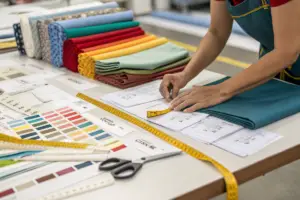
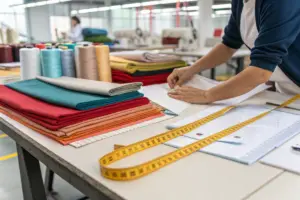
At Shanghai Fumao, I have built the kind of factory that I would want to partner with if I were a brand owner. We communicate proactively. We do not hide problems. We keep our fire exits clear and our machine maintenance logs current, and we invite you to verify both with your own eyes. We do not ask you to trust an Alibaba gold supplier badge. We ask you to walk our floor, talk to our team, and test us with a structured trial order that reveals how we operate under real conditions.
If you have been sourcing on Alibaba and you are ready to stop gambling on suppliers every season, let us start a conversation. Send us your line plan. We will walk you through our fabric library, our quality control process, and our communication structure. You can reach our Business Director, Elaine, at elaine@fumaoclothing.com. The flight to Shanghai is shorter than the time you are currently spending on supplier fires.