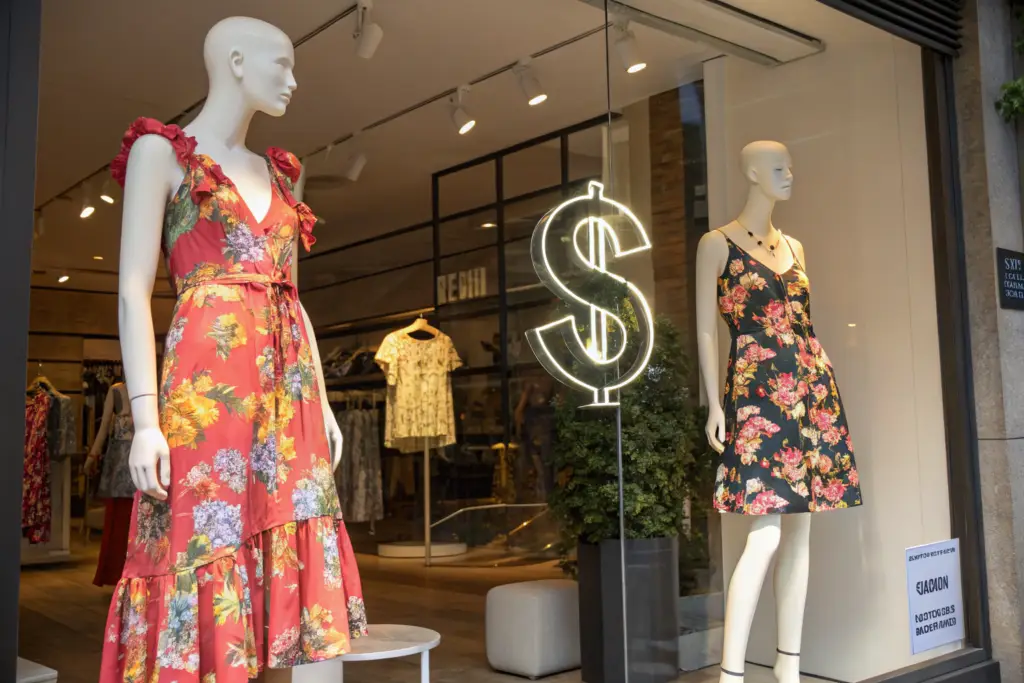
A brand owner from Miami sat in my office two years ago, staring at her sales report. She had launched two floral A-line dresses in the same print. One mini, one midi. The mini sold faster in the first two weeks. The midi sold steadily for three months. When she did the math at the end of the season, the mini had generated a lot of buzz and a 52% gross margin. The midi had generated a quieter, consistent performance and a 62% gross margin. The midi made her $27,000 more profit on the same number of units. She told me, "I thought the mini was my winner. The numbers told a different story. The midi is my profit engine. The mini is my marketing tool."
In the current apparel market, floral midi dresses are generally more profitable per unit than floral mini dresses. The midi silhouette commands a higher retail price, appeals to a broader age range, and has a significantly lower return rate due to its more forgiving fit and versatile occasion range. A midi dress typically retails for 25% to 40% more than an equivalent mini dress, while the production cost difference is only 10% to 15%. The higher margin per unit, combined with lower return costs, makes the midi a superior profit generator for most brands.
This is not a universal rule. Profitability depends on your specific customer, your brand positioning, and your marketing. But the numbers lean strongly toward the midi. Let me show you the math from the production floor to the retail floor.
What Are the True Production Cost Differences Between Midi and Mini Dresses?
The cost of a dress is driven by the fabric and the labor. A midi dress is longer than a mini dress. It uses more fabric. The difference is not as large as most brand owners assume. The fabric cost increment is small. The labor cost increment is almost negligible. The price the market will pay, however, is significantly higher. This gap between the cost increment and the price increment is where the profit lives.
A floral midi dress uses approximately 0.3 to 0.5 meters more fabric than an equivalent mini dress. On a $5 per meter cotton voile, the additional fabric cost is $1.50 to $2.50 per dress. The labor cost is nearly identical because the additional length adds only one extra sewing operation, the hem. The total production cost increase for a midi over a mini is typically 8% to 12%. However, the retail price of a midi is typically 25% to 40% higher than a mini. The midi generates significantly more gross profit per unit sold.
Let me show you the actual numbers from a recent production run.
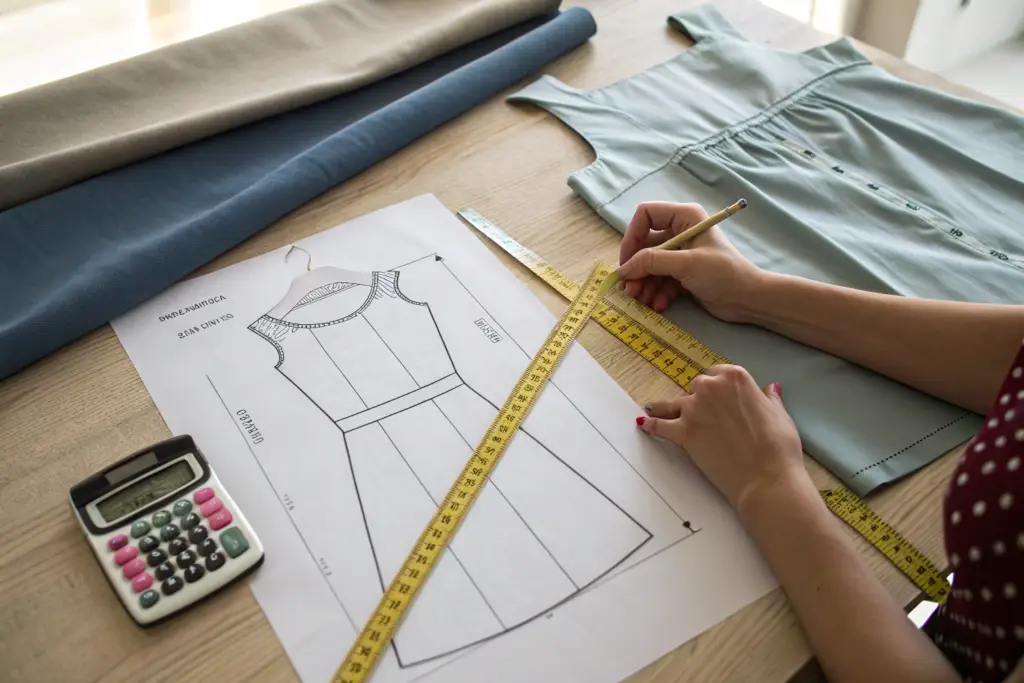
How Much More Fabric Does a Midi Dress Actually Use?
Let's compare a simple A-line floral dress in a standard cotton voile. The mini version has a finished length of 34 inches from the shoulder. The midi version has a finished length of 45 inches. The fabric consumption difference depends on the width of the fabric and the width of the skirt hem.
For a typical A-line silhouette, the fabric consumption is as follows. The mini dress uses approximately 1.5 to 1.7 meters of 54-inch wide fabric. The midi dress uses approximately 1.9 to 2.1 meters. The difference is about 0.3 to 0.4 meters per dress.
If the cotton voile costs $4.80 per meter, the fabric cost difference is $1.44 to $1.92 per dress. Let's call it $1.70 on average.
The other cost components are identical or nearly identical. The bodice is the same. The sleeves are the same. The zipper is the same. The label is the same. The thread consumption is slightly higher. The cutting time is slightly longer. The sewing time for the longer side seams and the longer hem is perhaps 2 to 3 minutes more per dress. At a labor rate of $5 per hour, that is $0.20 of additional labor.
The total FOB cost difference is approximately $2.00. On a mini dress with a $12.00 FOB, the midi version is $14.00. The cost increased by 16.7%.
Now let's look at the retail price. The mini dress in a mid-tier boutique brand might retail for $58. The midi dress from the same brand retails for $78. The retail price increased by 34.5%. The cost increased by 16.7%. The price increase is double the cost increase. The difference is pure margin.
Does the Hem Finish Affect the Cost Difference?
The hem is the bottom edge of the skirt. On a mini dress, the hem circumference might be 40 inches. On a midi dress, the A-line flare means the hem circumference might be 55 inches. The hem is longer on the midi, requiring more thread and more sewing time.
A simple double-fold hem on a mini dress takes about 2 minutes to sew. On a midi dress, about 3 minutes. The labor difference is $0.08. The thread difference is $0.02. The hem finish adds $0.10 to the cost difference. This is negligible.
If the dress has a more complex hem, like a blind-stitch hem, a horsehair braid hem, or a hand-rolled hem, the cost difference increases. A hand-rolled hem on a midi dress can take 10 to 15 minutes longer than on a mini because of the increased circumference. On a premium dress, the hem finish can add $1 to $2 to the labor cost difference.
For a standard commercial dress with a simple double-fold hem, the hem finish is not a significant cost factor. The fabric remains the primary cost difference.
Why Can a Midi Dress Command a Higher Retail Price?
The market perceives a midi dress as more valuable than a mini dress. This is not a statement about style. It is a statement about consumer psychology. A longer dress is associated with more formal occasions, higher quality, and greater versatility. A customer will pay more for a dress she can wear to a wedding, a bridal shower, a date night, and a brunch. A mini dress is often perceived as more casual, more youthful, and less versatile. The perceived value drives the retail price.
A midi dress commands a higher retail price because it appeals to a broader range of occasions and a broader range of customer ages. A 22-year-old and a 52-year-old can both wear a floral midi dress to a summer wedding. A mini dress skews heavily toward the under-35 market and toward casual occasions. The midi's versatility justifies a higher price point in the customer's mind. She is buying a dress for multiple events, not just one party.
This is the consumer psychology that makes the midi more profitable.
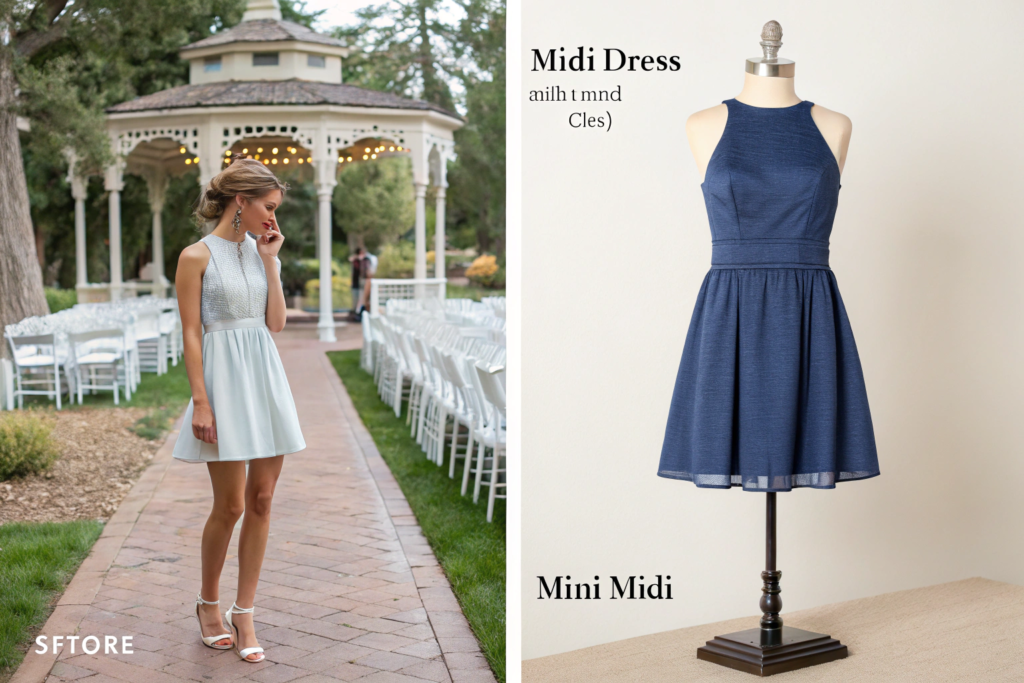
How Does Age Demographics Affect the Price Ceiling?
The fashion market is segmented by age as much as by style. The mini dress market is dominated by consumers aged 18 to 30. This demographic is price-sensitive. They are often students or early in their careers. They are influenced by fast fashion pricing. They compare prices on their phones while shopping. The price ceiling for a mini dress in this market is around $48 to $68 for a mid-tier brand.
The midi dress market spans ages 25 to 65. A 45-year-old professional woman has more disposable income than a 22-year-old student. She is less price-sensitive. She values quality, fit, and fabric. She will pay $78 to $128 for a dress that makes her feel confident and elegant. The price ceiling is higher because the customer's willingness to pay is higher.
A brand that sells both mini and midi dresses must understand this demographic pricing ceiling. You cannot simply price a midi $5 higher than a mini. The midi customer expects a higher price because she associates a higher price with higher quality. The mini customer expects a lower price because she is comparing your dress to fast-fashion alternatives.
A client in San Diego sells a floral mini dress for $54 and a floral midi dress for $84. Same print. Same fabric. Same brand. The mini customer occasionally complains about the price. The midi customer says the dress is a great value. The price perception is completely different for the two customer segments. The midi customer is happier to pay the higher price.
What Occasion Range Does a Midi Offer That a Mini Does Not?
A mini dress is appropriate for casual occasions. A picnic. A beach day. A casual date. A club. It is less appropriate for formal events, religious ceremonies, family gatherings with older relatives, and professional settings. A midi dress works for all of these. A woman can wear a floral midi dress to a church wedding. She can wear it to a graduation ceremony. She can wear it to a business-casual office with a blazer. She can wear it to a dinner date. She can wear it to a bridal shower. The versatility is dramatically higher.
When a customer calculates the "cost per wear," the midi wins every time. If she buys a $84 midi dress and wears it eight times in a season, the cost per wear is $10.50. If she buys a $54 mini dress and wears it three times, the cost per wear is $18. The midi is the better value, even at the higher price. This is the calculation that justifies the higher retail price in the customer's mind.
The versatility also makes the midi a safer purchase. The customer is less likely to return it because she has more occasions to wear it. This is a key factor in the profitability equation, which I will explore next.
How Do Return Rates Impact the Profitability of Mini vs. Midi?
Returns are the silent profit killer in apparel. A dress that is returned costs the brand the outbound shipping, the return shipping, the restocking labor, and often the full retail price if the dress is returned late or damaged. A high return rate can wipe out the profit margin on a dress entirely. Mini dresses have a significantly higher return rate than midi dresses. This differential alone can make the midi more profitable, even if the initial margin looks similar.
Mini dresses have an average return rate of 15% to 25% in e-commerce, driven by fit issues, style mismatch, and the realization that the dress is shorter than expected. Midi dresses have an average return rate of 8% to 12%. The midi's more forgiving fit, the customer's more careful purchase consideration for a higher-priced item, and the greater occasion versatility all contribute to the lower return rate. Each avoided return saves the brand $6 to $12 in processing costs and preserves a full-margin sale.
The return cost differential is often invisible in the initial margin calculation. It becomes devastatingly visible in the end-of-season profit and loss statement.
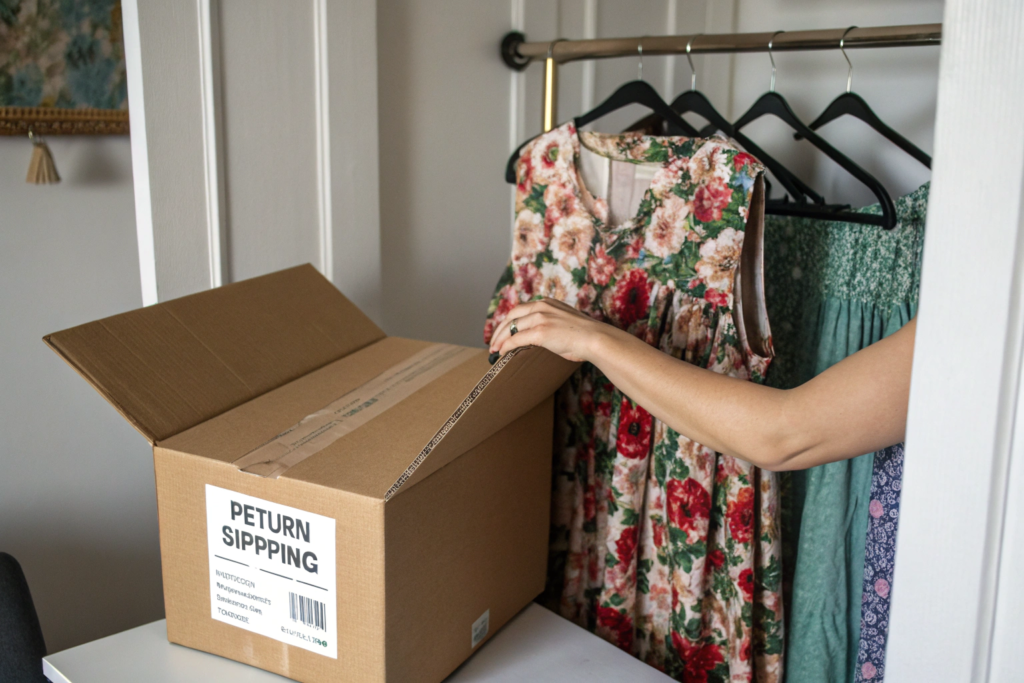
Why Do Mini Dresses Get Returned More Often?
The primary reason is fit. A mini dress exposes the legs. The customer tries on the dress. She looks in the mirror. She thinks the dress is too short. She feels self-conscious about her thighs. She returns it. A midi dress covers the knees and calves. The customer does not have this specific anxiety. The fit is judged on the bodice and the waist, which are the same on both dresses. The midi eliminates a major return reason.
The second reason is occasion mismatch. A customer buys a mini dress for an event. She later realizes the event is more formal than she thought. The mini dress feels too casual. She returns it. A midi dress is more adaptable. It can be dressed up or down. The occasion mismatch is less common.
The third reason is impulse buying. A $48 mini dress is an impulse purchase. The customer clicks "buy" without much thought. When the dress arrives, the impulse has faded. She returns it. A $78 midi dress is a more considered purchase. The customer has thought about it. She has imagined where she will wear it. She is more committed to the purchase when it arrives.
A brand owner in Austin tracked her return reasons for a year. Mini dress returns: 18% fit, 12% too short, 10% changed mind. Midi dress returns: 6% fit, 1% too long, 4% changed mind. The total return rate was 22% for minis and 8% for midis. The midi was almost three times less likely to be returned.
What Does a Return Actually Cost Your Business?
Let's calculate the real cost of a return. You sell a mini dress for $54 with free shipping. The outbound shipping costs you $6. The customer returns it. You pay for the return shipping, another $6. Your warehouse team inspects the dress, steams it, repackages it. That costs $2 in labor. The dress goes back into inventory. The total processing cost is $14. If the dress is returned late, worn, or damaged, you cannot resell it at full price. You liquidate it for $15. Your loss is the full landed cost of $12 plus the $14 processing cost, minus the $15 liquidation recovery. An $11 loss on a dress that was supposed to generate $27 in gross profit.
If you sell 1,000 mini dresses with a 22% return rate, you have 220 returns. At a $14 processing cost per return, your total return cost is $3,080. If you sell 1,000 midi dresses with an 8% return rate, you have 80 returns. Your total return cost is $1,120. The mini dress returns cost you $1,960 more than the midi dress returns.
Now add the lost profit from the returned units. Of the 220 returned minis, maybe 180 are resold at full price. Forty are liquidated. You lose the profit on those 40 units. The mini dress generates more waste. The midi dress generates more profit. The return rate differential is a six-figure factor at scale.
What Is the Best Inventory Strategy for Balancing Mini and Midi?
A smart brand does not have to choose exclusively between mini and midi. The most profitable product mix usually includes both, but in a strategic ratio. The midi is the core profit driver. The mini is the marketing hook and the new customer acquisition tool. The inventory investment should reflect their different roles in the brand's financial ecosystem.
The optimal inventory strategy for a floral dress brand is to allocate approximately 60% to 70% of the production budget to midi dresses and 30% to 40% to mini dresses. The midi dresses generate the reliable, high-margin revenue that covers fixed costs and delivers profit. The mini dresses attract a younger customer, generate social media buzz, and serve as a gateway for new customers to discover the brand. The mini is the marketing cost. The midi is the profit center.
This ratio is based on the sales data I see across my client base. It can be adjusted for your specific brand.
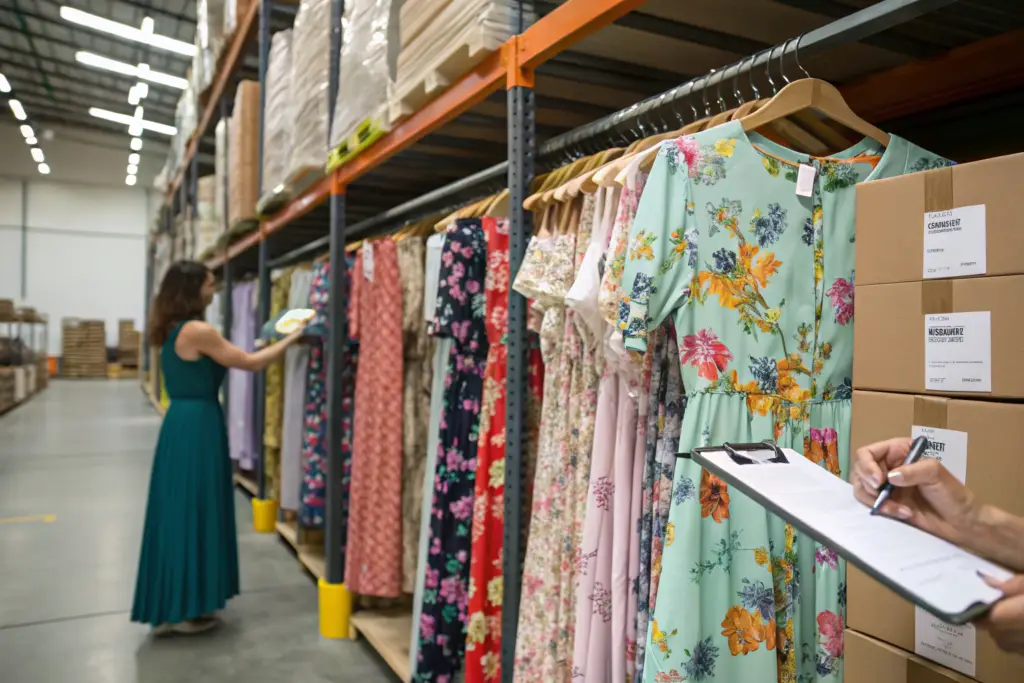
How Should You Use Mini Dresses as a Marketing Tool?
A mini dress photographs well. It is eye-catching on Instagram and TikTok. It appeals to influencers and content creators who are predominantly in their 20s. A brand can use a mini dress as a "loss leader" or a break-even product that drives traffic and new customer acquisition.
Launch a floral mini dress at a sharp price point of $48 to $58. Run social media ads featuring the mini dress. Target a younger demographic. The mini dress is the "click." It gets the customer onto your website. Once she is there, she sees the matching midi dress in the same print. She sees the midi dress styled for a garden party. She is a 25-year-old with a wedding to attend next month. She buys the midi instead, or she buys both. The mini dress did its job. It opened the door.
A client in Portland uses this strategy. Her mini dresses have a 30% gross margin after marketing costs. Her midi dresses have a 55% margin. The mini dresses attract 40% of her new customers. Many of those new customers return to buy a midi dress at full price. The mini is the customer acquisition cost. The midi is the lifetime value.
What Is the "Mini-to-Midi" Funnel?
The mini-to-midi funnel is a customer journey. A 22-year-old discovers your brand through a floral mini dress on Instagram. She buys it. She loves the print and the fabric quality. Two years later, she is 24. She has a professional job. She has a wedding to attend. She comes back to your brand. She buys a floral midi dress because she trusts your quality and she has grown into the midi aesthetic.
The mini dress is the entry-level product. The midi dress is the step-up product. Your brand grows with your customer. If you only offer midi dresses, you miss the entry-level customer. If you only offer mini dresses, you fail to capture the maturing customer who has more money to spend. The product mix captures the customer at multiple life stages.
I have a client in New York who has been in business for eight years. Her original customers bought mini dresses from her in their early 20s. They are now in their early 30s. They exclusively buy her midi dresses. She still sells minis to the new wave of 22-year-olds. Her product mix has created a multi-generational customer base. Her business is resilient because she does not depend on a single demographic. The mini-to-midi funnel is her brand's lifeblood.
Conclusion
The profitability question between floral midi dresses and mini dresses has a clear answer in the current market. The midi dress wins on every financial metric that matters. It costs only 10% to 15% more to produce than a mini dress but sells for 25% to 40% more at retail. It appeals to a wider age range, commanding a higher price ceiling from customers with more disposable income. Its greater occasion versatility makes it a safer, more satisfying purchase. Its significantly lower return rate saves the brand thousands of dollars in processing costs and preserves full-margin sales. The numbers are unambiguous.
The mini dress is not irrelevant. It is a powerful marketing tool and a gateway product for younger customers. A smart brand uses the mini to attract attention and acquire customers. It uses the midi to generate profit and build long-term customer loyalty. The optimal product mix invests heavily in midi and strategically in mini.
If you are planning your floral dress collection and want to model the profitability of mini versus midi for your specific brand, I can help. Our Business Director, Elaine, can provide you with a cost comparison sheet for mini and midi versions of your design, including fabric consumption, labor estimates, and projected landed costs. Email her at elaine@fumaoclothing.com. Tell her you want the Mini vs. Midi Profit Analysis. Let's build a collection that balances buzz and profit, and makes your brand financially unshakeable.