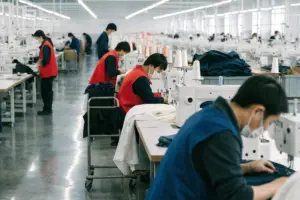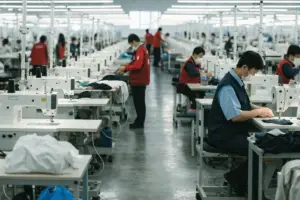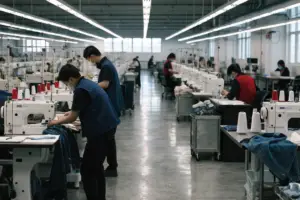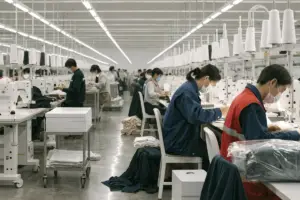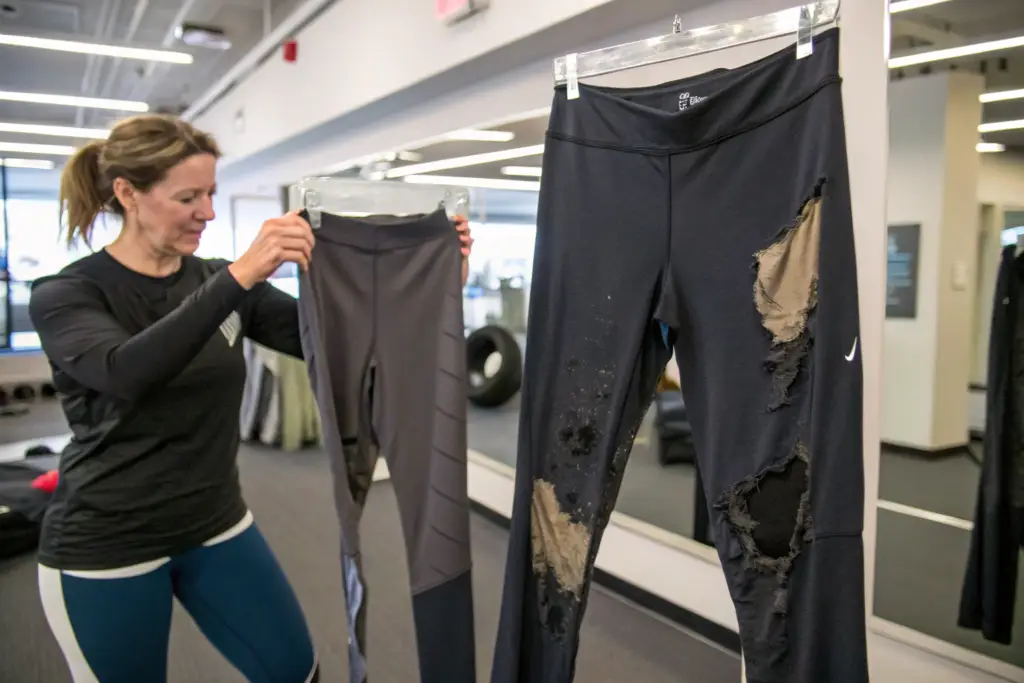
You have seen it happen. An athleisure brand launches with beautiful designs and a compelling brand story. Six months later, the returns flood in. Seams split during squats. The moisture-wicking finish stops working after five washes. The "compression" leggings bag out at the knee and lose their grip. The customer, who trusted this gear for their workout, is furious. Standard garment technology, the kind used for fashion tops and casual trousers, fails catastrophically under the demands of athletic movement. Sports wear is not just fashion. It is functional engineering. The seams must withstand extreme tensile forces. The fabric must manage moisture, heat, and stretch recovery. The fit must support muscles without restricting movement. A fashion factory cannot simply "make" sports wear. They must engineer it.
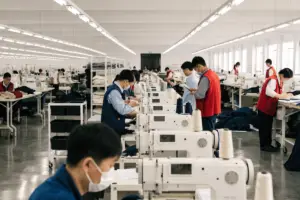
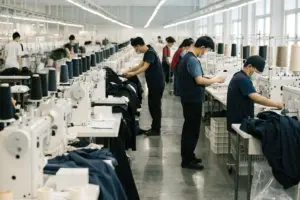
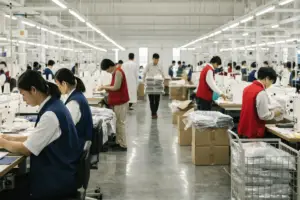
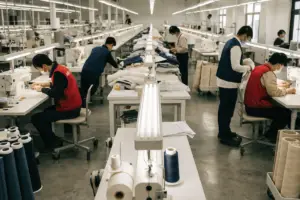
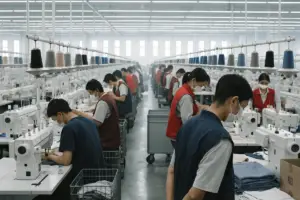
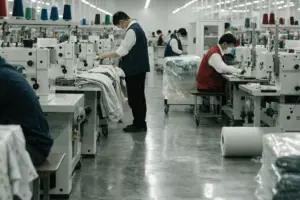
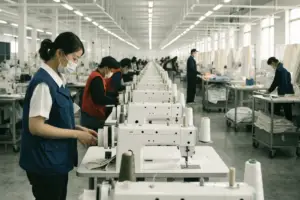
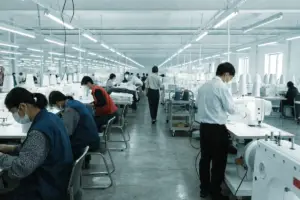
Shanghai Fumao’s garment technology is specifically suitable for sports wear because we have invested in the specialized machinery, seam engineering, and performance fabric expertise that athletic apparel demands. We use 4-needle 6-thread flatlock machines for chafe-free, high-stretch seams. We deploy ultrasonic bonding for seamless, lightweight compression pieces. We understand the difference between a standard lockstitch that snaps under load and a safety stitch that stretches with the athlete. We build gear that performs, not just looks good.
What specific technologies transform a basic garment factory into a sports wear engineering hub? It comes down to the seams, the fabric management, and the fit engineering. Let me walk you through the three technical pillars that make our production lines athlete-ready.
Pillar One: High-Performance Seam Engineering
The seam is the most vulnerable point in any sports garment. A standard lockstitch, used on a fashion blouse, has minimal stretch. When an athlete performs a deep squat or an overhead press, the fabric stretches, but the seam does not. The thread breaks. The garment fails. First-class sports wear is defined by seam types that are engineered to match the stretch and recovery of the performance fabric itself.
We have moved our sports wear production beyond basic overlocking to a full suite of high-performance seam technologies. Our primary workhorses are the 4-needle 6-thread flatlock machines, which create a seam that is flat, smooth against the skin, and stretches up to 120% of its original length without breaking. For high-tension zones like the crotch gusset and the armhole, we deploy 5-thread safety stitches. These are not optional upgrades. They are our standard specification for athletic apparel.
Why Is a Flatlock Seam the Gold Standard for Sports Wear Comfort?
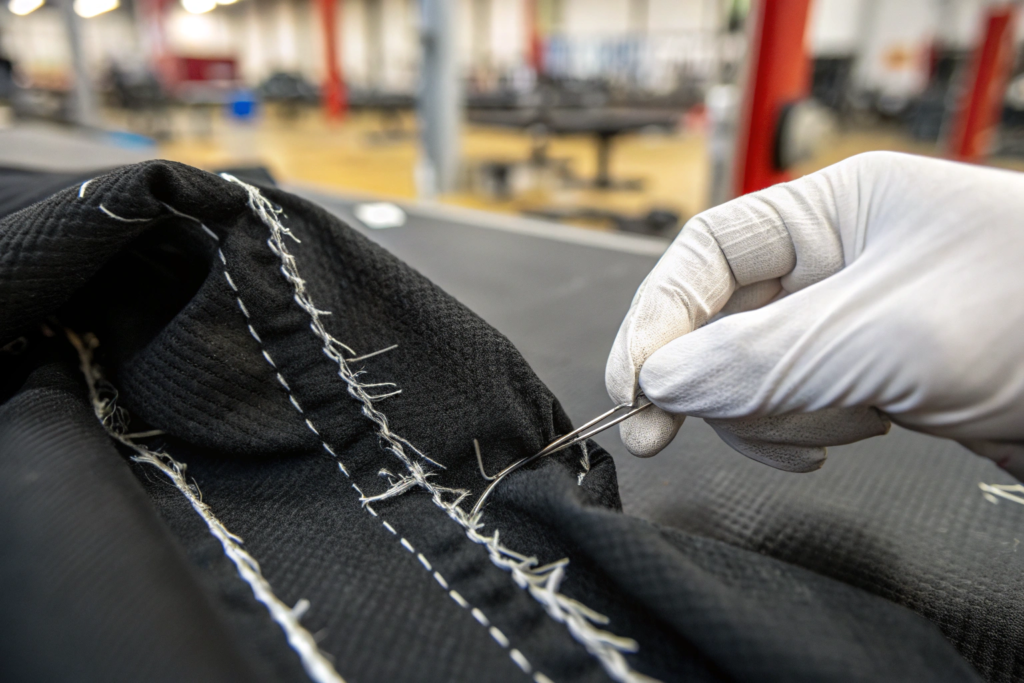
A traditional overlock seam wraps the fabric edge in thread, creating a raised, bulky ridge on the inside of the garment. When this ridge rubs against the athlete’s skin during repetitive motion, it causes chafing. For a marathon runner or a CrossFit athlete, this chafing can be severe enough to draw blood. A flatlock seam is fundamentally different. The two fabric edges are butted together edge-to-edge, not overlapped. The machine then stitches them with a complex stitch that lies completely flat on both sides of the fabric.
There is zero bulk. Zero ridge. Zero chafing. Furthermore, the inherent structure of the flatlock stitch provides enormous elasticity. It stretches with the fabric, rather than fighting it. For a Miami-based yoga brand, we converted their entire legging line to flatlock seams. Their return rate for "seam discomfort" dropped to below 1%. Their customers specifically mentioned the "invisible seams" in their five-star reviews. This is the functional and commercial power of the right stitch technology. You can explore more about these stitch classifications at textile engineering resources.
What Is a 5-Thread Safety Stitch and Where Is It Used?
While the flatlock is king of comfort, the 5-thread safety stitch is the king of strength. It combines a 3-thread overlock with a 2-thread chain stitch, creating a seam that is incredibly robust and has a stretch capacity that matches or exceeds high-performance elastane fabrics.
We deploy the safety stitch in the highest stress zones of a sports garment. The crotch gusset of leggings. The armhole of a sports bra. The back rise of compression shorts. These are the points that experience maximum, explosive force during athletic movement. For a New York-based HIIT training brand, we replaced the standard overlock on the crotch gusset of their shorts with a 5-thread safety stitch. The previous version had a 4% seam failure rate under their internal testing. The new version had a 0% failure rate at double the test load. This is engineering for the reality of a burpee, not just the pose of a mannequin.
Pillar Two: Advanced Fabric Technology and Functional Finishes
A sports garment’s performance is defined as much by its chemical and physical finish as by its construction. A basic polyester-spandex jersey will wick moisture slowly and can hold odor. First-class sports wear uses specialized yarns and finishing chemistries that actively manage the microclimate next to the athlete’s skin. Moisture must be pulled away from the body and spread rapidly across the fabric surface for evaporation. Bacterial growth, the cause of odor, must be inhibited. The fabric must provide UV protection for outdoor training.
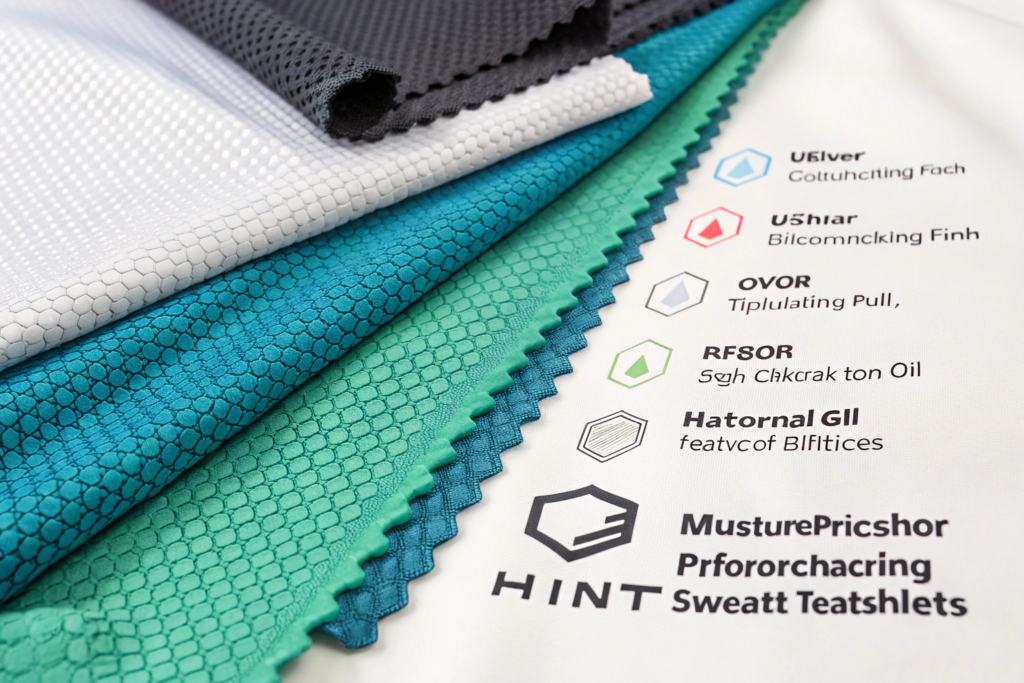
We source and apply a range of functional finishes and performance yarns specifically for sports wear. Our standard moisture-wicking treatment uses a hydrophilic finish that transforms the surface of polyester fibers to actively pull sweat. We offer anti-odor finishes based on silver ion or natural mint oil technologies. We can incorporate UV protection factors of UPF 50+ into the fabric construction. We do not just print a hangtag saying "moisture-wicking." We test the wicking speed in our lab to ISO standards.
How Is Moisture-Wicking Performance Measured and Guaranteed?
A hangtag that says "moisture-wicking" is a marketing claim. Without a test standard, it is meaningless. We verify our wicking performance using the AATCC Test Method 197, the standard for vertical wicking of textiles. A strip of treated fabric is suspended vertically with its lower end in a reservoir of water. We measure the height the water climbs in a specified time, typically 10 minutes.
Our standard sports wear fabric achieves a wicking height of over 100mm in 10 minutes, well above the industry benchmark for "excellent" wicking. We provide this test data with your bulk order. For a triathlon brand we work with, this verified wicking performance is their core sales argument. They publish our lab data on their website. Their customers trust the gear because the performance is proven, not just promised. You can read more about these standards on the AATCC website.
How Do Anti-Odor Technologies Survive Repeated Washing?
An anti-odor finish that washes out after three gym cycles is a waste of money. We offer two durable anti-odor technologies. The first is silver ion technology. Silver ions are incorporated into the fiber during the spinning process. They disrupt the cellular function of odor-causing bacteria on contact. Because the silver is embedded in the fiber, it does not wash out. It is effective for the life of the garment.
The second is a natural mint oil-based treatment, which is a renewable, plant-based alternative. This finish is applied in the dyeing process and chemically bonded to the fabric. It is durable for over 50 home laundry cycles. We test the treated fabric using the AATCC Test Method 100 for antibacterial activity. A bacterial reduction rate of over 99% is our standard. For a sustainable activewear brand, the mint-based anti-odor treatment was a perfect alignment with their natural ethos, and the wash durability meant their customers enjoyed lasting freshness.
Pillar Three: 3D Fit Engineering for Compression and Freedom
A static fit model cannot validate sports wear. A legging that looks perfect on a standing mannequin might slide down during a run, or restrict blood flow at the knee when squatting. The fit must be engineered for the extreme, dynamic postures of athletic activity. We use 3D simulation technology to test our sports wear designs on avatars that run, squat, lunge, and stretch.
Our 3D fit engineering for sports wear uses parametric avatars that are posed in specific athletic movements. We simulate the garment on a running avatar to check for waistband slide. We simulate it on a squatting avatar to check for rise coverage and knee compression. The software generates a pressure map and a stretch heatmap. We adjust the pattern to optimize graduated compression and unrestricted freedom of movement. The fit is validated for performance, not just appearance.
How Does a Compression Heatmap Validate a Legging’s Support?
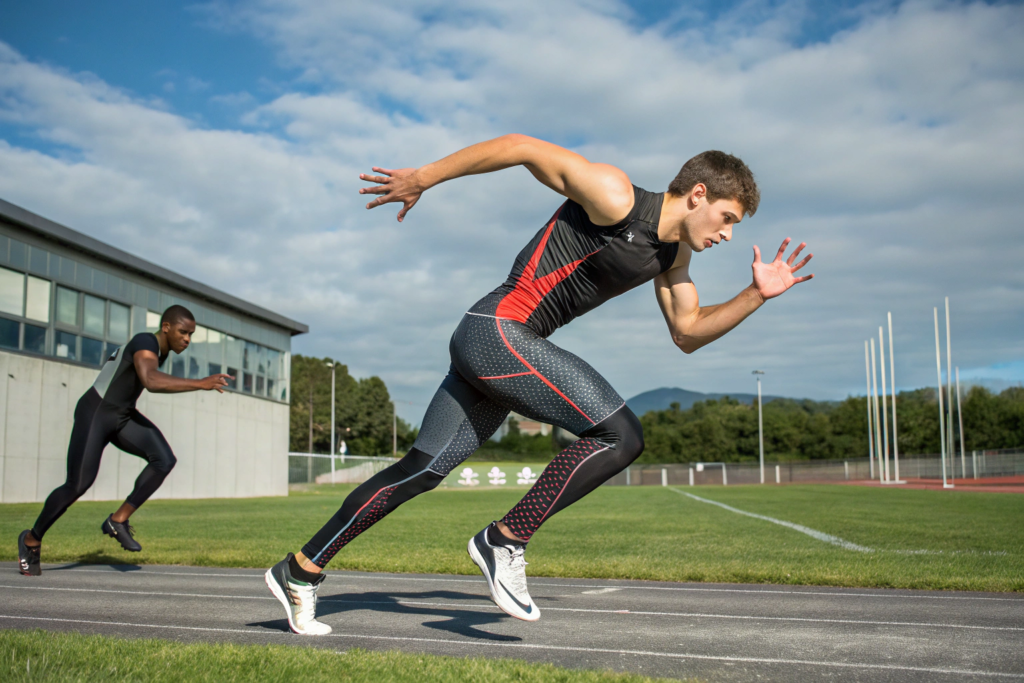
A compression legging is not just tight. It is designed to apply graduated pressure to specific muscle groups, supporting them, reducing muscle oscillation, and potentially aiding circulation. Our 3D software uses a finite element analysis engine to calculate the exact pressure, in mmHg, that the virtual garment applies to the avatar’s leg.
The result is a color-coded pressure map. We can see if the pressure is graduating correctly, from highest at the ankle to lowest at the thigh. We can see if there is a dangerous pressure spike behind the knee that could restrict blood flow. We adjust the pattern’s reduction factor and the fabric’s stretch modulus to achieve the target compression profile. For a medical-grade compression sportswear brand, this 3D pressure mapping was instrumental in achieving their therapeutic certification. This is the convergence of garment technology and sports science.
How Do We Simulate a Garment’s Behavior During a Deep Squat?
The deep squat is the ultimate test of a sports garment’s fit integrity. The fabric must stretch enormously over the knees and the glutes. The back rise must not slide down exposing the skin. The waistband must stay securely in place. We pose our 3D avatar in a full, deep squat position. The simulation software calculates the fabric strain in real-time.
Areas of high strain, where the fabric is stretched to its physical limit, are shown in red on a stretch heatmap. If the back rise shows a high strain concentration and a downward slide, our pattern master deepens the back crotch curve and adjusts the waistband elastic tension. The simulation is re-run. We iterate until the garment maintains perfect coverage and comfort in the extreme pose. For a weightlifting brand, this digital squat test eliminated a persistent problem they had with their shorts "riding up" during lifts. The digital validation proved the new pattern was correct before a single physical sample was sewn.
Conclusion
Sports wear demands a fundamental shift from fashion garment technology to performance engineering. We have made that shift. Our flatlock and safety stitch seam technologies are built for extreme stretch and zero chafing, not just neat finishing. Our fabric treatments are verified by AATCC test methods to deliver quantifiable moisture-wicking and durable anti-odor performance. Our fit is engineered on 3D avatars that squat, run, and lunge, not just stand still. We do not just sew activewear. We build it to perform.
This is the technical foundation you need for a sports brand that earns genuine customer loyalty, a brand whose gear survives the workout and feels great doing it. We provide the manufacturing science behind the athletic performance.
If you are developing a sports wear line and need a manufacturer that speaks the language of seam strength, moisture management, and compression mapping, I invite you to test our technical capabilities. Send us the spec of a current style that has a performance issue. We will engineer a solution and produce a test sample for your evaluation.
Contact our Business Director, Elaine, at elaine@fumaoclothing.com. She will arrange a technical consultation with our sports wear engineering team. Let us build gear that your customers will trust with their toughest workouts.