You have found it. The perfect rare style. A hand-embroidered linen tunic. A bias-cut silk dress with a vintage drape. A jacket with a unique artisanal stitch. You need to show it to your buyers, your investors, or your social media audience, and you need it now. The market window is closing. A competitor is sniffing around a similar concept. You contact a factory, and they tell you the sample lead time is four to six weeks. Your momentum dies. Your excitement curdles into frustration. The industry standard sample timeline is designed for mass-market basics, not for the complex, rare styles that define your brand. We have redesigned our sample development process specifically to solve this problem.
You get rare style samples fast from Shanghai Fumao by triggering our dedicated Rapid Sample Development Track. We compress the standard sample lead time by up to 60% through three integrated strategies: pre-approved fabric libraries that eliminate sourcing wait time, dedicated artisan sample cells with reserved capacity, and a mandatory digital fit-first protocol that eliminates physical sample iterations. A complex rare style that takes another factory four to six weeks, we deliver in ten to fourteen days.
Speed without quality is pointless. A rushed sample that is poorly sewn and badly fitted will damage your credibility more than a late one. Our rapid track is not about cutting corners. It is about eliminating the hidden waiting times and the wasted iterations that bloat a standard sample timeline. Let me walk you through the three accelerators that deliver genuine, high-fidelity rare style samples to your desk in days, not weeks.
Accelerator One: The Pre-Approved Rare Fabric Library
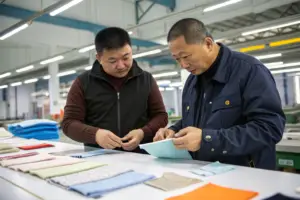
The single biggest time-killer in sample development is fabric sourcing. You specify a beautiful, rare fabric. We must source it from a mill. The mill may need to produce a sample length, which takes a week. They ship it. It arrives. It must be tested for shrinkage and colorfastness. Before a single stitch is sewn, two weeks have evaporated. We have collapsed this timeline by building a physical library of pre-approved, ready-stock rare fabrics specifically for rapid sampling.
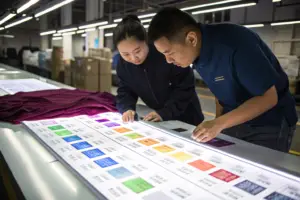
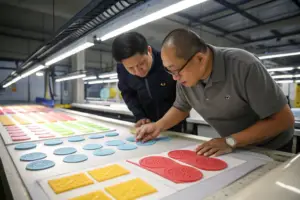
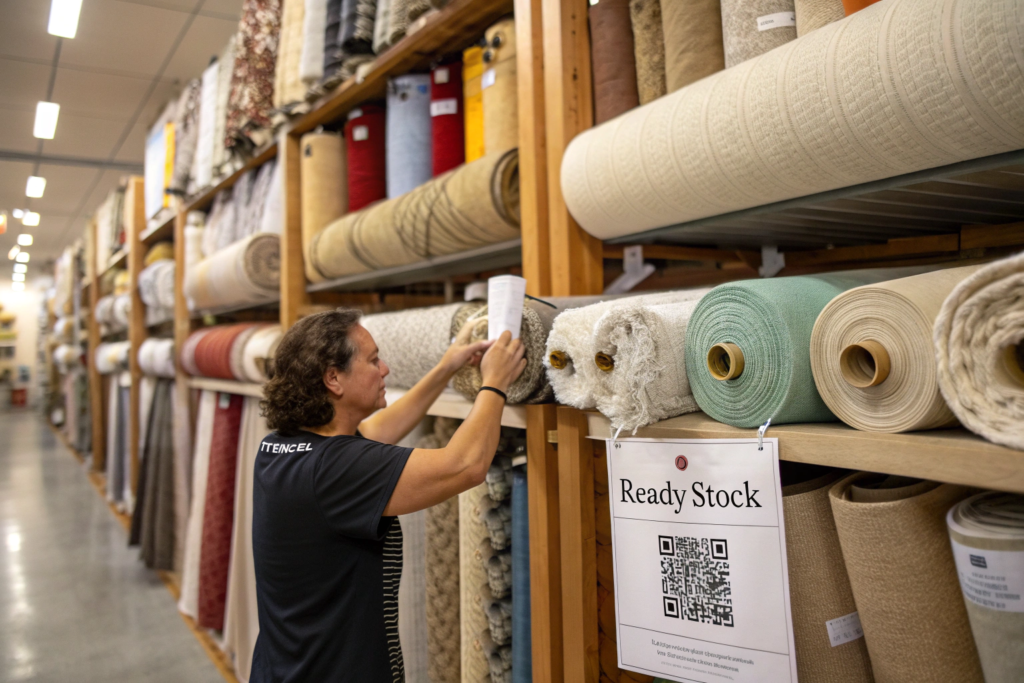
Our Rapid Sample Track operates from a curated library of over 150 rare, pre-sourced fabrics that are physically stocked in our sample room. These include slub linens, organic cotton voiles, TENCEL™ blends, textured crepes, and fine-gauge knits. Every fabric in the library has been pre-tested for shrinkage, colorfastness, and sewing performance. When you select a library fabric for your sample, the material is cut and on the cutting table within hours, not weeks. We eliminate the entire fabric sourcing and testing lead time.
How Does a Pre-Tested Fabric Library Eliminate the Two-Week Sourcing Delay?
A standard sample starts with a fabric request. Our merchandiser contacts three mills. The mills send swatches. You choose. The chosen mill produces a few meters of sample yardage, which must be dyed, finished, and shipped. Upon arrival, our lab must run a shrinkage test, a colorfastness test, and a sewing compatibility test before it can be released to the sample room. This entire chain consumes ten to fourteen business days.
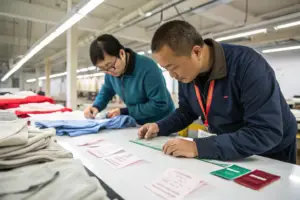
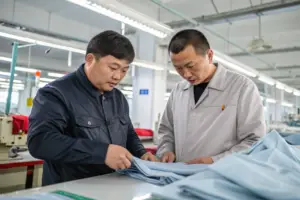
Our library fabrics have already passed through this entire chain. The fabric is physically on the shelf, in multiple colorways. The test reports are already on file. When you select a library fabric for your rapid sample, our sample room manager simply walks to the library, pulls the roll, and hands it to the cutter. The time from fabric selection to cut start is under one hour. For a New York brand developing a rare slub linen blazer, this library eliminated a twelve-day fabric sourcing wait. The sample was cut the same day the style was confirmed. This is the power of investing in ready inventory.
Can I Use a Custom Fabric and Still Get a Fast Sample?
Yes, with a smart compromise. If your design absolutely requires a custom fabric not in our library, we cannot eliminate the mill sourcing time entirely. We can, however, compress it. We will air-freight the sample yardage from the mill instead of using standard courier. This saves three to four days. While the fabric is in transit, we will build a fit prototype of your design using a library fabric of a similar weight and drape. The fit and the construction details are perfected on the proxy fabric. The moment the custom fabric arrives, we cut and sew the final sample in one seamless step. This parallel processing compresses what is typically a sequential, four-week process into two weeks. It is the fastest possible path for a custom-fabric rare style.
Accelerator Two: Dedicated Artisan Sample Cells with Reserved Capacity
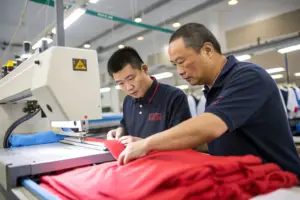
In a standard factory, sample making is a secondary activity. The sample room is understaffed, and sample sewers are constantly pulled away to help on urgent bulk production issues. Your rare style sample, which requires an hour of hand-embroidery and specialized finishing, sits on a trolley, waiting. We have solved this by creating a physically segregated and capacity-reserved Rapid Sample Cell. These artisans do not work on bulk orders. Their only job is rapid samples.
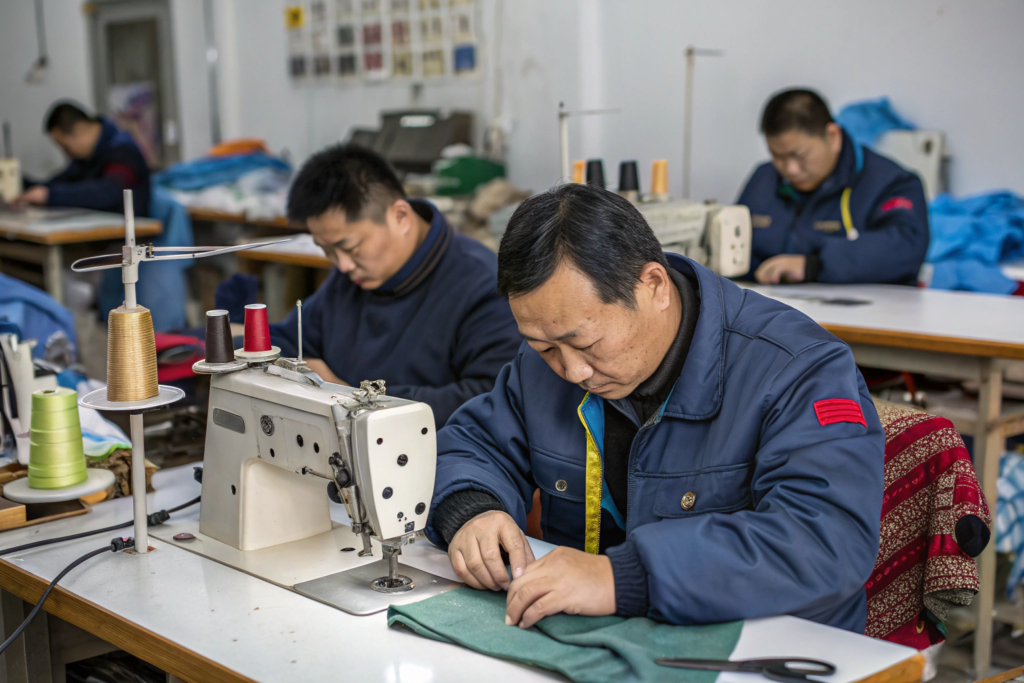
Our Rapid Sample Cell is a team of our most skilled master sewers and artisans, dedicated exclusively to sample development. We reserve a fixed percentage of their daily capacity for rapid track samples. When your rapid order enters the system, it jumps to the front of this dedicated queue. The team is cross-trained in the rare techniques, hand-smocking, embroidery, bias cutting, that your design requires. They do not wait. They do not get pulled away. They execute your sample with prioritized focus.
How Does a Dedicated Cell Prevent the "Sample Trolley" Delay?
In a traditional factory, the sample room manager has to negotiate with the production manager. "Can you spare a sewer for this sample?" The answer is often, "After we clear this bulk bottleneck." Your sample waits. Our Rapid Sample Cell is ring-fenced. The capacity is contractually separated from bulk production. The artisans in this cell report to the Sample Room Manager, not to the Production Manager. Their work queue is samples, only samples.
When your rapid order arrives, it is assigned to an available artisan within hours. The work begins immediately. There is no negotiation. There is no waiting for a bulk line to free up a sewer. This organizational separation is the single most important structural reason we can guarantee fast sample delivery. It transforms sample making from a secondary, interruptible activity into a primary, protected manufacturing process.
Can a Complex Hand-Embroidery Sample Really Be Fast?
Yes, but only if the artisan capacity is protected, as described above. A complex hand-embroidery motif might take four hours of focused stitching. In a standard sample room, that four hours is fragmented across two days because the embroiderer is interrupted. In our dedicated cell, the artisan dedicates a continuous, uninterrupted four-hour block to your sample. It is completed in a single afternoon.
Furthermore, our rapid sample artisans are masters. They do not need to practice the technique or consult the manual. They execute the embroidery from the digital artwork with a trained, efficient hand. For a Los Angeles brand needing a hand-beaded collar sample for a celebrity fitting, our Rapid Sample Cell produced it in 48 hours. A standard factory quoted four weeks. The sample arrived, the fitting was a success, and the brand secured the high-profile placement.
Accelerator Three: The Digital Fit-First Protocol
The most demoralizing phrase in sample development is, "We need to make a second sample." The first sample arrives. The fit is off. The sleeve pitch is wrong. The body length is too short. Another sample is made. Another round of courier and waiting. This correction cycle can repeat two or three times, consuming weeks. We have broken this cycle with a mandatory digital fit-first protocol. We perfect the fit in the digital world before we cut the physical fabric.
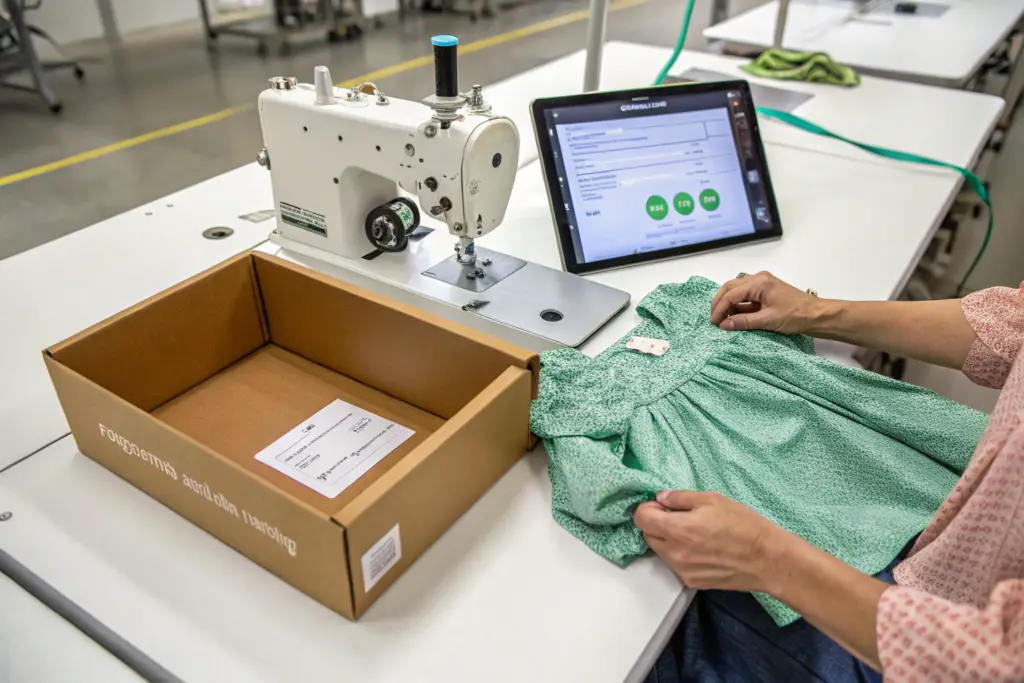
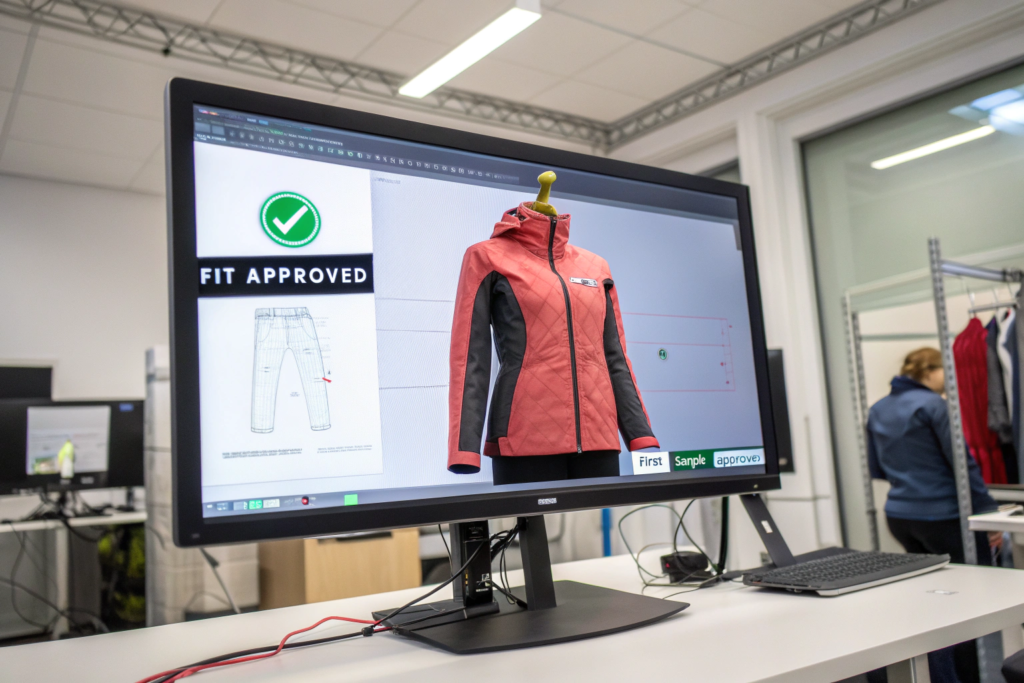
Our Digital Fit-First Protocol uses 3D simulation software to validate the fit and drape of your rare style before the physical sample is cut. We build a digital pattern, define the fabric's exact physical properties, and simulate the garment on a virtual fit model matching your size specification. A tension heatmap instantly reveals any pulling, gaping, or tightness. We correct the pattern digitally. Only when the 3D simulation shows a perfect fit do we cut and sew the single, final physical sample. The iteration cycle is compressed from two physical samples to one.
How Does a 3D Tension Heatmap Replace a Physical Fit Session?
A physical fit session involves a live model, a basted sample, a pattern maker with pins, and usually, an absent designer who is communicating via email and grainy photos. It is slow and subjective. Our 3D simulation makes fit an objective, visual science. The software calculates the exact tension on every square centimeter of the virtual garment when it is worn by the avatar.
Areas of high tension, where the fabric is pulling, are shown in red. Areas of compression are shown in blue. A perfectly relaxed drape is green. If the bust of the dress shows red, we know the dart intake is insufficient. We adjust the 2D pattern. The 3D simulation updates instantly. We share this 3D fit approval with you via a link. You rotate the garment, zoom in on the tension areas, and either approve the fit or request adjustments. This entire digital fit cycle is completed in a single day. It completely replaces the first physical sample and its associated courier time. This is the 3D garment simulation technology that makes genuine rapid sampling possible.
What Happens to the Physical Sample After Digital Approval?
The digital approval is the green light to cut the physical fabric. But because the fit has already been proven digitally, this first physical sample is also the final physical sample. Our artisans cut and sew it to the approved digital specification. We conduct a final physical quality check to ensure the stitching, the trim attachment, and the finishing match the rare style standard.
This single, correct sample is then couriered to you. It is not a fit sample for you to mark up. It is a sales sample, a showroom sample, a photo sample. It is ready to work for your business immediately. For a London-based brand developing a complex draped dress, the digital fit-first protocol delivered a final, approved physical sample in eight days. A traditional process would have taken four weeks and two physical iterations. The dress was photographed for their website the day it arrived. This is the commercial value of speed.
Conclusion
Getting a rare style sample fast is not about rushing the artisan. It is about engineering the waiting time out of the system. We do this with a pre-approved fabric library that eliminates the two-week sourcing delay. We do this with a dedicated artisan sample cell that eliminates the queue time for specialized skills. And we do this with a digital fit-first protocol that eliminates the wasteful, multi-iteration physical sampling cycle. The result is a rare style sample, with all its artisanal complexity and perfect fit, delivered to your desk in ten to fourteen days.
This is how we help brands stay agile, respond to trends, and win key accounts. You do not wait for your product. You lead with it.
If you have a rare style design that you need to see in your hands urgently, do not accept a four-week lead time from a factory that does not prioritize samples. Trigger our Rapid Sample Development Track. Send us your design sketch or tech pack, and select your fabric from our library.
Contact our Business Director, Elaine, at elaine@fumaoclothing.com. She will confirm your fabric selection, open a rapid sample slot in our dedicated cell, and provide a guaranteed delivery date. Let us turn your vision into a tangible, beautiful sample, fast.