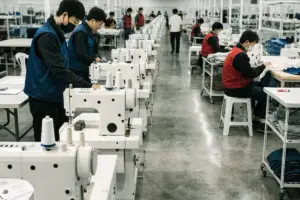
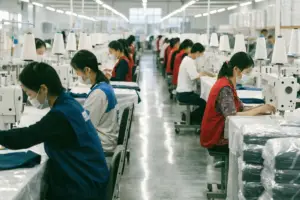
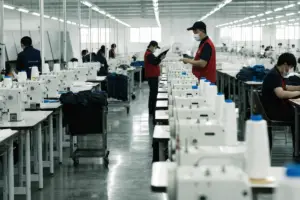
I once watched a brand owner stare at a container tracking screen with tears of frustration. The factory had finished her order two weeks early. The quality was perfect. The cartons were packed and ready. She had done everything right on the manufacturing side. But her freight forwarder, a discount broker she had found online, had promised a 25-day transit and the lowest rate. The container sat at the port for 11 days because the forwarder had not secured vessel space. When the ship finally sailed, it took a circuitous route with three transshipments. The goods arrived 42 days late. The retail launch window was gone. The markdowns consumed her entire margin. The factory had delivered perfection. The logistics partner had destroyed it.
A highly reliable logistics partner is just as important as the factory itself because logistics is the bridge between a finished product and a paying customer. A factory can produce a flawless garment, but if that garment is stuck at a port, delayed by customs, or damaged in transit, the customer never sees it. The brand’s reputation is judged on delivery, not just on product quality. A reliable logistics partner provides three things that are invisible until they fail: first, guaranteed vessel space and accurate transit times, which protect the brand’s launch calendar. Second, meticulous customs documentation, which prevents costly port holds and demurrage charges. Third, transparent real-time tracking, which gives the brand owner the peace of mind to focus on sales and marketing instead of shipment anxiety. A cheap logistics quote that fails to deliver on time is the most expensive mistake a brand can make.
The relationship between a brand and its logistics partner is a marriage of equal importance to the relationship with the factory. The factory makes the goods. The logistics partner delivers the promise. If the promise is broken, the goods are worthless. I want to share exactly what makes a logistics partner reliable, and how Shanghai Fumao’s integrated logistics service protects our brand partners from the nightmare of late, lost, or damaged shipments.
What Specific Shipping Documentation and Customs Expertise Prevent Catastrophic Port Delays?
I remember a brand owner who tried to save $200 by preparing his own customs documentation. He had never done it before. He relied on a template he found online. He misclassified his linen jackets under the wrong HTS code, one with a 0% duty rate instead of the correct 12% rate. U.S. Customs flagged the discrepancy. The container was held for a formal entry review. The review took three weeks. The storage and demurrage fees at the port were $3,500. The $200 he saved on a customs broker cost him $3,500 in fees and a missed selling season. He told me later that the broker’s fee was not a cost. It was an insurance premium.
A reliable logistics partner employs certified customs brokers who understand the specific HTS classifications for apparel. Apparel tariffs are complex and vary by fiber content, knit versus woven construction, and gender. A simple misclassification can trigger a customs hold, an audit, and years of back-duty liability. The logistics partner also manages the complete documentation set: the commercial invoice, which must exactly match the purchase order and the letter of credit; the packing list, which must detail carton dimensions, weights, and contents; the certificate of origin, which determines duty rates under free trade agreements; and any specific retailer-mandated compliance documents. One error on one document can stop a $100,000 container at the border. The logistics partner’s documentation team is the last line of defense between your goods and a customs penalty.
The documentation is the legal identity of your shipment. A mistake in the documentation is a mistake in the eyes of the law. The customs authority does not care that the mistake was unintentional. They care that the paperwork is correct. A professional logistics partner makes sure it is correct, every time.
Why Is the Correct HTS Code for Your Garment Fiber Content the Single Most Important Line on a Commercial Invoice?
The HTS code determines the duty rate. A 100% cotton woven shirt is classified differently from a 60% cotton, 40% polyester woven shirt. The duty rate difference can be 10% or more. If you use the wrong code, you either overpay duties or underpay. Underpaying triggers a customs audit and a demand for back duties with interest and penalties. The U.S. International Trade Commission HTS search tool provides the official codes, but professional classification of complex garments requires expertise.
How Does a Mismatched Packing List Trigger a Physical Customs Exam and Thousands in Storage Fees?
Customs uses automated risk assessment systems. If the weight on the packing list does not match the weight on the bill of lading, or if the carton count does not reconcile, the system flags the container for a physical exam. The container is pulled aside, opened, and manually counted. The exam fee is charged to the importer. The storage and demurrage fees accumulate daily. A $200 documentation error can generate $2,000 in exam and storage costs.
What Is the Real Value of a "DDP" Service That Handles Everything from Factory Floor to Your Warehouse Door?
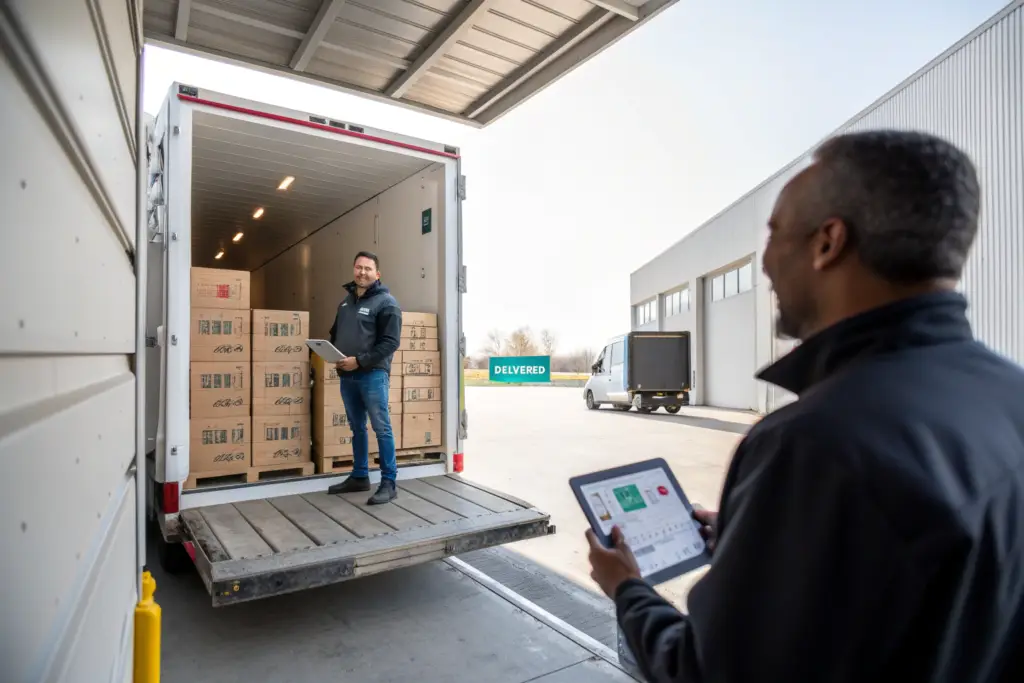
A brand owner I work with used to manage her own freight. She had a forwarder in Shanghai, a customs broker in Los Angeles, and a trucking company for last-mile delivery. She was the coordinator between three separate companies. When a shipment was delayed, each company blamed the other. She spent hours on the phone, playing detective. She switched to a full DDP service. Now, she receives a single invoice. The DDP provider handles the factory pickup, the ocean freight, the customs clearance, the duty payment, and the delivery to her warehouse door. She tracks the shipment on a single dashboard. She has not spoken to a freight forwarder in two years. She told me the DDP service was not a logistics expense. It was a mental health investment.
A DDP service is the ultimate logistics solution for a brand that wants to focus on building its business, not managing shipping. DDP places the entire responsibility for the shipment on the seller, or the seller’s logistics partner. The provider manages every step from factory floor to the brand’s warehouse door. The brand pays one all-inclusive price. There are no surprise port fees, no demurrage charges, no customs broker invoices, and no last-mile trucking negotiations. The risk of delay, damage, or customs complication is transferred to the logistics partner. For a brand owner, this is the difference between being a logistics manager and being a business owner. The premium for DDP over FOB is not a cost. It is the price of focus, predictability, and peace of mind.
The brand owner who manages her own freight is running two businesses: a clothing brand and a logistics company. She is the expert in one and an amateur in the other. The DDP service allows her to outsource the amateur business to a professional.
How Does the DDP "All-In" Price Protect You from the "Demurrage and Detention" Fee Nightmare?
When you ship FOB, you are responsible for the goods once they leave the factory. If the container arrives at the destination port and your customs broker is slow to clear it, or your trucker cannot pick it up, you pay demurrage, a daily storage fee at the port terminal. These fees can reach $500 per day. With DDP, the logistics partner is responsible for the entire timeline. If they cause a delay, they pay the demurrage. Their financial incentive to avoid delays is perfectly aligned with your need for on-time delivery.
What Is the "Last Mile" Problem and Why Should Your Logistics Partner Solve It, Not You?
The "last mile" is the trucking from the destination port to your warehouse. Finding a reliable trucker, negotiating rates, and scheduling appointments is a full-time job. A DDP partner has established relationships with trucking networks and handles this as part of the service. The brand owner does not need to know the name of a trucking company in New Jersey. The DDP partner handles it.
How Do Real-Time Container Tracking and Proactive Delay Management Protect Your Brand’s Launch Calendar?
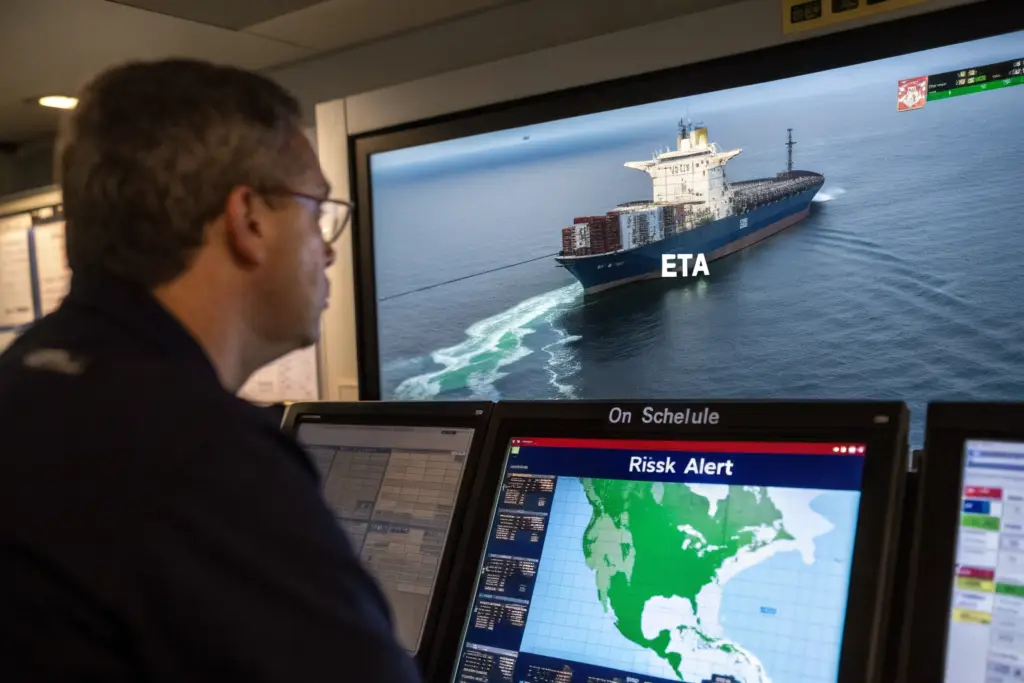
A brand partner of mine was launching a new collection at a major trade show. The samples were being shipped by air. The bulk production was on a container ship. A week before the show, a typhoon was forecast to hit the port of Shanghai. Our logistics partner flagged the risk 72 hours before the port closed. They rerouted the container to a different port and adjusted the trucking. The shipment arrived with only a one-day delay. The brand owner did not even know there was a typhoon until after the show. The proactive alert had saved her launch.
Real-time container tracking and proactive delay management are the intelligence layer of a reliable logistics partnership. A GPS-tracked container provides a live map view of the shipment’s location. The logistics partner monitors the shipment 24/7 and identifies risks before they become delays: port congestion, vessel schedule changes, weather events, and labor disputes. When a risk is identified, the partner presents the brand with options: reroute, expedite the last mile, or split the shipment. The brand owner is not left to discover the delay when the goods fail to arrive. They are informed while there is still time to act. This transforms the brand’s relationship with its supply chain from reactive hope to proactive management. The brand can plan its marketing, inform its retail buyers, and manage its inventory with confidence.
The old model of shipping was a black box. The goods left the factory, and the brand hoped they would arrive on time. The new model is a transparent pipeline. The brand sees the goods at every stage. The logistics partner provides the visibility. The visibility enables confident business decisions.
What Is a "Container Diversion" Strategy and How Does It Save a Seasonal Wholesale Order from a Port Strike?
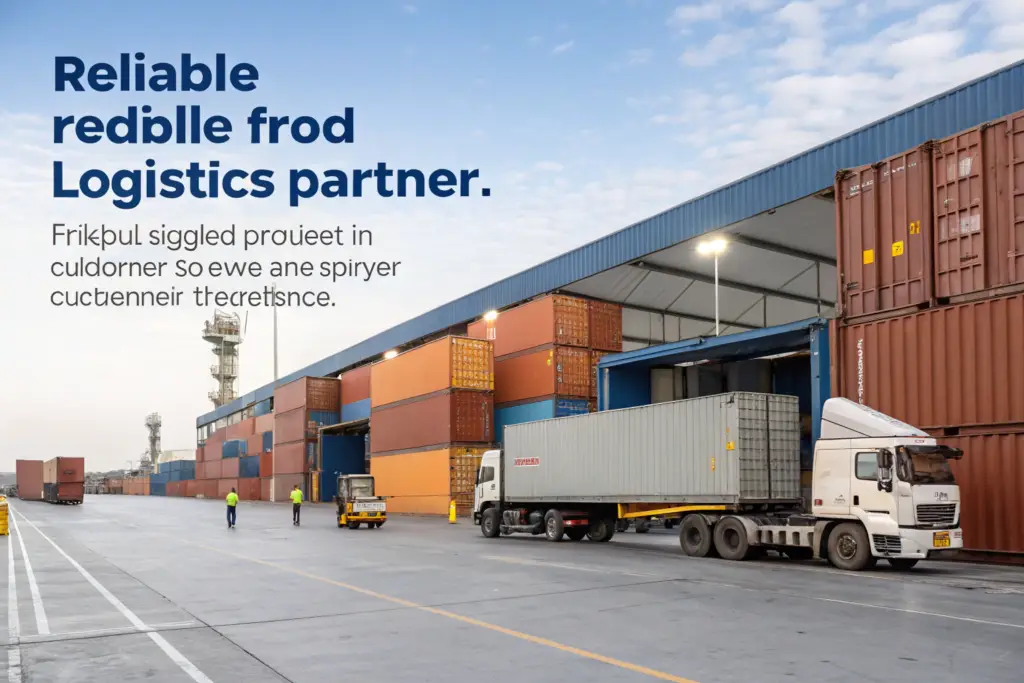
Container diversion is the ability to change the destination port of a container while the ship is at sea. If the original destination port is closed by a strike or congestion, the logistics partner can reroute the container to an alternative port. This requires established relationships with shipping lines and the ability to manage the revised inland trucking. The cost of diversion is significant but far less than the cost of a container stuck at a closed port for weeks during a strike.
How Does a Logistics Partner’s "Buffer Inventory" Program Provide Emergency Air Freight for Unexpected Sellouts?
The most sophisticated logistics partners offer a buffer inventory service. They hold a small quantity of your best-selling styles in a bonded warehouse near your major market. If you sell out unexpectedly, they can fulfill emergency orders by air within 48 hours. This service bridges the gap between a stockout and the arrival of the next sea container.
Conclusion
A highly reliable logistics partner is not a vendor. They are a co-strategist in your brand’s success. The factory makes the product. The logistics partner delivers the promise. If the promise is broken, the product is worthless. The customs expertise prevents the port holds. The DDP service eliminates the logistics burden. The real-time tracking and proactive management protect the launch calendar.
The brand owner who lost her season to a 42-day delay did not lose it because of a bad product. She lost it because of a bad logistics partner. The factory had done its job. The logistics partner failed. The financial and emotional cost of that failure was far greater than the savings on the cheap freight quote.
At Shanghai Fumao, we have integrated our manufacturing with a fully managed DDP logistics service. Our brand partners do not need to find a freight forwarder, a customs broker, or a trucking company. We handle the entire logistics chain under a single, transparent invoice. We provide real-time container tracking. We manage customs documentation. We proactively alert on delays. We deliver to the warehouse door.
If you want to simplify your supply chain and protect your launch calendar with a reliable logistics partner, we can help. At Shanghai Fumao, we will provide a DDP quote for your next order, including the all-in landed cost to your warehouse. Contact our Business Director, Elaine, at elaine@fumaoclothing.com. She can share a sample logistics dashboard view and a DDP cost comparison. Do not let a cheap freight quote sink your season. Partner with a logistics team as reliable as your factory.