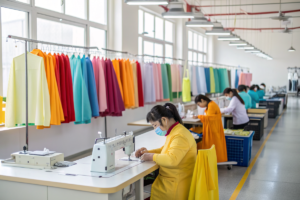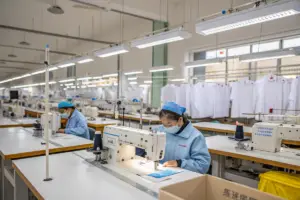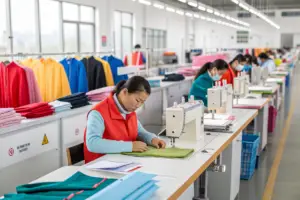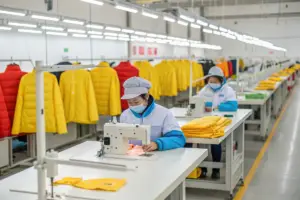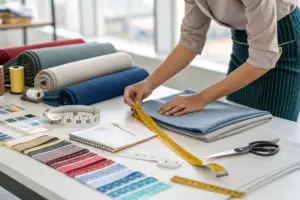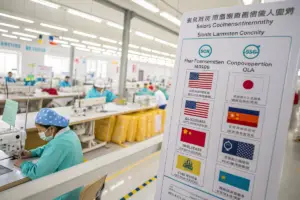
If you have ever run a brand, you know the horror story. A shipment arrives, and the fabric feels completely different from the sample. The weight is lighter. The color is a shade off. Suddenly, an entire season’s inventory is unsellable. This is a profit killer, and it usually happens because a factory tried to cut a corner on sourcing. I hate that risk. I built my company to make sure that specific phone call never happens to my clients.
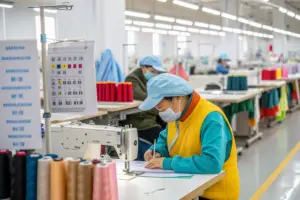
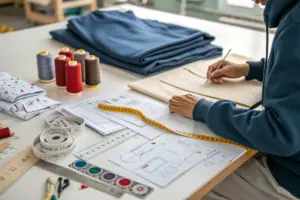
At Shanghai Fumao, we source top-quality fabrics for wholesale by controlling the supply chain at its origin. We buy directly from verified mills, enforce a strict lab-testing protocol on every roll, and lock in high-end fiber grades through exclusive partnerships. We don't just "buy fabric." We engineer the material quality before the cutting begins.
How do we guarantee that the bulk fabric matches the sample? It is not luck. It is a rigorous, three-phase gatekeeping system that starts months before your order hits the production line. I want to walk you through our sourcing process. From the fiber markets to our inspection tables, I will explain how we secure the textile foundation that makes your brand look premium and durable.
Building Exclusive Partnerships with Premium Textile Mills
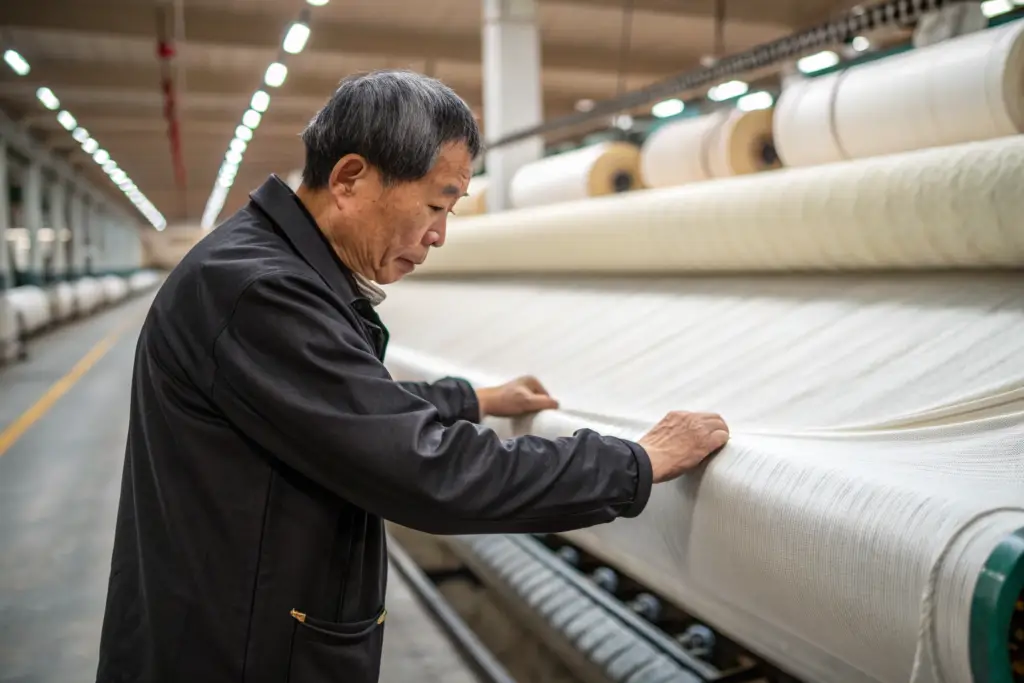
The foundation of a great garment is not just the cotton. It is the relationship with the person who spins the yarn. Transactional buying kills quality. If you buy fabric like a tourist, you get tourist-grade goods. Our strategy is different. We treat our core mills like strategic partners. This means we share forecasts, we commit to volume, and in return, they give us first access to their best runs.
We have moved beyond simple vendor lists. We have exclusive capacity agreements with mills in Jiangsu and Shandong. These legal contracts lock in production space on specific knitting machines for our bulk orders. This guarantees that the fabric you fell in love with at the sample stage is the exact fabric we use in production.
Why Does Long-Term Mill Cooperation Result in Better Dye Consistency?
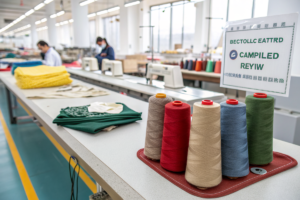
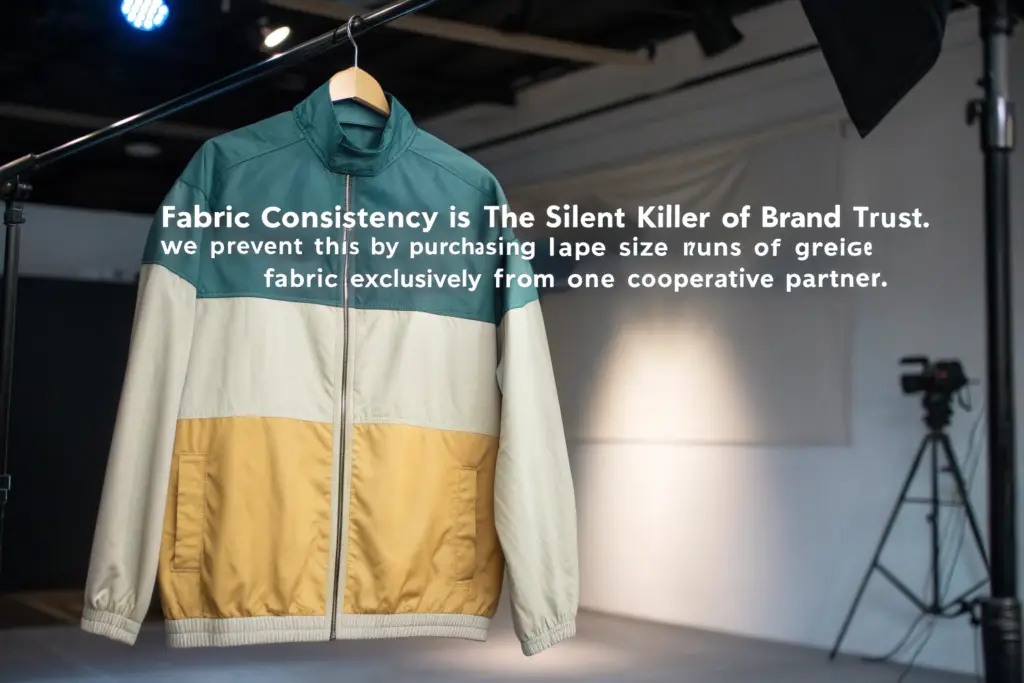
Fabric consistency is the silent killer of brand trust. You see it when the left sleeve of a jacket catches the light differently than the body. This happens because the fabric was produced in different dye lots. If a factory hops between the cheapest mills every month, they mix lots. We prevent this by purchasing large "size runs" of greige fabric exclusively from one cooperative partner.
For a specific run of blue chambray shirts, we contract the mill to dye the entire length of the order in one single vessel. This "single batch" processing eliminates shade banding. This is only possible because of our long-term commitment. A spot buyer would never get this priority. Technical resources on color management highlight how essential this control is. It is the difference between a suit that looks handcrafted and one that looks pieced together.
How Can a Dedicated Loom Allocation Prevent Delivery Delays?
You know the frustration: a mill delays the fabric, so the factory delays the shipment. We solve this by treating our partners like an extension of our own planning department. We don't just send a purchase order and hope. We use a "Reserved Loom" model. We have a written agreement that specifies the exact Jacquard or high-speed circular knitting machines reserved for Shanghai Fumao orders during peak seasons.
Last August, when tight capacities hit everyone, our kidswear line kept running. Our allocated looms were spinning the specific slub jersey we needed while other factories were stuck in a queue. This saved a massive back-to-school program for a client in Texas. They hit the shelves exactly on time. This level of integration is what we call wholesale security, and it is built on the strength of our mill partnerships.
Applying Scientific Testing to Every Wholesale Fabric Roll
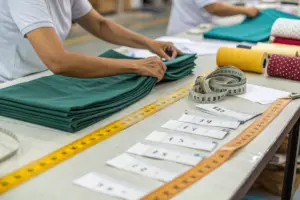
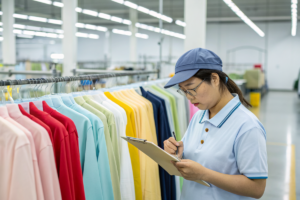
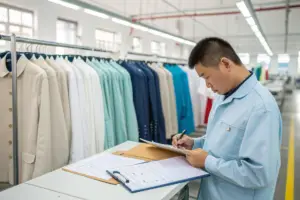
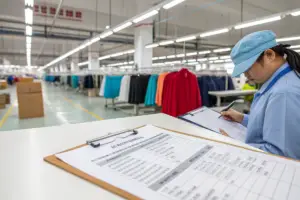
A beautiful fabric can still be technically flawed. It might shrink 8% after a wash. It might bleed red dye all over a white collar. To you, that means returns and chargebacks. To us, it means the fabric failed. I do not trust my eyes alone. I trust destructive testing. Every single bolt that enters our warehouse gets a physical interrogation. If it doesn't pass, it doesn't get cut.
Our fabric sourcing is defined by our zero-trust lab policy. We have integrated international standards directly into our receiving process. We test for shrinkage, color fastness to water and rubbing, and tensile strength. We generate a digital passport for every roll. This turns a subjective material into a data point that we can verify.
Can a Universal Tensile Tester Predict a Fabric's Lifespan?
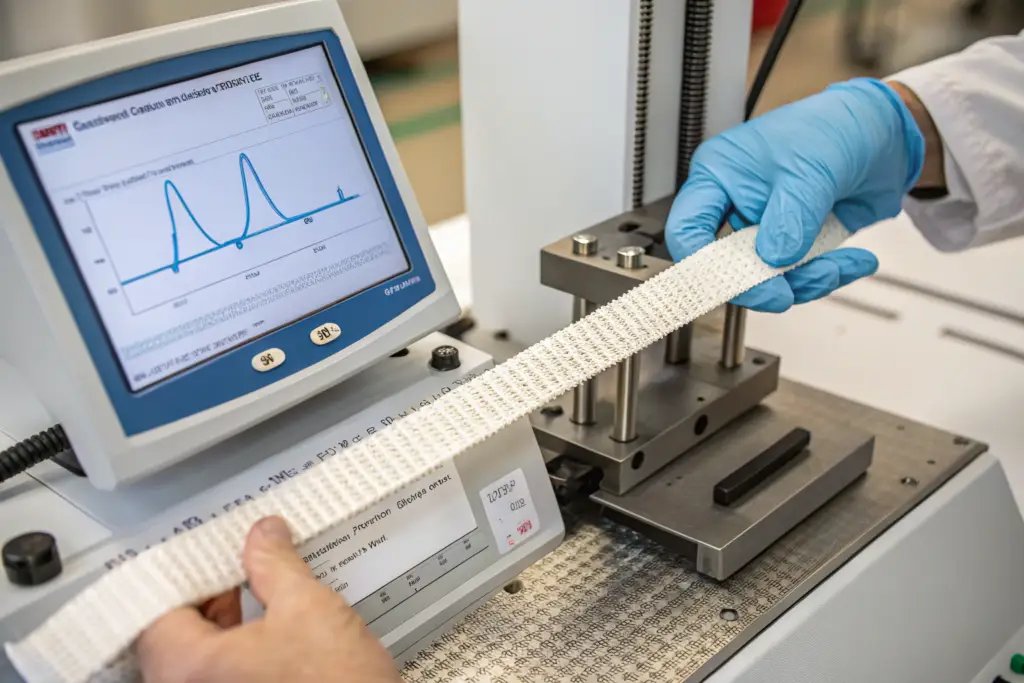
Yes, absolutely. We use a universal testing machine to stretch the fabric until it breaks. This tells us the maximum force the material can take. It helps predict seam slippage in trousers or elbow blowouts in dress shirts. For an order of lyocell shirts for a California brand, we noticed the initial batch had a low warp tensile strength.
It would have ripped at the back yoke over time. We flagged it instantly. We adjusted the finishing process at the mill to improve the tensile recovery. The final garment had a strength rating 30% higher than the standard spec. You can find detailed methodology on these tests from the ASTM International standards body. This is not guesswork. It is applied physics.
What Is the Crocking Test and Why Does It Matter for Dark Denim?
Have you ever sat on a white sofa wearing new dark jeans and left a blue stain? That is called crocking. It is the transfer of dye through rubbing. It is a nightmare for brands. We run both wet and dry crocking tests using a Crockmeter. A white test cloth is rubbed against the fabric mechanically for ten cycles under a fixed pressure.
If the dry stain is worse than Grade 4 on the grey scale, we fail the fabric. For a denim line we ran last winter, the mill's "premium" indigo actually had a poor dry crocking score. We quarantined the 2000-yard delivery and demanded a re-fixing process. The mill grumbled, but they did it. Our client never heard about the issue. They just sold jeans that didn't stain. This is the power of investing in a lab infrastructure that validates your sourcing claims.
Sourcing Rare and Sustainable Fibers for Competitive Edge
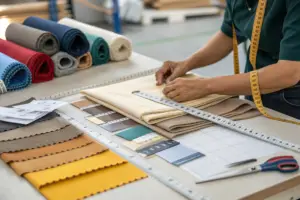
The market is flooded with cheap generic cotton. It is a race to the bottom that destroys your margins. If you want to charge a premium price, you need a rare story and a rare feel. We source fibers that other wholesalers can't find or don't know how to handle. I have spent years building a network that goes beyond the standard trade shows to find materials that give your brand a monopoly on a specific look.
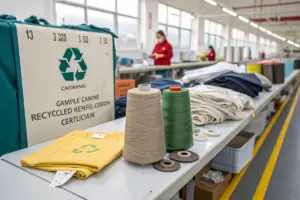
We access rare and sustainable fabrics by going directly to the fiber producers, not just the fabric distributors. We work directly with Lenzing for TENCEL™ and Birla for modal. This gives us authenticated materials with full chain-of-custody documents. For US brands, this certification is the legal proof needed to support your marketing claims.
How Do We Verify the Authenticity of Organic Cotton?
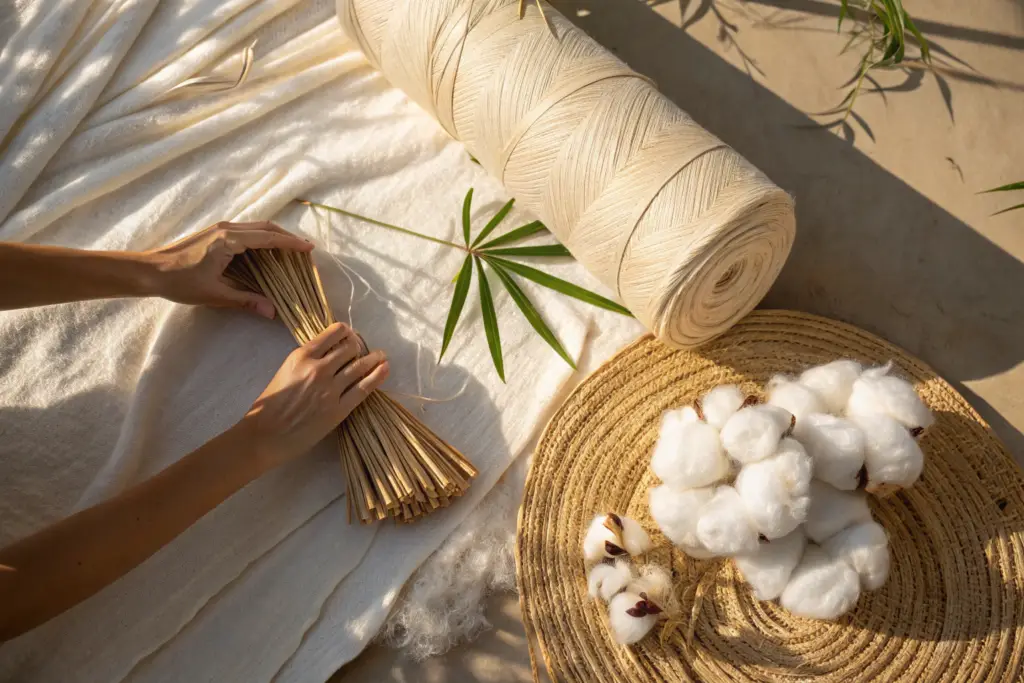
The term "organic" is widely abused. Fake organic cotton is often sold at a slight markup to unsuspecting buyers. We verify authenticity through a transaction certificate system. When we buy GOTS-certified organic yarn, we require the scope certificate of the gin and the spinner. We then digitally trace the goods.
During the 2022 season, a supplier offered us "organic" fabric at a suspiciously low price. We ran it through a chemical residue test in our lab and found trace pesticides. It was a scam. We rejected it outright. Our client never had to worry about a false claim lawsuit. We protect the integrity of the brand's label by using trusted standards like the Global Organic Textile Standard. This ensures that when you label a garment "organic," it truly is.
What Is the Technical Benefit of Micro-Modal in High-End Underwear?
Micro-modal is not just a marketing buzzword. It has technical properties that make it perfect for intimate apparel. It is finer than silk. The fibers are cross-sectioned to be extremely soft and 50% more absorbent than cotton. We source a specific 60s micro-modal from a mill in China's Hebei province.
In a production run for a New York lingerie brand, we leveraged micro-modal's hydroscopic nature. It wicks moisture off the body instantly, preventing that clammy feeling. Our sewing line used special fine-gauge needles to avoid damaging the delicate fabric. The resulting collection of loungewear had zero shear defects. This is the kind of niche fiber innovation. ) that allows a small brand to compete against industry giants.
Conclusion
Sourcing top-quality fabric is not about having a thick stack of swatch books. It is about trust, testing, and transparency. It starts with shaking hands with a mill owner who knows you will keep your promises. It continues inside a laboratory where machines rip, rub, and soak the fabric to prove it is strong enough for your customer. It is finalized in a warehouse where we quarantine anything that falls short of the standard.
At Shanghai Fumao, we don't guess about quality. We audit our mills, we test our rolls, and we trace our fibers. We take the risk out of wholesale sourcing by guaranteeing that the fabric you saw in the sample room matches exactly what arrives in the container. This is how we protect your brand’s name and your bottom line.
Are you ready to feel the difference that professionally sourced fabric makes? If you are looking for a wholesale partner who treats the supply chain like a science, not a lottery, I invite you to reach out. Let’s discuss your specific fabric requirements, whether that is a rare heavyweight linen or a certified organic fleece.
For a direct conversation, email our Business Director, Elaine, at elaine@fumaoclothing.com. She can send you our latest fabric tech-pack of available stock options and custom blends. Let’s build a product that your customer will love to touch.