Every week I receive at least a dozen emails from entrepreneurs in the U.S. who want to launch a clothing line. They have a logo, a rough sketch on a napkin, and a burning desire to see their brand on a hangtag. But many of them are scared. They read the horror stories online. They hear about friends who lost $20,000 on a bad batch of t-shirts that shrunk two sizes after the first wash. They worry that the market is too crowded with giant corporations and that there is no room left for the little guy. This fear paralyzes them and keeps their brand stuck in a notebook rather than on a rack at their local boutique.
The custom apparel market remains exceptionally profitable for new entrepreneurs because the current manufacturing landscape allows for low minimum order quantities paired with high perceived value markup potential. Unlike selling generic white-label products where you compete solely on price, custom apparel lets you build a unique brand narrative and control your profit margins from day one. You are not just selling a shirt. You are selling a lifestyle, a fit, or a specific fabric that cannot be found on the clearance rack at a big box retailer.
I want to pull back the curtain on the factory side of this equation. I have spent years on the production floor here in China, watching small startups turn into seven-figure businesses. In this article, I will explain why the unit economics of custom cut-and-sew are actually more favorable than buying wholesale blanks, how technology has slashed the barriers to entry, and exactly how you can avoid the logistical nightmares that sink first-time founders. You will learn how partnering with a factory like Shanghai Fumao can turn what seems like a high-risk gamble into a calculated, profitable business move.
Why Are Profit Margins Higher for Custom Cut and Sew Apparel?
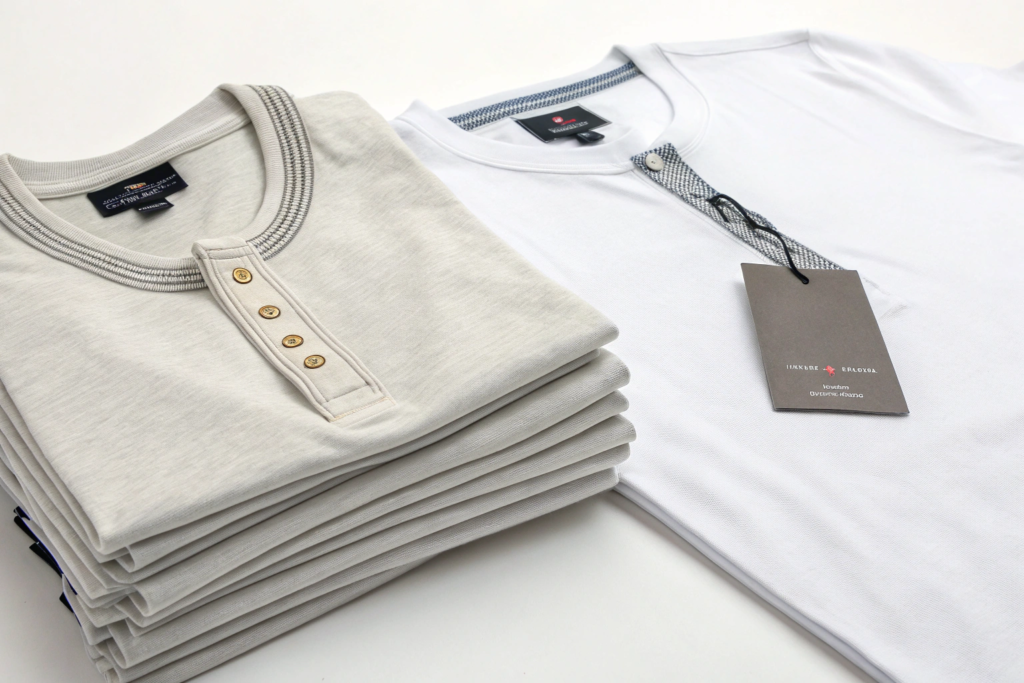
If you go to a wholesale website right now, you can buy a basic blank t-shirt for about $3.50. You print your logo on it. You try to sell it for $28. The problem is, the customer can reverse image search that exact blank shirt and find it selling for $12 somewhere else. You are trapped in a race to the bottom. When you switch to custom cut-and-sew manufacturing, you change the entire value proposition. You are no longer selling a commodity. You are selling something the customer cannot compare directly on Amazon.
Profit margins are higher for custom cut and sew because you eliminate the middlemen markups inherent in the blank apparel supply chain and you gain control over the fabric weight and construction. Instead of paying a premium for a brand name blank you invest that same dollar amount into better fabric or unique construction details which allows you to justify a much higher retail price point.
How Does Buying Direct from a Factory Eliminate Unnecessary Markups?
Let me show you the math based on a real production run we did for a women's streetwear brand in Atlanta in early 2026. They started by buying blanks from a popular Los Angeles distributor. Here is how the money flowed in their old model versus the new model they now use with us.
| Cost Factor | Blank Wholesale Model (Per Unit) | Custom Cut & Sew Model (Per Unit) |
|---|---|---|
| Fabric Cost (Same 280gsm Cotton) | $1.20 (Cost to blank mfr) | $1.20 (Cost to Shanghai Fumao) |
| Cut & Sew Labor | $1.50 (In Vietnam/Pakistan) | $1.80 (In our China facility) |
| Blank Manufacturer Markup & Overhead | $1.80 | $0.00 |
| Distributor/Wholesaler Markup | $1.50 | $0.00 |
| Shipping to US Warehouse | $0.40 | $0.60 (DDP to your door) |
| Total Landed Cost | $6.40 | $3.60 |
The custom model is $2.80 cheaper per unit. That is pure profit you can pocket or reinvest into better marketing. But the real magic happens on the revenue side. Because the Atlanta brand now had a unique cropped fit and a ribbed hem that wasn't available on the blank market they raised their retail price from $38 to $52. Their customers happily paid the premium because they could not find that exact garment anywhere else. This is the core principle of profit margin expansion. You lower the cost of goods sold while simultaneously increasing the perceived value.
What Role Does Fabric Sourcing Play in Cost-Effective Customization?
Fabric is the largest single expense in any garment usually accounting for 50% to 60% of the total manufacturing cost. In the blank wholesale world you are stuck with whatever fabric the big guys decided to use. If they chose a scratchy 20 singles open-end cotton, that is what your brand gets. At Shanghai Fumao, we allow you to spec the exact yarn count and finishing. Last summer we helped a startup based in Denver create a line of "butter soft" basics. They could not afford the high minimums for a custom knit at most mills. However because we run 5 production lines that service multiple small brands we batch our fabric orders.
We explained to the client that using a 32 singles combed cotton with a bio-enzyme wash would cost them roughly $0.40 more per yard than standard carded cotton. But that extra $0.40 in material turned into a $15 increase in retail price because the fiber quality was so distinct to the touch. The client sold out of their first production run of 1,000 units in under three weeks. The fabric story became the central pillar of their Instagram marketing. You cannot tell a compelling fabric story when you are using the same Gildan shirt as the guy down the street.
Is It Easier to Start a Clothing Brand Now Than Five Years Ago?
I remember what it was like running this factory just a decade ago. Communication was a nightmare. We faxed paper patterns overseas. Samples took 30 days to arrive via slow boat mail. If a button was wrong you lost two months fixing it. That friction killed the dreams of many talented designers who simply could not afford the time or the cash flow to manage a 6-month development cycle. Today that friction is almost completely gone.
It is significantly easier to start a clothing brand now than it was five years ago due to the widespread adoption of digital sampling technology AI-assisted pattern making and direct-to-consumer logistics solutions like DDP shipping. These advancements have compressed the development timeline from six months to as little as six weeks for new entrepreneurs.
How Has Digital Sampling Reduced the Cost of Prototyping?
In the past creating a sample was a brutal exercise in patience and expense. We had to physically cut fabric and sew a garment just to see if the collar shape looked right. If it was wrong we threw that sample in the trash and started over. Each iteration cost anywhere from $80 to $150 in labor and materials plus $40 in courier fees to get it to the U.S. client.
Now we use 3D rendering software like CLO or Browzwear. A brand owner can send me their tech pack and we can create a 3D digital sample in 24 hours. You can see how the fabric drapes on an avatar. You can zoom in on the stitch density. You can change the color of the 3D garment with one click. We only cut a physical sample once the digital model is approved. For a men's outerwear brand we worked with last fall this process saved them $2,400 in sampling fees and shaved 7 weeks off their go-to-market timeline. That is the difference between hitting the crucial Fall/Winter selling window and missing it entirely.
What Is DDP Shipping and How Does It Protect First-Time Importers?
This is the single biggest fear I hear from new entrepreneurs. You find a great price from a factory but you have no idea what happens when the boat hits the port. Will you get a surprise bill for $3,000 in customs fees? Will your shipment get stuck in a legal limbo while you scramble to find a customs broker?
We exclusively recommend Delivered Duty Paid (DDP) for first-time brand owners. With DDP the factory (that is us at Shanghai Fumao) takes full responsibility for the freight from our loading dock to your warehouse door. We pay the ocean freight the insurance and the U.S. import duties. You pay one single price per unit that includes everything.
Here is a comparison of the two models based on a 500kg shipment of garments to Los Angeles:
| Shipping Term | Your Responsibility | Factory Responsibility | Risk for New Entrepreneur |
|---|---|---|---|
| FOB (Free on Board) | You find a freight forwarder pay port fees handle customs bond and pay duties on arrival. | Gets goods to Shanghai port only. | High. You can get hit with demurrage fees of $150/day if you don't clear customs fast. |
| DDP (Delivered Duty Paid) | You open your warehouse door. | Manages all freight customs clearance and duty payment. | Low. The cost is fixed and predictable. |
I recall a situation in 2024 where a small brand owner used a different supplier with FOB terms. He did not know he needed a customs bond. The shipment sat at the Port of Long Beach for 11 days accumulating storage fees. He had to pay an extra $1,650 before he could claim his goods. That is profit wiped out. DDP mode gives you import predictability. It allows you to run your business knowing exactly what your inventory costs will be.
How to Source Unique Fabric and Trim for High-Margin Clothing?
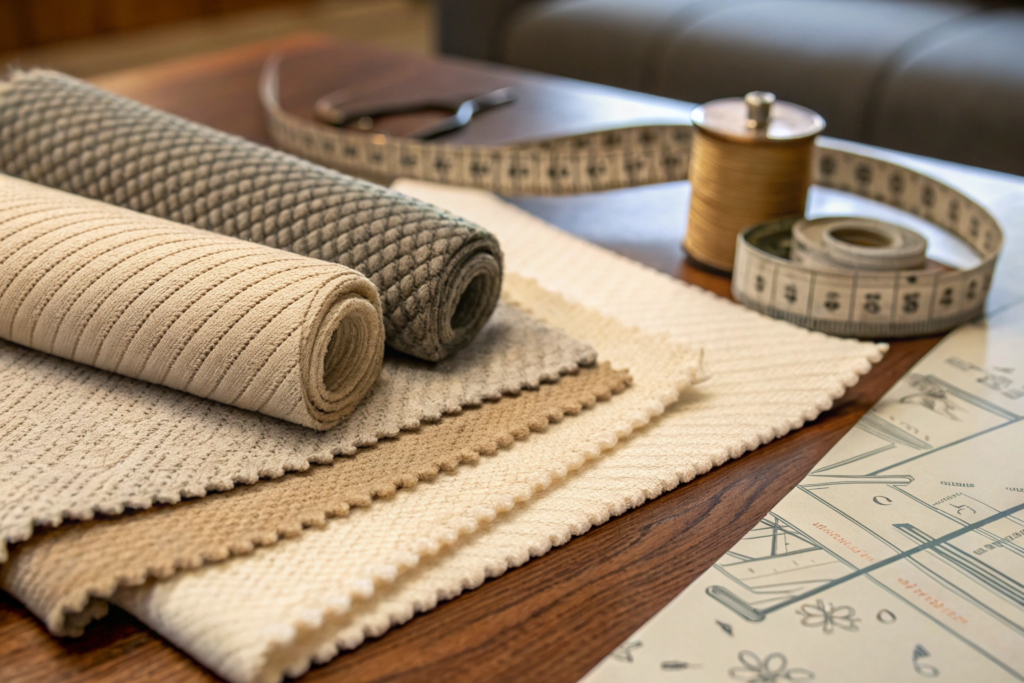
Once you understand the logistics the next step is product differentiation. You cannot build a profitable brand on "premium quality" alone. That phrase is meaningless. You need specific tangible differentiators. The easiest and most effective way to do this is through exclusive fabric and custom trim. This is where the factory relationship really starts to pay dividends because we have access to material libraries that individual entrepreneurs simply cannot reach.
Sourcing unique fabric and trim is the secret weapon of profitable apparel startups because it creates an immediate moat against copycats and fast fashion knockoffs. When you use a deadstock Japanese denim or a custom-dyed drawcord that is only available through your manufacturing partner no one else can replicate your look without spending months and thousands of dollars on development.
Where Can Small Brands Find Affordable Premium Fabric Options?
Most new brand owners start their search on Mood Fabrics or similar retail websites. That is a mistake for production. You will pay retail prices of $15 to $25 per yard which makes your final garment cost astronomical. The key is accessing the B2B wholesale market through your factory.
In our Guangzhou fabric market connections we have access to deadstock fabric. These are end-of-roll fabrics from luxury Italian and Japanese mills that were left over from big designer orders. The quality is world-class (often OEKO-TEX certified) but the price is 50% to 70% off the original wholesale price. Last month we secured 600 yards of a beautiful 400gsm French Terry from a mill that supplies a major activewear brand. We offered it to a startup yoga wear brand we work with. They paid $4.20 per yard for fabric that would have cost them $11.00 per yard on the open market. Because the quantity was limited (only 600 yards) they created a "Limited Edition" drop. They sold out in 4 days. This is the kind of opportunity that only exists when you have a factory partner on the ground who can physically visit the fabric markets and inspect the bolts for flaws before you commit your money.
How Do Custom Hang Tags and Zippers Increase Perceived Value?
Never underestimate the power of hardware. The human hand touches the zipper more often than it touches the fabric of a jacket. A cheap plastic zipper screams "low budget." A smooth polished metal zipper with a custom logo puller whispers "luxury."
At Shanghai Fumao we encourage all our private label clients to invest at least $0.30 to $0.50 per unit in custom trims. This includes branded zipper pulls custom-engraved buttons and high-density hang tags. We worked with a bag manufacturer in Oregon in late 2025. They were using a generic YKK zipper with a standard pull. We sourced them a custom metal pull with their logo cut out of it. The mold fee was a one-time cost of $85. The per-unit cost of the zipper pull went from $0.08 to $0.22.
They increased the retail price of their backpack from $89 to $110. The increase covered the cost of the zipper more than 50 times over. And more importantly the unboxing experience changed. Customers commented specifically on the "smooth heavy zipper" in their reviews. That is the kind of detail that builds brand loyalty and justifies premium pricing.
What Are the Logistics Secrets of Profitable DDP Clothing Suppliers?
You can design the most beautiful garment in the world but if it arrives late or with a surprise customs bill you have failed. The logistics side of apparel is often where new entrepreneurs lose the most sleep. I know because I get the panicked WhatsApp messages. "Where is my shipment?" "Why is it held in customs?" My goal as a manufacturing partner is to eliminate those panicked messages from your life.
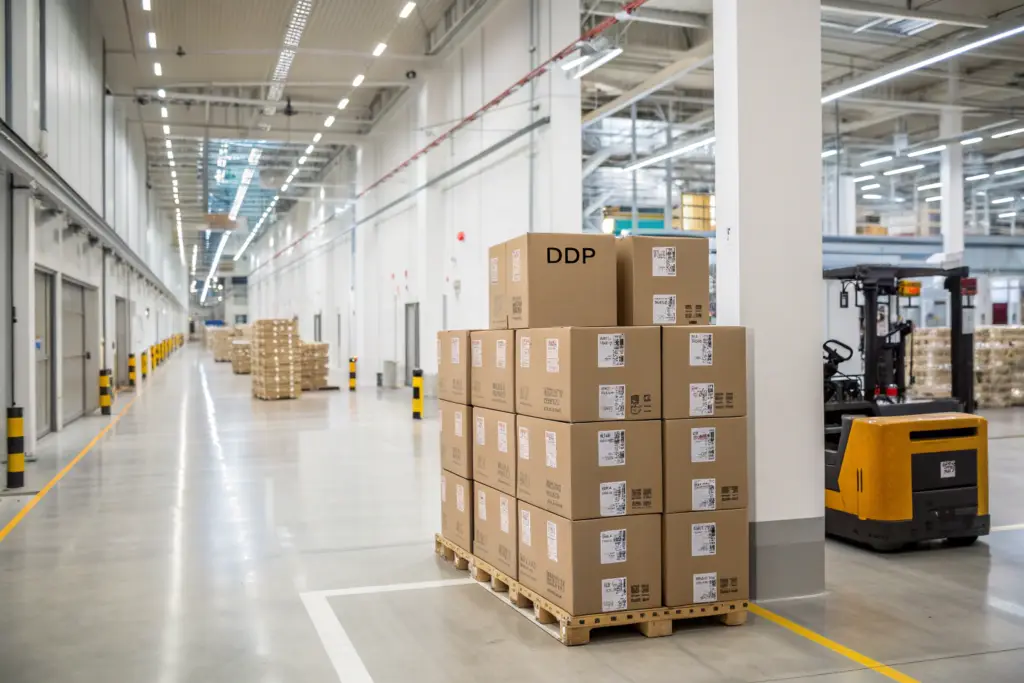
The logistics secret of profitable clothing suppliers lies in the strategic consolidation of freight and the mastery of DDP shipping protocols. By combining smaller orders from multiple brands into a single container load and handling all customs clearance in-house we reduce the per-unit shipping cost by up to 40% compared to a new entrepreneur trying to ship LCL cargo on their own.
Why Is Shipping Consolidation Critical for Low Minimum Orders?
If you are only making 500 t-shirts you cannot fill a 20-foot container. A container costs about $3,500 to ship to the West Coast right now. If you ship your 500 shirts alone via LCL (Less than Container Load) the ocean freight portion is cheap but the destination handling fees at the U.S. port are fixed. You might pay $150 for the ocean portion and $450 for the terminal handling charges. That is a per-unit cost that is unsustainable.
Our business model at Shanghai Fumao solves this. Because we work with dozens of small U.S. brands simultaneously we consolidate their finished goods in our warehouse. We wait until we have a full container heading to Los Angeles or New Jersey. Then we ship the container under our own DDP bond. We split the fixed port costs across 10,000 units instead of 500 units.
Here is a real data point from our shipping log in March 2026 for a brand shipping 800 units of knitwear:
| Shipping Method | Freight Cost | Port Fees & Handling | Total Cost | Cost Per Unit |
|---|---|---|---|---|
| LCL Self-Arranged | $180 | $475 | $655 | $0.82 |
| Consolidated DDP via Shanghai Fumao | $0 (Included) | $0 (Included) | $380 (Fixed rate in quote) | $0.48 |
The savings of $0.34 per unit goes straight to your bottom line. This is how we keep our partners competitive against huge corporations. The LCL consolidation strategy is not something most new brands know to ask for but it is a critical lever for profitability.
How Does Proper Packaging Prevent Chargebacks and Returns?
This is another hidden cost. A garment is not ready to sell until it is in a polybag with a barcode sticker and a hangtag attached in the right place. If the warehouse receiving team in California has to open every box and re-tag the items you will be billed for that labor.
We provide a turnkey solution. Our finishing department uses automated bagging machines that insert the garments into clear polybags with suffocation warning labels printed directly on the plastic. We attach the price tickets exactly where the brand specifies usually on the right sleeve or the back neck hangtag. This means when the shipment arrives at the 3PL warehouse they can scan the master carton label and immediately forward the sealed carton to the picking shelves. There is no receiving delay. There is no $0.15 per unit prep fee. We did this for a children's wear brand last Christmas season. Their 3PL told them our cartons were the "easiest receiving of the year." That efficiency meant their products were live on Shopify two days earlier than expected capturing peak holiday traffic.
Conclusion
The custom apparel market is not just profitable. It is one of the most accessible manufacturing sectors for new entrepreneurs in the current global economy. The old barriers that kept small brands out—high minimums slow communication and opaque shipping costs—have been dismantled by technology and the evolution of factory services.
You now have the ability to produce garments at a landed cost that is often lower than buying wholesale blanks. You can access premium deadstock fabrics that give your brand a unique tactile identity. You can manage your entire supply chain from your laptop thanks to digital sampling and reliable DDP shipping. The path from idea to inventory has been shortened from a year-long slog to a matter of weeks.
But this path only works if you have a partner on the ground who treats your business like their own. You need a factory that answers emails within 24 hours that gives you honest feedback on fabric choices and that guarantees delivery dates. You need a partner who understands that a missed shipment date means a missed selling season for your business.
That is the standard we hold ourselves to at Shanghai Fumao. We are not just a cut-and-sew operation. We are an extension of your brand's operations team. If you are ready to start your clothing line and want to navigate these waters with an experienced guide we are ready to talk. For more information on minimum order quantities fabric options or to get a quote on your first project please reach out to our Business Director Elaine. Her email is elaine@fumaoclothing.com. Let us help you turn your brand vision into a profitable reality.