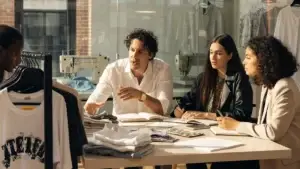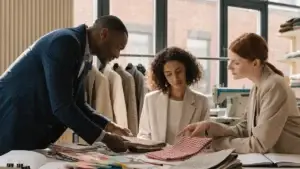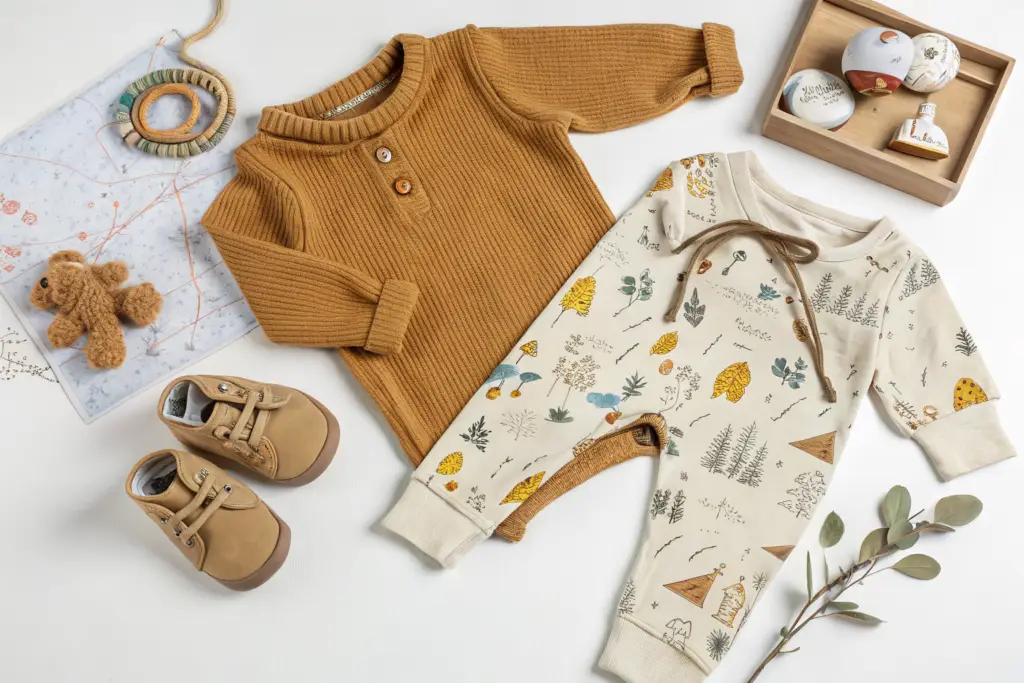
You are scrolling through social media, looking at kids' fashion. You see a shift. The days of head-to-toe hot pink and cartoon characters are fading. The new generation of parents—Millennials and Gen Z—are dressing their kids differently. They are looking for something more. More thoughtful. More sustainable. More like a mini, curated version of their own aesthetic. A brand owner in the kids' wear space told me, "My customer doesn't want her daughter to look like a Disney princess. She wants her to look like a cool, little Berlin artist."
The latest trends in private label kids' wear are driven by Millennial and Gen Z parents. They prioritize: A "Mini-Me" Aesthetic (elevated, gender-neutral basics that mirror adult fashion), Uncompromising Comfort & Durability (super-soft, washable fabrics with functional features like reinforced knees), and Conscious Consumerism (a strong demand for sustainable materials like GOTS organic cotton and transparent, ethical production).
At Shanghai Fumao, we are at the forefront of manufacturing for these modern kids' wear brands. We see the shifts in fabric requests, the design details, and the compliance questions. Let me share the key trends shaping private label children's apparel right now, so you can build a collection that resonates with today's parents.
Why Is the "Mini-Me" Aesthetic Dominating Modern Kids' Fashion?
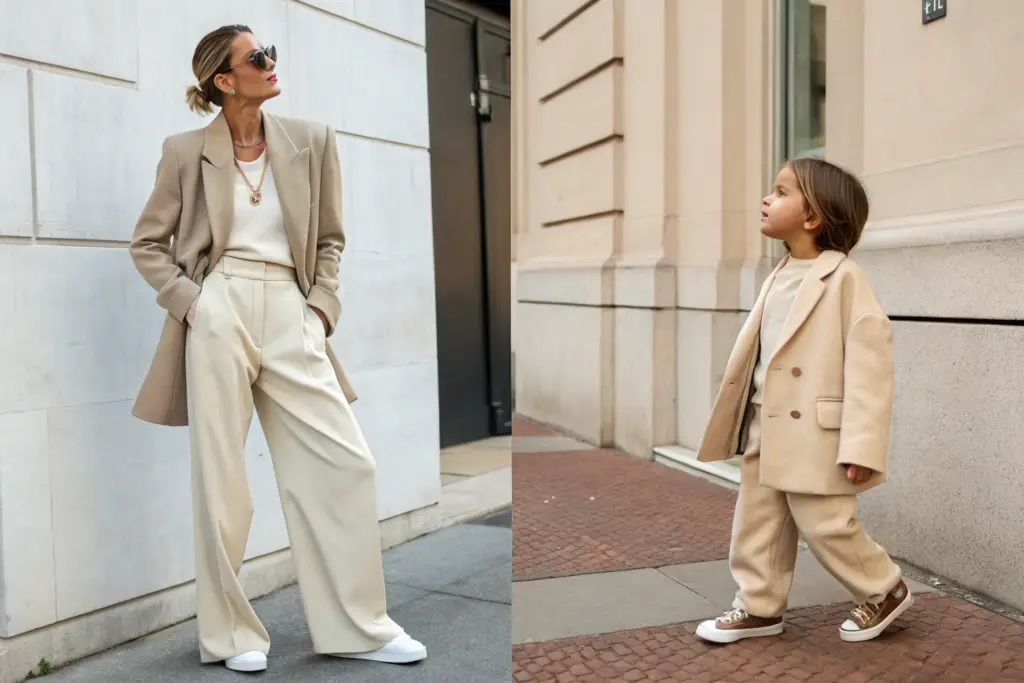
For previous generations, kids' clothing was a separate, distinct category—full of bright primary colors, cartoon characters, and frilly, impractical details. Today's parents see their children as an extension of their own personal style. They want their kids to look cool, not cutesy. This is the "Mini-Me" Aesthetic. It is less about dressing like a kid and more about dressing like a stylish, smaller human.
The "Mini-Me" trend is characterized by elevated, gender-neutral basics in sophisticated, muted color palettes. Think organic cotton joggers in "Oatmeal," ribbed knit sets in "Sage," and oversized hoodies in "Dusty Cedar." Silhouettes are relaxed and comfortable, mirroring adult loungewear and streetwear trends. The focus is on quality, texture, and a timeless, curated look.
I recall a brand that launched with a collection of brightly colored, character-driven tees. Sales were slow. They pivoted to a line of minimalist, gender-neutral basics in earthy tones, inspired by popular adult loungewear brands. Their sales exploded. The parents loved that their kids looked effortlessly stylish and that the pieces could be mixed and matched easily. This shift is not a fad. It is a fundamental change in how a new generation of parents approaches kids' wear. They are curating a look, not just covering a body. This trend is widely discussed in children's fashion market analysis.
What Colors and Silhouettes Define This Trend?
The color palette has shifted dramatically away from harsh primaries. The dominant colors are sophisticated neutrals: oatmeals, sands, warm greys, and soft taupes. Accent colors are muted earth tones: sage green, terracotta, dusty rose, and deep indigo. Silhouettes are relaxed and oversized, allowing for freedom of movement and a longer wear life. Think slouchy beanies, drop-shoulder sweatshirts, and harem-style pants. The overall feel is comfortable, effortless, and cool.
How Does "Gender-Neutral" Design Increase Market Reach?
Designing a collection that is not strictly "boys" or "girls" is both a value statement and a smart business decision. Gender-neutral designs appeal to parents who reject rigid gender stereotypes. More pragmatically, it allows the brand to reach a wider audience with fewer SKUs. A well-designed, unisex ribbed onesie or a pair of neutral joggers can be worn by any child. It also has a higher "hand-me-down" potential between siblings of different genders. This approach simplifies inventory and broadens the customer base. It is a key strategy for modern private label success.
What Fabrics and Functional Details Do Parents Demand Now?
Modern parents are discerning consumers. They research before they buy. They read reviews. They care deeply about what touches their child's skin and how long the garment will last. They are looking for specific, tangible features that make their lives easier and their kids more comfortable. These are not "nice-to-haves." They are becoming the baseline expectation for premium kids' wear.
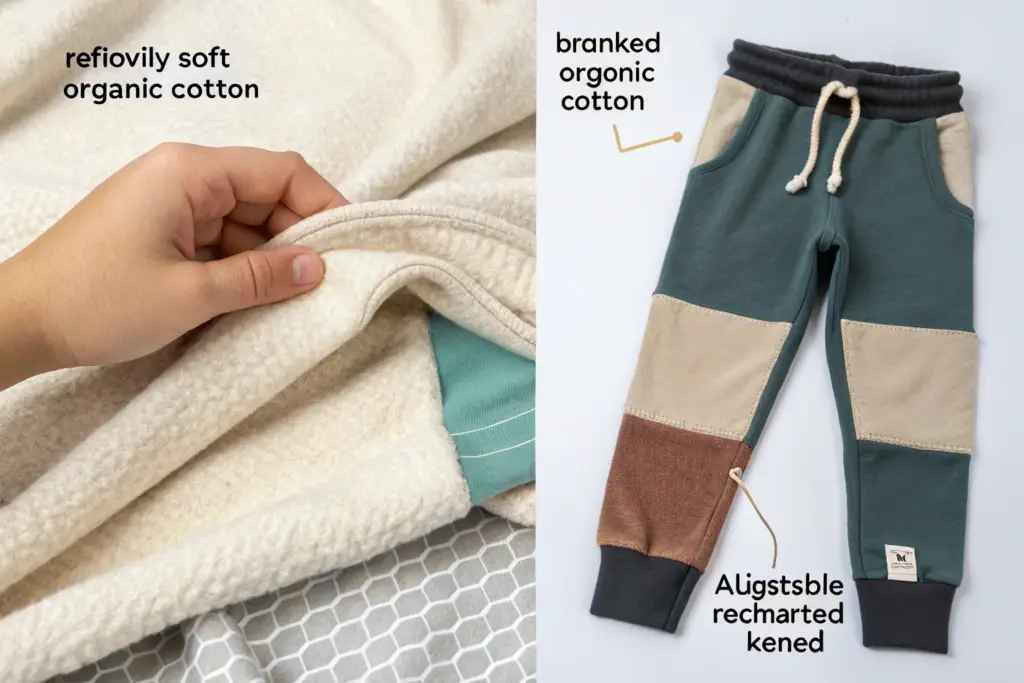
Parents are demanding super-soft, natural fabrics like GOTS-certified organic cotton and Tencel. They prioritize functional details that enhance durability and ease of use: reinforced knees on pants and leggings, adjustable waistbands for a custom fit, and flatlock seams to prevent chafing on sensitive skin. Easy-care (machine washable) is non-negotiable.
A distributor we work with added reinforced knee patches to their line of kids' joggers. It was a small, functional detail. The customer reviews went wild. Parents were thrilled that a pair of pants survived the crawling and playground phase. The detail signaled that the brand understood the reality of life with a toddler. That single feature became a brand signature and a key driver of repeat purchases. This is the power of designing for the parent's actual experience.
Why Are Reinforced Knees a Game-Changer for Kids' Pants?
This is a simple, functional addition that provides immense value. Kids are hard on their clothes, especially the knees. A standard single-layer knee on a pair of leggings or joggers will wear through in weeks. A reinforced knee—a second layer of fabric or a durable patch sewn over the knee area—extends the life of the garment exponentially. It prevents holes and allows the pants to be passed down. It is a tangible symbol of quality and durability that parents appreciate and are willing to pay a premium for.
What Is the Importance of Flatlock Seams for Sensitive Skin?
As we discussed with activewear, flatlock seams lie completely flat against the skin. They have no raised, bulky ridge that can rub and cause irritation. For a baby's delicate skin or a child with sensory sensitivities, this is a critical comfort feature. It is also a sign of higher-quality construction. More and more parents are specifically searching for "flatlock seams" when buying basics for their children. It is a detail that distinguishes a premium product from a mass-market one.
How Important Are Sustainability and Ethical Production to Parents?
For a growing segment of parents, the story behind the clothes is just as important as the clothes themselves. They want to know: Who made this? What is it made of? Is it safe for my child and the planet? This is especially pronounced in the kids' wear market, where concerns about chemical sensitivity and future generations are heightened. "Greenwashing"—making vague, unsubstantiated claims—is quickly sniffed out and punished.
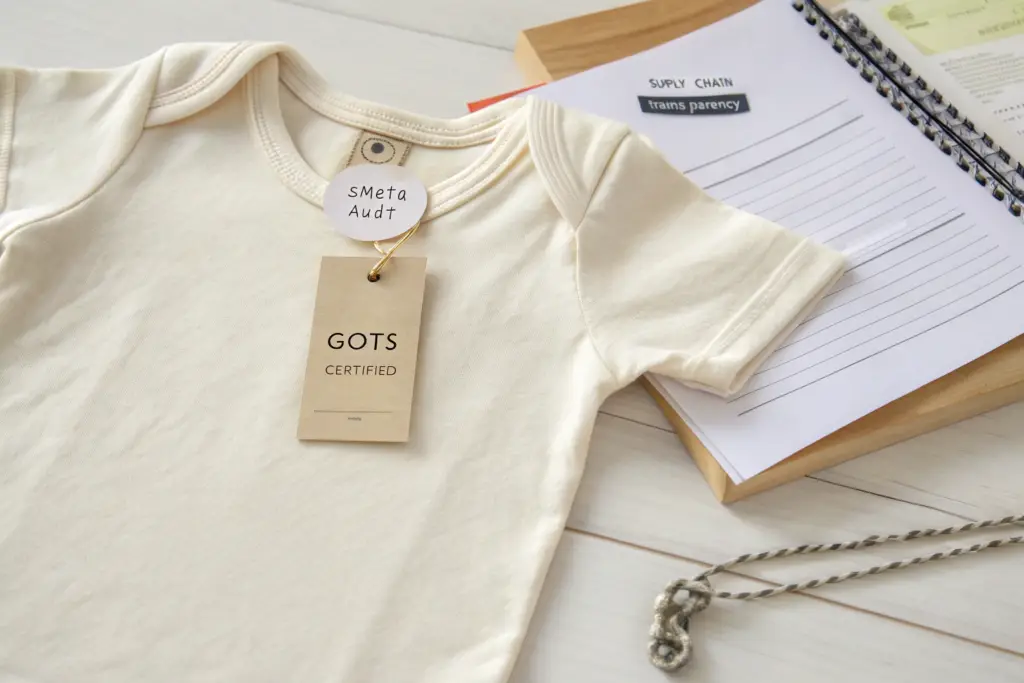
Sustainability and ethical production are now primary purchase drivers for many parents. They actively seek out certifications like GOTS (organic cotton) and OEKO-TEX (tested for harmful substances). They value transparency and are drawn to brands that can clearly articulate their supply chain and manufacturing practices. This is a significant shift from a "nice-to-have" to a "must-have" for a premium brand.
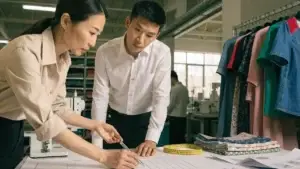
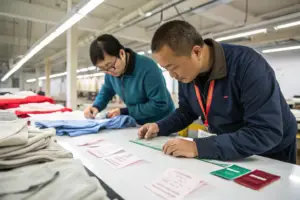
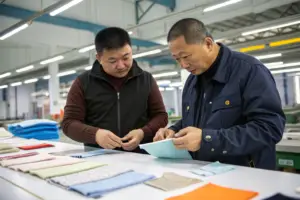
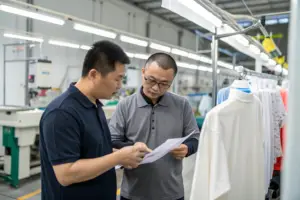
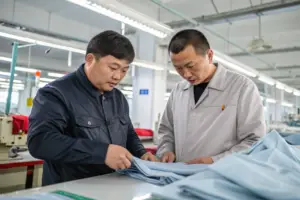
A women's wear founder who launched a kids' wear extension told me her sales doubled when she added a dedicated "Our Factories" page to her website, featuring photos of our clean, well-lit production floor and details about our SMETA audit. She gave her customers a window into the making of the product. This transparency built an immense amount of trust and justified her premium pricing. This is the new standard for modern private label brands.
Why Is GOTS Certification a Powerful Marketing Tool for Kids' Wear?
GOTS (Global Organic Textile Standard) is the most trusted and rigorous certification for organic fibers. It covers not only the farming of the raw material but also every step of processing—spinning, weaving, dyeing, and manufacturing. Crucially, it also includes social criteria, ensuring the workers in the supply chain are treated fairly. For a parent buying organic cotton for their baby, a GOTS label provides the highest level of assurance. It is a powerful, third-party validated trust mark that allows a brand to command a premium price.
How to Communicate Your Brand's Ethical Story Authentically?
Authenticity is key. Do not just use buzzwords. Show your work. Use real photos of your manufacturing partner's facility (with their permission). Share the specific names of your certifications. Explain why you chose a particular fabric or construction detail. Be transparent about your pricing, if possible. Parents are savvy. They can tell the difference between a genuine commitment and a marketing campaign. Partnering with a manufacturer like Shanghai Fumao, who can provide the documentation and transparency to back up your claims, is the foundation of an authentic story.
What Role Do Whimsical, Art-Driven Prints Play in Modern Kids' Wear?
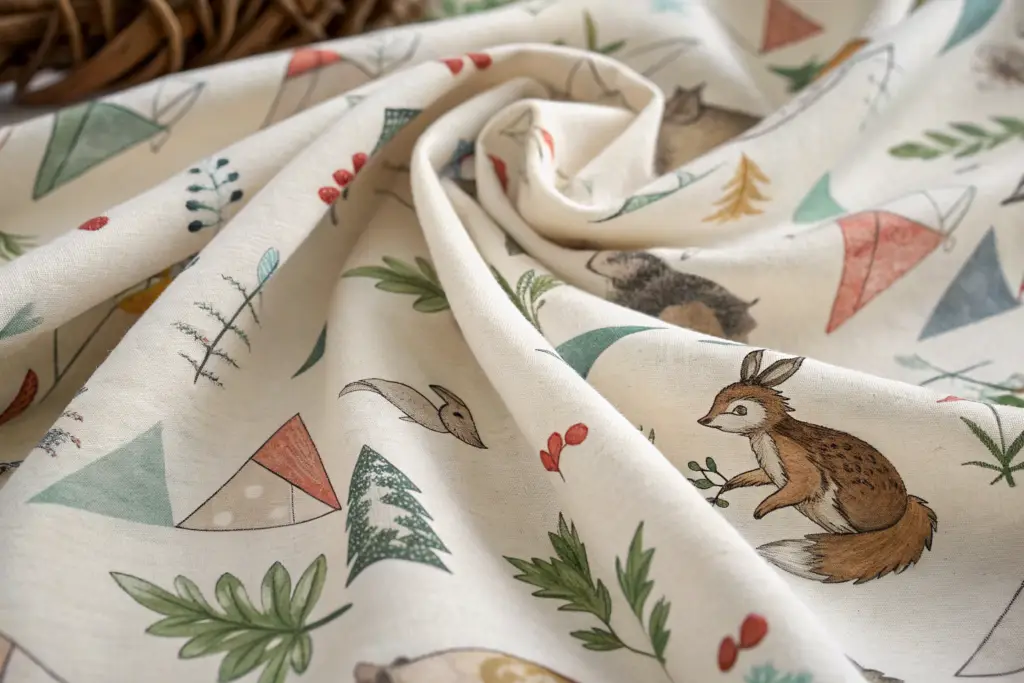
While the "Mini-Me" aesthetic leans minimalist, the door is not closed on prints. However, the type of print has changed dramatically. The mass-market, licensed character print (think Paw Patrol or Disney) is being replaced by original, art-driven illustrations. Parents are looking for prints that spark imagination and feel unique, not something they can find at a big-box store.
Modern kids' prints are characterized by hand-drawn or watercolor aesthetics, whimsical themes (woodland creatures, celestial maps, botanicals), and sophisticated, curated color palettes. The goal is to create a print that feels like a piece of art, tells a story, and appeals to the parent's design sensibility as much as the child's imagination.
One of our most successful kids' wear clients built their entire brand identity around a series of original, hand-painted watercolor prints. Each season features a new "story"—a trip to the tide pools, a walk through an enchanted forest. The prints are beautiful, unique, and instantly recognizable. Parents collect them. The prints allow the brand to charge a premium and create a strong emotional connection with their customers. The key is the artistry and originality.
How to Source Unique, Art-Driven Prints for Your Collection?
You do not need to be an artist. You can:
- Collaborate with Freelance Illustrators: Platforms like Instagram or Behance are full of talented artists.
- Work with Textile Design Studios: These studios specialize in creating original print artwork for apparel brands.
- Use Curated Print Libraries: Some manufacturers (like us) have relationships with studios and can offer a selection of on-trend, exclusive prints for a fee.
The key is to avoid generic, stock-vector art that looks like it could be on anything. Invest in original artwork that tells your brand's unique story. This is how you differentiate in a crowded market.
What Are the Best Printing Techniques for Art-Driven Kids' Designs?
As we discussed in printing techniques, the method must match the art and the fabric. For the soft, watercolor look, Digital Printing is ideal as it captures fine detail and gradients with a completely soft handfeel. It also allows for small-batch production, perfect for testing new designs. For bolder, more graphic illustrations, Screen Printing with water-based or discharge inks provides vibrant, durable color. The focus should always be on safe, non-toxic inks that are certified by OEKO-TEX, which is non-negotiable for kids' wear.
Conclusion
The latest trends in private label kids' wear reflect a profound shift in parental values. It is a move away from disposable, character-driven fashion and toward a more thoughtful, curated, and conscious approach to dressing children. The modern parent wants a "Mini-Me" aesthetic that is stylish and comfortable. They demand super-soft, durable fabrics with functional details. They require transparency and verifiable sustainability. And when they choose a print, they want it to be a piece of art.
At Shanghai Fumao, we are deeply embedded in these trends. We source the GOTS organic cottons, engineer the reinforced knees, perfect the flatlock seams, and connect brands with the resources for art-driven prints. We are the manufacturing partner that helps you translate these market insights into a tangible, beautiful, and sellable private label collection.
If you are ready to build a kids' wear brand that resonates with modern parents, let's talk. Our Business Director, Elaine, can share more trend insights and discuss how our manufacturing capabilities can bring your vision to life. Please email Elaine at: elaine@fumaoclothing.com.