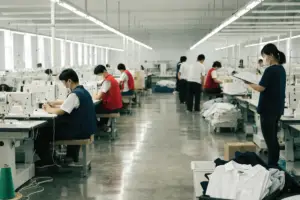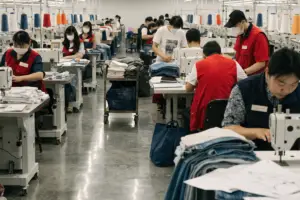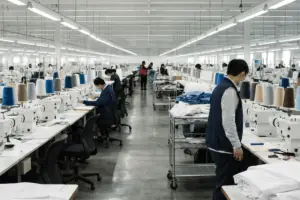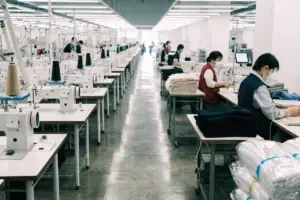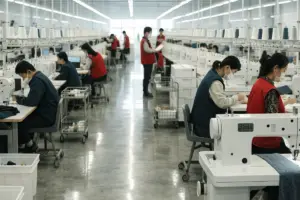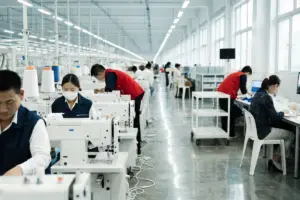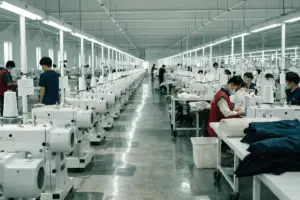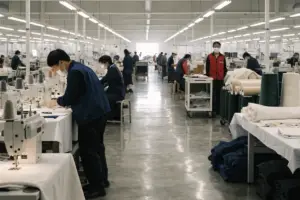
You have a vision for a clothing line. You know your customer. You know the aesthetic. You have the marketing plan. But you do not have a pattern maker. You do not have a fabric sourcing team. You do not have a factory. You do not have a logistics coordinator. The gap between your beautiful idea and a box of finished garments arriving at your warehouse feels like a chasm. This is where End-to-End Private Label Manufacturing comes in. It is the bridge. A brand owner I mentored once said, "I didn’t want to learn how to be a factory manager. I wanted to learn how to be a brand. Private label let me do that."
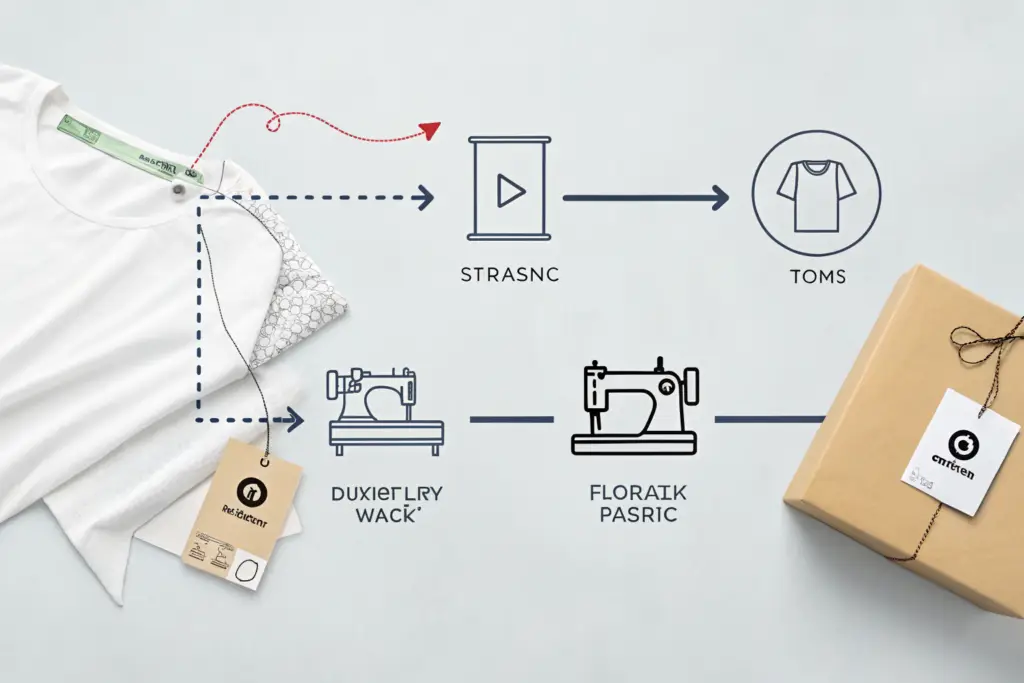
End-to-end private label clothing manufacturing is a comprehensive service where the factory handles every single step of the production process, from initial design consultation and pattern making to fabric sourcing, bulk production, quality control, and logistics. The brand owner’s primary role is to provide the creative direction and approve the key milestones.
This is different from CMT (Cut, Make, Trim) , where the brand supplies the materials. This is different from White Label, where the brand buys pre-made generic blanks. Private Label means the product is made exclusively for you, to your specifications, but the factory handles the heavy lifting of the supply chain. At Shanghai Fumao, this is the core of what we do for our B2B partners. Let me walk you through exactly what "End-to-End" means in practice, and why it is the smartest path for many emerging and established apparel brands.
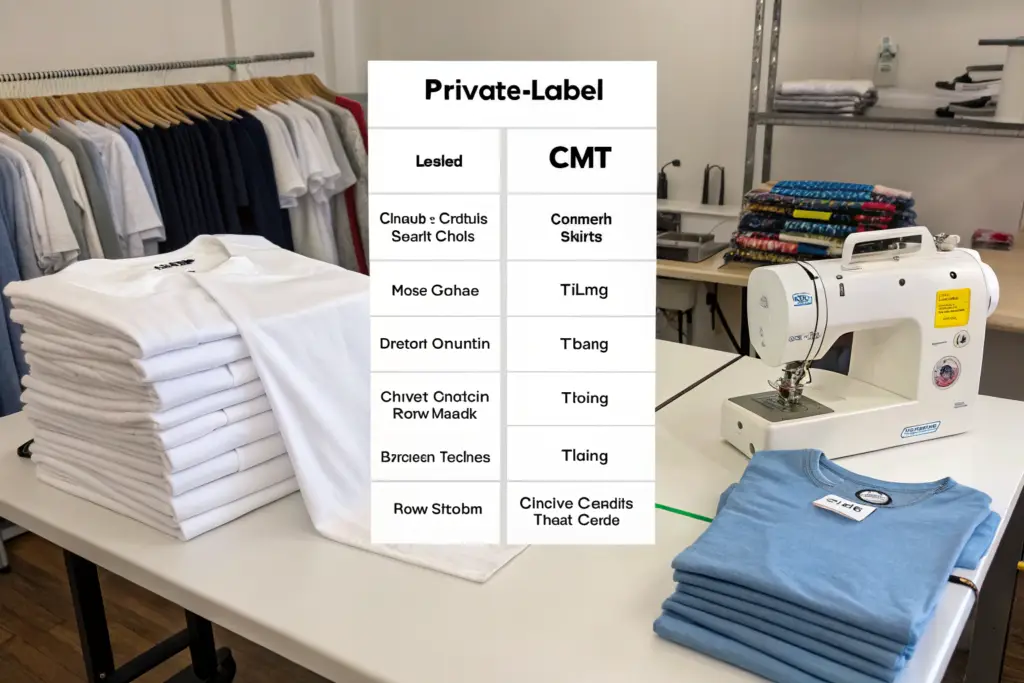
What Is the Difference Between Private Label, White Label, and CMT?
This is the most common confusion I see from new brand owners. They use these terms interchangeably, but they represent vastly different levels of involvement, cost, and customization. Choosing the wrong model can cripple a new business. Choosing the right model can accelerate it.
Private Label offers full customization (design, fit, fabric, trims) with the factory managing the entire supply chain. White Label offers zero customization; you buy pre-made generic stock and sew your label in. CMT offers full customization, but you, the brand, must source and supply all the fabric and trims to the factory.
I recall a startup women’s wear brand that initially tried to go the CMT route to save money. They spent three months just trying to source the right Tencel fabric and find matching buttons. They were overwhelmed by the MOQs and the logistics. They were about to give up. They switched to our End-to-End Private Label service. We took their sketches. We sourced the fabric. We developed the pattern. They approved the sample. Six weeks later, they had a finished collection. They told me, "I got my life back." This is the value of understanding these different models and choosing the right partner.
When Is White Label Manufacturing a Better Choice?
White Label is a valid strategy, but it is for a specific scenario: Speed and Simplicity over Uniqueness. If you are an influencer who wants to drop a merch line of basic hoodies next week, White Label is your answer. The goods already exist. You just brand them.
However, you have zero control over fit, fabric quality, or supply chain consistency. You are buying a commodity. Your competitor down the street can buy the exact same blank hoodie. This model does not build a long-term, differentiated brand. It is a transactional revenue play. Private label is for building a brand with a unique point of view.
Why Choose End-to-End Private Label Over Managing CMT Yourself?
Managing CMT yourself is like being the general contractor on a house renovation. You have to find the lumber yard, the plumber, the electrician, and the painter. You are responsible for the schedule and the budget. If the lumber is late, the whole project stops.
End-to-End Private Label means the factory is the General Contractor. We have the relationships with the mills. We know which trim supplier is reliable. We manage the timeline. You pay a premium for this service (typically included in the FOB price), but you save an immense amount of time, stress, and hidden costs from mistakes. For most brands, especially those without a dedicated production manager, the premium is well worth it. It allows the CEO to focus on marketing and sales, not on tracking zipper shipments.
What Does “Design and Development” Include in Our Private Label Service?
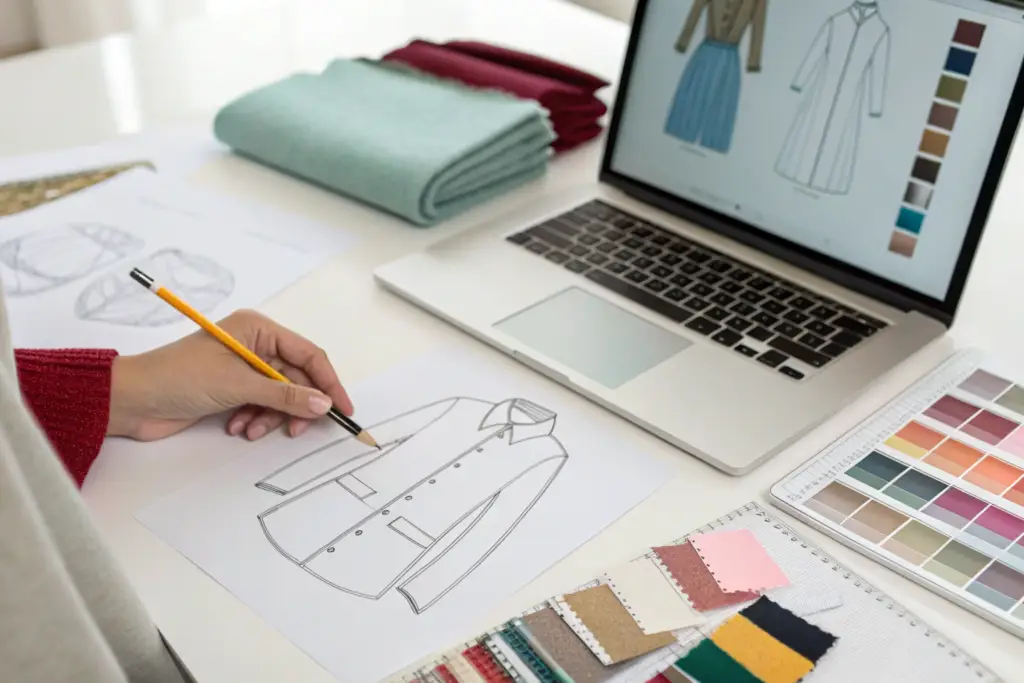
This is where the partnership begins. You do not need to arrive with a perfect Tech Pack. You need to arrive with a clear vision. Our job is to translate that vision into a manufacturable product. This phase is the foundation of the entire project.
Our Design and Development phase includes: Collaborative design consultation to refine your idea, Creation of detailed flat sketches and initial specs, Sourcing of appropriate fabrics and trims based on your aesthetic and price point, and Pattern making and grading services to create the blueprint for the garment.
I worked with a men’s wear brand founder who had a background in finance, not fashion. He had a clear idea for a "better travel chino." He knew he wanted it to be wrinkle-resistant, have a hidden security pocket, and fit a specific athletic build. He had no idea what fabric to use or how to construct the pocket. Our team presented him with three fabric options (a cotton/nylon blend, a polyester/spandex, and a Tencel blend). We explained the pros and cons of each for easy care and drape. We created a sample pocket construction for his review. He made the final decision. That is the essence of collaborative product development. This is what makes private label manufacturing so powerful for non-technical founders.
How Does Fabric and Trim Sourcing Work in Private Label?
This is a huge value-add. Instead of you emailing 20 mills and ordering 50 swatches, we do it for you. You tell us: "I want a soft, heavy-weight cotton for a premium tee. Budget is around $X per yard." Or "I want a sustainable activewear fabric with a cool handfeel."
Our sourcing team goes to our network of pre-vetted, compliant mills. We pull 3-5 options that meet your criteria. We send you the swatches with a summary of the specs (GSM, content, price, MOQ, lead time). You touch the fabric. You choose. We handle the ordering, the lab dip approvals, and the logistics of getting the bulk fabric to our factory. This service alone saves weeks of work and reduces the risk of ordering the wrong material.
What Role Does Pattern Making Play in the Process?
The pattern is the DNA of the garment. A bad pattern makes a bad fit, no matter how nice the fabric. Our in-house pattern makers take your approved flat sketch and measurements and create the initial digital pattern (CAD). They use their expertise to add the necessary "ease" for movement and to ensure the garment can be sewn efficiently in bulk.
They also create the Grading—the set of rules for scaling the pattern up and down for sizes XS to XL. This ensures that the fit you love on the size Medium sample translates proportionally to the size Small. This is a highly technical skill that is essential for private label clothing success.
How Does the Sampling and Approval Process Ensure Brand Alignment?
The sample is the moment of truth. It is the physical manifestation of all the previous discussions and digital files. This is where we lock in the quality and fit that will define the bulk order. Rushing this step is the most expensive mistake in private label manufacturing.
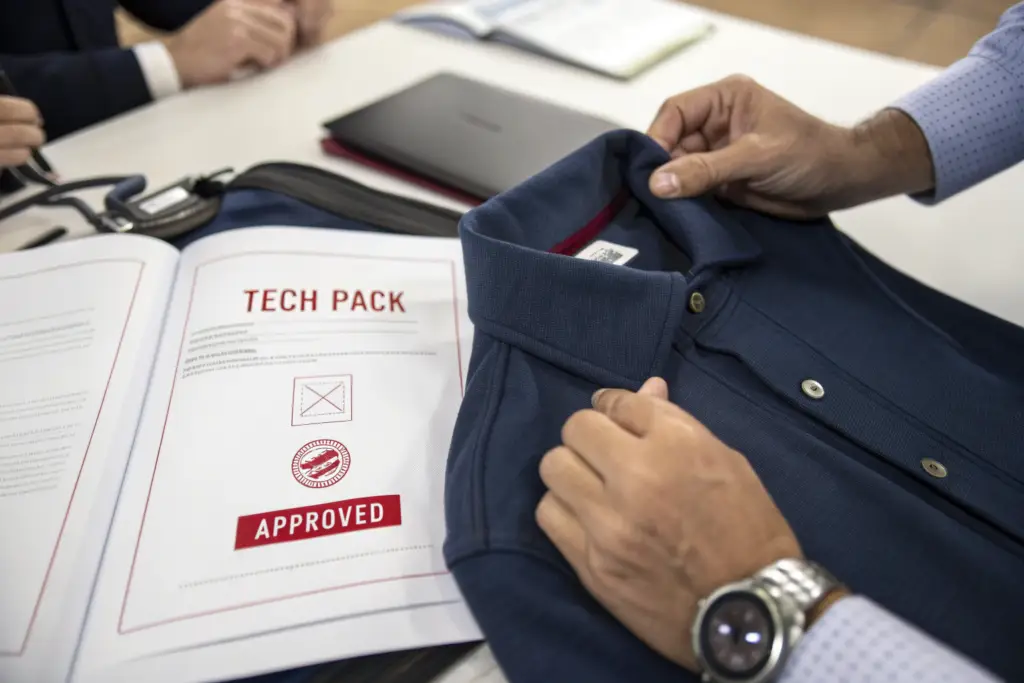
The sampling process typically involves three stages: The Proto Sample (a first draft to check basic silhouette and fit), The Fit Sample (refined with adjustments to measurements and construction), and The Pre-Production Sample (PP Sample), which must be perfect as it serves as the "Sealed Sample" for bulk production inspection.
We are relentless during the PP Sample approval. We measure every Point of Measure against the final spec sheet. We check the color matching of the thread and the trims. We verify the customizable logo placement. We want you to be just as critical. We had a distributor who approved a PP Sample but made a tiny note: "The hangtag string feels too short." We changed the string length for bulk. That small detail, caught at the sample stage, prevented 5,000 units from arriving with an annoying hangtag. This is the value of a thorough private label process.
What Happens If the Fit Sample Is Not Right?
This is normal. It is why we have the Fit Sample stage. The Proto Sample gives us a starting point. When you put it on a fit model, you might realize the sleeve is too tight, or the body is too long.
You provide clear, measurable feedback. "Increase bicep circumference by 1/2 inch." "Shorten body length by 1 inch." We update the pattern. We cut a new Fit Sample. We repeat until the fit is perfect. This iterative process is essential for achieving a top quality result. It is one of the main reasons to choose private label over white label—you get to dial in the fit for your specific customer.
What Is the “TOP” Sample and Why Is It Important?
TOP stands for Top of Production. This is a sample pulled from the very first batch of bulk production. Before the line makes 5,000 units, they make 10 units. One of those is the TOP Sample.
We ship this TOP Sample to you via express courier. You inspect it. You verify that the bulk fabric matches the PP Sample, that the stitching quality is the same, and that the fit is consistent. You give final approval. Only then does the line proceed with the full 5,000 units. This is the final safety check. It prevents the nightmare of receiving a container full of garments that have drifted from the approved sample.
What Happens After Sample Approval in Our End-to-End Service?
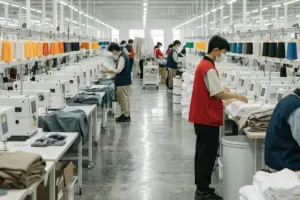
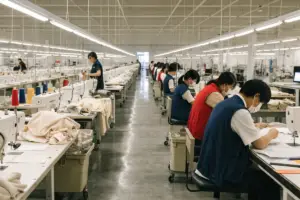
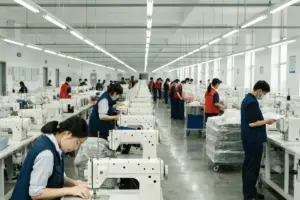
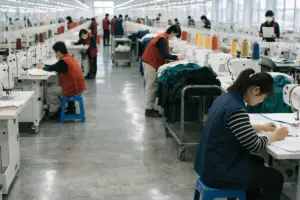
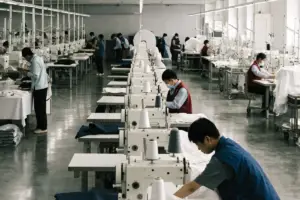
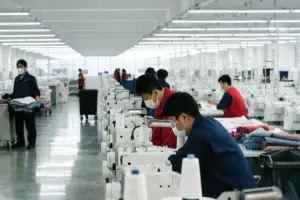
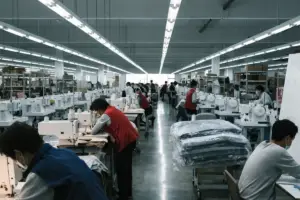
You have signed off on the PP Sample. You might think your work is done. For you, it is. For us, the most intense phase of End-to-End Private Label is just beginning. This is where our 5 production lines, our Project Managers, and our logistics team take over.
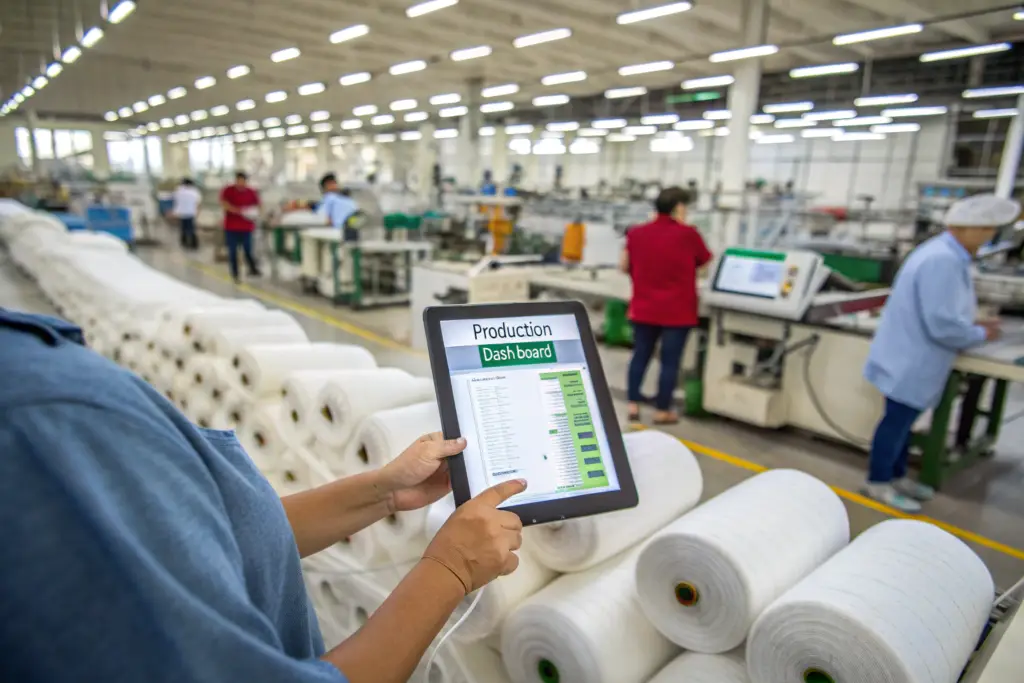
After sample approval, Fumao manages: Bulk Fabric Ordering and Inspection, Trim and Component Procurement, Production Scheduling and Cutting, In-Line and Final Quality Control, Finishing and Packing to retail standards, and DDP Shipping coordination to your warehouse door.
This is the "End-to-End" promise. You do not need to send emails asking, "Has the fabric arrived?" or "When does sewing start?" Our Project Manager provides you with a weekly Live from the Floor update with photos. You watch your collection come to life through your inbox. You focus on your brand launch, your marketing, your wholesale appointments. We focus on making the clothes. This division of labor is why private label manufacturing is so efficient for growing businesses. This seamless handoff is the hallmark of a professional supply chain management approach.
How Do We Manage Quality Control for Private Label Orders?
We apply the same rigorous AQL standards to private label as we do to any other order. Our in-line inspectors check seam strength, stitch density, and color consistency during the sewing process. Our final inspectors check every garment for defects before it is packed.
Because we sourced the fabric and trims, we have full visibility and control over the entire quality assurance chain. If there is a problem with a batch of buttons, we can trace it back to the vendor immediately. This is much harder to do in a CMT model where the client supplied the trims from an unknown source. Private label gives the factory more control, which usually translates to higher and more consistent quality.
What Are the Typical Lead Times for End-to-End Private Label?
A realistic timeline for a first-time, fully custom private label order is 60-90 days from sample approval to delivery. This timeline includes:
- Fabric Dyeing & Finishing: 15-20 days
- Trim Sourcing: 10-20 days (can be done in parallel with fabric)
- Bulk Cutting & Sewing: 20-25 days
- Finishing & Packing: 5-7 days
- Ocean Freight: 21-28 days
This timeline can be shortened if you choose stock fabrics instead of custom dye lots, or if you pay for air freight. We provide a detailed Production Timeline after the PP Sample is approved so you can plan your launch with confidence. This is how we deliver reliable delivery for our B2B partners.
Conclusion
End-to-End Private Label manufacturing is more than just a production service. It is a strategic partnership that allows creative entrepreneurs to build apparel brands without needing to become experts in global supply chains. It transforms the complex, fragmented process of making clothes into a streamlined, managed journey from sketch to shipment.
At Shanghai Fumao, we have built our entire business around this model. We understand that our success is tied directly to the success of the brands we serve. We are not just a factory; we are the operational backbone that allows you to focus on your customer, your story, and your growth. Whether you are launching your first collection of women’s wear or scaling an established line of men’s wear or kids’ wear, the End-to-End model provides the structure, expertise, and peace of mind to bring your vision to market.
If you are ready to explore how End-to-End Private Label manufacturing can turn your clothing line dream into a reality, let’s talk. Our Business Director, Elaine, can walk you through our process, discuss your specific needs, and provide a roadmap for your collection. Email Elaine at: elaine@fumaoclothing.com.