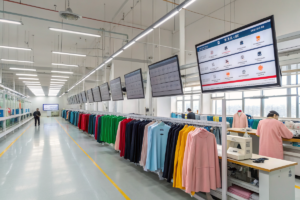
You have approved the sample. You trust the factory. But when the bulk order arrives, it is different. The color is off. The fit is wrong. The stitching is poor. You are angry. The factory says, "The sample was just for show." I have seen this happen many times. It is the oldest problem in garment manufacturing. The sample is a promise. The bulk is the delivery. At Shanghai Fumao, we believe the sample is not just a promise. It is the standard.
Based on our experience producing millions of garments, guaranteeing quality from sample to bulk order requires a system of material control, production standards, in-line inspection, and final auditing. For example, last year we worked with a brand from London. Their previous factory made beautiful samples but poor bulk. When they switched to us, we showed them our process. We use the same fabric for sample and bulk. We use the same machines. We inspect every batch. The bulk matched the sample perfectly. That is how we guarantee quality.
So, how does Fumao Clothing guarantee quality from sample to bulk order? Let me break it down. I will explain our material control. I will discuss our production standards. I will show you our in-line inspection. And I will give you our final audit process.
How Does Material Control Ensure Consistency?
The sample fabric and bulk fabric must be the same. I remember a client from New York. Their previous factory used sample fabric from a different lot. The bulk fabric was different. The color was off.
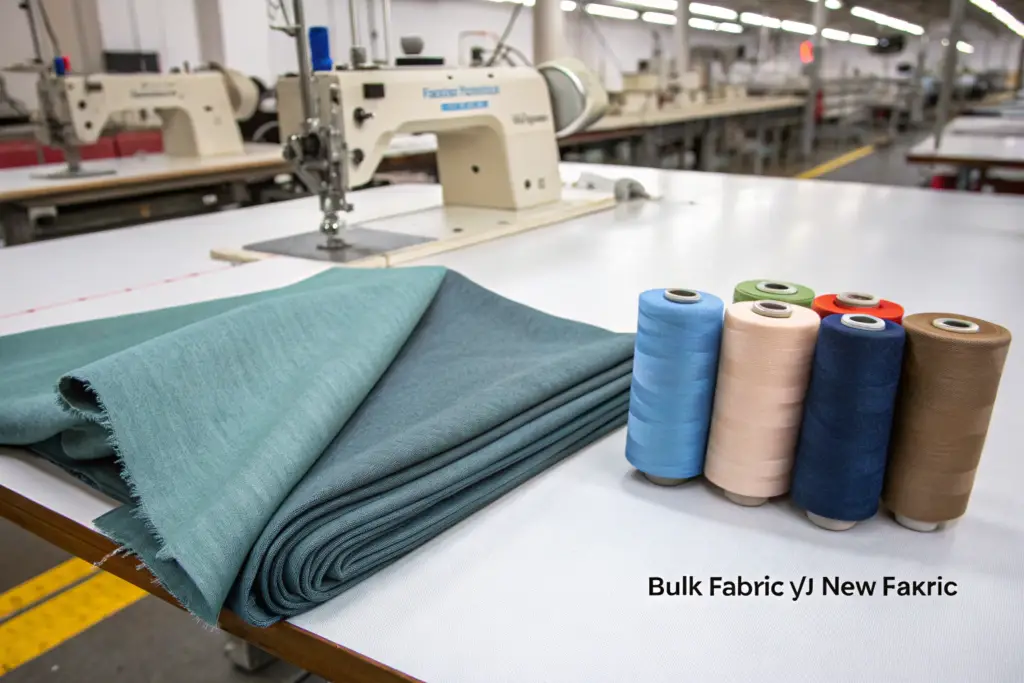
At Shanghai Fumao, we control materials from the start. We source the production fabric from the same lot as the sample. For the New York client, we now request a fabric lot number. We match the bulk fabric to the sample. For woven shirts, we check the color, weight, and weave. For knits, we check the stretch and recovery. For denim, we check the wash and weight. We also control trims. The zippers, buttons, and labels in the bulk order are the same as those on the sample. We keep a trim card. The production team uses it to verify every batch. If the material does not match, we do not use it.
How Do You Match Fabric Lots?
We request the fabric mill to provide the same lot number for bulk as the sample. We inspect the fabric when it arrives. We compare it to the sample. For a sportswear client, the bulk fabric was from the same lot. The color matched perfectly.
What Is a Trim Card?
A trim card is a board with samples of all trims: zipper, button, label, thread, elastic. The production team uses it to verify that the bulk trims match the approved sample. For a denim client, the trim card included the rivets and the leather patch.
How Do Production Standards Prevent Variation?
Every operator must sew the same way. I remember a client from Chicago. Their previous factory had no standards. One operator sewed a 2 cm hem. Another sewed a 2.5 cm hem. The garments were inconsistent.
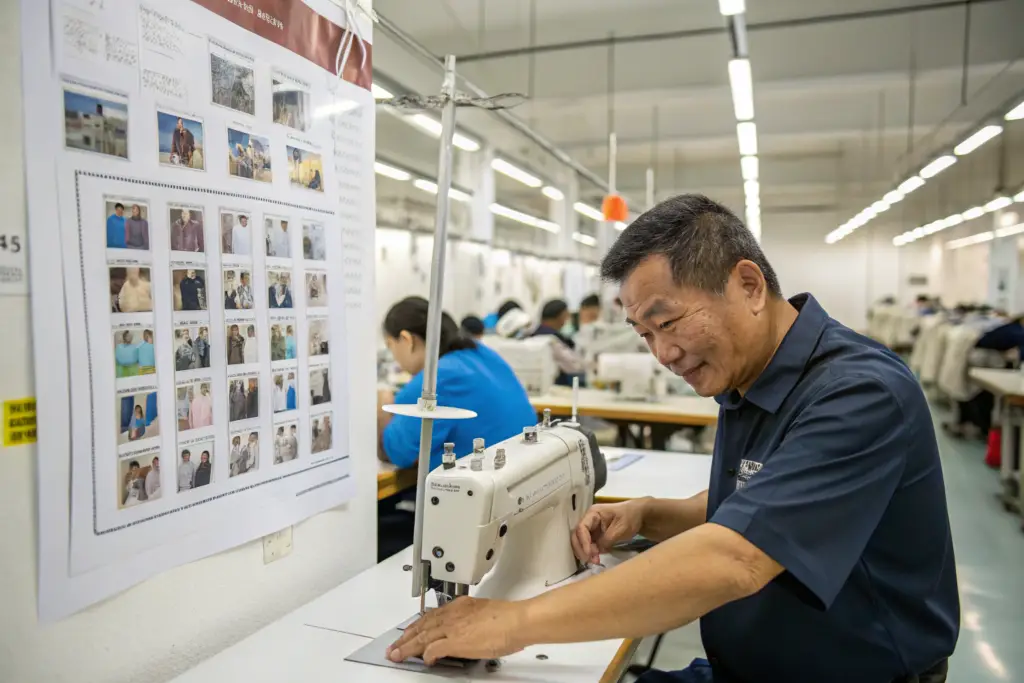
At Shanghai Fumao, we have standardized work instructions. For the Chicago client, we created a work instruction for every style. It showed the seam type, stitch length, and hem width. For woven shirts, the instruction shows how to attach the collar and placket. For knits, it shows how to attach the neckband. For denim, it shows the topstitching pattern. We also use machine attachments. A folder attachment ensures the hem is always the same width. A guide ensures the topstitching is straight. We train every operator on the standards. We test them. If they cannot meet the standard, they are retrained.
What Are Work Instructions?
Work instructions are documents with photos and text. They show:
- Which machine to use
- Which attachment to use
- Seam allowance
- Stitch length
- Thread color
- Finished measurement
For a sportswear client, the work instruction for the hem included a photo of the correct stitch. The operator followed it exactly.
How Do Machine Attachments Help?
Machine attachments are guides that control the fabric. They ensure consistent seam width, hem width, and topstitching distance. For a denim client, we used a topstitching guide. The stitching was 0.25 inches from the edge on every pair.
How Does In-Line Inspection Catch Defects Early?
Waiting until the end is too late. I remember a client from Boston. Their previous factory inspected only at the end. 500 pieces had the same defect. They had to redo them all.
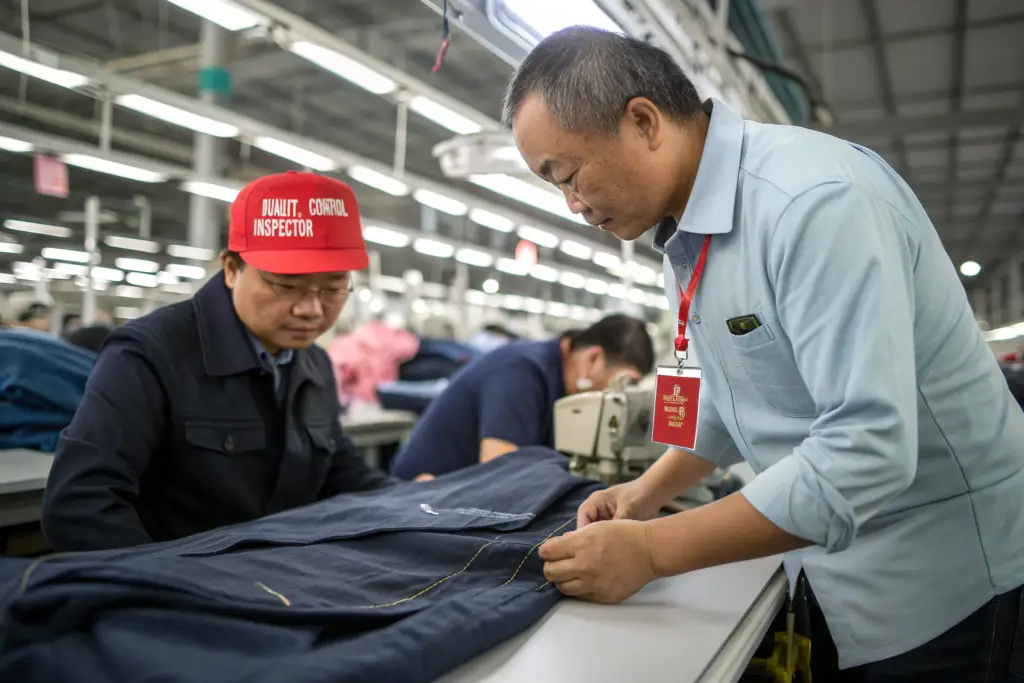
At Shanghai Fumao, we do in-line inspection. We check the first piece from each operator. We check every 50 pieces after that. For the Boston client, we caught a tension issue on the 5th piece. We fixed it. Only 5 pieces were affected. For woven shirts, we check the collar attachment on the first 10 pieces. For knits, we check the neckband on the first 20 pieces. For denim, we check the waistband on the first 30 pieces. In-line inspection also checks measurements. We measure the chest, waist, and length at regular intervals. If a measurement drifts, we stop and correct. In-line inspection prevents mass defects.
What Is Checked During In-Line Inspection?
We check:
- First piece from each operator
- Every 50 pieces for critical measurements
- Seam construction (stitch type, tension)
- Trim attachment (zippers, buttons)
- Overall appearance
For a sportswear client, they checked the screen print alignment every 20 pieces. All were correct.
How Do You Handle a Defect Found In-Line?
When a defect is found:
- Stop the machine
- Identify the cause (tension, operator error, material)
- Correct the issue
- Inspect the last 50 pieces
- Rework only the defective pieces
For a denim client, they found a loose rivet. They stopped. They adjusted the machine. They inspected the last 100 pieces. Only 5 had the issue.
How Does Final Auditing Ensure Bulk Matches Sample?
The final audit is the last chance. I remember a client from Seattle. Their previous factory did not do a final audit. The shipment had mixed sizes. The client was furious.
At Shanghai Fumao, we do a final audit on every order. We inspect a random sample of the bulk. We compare it to the reference sample. For the Seattle client, we now check size distribution, color consistency, and packing. For woven shirts, we check the collar shape, placket width, and button placement. For knits, we check the neckband and hem. For denim, we check the wash, rivets, and topstitching. The final audit also checks packing. Are the correct sizes in the correct cartons? Are the labels facing the right way? We use an AQL (Acceptable Quality Level) standard. Major defects are not allowed. Minor defects must be below 2.5%. If the order fails the audit, we re-inspect 100% of the goods. We rework any defects. We do not ship until the order passes.

What Is AQL?
AQL is a statistical sampling method. For most orders, we use AQL 2.5. This means:
- Inspect a sample of the bulk (e.g., 200 pieces from 5,000)
- Major defects: 0 allowed
- Minor defects: up to 2.5% allowed
For a sportswear client, their order passed the AQL inspection. They received the goods.
What Is the Final Audit Report?
The final audit report includes:
- Order quantity and sample size
- Number of defects found (major and minor)
- Pass/fail status
- Photos of any defects
- Inspector signature
For a denim client, they reviewed the report. The order passed. They approved shipment.
How Do You Handle Defects After Shipment?
Sometimes defects slip through. I remember a client from Denver. A small batch of garments had a hidden defect. We replaced them immediately.
At Shanghai Fumao, we stand behind our quality. If a defect is found after shipment, we investigate. If it is our fault, we replace the goods. For the Denver client, a batch of t-shirts had a fading print. We replaced them at no cost. For woven shirts, we offer a 30-day quality guarantee. For knits, the same. For denim, we guarantee the wash for 6 months. We also offer a defect analysis. We identify the root cause. We correct the process so it does not happen again. Our goal is zero defects. But when issues occur, we make them right.

What Is Your Defect Rate?
Our defect rate is less than 1% for most orders. For a sportswear client, their defect rate was 0.5%. They were very satisfied.
How Do You Handle a Defect Claim?
To file a claim:
- Contact Elaine with photos of the defect
- We review the issue within 48 hours
- If it is our fault, we replace the goods or issue a credit
- We analyze the root cause and correct it
For a denim client, they had a few pairs with loose threads. We issued a credit. They were happy.
Conclusion
At Shanghai Fumao, we guarantee quality from sample to bulk order through material control, production standards, in-line inspection, and final auditing. We use the same fabric and trims for sample and bulk. We have standardized work instructions. We inspect in-line to catch defects early. We do a final audit before shipping. We stand behind our quality. The sample is not just a promise. It is the standard.
Let us produce your order. Contact our Business Director, Elaine, directly at elaine@fumaoclothing.com. Approve your sample. We will deliver bulk that matches.