You are a parent. You dress your baby in a cute romper. An hour later, the baby is fussy. The back is wet. The baby is overheating. You take off the romper. The baby is red and sweaty. You never buy that romper again. I have seen this happen many times. The romper looked good. But the fabric was wrong. Babies cannot regulate their body temperature like adults. They overheat quickly. Breathable fabric is not a luxury. It is a necessity.
Based on our experience manufacturing millions of baby garments, the most breathable fabrics for baby rompers are natural fibers: 100% cotton, organic cotton, bamboo, and cotton-modal blends. For example, last year we worked with a brand from California. Their rompers were made of standard cotton. Parents complained that the babies were sweaty. We switched them to a cotton-modal blend. The fabric was softer and more breathable. The complaints stopped. That is the power of breathable fabric.
So, what fabrics are most breathable for baby rompers? Let me break it down. I will explain the top choices. I will show you why they work. I will discuss fabric weight and weave. And I will give you a framework for selecting the right fabric.
Why Is 100% Cotton the Gold Standard for Breathability?
Cotton is the most common fabric for baby clothes. But not all cotton is the same. I remember a client from New York. They used low-quality cotton. The fabric was dense. It did not breathe. Babies were hot.
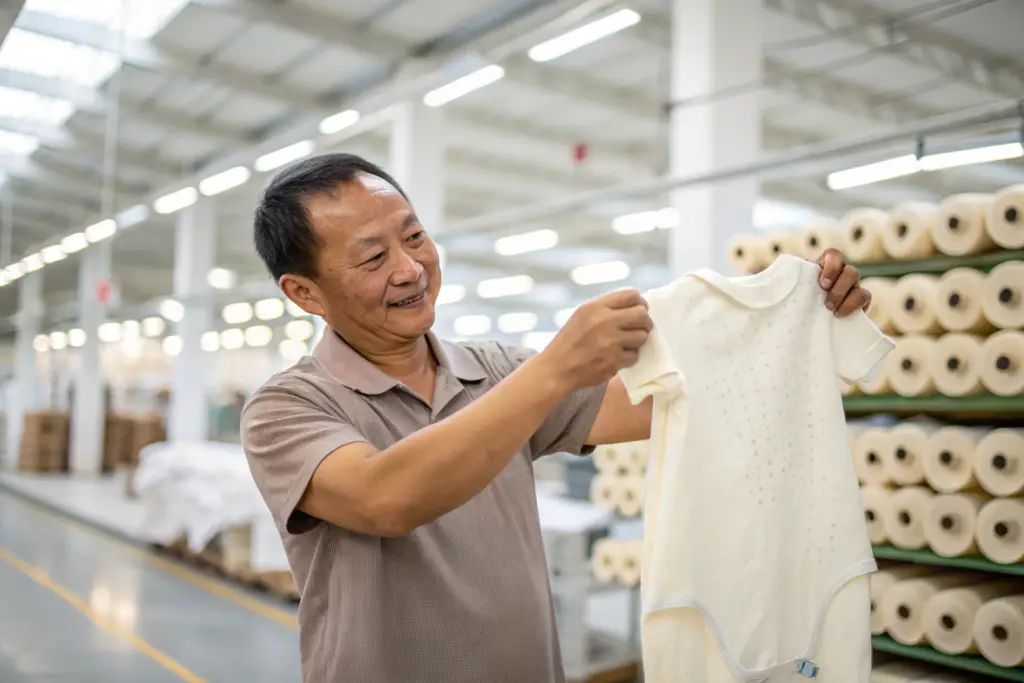
100% cotton is breathable because the fibers are natural and porous. Air can pass through. Moisture can evaporate. For the New York client, we switched to a high-quality, combed cotton. The fabric was softer and more breathable. For baby rompers, we recommend combed cotton or ring-spun cotton. These processes remove short fibers. The yarn is smoother. The fabric is lighter. We also recommend a jersey knit. Jersey is a single-knit construction. It has a smooth surface and a slight stretch. It is more breathable than a double-knit or interlock. For summer rompers, use a lightweight cotton. 150 to 180 GSM is ideal. For year-round rompers, 180 to 200 GSM works well.
At Shanghai Fumao, we use 100% combed cotton for our standard baby rompers. It is soft, breathable, and durable.

What Is the Difference Between Combed Cotton and Regular Cotton?
Combed cotton has been brushed to remove short fibers. The result is a smoother, stronger, and softer yarn. Regular cotton has more short fibers, which can make the fabric feel rougher and less breathable. For a sportswear client, they noticed the difference immediately. The combed cotton felt cooler against the skin.
What Knit Construction Is Best for Breathability?
For breathability, a single jersey knit is best. It has a flat surface on one side and a slight texture on the other. Air can flow through easily. Double-knit or interlock fabrics are thicker and less breathable. For a baby wear client, we used a single jersey. The rompers were breathable and comfortable.
Why Is Organic Cotton Even Better for Sensitive Baby Skin?
Organic cotton is not just a marketing term. I remember a client from Chicago. Their baby rompers were made of regular cotton. Some babies had skin reactions. The parents asked for organic.
Organic cotton is grown without synthetic pesticides or fertilizers. It is processed without harsh chemicals. The result is a fabric that is hypoallergenic and even more breathable. For the Chicago client, we switched to GOTS-certified organic cotton. The skin reactions stopped. For baby rompers, organic cotton is the best choice for sensitive skin. It breathes well. It is soft. It is safe. The breathability of organic cotton is similar to regular cotton. But the lack of chemical residues makes it better for babies who sweat. Sweat can mix with chemical residues and cause irritation. Organic cotton eliminates that risk.
We recommend GOTS-certified organic cotton. This ensures the fabric meets strict environmental and social standards.

Is Organic Cotton More Breathable Than Regular Cotton?
The breathability is similar. The main difference is the absence of chemical residues. For a baby with eczema, organic cotton can be a game-changer. The baby sweats less because the fabric is not irritating.
What Certifications Should You Look For?
Look for:
- GOTS (Global Organic Textile Standard)
- OEKO-TEX Standard 100 (tests for harmful substances)
For a baby wear client, they required both. We provided certified fabrics.
How Does Bamboo Fabric Compare for Breathability?
Bamboo is becoming popular. I remember a client from Boston. They wanted to try bamboo. They were not sure if it was breathable.
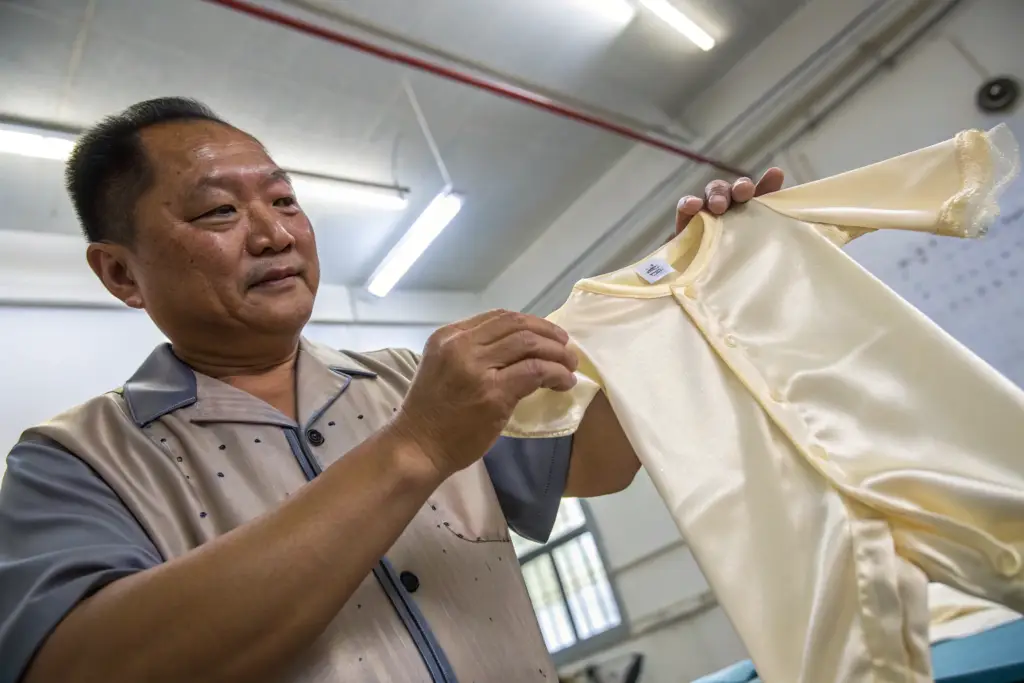
Bamboo fabric is highly breathable. It is even more absorbent than cotton. It wicks moisture away from the skin. For the Boston client, we made a sample romper in bamboo. The fabric was soft and silky. Parents loved it. For baby rompers, bamboo is an excellent choice for hot weather. It feels cool against the skin. However, look for bamboo that is mechanically processed, not chemically processed. Some bamboo is made using harsh chemicals. We use a closed-loop process that recycles chemicals. The breathability of bamboo comes from its fiber structure. The fibers have micro-gaps that allow air to circulate.
Is Bamboo More Breathable Than Cotton?
Bamboo is often more breathable than cotton. It absorbs moisture faster and releases it faster. For a sportswear client, they used bamboo for summer baby rompers. The babies stayed dry.
What Are the Downsides of Bamboo?
Bamboo can be less durable than cotton. It may pill after many washes. It can also be more expensive. For a baby wear client, they blended bamboo with cotton (70% bamboo, 30% cotton). The blend was breathable and durable.
What Are the Best Blends for Breathability and Durability?
No single fabric is perfect. I remember a client from Seattle. They wanted 100% cotton. But the rompers wore out quickly. They wanted bamboo. But the bamboo was too expensive.
Blends combine the best properties. Cotton-modal blends are very popular. Modal is a type of rayon made from beech trees. It is soft, breathable, and strong. For the Seattle client, we used a 50% cotton, 50% modal blend. The rompers were soft, breathable, and durable. For baby rompers, a cotton-modal blend is an excellent choice. It breathes better than 100% cotton. It is softer. It resists shrinking. Bamboo-cotton blends are also good. 70% bamboo, 30% cotton is common. The bamboo provides breathability. The cotton provides structure. Avoid polyester blends for summer rompers. Polyester is not breathable. It traps heat and moisture.
At Shanghai Fumao, we offer all these options. We help clients choose the right blend for their climate and budget.

What Is Modal and How Does It Compare to Cotton?
Modal is a semi-synthetic fiber made from beech trees. It is softer than cotton. It is more breathable. It holds dye better. For a baby wear client, they loved the cotton-modal blend. The rompers felt luxurious.
Why Should You Avoid Polyester for Baby Rompers?
Polyester is a plastic fiber. It does not absorb moisture. It traps heat. Babies can overheat. For a sportswear client, they made a polyester romper. It was cheap. But babies were sweaty. They switched to cotton.
How Do Fabric Weight and Weave Affect Breathability?
Weight and weave matter. I remember a client from Denver. They used a heavy interlock fabric. The rompers were too hot.
For breathability, choose a lightweight fabric and an open weave. For baby rompers, we recommend 150 to 200 GSM. 150 GSM is very lightweight. It is good for summer. 200 GSM is mid-weight. It is good for spring and fall. For the Denver client, we switched to a 160 GSM single jersey. The rompers were much cooler. Avoid double-knit or interlock fabrics for warm weather. They are thicker and less breathable. Also avoid fabrics with a tight weave. A looser weave allows more air to pass through. A jersey knit has a natural openness. It is more breathable than a poplin or twill weave.

What Is the Best GSM for Baby Rompers?
- Summer: 150 to 180 GSM
- Year-round: 180 to 200 GSM
- Winter: 200 to 240 GSM (with a lining)
For a baby wear client, they used 180 GSM for all seasons. It worked well.
What Weave Is Most Breathable?
A single jersey knit is the most breathable. It is the standard for t-shirts and rompers. For a sportswear client, they used a single jersey. The babies were comfortable.
Conclusion
The most breathable fabrics for baby rompers are natural fibers: 100% cotton, organic cotton, bamboo, and cotton-modal blends. Cotton is the gold standard. Organic cotton is best for sensitive skin. Bamboo is highly breathable and silky. Blends offer the best of both worlds. Avoid polyester. Choose lightweight fabric (150 to 200 GSM) and a single jersey knit.
At Shanghai Fumao, we specialize in breathable baby wear. We use combed cotton, organic cotton, and bamboo-modal blends. We test for breathability. We help you choose the right fabric for your climate.
Let us produce your baby rompers. Contact our Business Director, Elaine, directly at elaine@fumaoclothing.com. Ask for our breathable fabric samples. We will keep babies cool and comfortable.