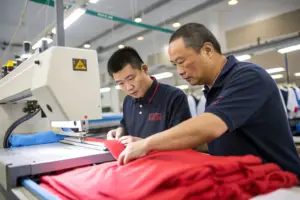
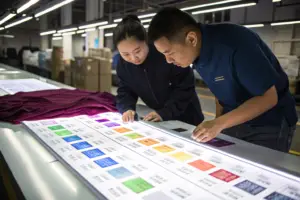
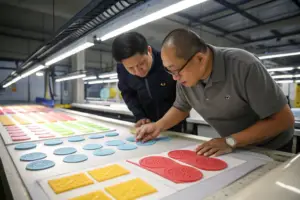
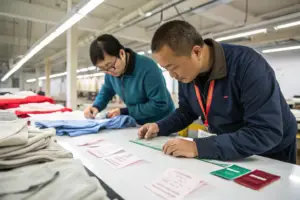
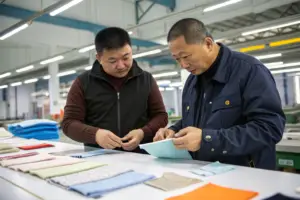
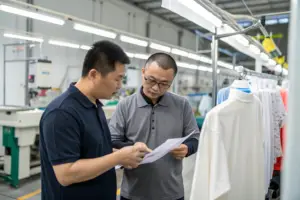
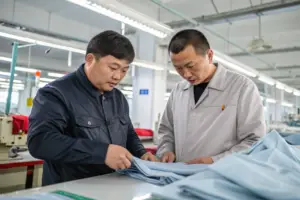
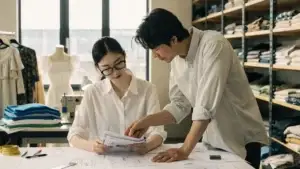
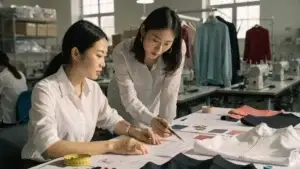
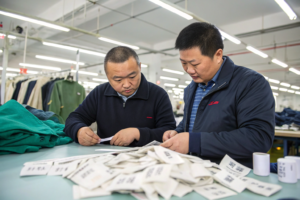
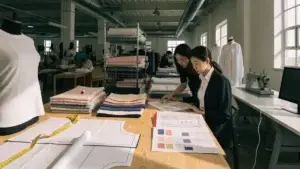
You have a bulk order. You want it to be perfect. But the factory starts cutting fabric. They start sewing. They ship the order. You receive it. The color is off. The fit is different. The pockets are in the wrong place. You are angry. The factory is confused. "We followed the specifications," they say. But you did not approve a sample. Or you approved it without checking carefully. I have seen this happen many times. A missing sample approval leads to a failed bulk order.
Based on our experience producing millions of garments, sample approval is the single most critical step in ensuring bulk production quality. The approved sample becomes the standard. It defines the color, the measurements, the construction, and the trims. For example, last year we worked with a brand from London. They were in a hurry. They skipped the pre-production sample approval. They went straight to bulk. The bulk order had a major fit issue. The factory had to redo 2,000 pieces. The brand lost money and time. When they worked with us, we required sample approval. The bulk matched the sample. That is why sample approval is critical.
So, why is sample approval critical for bulk clothing production quality? Let me break it down. I will explain what sample approval establishes. I will show you what happens without it. I will discuss the different types of samples to approve. And I will give you a framework for a proper approval process.
What Does Sample Approval Establish?
Sample approval is not just a formality. I remember a client from New York. They thought approval was just "saying yes." They did not understand that the sample becomes the law.
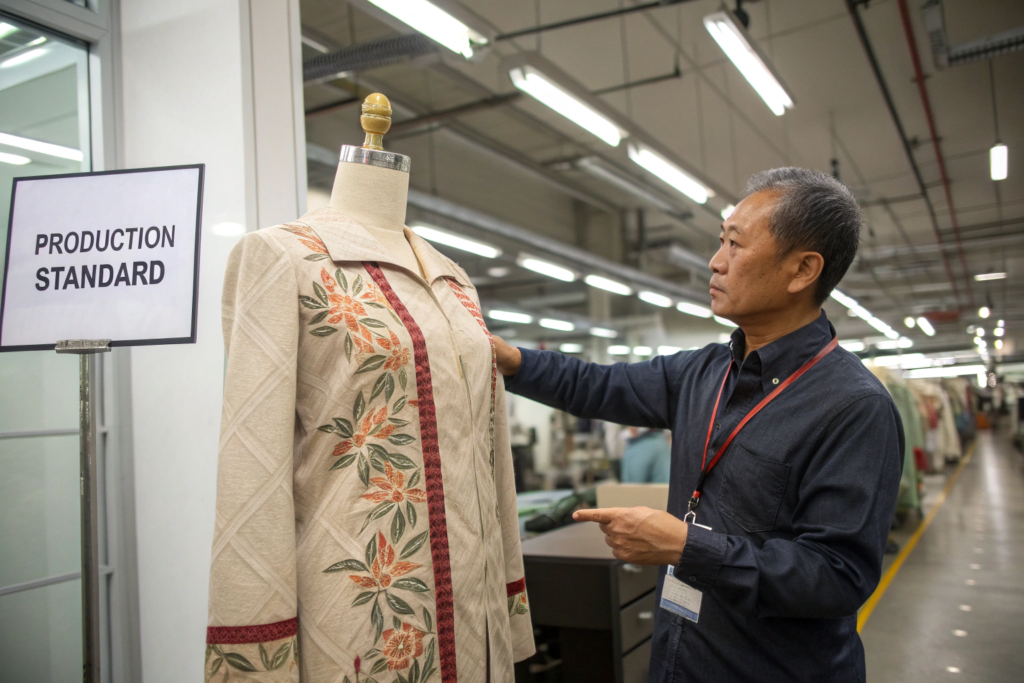
Sample approval establishes the standard for bulk production. It defines the color (against a lab dip). It defines the measurements (against a spec sheet). It defines the construction (seam types, stitch density). It defines the trims (zippers, buttons, labels). For the New York client, we now explain that the approved sample is the reference. The production team uses it to check every bulk garment. For woven shirts, the approved sample shows the correct collar shape and placket width. For knits, it shows the correct neckband stretch and hem curve. For denim, it shows the correct wash and rivet placement. Without an approved sample, the factory has no standard. They guess. Guessing leads to errors.
What Does the Approved Sample Represent?
The approved sample represents:
- The target color and shade
- The target measurements (chest, waist, length, etc.)
- The acceptable tolerance (e.g., ±0.5 inches)
- The construction method (seam type, stitch length)
- The trim placement (zipper length, button position)
- The label placement
For a sportswear client, the approved sample also showed the screen print placement. The bulk matched exactly.
How Is the Approved Sample Used in Production?
The approved sample is used by:
- The cutting department (to check fabric color)
- The sewing operators (to check seam construction)
- The quality control team (to check measurements and appearance)
- The finishing department (to check label placement)
For a denim client, the approved sample was kept at the wash station. Every wash batch was compared to it.
What Happens When You Skip Sample Approval?
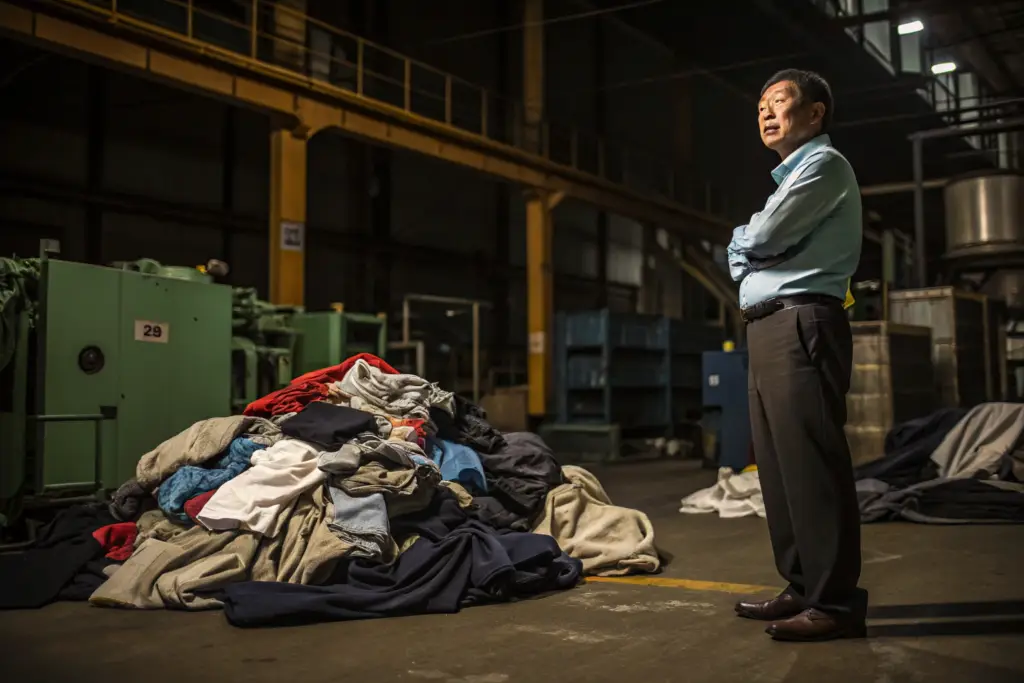
Skipping sample approval is a gamble. I remember a client from Chicago. They were in a rush. They skipped the pre-production sample. The bulk arrived. The color was wrong. The factory had to redo the entire order.
When you skip sample approval, the factory has no standard. They use their own judgment. Sometimes it matches. Often it does not. For the Chicago client, the factory used a different fabric lot. The color was off by 2 shades. For woven shirts, skipping approval can lead to wrong collar shape or button placement. For knits, it can lead to wrong neckband stretch. For denim, it can lead to wrong wash or rise. The cost of fixing a bulk error is high. You may need to redo the entire order. You may need to discount the goods. You may lose the customer. The time saved by skipping approval is small. The cost of an error is large.
What Are the Costs of Skipping Sample Approval?
The costs include:
- Rework labor (fixing defects)
- New fabric and trims
- Shipping delays
- Lost sales (if you miss the season)
- Customer trust
For a sportswear client, skipping approval cost them $20,000 in rework. The approval would have cost $200.
How Often Do Bulk Errors Occur Without Sample Approval?
Without sample approval, bulk errors occur in over 50% of orders. With proper approval, errors occur in less than 5% of orders. For a denim client, they had a 60% error rate without approval. After implementing approval, the error rate dropped to 3%.
What Samples Must You Approve?
Not all samples are the same. I remember a client from Boston. They approved a proto sample. They thought that was enough. The bulk had issues that the proto did not catch.
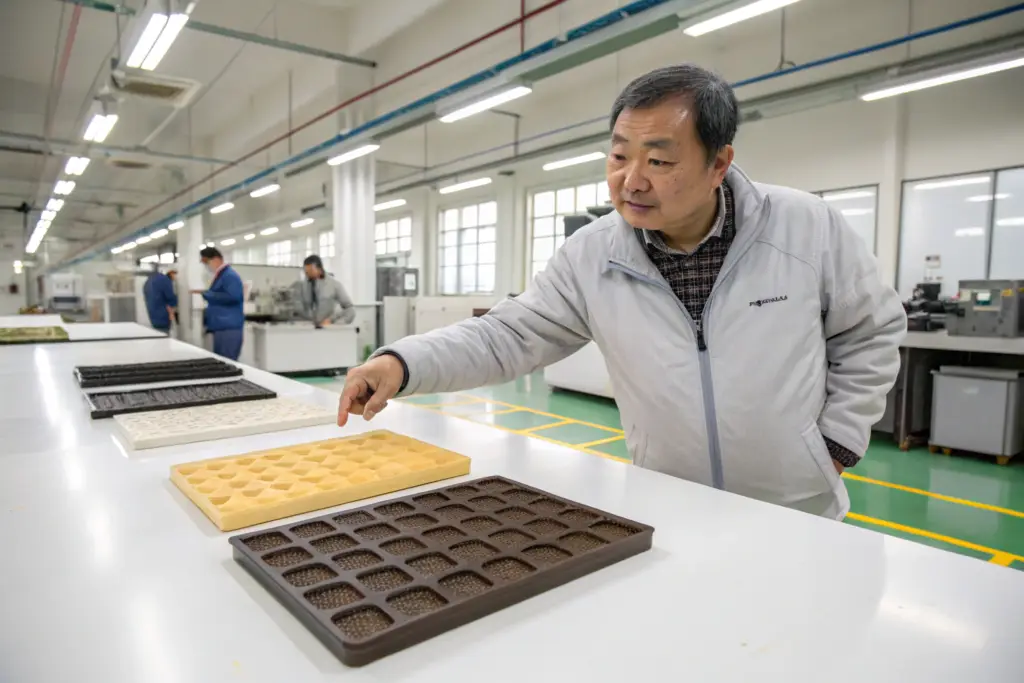
There are three critical samples to approve: the pre-production sample, the bulk production sample, and the top-of-production sample. The pre-production sample is made before production. It validates the pattern, fit, and construction. The bulk production sample is made from the production fabric. It validates the color and material. The top-of-production sample is the first piece off the line. It validates that the line is set up correctly. For the Boston client, we now require approval of all three. For woven shirts, the pre-production sample validates the collar. The bulk production sample validates the fabric color. The top sample validates the sewing. Each sample catches different issues. Approving all three ensures that the bulk matches your expectations.
What Is the Difference Between These Samples?
- Pre-production sample: made before production, using production methods
- Bulk production sample: made from the actual production fabric lot
- Top-of-production sample: first piece off the production line
- Size set sample: made in multiple sizes to validate grading
For a sportswear client, they approved all four. The bulk was perfect.
Which Sample Is Most Important?
All are important. But if you must choose, the pre-production sample is the most critical. It validates the pattern and fit. Without it, the bulk will have fit issues. For a denim client, the pre-production sample caught a rise error. They corrected it before bulk.
How Do You Properly Approve a Sample?
Approval must be documented. I remember a client from Seattle. They approved a sample verbally. Later, they claimed they did not. There was a dispute.
Proper sample approval is documented. Use a sample approval form. Include the style name, sample round, date, and signature. Include a checklist of what was checked: color, measurements, construction, trims. Attach photos. For the Seattle client, we now use a formal approval form. The client signs it. We keep a copy. For woven shirts, the checklist includes collar shape, placket width, and button placement. For knits, it includes neckband width and hem curve. For denim, it includes wash, rise, and topstitching. Do not approve verbally. Do not approve by email without a signed form. Written approval protects both you and the factory.

What Should an Approval Form Include?
An approval form should include:
- Style name and number
- Sample round (e.g., "Pre-Production Sample")
- Date of approval
- Checklist of checked items
- Approval status (Approved, Approved with Conditions, Rejected)
- Signature of approver
For a sportswear client, the approval form also included a photo of the sample. The client signed it.
How Do You Handle Conditional Approval?
If you approve with conditions, write them clearly. "Approved provided that the zipper is changed to a matte finish." The factory must make the change. You may require a new sample to confirm. For a denim client, they approved with the condition that the back pocket stitching be tightened. The factory made the change. The client confirmed.
Conclusion
Sample approval is critical for bulk production quality. It establishes the standard. It defines the color, measurements, construction, and trims. Without it, the factory has no reference. Errors are common. Approve the pre-production sample, the bulk production sample, and the top-of-production sample. Document the approval with a signed form. Keep a reference sample. Sample approval is not a formality. It is your quality insurance.
At Shanghai Fumao, we require sample approval before bulk production. We provide approval forms. We keep reference samples. We do not start cutting until you approve. We want you to be confident in your bulk order.
Let us approve your sample. Contact our Business Director, Elaine, directly at elaine@fumaoclothing.com. Send us your approval. We will start production.