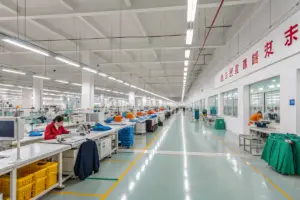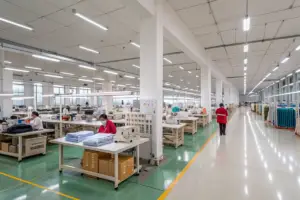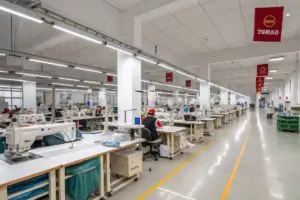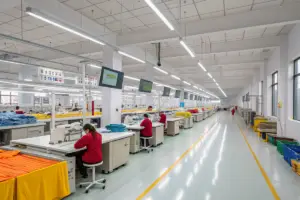
You have approved the sample. You are excited. You wait for the bulk order. The promised delivery date comes. Nothing. You email the factory. "Next week," they say. Next week comes. Nothing. Your launch date slips. You lose sales. I have seen this happen many times. The sample was perfect. The communication was good. But the factory could not deliver on time. Why? Because they did not have a system for production after sample approval. At Shanghai Fumao, we have built such a system.
Based on our experience producing millions of garments, ensuring on-time delivery after sample approval requires a structured production process: material readiness, production scheduling, in-line quality control, and proactive communication. For example, last year we worked with a brand from London. They needed 5,000 units in 6 weeks. We approved the sample on a Monday. We had fabric in stock. We scheduled production immediately. We did in-line quality checks every day. We shipped on the exact date. The brand launched on time. That is how we ensure on-time delivery.
So, how does Fumao Clothing ensure on-time delivery after sample approval? Let me break it down. I will explain our material readiness system. I will discuss our production scheduling. I will cover our in-line quality control. And I will show you how we communicate.
How Does Material Readiness Prevent Delays?
The biggest cause of delays is missing materials. I remember a client from New York. Their factory approved the sample. Then they ordered the fabric. The fabric took 4 weeks. The delivery was late.
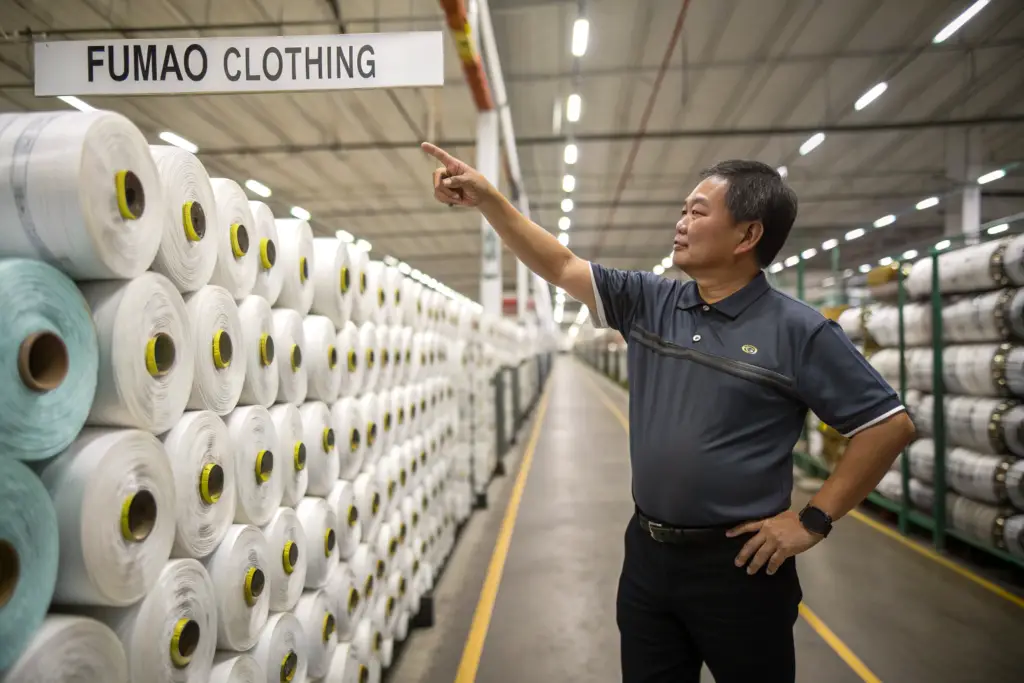
At Shanghai Fumao, we do not wait for sample approval to order materials. For core fabrics, we keep stock. For custom fabrics, we order early. For the New York client, we now have a material readiness checklist. Before sample approval, we check: Is the fabric in stock or on order? Are the trims in stock? Are the labels ready? For woven shirts, we ensure the fabric, buttons, and interfacing are ready. For knits, we ensure the rib and elastic are ready. For denim, we ensure the wash chemicals are ready. When the sample is approved, we are ready to cut. No waiting. This is how we prevent material delays.
What Materials Are Ordered Before Sample Approval?
Before sample approval, we order:
- Production fabric (based on forecast)
- Trims (zippers, buttons, elastic)
- Labels (size, care, brand)
- Thread (matching colors)
- Packaging (poly bags, boxes)
For a sportswear client, we ordered the fabric and zippers before sample approval. The sample passed. We started cutting the next day.
How Do You Manage Fabric Stock?
We manage fabric stock by:
- Tracking inventory levels
- Reordering when stock falls below minimum
- Using a first-in, first-out system
- Storing fabric in a clean, dry area
For a denim client, we keep 2,000 yards of their core denim in stock. They can reorder at any time.
How Does Production Scheduling Ensure On-Time Delivery?
Without a schedule, production is chaos. I remember a client from Chicago. Their factory had no schedule. They worked on whatever order was loudest. The client’s order was always late.
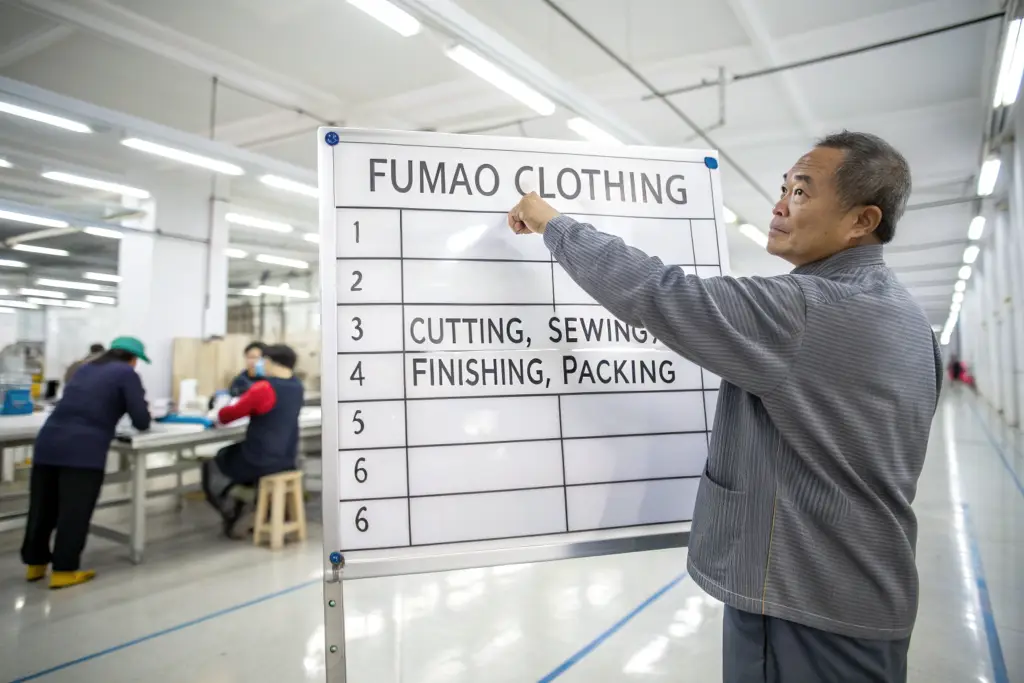
At Shanghai Fumao, we create a production schedule immediately after sample approval. The schedule shows cutting date, sewing start date, finishing date, packing date, and shipping date. For the Chicago client, we now provide a schedule with every order. They know exactly when each stage will happen. For woven shirts, cutting takes 2 days, sewing takes 5 days, finishing takes 2 days. For knits, sewing is faster. For denim, washing adds 3 to 5 days. We allocate time for each stage. We also build in buffer time for unexpected issues. The schedule is shared with the client. They can see the progress.
What Is Included in a Production Schedule?
A production schedule includes:
- Sample approval date
- Fabric cutting date
- Sewing start date
- Finishing date (pressing, trimming)
- Packing date
- Quality control date
- Shipping date
For a sportswear client, the schedule also included screen printing dates. The client could see when their logo would be applied.
How Do You Handle Rush Orders?
For rush orders, we:
- Prioritize the production line
- Allocate additional operators
- Work overtime if needed
- Communicate daily updates
For a denim client, they needed a rush order for a retail promotion. We delivered in 3 weeks instead of 5. The client was happy.
How Does In-Line Quality Control Prevent Rework Delays?
Rework kills timelines. I remember a client from Boston. Their factory produced 5,000 pieces. Then they did quality control. 500 pieces had defects. They had to rework them. The delivery was late.
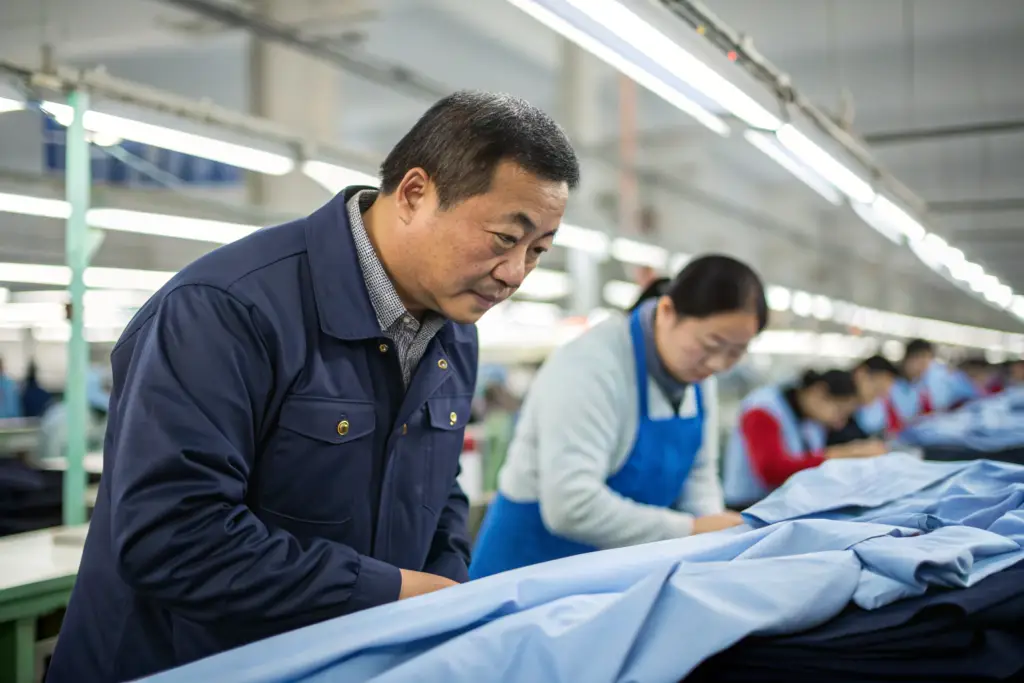
At Shanghai Fumao, we do in-line quality control. We do not wait until the end. We check the first piece off each machine. We check every 50 pieces. For the Boston client, we now catch issues early. If a seam is wrong, we fix it immediately. Only 5 pieces are affected, not 500. For woven shirts, we check the collar and placket on the first 5 pieces. For knits, we check the neckband on the first 10 pieces. For denim, we check the wash on the first batch. In-line quality control prevents rework. No rework means no delays.
What Is Checked During In-Line Quality Control?
During in-line QC, we check:
- First piece from each operator
- Every 50 pieces from each operator
- Critical measurements (waist, chest, inseam)
- Seam construction (stitch type, tension)
- Trim attachment (zippers, buttons, labels)
For a sportswear client, they checked the screen print alignment on the first 20 pieces. All were correct.
How Do You Handle Defects Found In-Line?
When a defect is found:
- Stop the machine
- Identify the cause (tension, operator error, material)
- Correct the issue
- Inspect the last 50 pieces
- Rework only the defective pieces
For a denim client, they found a wash variation on the first batch. They stopped. They adjusted the wash. The next batch was correct.
How Does Proactive Communication Keep You Informed?
Silence is not golden. I remember a client from Seattle. Their factory did not communicate. The client did not know the order was delayed until after the delivery date.
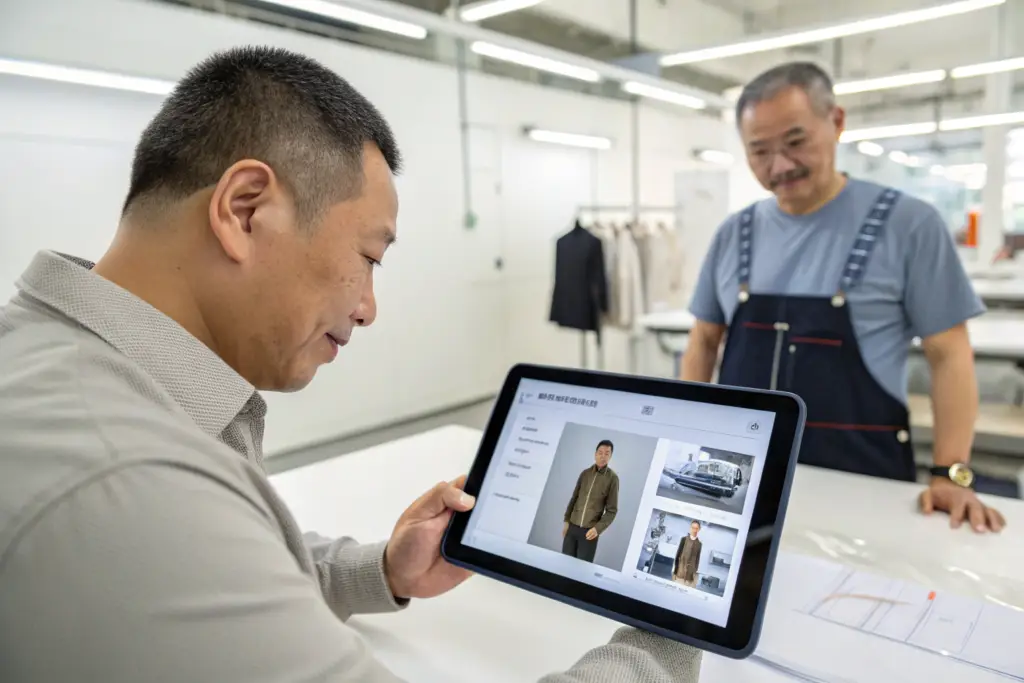
At Shanghai Fumao, we communicate proactively. We send weekly production updates. We share photos. If there is a delay, we tell you immediately. For the Seattle client, we now have a weekly update system. Every Friday, the client receives an email. It says: Cutting is complete. Sewing is 50% done. Finishing will start Monday. We are on track for shipping on the 15th. For woven shirts, we share photos of the cut fabric and the sewn samples. For knits, we share photos of the neckband attachment. For denim, we share photos of the wash batches. Proactive communication builds trust. You never have to wonder where your order is.
What Is Included in a Production Update?
A production update includes:
- Current stage (cutting, sewing, finishing, packing)
- Percentage complete
- Photos of the work in progress
- Any issues or delays
- Expected shipping date
For a sportswear client, the update included a photo of the screen print. The client approved it without waiting for a sample.
How Do You Handle Delays?
If there is a delay, we:
- Tell the client immediately (same day)
- Explain the cause (fabric delay, machine breakdown, etc.)
- Provide a new shipping date
- Offer solutions (air freight, split shipment)
For a denim client, a wash batch failed. We told the client the same day. We provided a new date. The client appreciated the honesty.
Conclusion
Ensuring on-time delivery after sample approval requires a system. At Shanghai Fumao, we have that system. We ensure materials are ready before sample approval. We create a production schedule. We do in-line quality control to prevent rework. We communicate proactively. We deliver on time.
Let us show you how we deliver. Contact our Business Director, Elaine, directly at elaine@fumaoclothing.com. Place your order. We will send you a production schedule. You will never have to wonder where your order is.