I have seen it happen too many times. A brand owner designs a beautiful collection. They invest in marketing. They launch with excitement. Then their shipment gets held at customs. The reason is not quality. It is not price. It is the labels. The care label has the wrong fiber content. The country of origin is missing. The RN number is not there. The shipment sits at the port for weeks. The brand misses the selling season. They lose money.
I remember a client from Boston. She had a beautiful line of children’s clothing. The garments were perfect. But she did not know about the strict labeling requirements for children’s sleepwear. Her labels did not have the required flammability warnings. Customs held her shipment for 45 days. She missed the back-to-school season. She lost over $30,000.
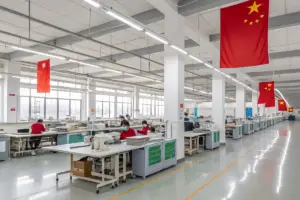
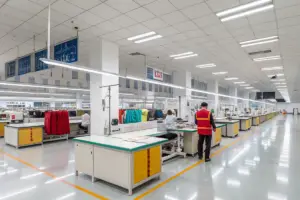
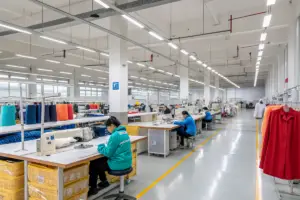
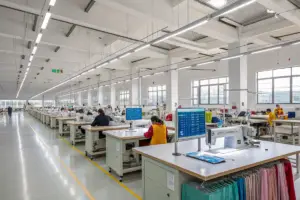
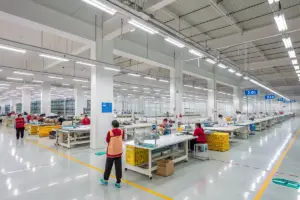
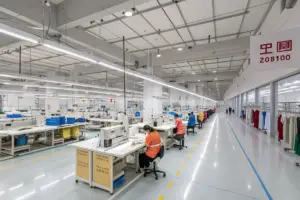
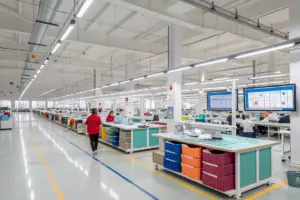
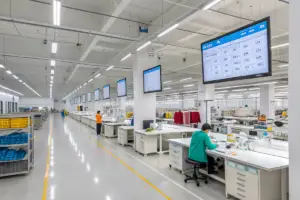
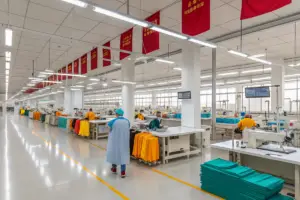
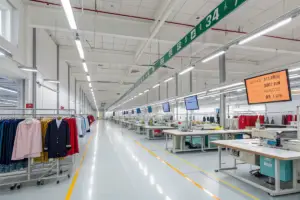
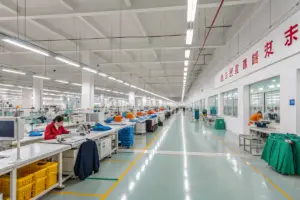
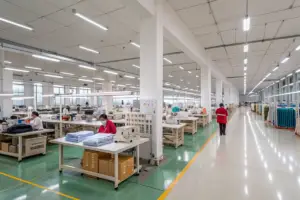
As the owner of Shanghai Fumao, a Chinese apparel manufacturer with five production lines, I have helped hundreds of U.S. brands navigate labeling requirements. I have learned that labels are not just a detail. They are a legal requirement. They are a compliance issue. They are a brand protection tool.
Ensuring your custom clothing tags meet international legal standards requires understanding the requirements of your target market, working with a factory that knows these requirements, and implementing a verification process. In the United States, the Federal Trade Commission (FTC) sets the rules. In Europe, the requirements are different. In Canada, they are different again. You must get it right for your market.
In this article, I will break down the international legal standards for clothing tags. I will focus on the U.S. market, which is where most of my clients sell. I will explain what information must be on each label. I will show you how to verify compliance. I will share real examples from my clients.
What are the mandatory label requirements in the United States?
In the United States, clothing labels are regulated by the Federal Trade Commission (FTC). There are three main laws that apply to most apparel. The Textile Fiber Products Identification Act, the Wool Products Labeling Act, and the Care Labeling Rule.

What information must be on a U.S. clothing label?
Every garment sold in the United States must have specific information on its labels. This information can be spread across multiple labels, but it must all be present.
| Required Information | Where It Must Appear | Legal Basis |
|---|---|---|
| Fiber content | On a label attached to the garment | Textile Fiber Products Identification Act |
| Country of origin | On a label attached to the garment | Textile Fiber Products Identification Act |
| Care instructions | On a label attached to the garment | Care Labeling Rule |
| Manufacturer or RN number | On a label attached to the garment | Textile Fiber Products Identification Act |
| Size | On the garment or a label | Industry practice (not strictly required by FTC but expected) |
A client from Chicago learned this the hard way. His garments had beautiful brand labels. But they did not have the fiber content listed. Customs held his shipment. He had to pay for relabeling. The cost was significant. He told me he wished he had known the requirements earlier.
What is the RN number and why do you need it?
The RN number stands for Registered Identification Number. It is issued by the FTC. It allows you to identify your company on labels without using your full business name.
If you are a U.S.-based brand, you can apply for an RN number for free. The number is unique to your business. You put it on your labels instead of your full company name. This saves space on the label. It also provides some privacy.
| Label Option | What to Display |
|---|---|
| With RN number | "RN 12345" |
| Without RN number | Full business name and address |
A client from Seattle applied for her RN number before her first production run. It took about two weeks to receive. She put "RN 12345" on her care labels. She told me it looked professional and saved space on the small label.
What are the specific fiber content rules?
The fiber content must be listed in descending order by weight. You cannot use generic terms like "cotton blend." You must list the exact percentages.
| Correct | Incorrect |
|---|---|
| "100% Cotton" | "Cotton" |
| "80% Cotton, 20% Polyester" | "Cotton-Polyester Blend" |
| "95% Cotton, 5% Spandex" | "Cotton with Spandex" |
The fiber content must be in English. It must be on a label that is permanently attached to the garment. It must be accessible to the customer at the point of purchase.
I had a client from Texas who wanted to use the term "Eco-Cotton" on his labels. I explained that he needed to list the actual fiber content. "Eco-Cotton" is not a recognized fiber name. He listed "100% Cotton" with a separate tag explaining the organic sourcing. This was compliant.
How to create compliant care labels for the U.S. market?
The Care Labeling Rule requires that garments have care instructions that are accurate and reliable. The instructions must be based on testing. You cannot guess. You cannot copy from another garment.
What care instructions must you include?
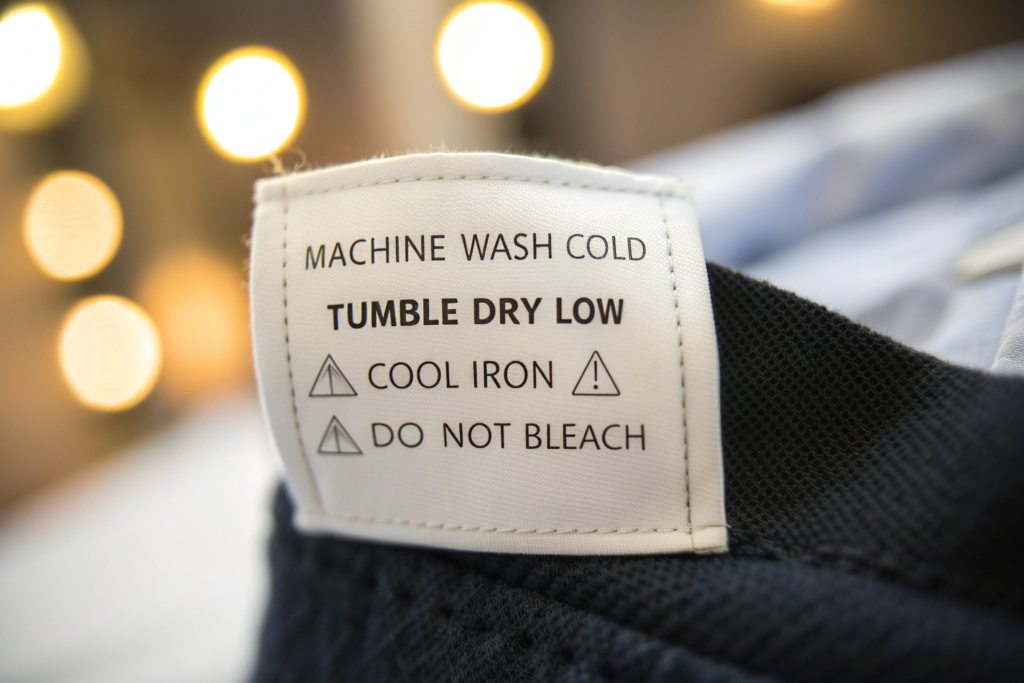
The care label must provide instructions for washing, drying, and any special care. The instructions must be in English. They can include symbols, but symbols alone are not sufficient. You must also have text.
| Care Component | What to Include | Example |
|---|---|---|
| Washing | Water temperature, machine or hand wash | "Machine Wash Cold" |
| Bleaching | Whether bleach can be used | "Do Not Bleach" or "Non-Chlorine Bleach Only" |
| Drying | Drying method and temperature | "Tumble Dry Low" or "Line Dry" |
| Ironing | Iron temperature and method | "Cool Iron" or "Do Not Iron" |
| Dry Cleaning | If dry cleaning is recommended | "Dry Clean" or "Do Not Dry Clean" |
At Shanghai Fumao, we test every fabric for shrinkage and colorfastness before we write care instructions. We wash samples according to different methods. We determine the safest instructions. We then create the care labels based on actual test results.
A client from Los Angeles had a fabric that shrank significantly in warm water. We tested it. We found that cold water washing prevented shrinkage. We put "Machine Wash Cold" on the care label. The client’s customers followed the instructions. No shrinkage complaints. The client was happy.
What are the special rules for children’s sleepwear?
Children’s sleepwear has additional requirements. The Consumer Product Safety Commission (CPSC) has strict rules for flammability. The care label must include specific warnings.
| Garment Type | Additional Label Requirement |
|---|---|
| Children’s sleepwear (sizes 0-14) | Must be flame resistant or snug-fitting. Label must state "Flame Resistant" or "For Child’s Safety, Garment Should Fit Snugly." |
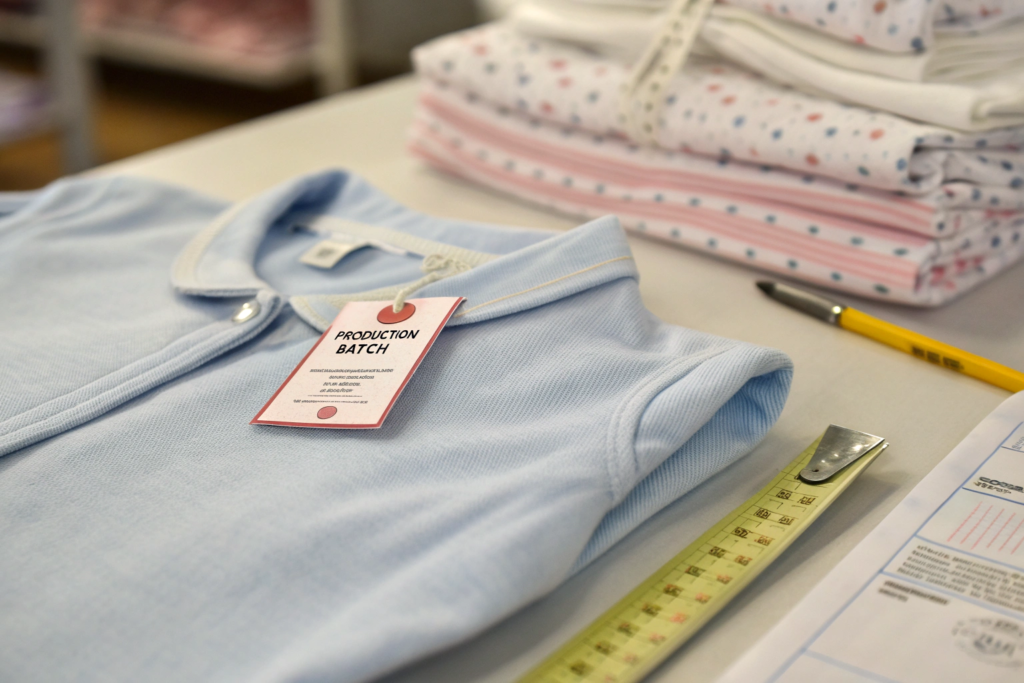
| All children’s products | Must have tracking labels with date of production and batch information. |
A client from New York was producing children’s pajamas. She did not know about the snug-fit requirement. Her pajamas were loose-fitting. They were not flame resistant. Customs held the shipment. She had to add a warning label and change the design. The delay cost her.
When she came to us for her next collection, we explained the requirements. We made sure her pajamas were either flame resistant or snug-fitting. We added the required warning labels. Her shipment cleared customs without issues.
How do labeling requirements differ for international markets?
If you sell in multiple countries, you need to meet multiple requirements. The U.S. rules are different from European rules. Canadian rules are different again.
What are the European Union labeling requirements?
The EU has its own labeling regulations. The key differences from the U.S. are:
| Requirement | U.S. | European Union |
|---|---|---|
| Language | English only | Must be in the language of the country where sold. Often multiple languages. |
| Fiber content | Listed in descending order | Listed in descending order, but must use standard EU fiber names. |
| Care symbols | Text required with optional symbols | Symbols are standard. Text may be optional if symbols are used. |
| Size | No standard system | Standard EU sizing system often required. |
| Country of origin | Required | Required. "Made in China" must be clearly stated. |
A client from Chicago wanted to sell in both the U.S. and the UK. We created dual labels. One side had U.S. requirements in English. The other side had EU requirements in English, French, and German. The garment was compliant in both markets.
What are the Canadian labeling requirements?
Canada has its own rules. The key difference is the language requirement.
| Requirement | Canada |
|---|---|
| Language | Must be in both English and French |
| Fiber content | Must be listed in descending order |
| Care instructions | Must be in both English and French |
| Country of origin | Required |
A client from Seattle was expanding into Canada. We created bilingual labels with English and French. We used the standard Canadian care symbols. Her garments cleared Canadian customs without issues.
How can a factory help you with labeling compliance?
Your factory is your partner in compliance. A good factory knows the labeling requirements. They can help you design compliant labels. They can verify that the labels are attached correctly. They can catch errors before the goods ship.
What labeling services should you expect from your factory?
| Service | What the Factory Should Do |
|---|---|
| Label design guidance | Advise on label placement, size, and attachment method |
| Label sourcing | Source woven labels, printed labels, and hang tags |
| Label verification | Check that labels match the tech pack specifications |
| Compliance checking | Verify fiber content, care instructions, and country of origin |
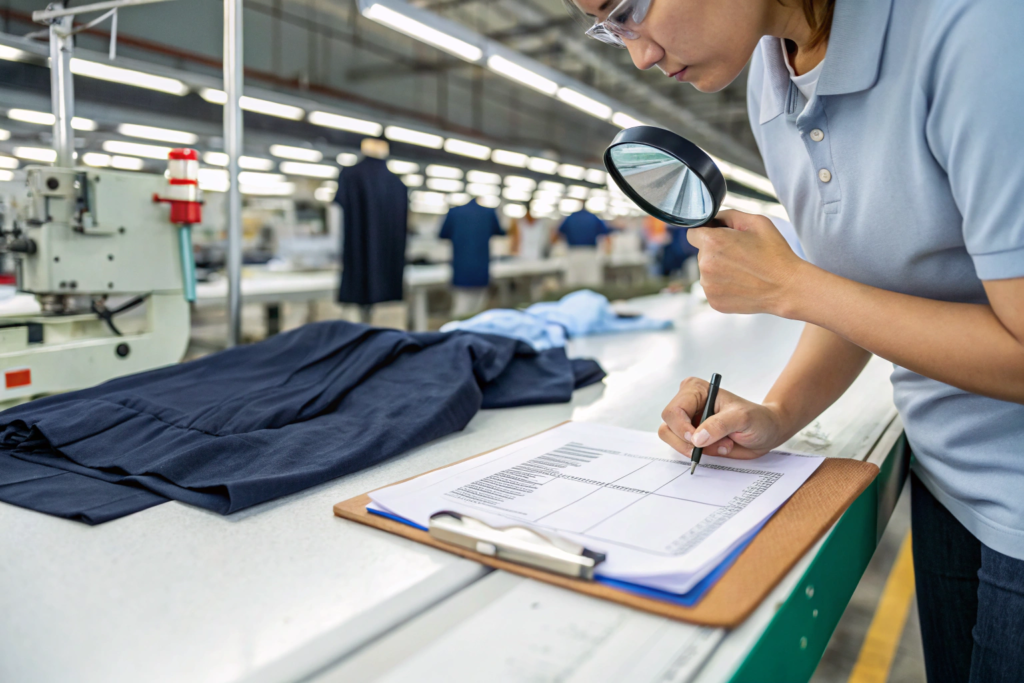
| Inspection | Check labels during final inspection for accuracy and placement |
At Shanghai Fumao, we offer full labeling services. We source woven brand labels, printed care labels, and hang tags. We verify that every label matches the client’s specifications. We check that the care instructions are based on actual fabric testing. We catch errors before the goods ship.
A client from Texas sent us his label artwork. We noticed that the fiber content on the label did not match the fabric we were using. He had copied the label from a previous collection. We alerted him. He corrected the label. The shipment was compliant. He avoided a customs issue.
How do you verify that labels are correct before shipment?
Verification is essential. Do not assume the factory got it right. Check.
| Verification Step | What to Do |
|---|---|
| Label approval | Approve a physical label sample before bulk production |
| First article inspection | Check labels on the first finished garment |
| Final inspection | Have the factory include label checks in the final inspection report |
| Third-party inspection | If possible, have a third-party inspector verify labels |
A client from Denver required third-party inspection for every order. The inspector checked every label against the tech pack. They caught a misspelling on the care label. The factory corrected it before packing. The client avoided a costly mistake.
What are the consequences of non-compliant labeling?
Non-compliant labeling is not a small issue. It can have serious consequences for your business.

What happens when customs finds non-compliant labels?
When U.S. Customs and Border Protection (CBP) finds labeling violations, they can:
| Consequence | Impact |
|---|---|
| Held shipment | Goods are detained at the port. Storage fees accrue. |
| Fines and penalties | CBP can issue fines for labeling violations. |
| Relabeling requirement | You may need to relabel the goods at your own expense. |
| Refusal of entry | In severe cases, the goods may be refused entry and must be exported or destroyed. |
| Increased scrutiny | Future shipments may be subject to enhanced examination. |
A client from Florida had a shipment held because the country of origin was missing. The goods sat at the port for three weeks. Storage fees were $2,500. He had to hire a customs broker to file a correction. The total cost was over $5,000. He missed his launch date.
What are the civil penalties for labeling violations?
The FTC can impose civil penalties for labeling violations. The penalties can be significant.
| Violation | Potential Penalty |
|---|---|
| Missing fiber content | Up to $16,000 per violation |
| Incorrect fiber content | Up to $16,000 per violation |
| Missing country of origin | Up to $16,000 per violation |
| Missing care instructions | Up to $16,000 per violation |
These penalties are per violation. If you have a shipment of 1,000 garments, each missing the fiber content label, that could be 1,000 violations. The potential liability is enormous.
A client from New York was audited by the FTC. The agency found that several of his garments had incorrect fiber content labels. He had to pay a settlement. He also had to correct the labels on all existing inventory. The cost was substantial.
How to create a labeling compliance checklist for your brand?
The best way to ensure compliance is to have a system. Create a labeling checklist. Use it for every style, every order.
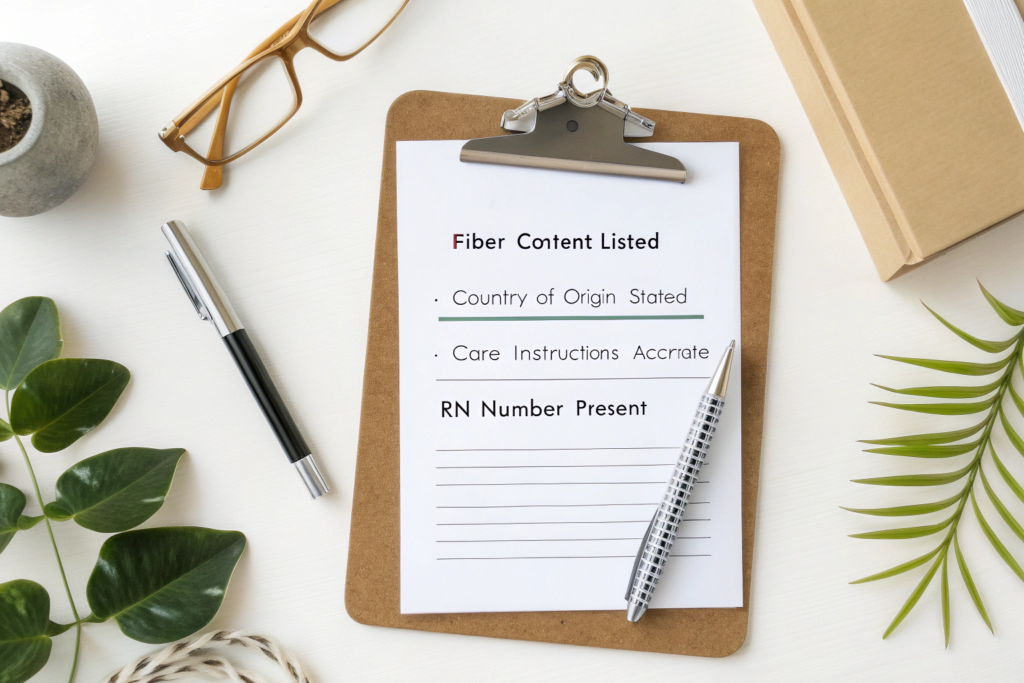
What should your labeling compliance checklist include?
| Checklist Item | Details to Verify |
|---|---|
| Brand label | Correct spelling, correct placement, securely attached |
| Size label | Correct size, matches garment measurements |
| Fiber content label | Correct percentages, in descending order, uses standard fiber names |
| Country of origin | "Made in China" or correct origin, clearly visible |
| RN number or manufacturer name | Correct RN number or full business name and address |
| Care label | Instructions based on fabric testing, accurate symbols, in English |
| Special requirements | Children’s sleepwear warnings, flammable fabric warnings, etc. |
| Hang tags | Price, barcode, marketing information, additional compliance info |
| Tracking labels (children’s products) | Date of production, batch number, manufacturer information |
At Shanghai Fumao, we use this checklist for every order. We verify every label before the goods are packed. We provide our clients with a labeling verification report. They have peace of mind.
A client from Los Angeles adopted our checklist for her own use. She reviews it before approving samples. She uses it during her own quality checks. She told me it has saved her from multiple potential issues.
Conclusion
Labeling compliance is not optional. It is a legal requirement. In the United States, the FTC mandates specific information on every garment: fiber content, country of origin, care instructions, and manufacturer or RN number. Children’s products have additional requirements. International markets have their own rules.
Non-compliance can lead to held shipments, fines, and delays. It can damage your brand’s reputation. It can cost you significant money.
Your factory is your partner in compliance. A good factory knows the requirements. They can help you design compliant labels. They can verify that labels are correct before shipment. They can catch errors before they become problems.
At Shanghai Fumao, we take labeling compliance seriously. We have a dedicated team that verifies every label. We test fabrics to determine accurate care instructions. We stay current with FTC regulations. We help our clients avoid compliance issues.
If you are preparing a new collection, I invite you to work with us. Let us review your labeling requirements together. Let us ensure your garments meet all legal standards before they ship.
Please contact our Business Director, Elaine, to discuss your labeling needs. You can reach her at elaine@fumaoclothing.com. She can help you create compliant labels that protect your brand and ensure smooth customs clearance.