I have seen many new apparel importers make the same mistake. They find a factory. They agree on a price. They think the deal is done. Then the container arrives at the U.S. port. Suddenly, there are new fees. There is paperwork they do not understand. There are delays. Their goods sit at the port for weeks. They miss their sales window. They lose money.
I remember one client from Texas. He was excited about his first import order. He had found a factory with good prices. He paid for the goods. He arranged his own shipping. He thought everything was fine. Then the container arrived. He got a bill for customs duties, port fees, and storage charges. He did not know he needed a customs broker. He did not know he had to file an ISF. His goods were held for three weeks. He missed the back-to-school season. He lost $25,000 on his first order.
This story is not unusual. New importers often underestimate the complexity of international logistics. They focus on finding a factory and negotiating a price. They forget about everything that happens after the goods leave the factory door.
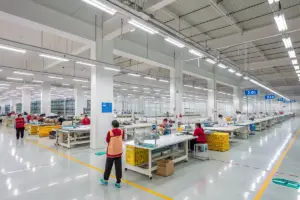
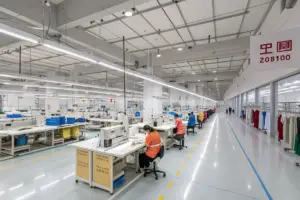
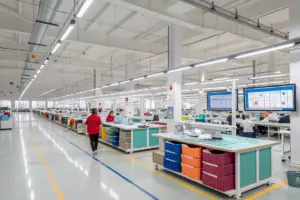
As the owner of Shanghai Fumao, a Chinese apparel manufacturer with five production lines, I have guided hundreds of new importers through their first orders. I have learned that the DDP trade term is the safest option for new importers. DDP stands for Delivered Duty Paid. Under DDP, the factory takes full responsibility. We manage the shipping. We pay the freight. We handle the customs clearance. We pay the duties. We deliver the goods to your door. All you do is place the order and wait for it to arrive.
In this article, I will explain why DDP is the safest choice. I will break down the risks of other trade terms. I will show you what DDP covers. I will give you real examples from my clients. By the end, you will understand why DDP is the best way to protect your first import investment.
New importers often start with trade terms like EXW or FOB. These terms seem simple. They seem cheaper. But they carry hidden risks. These risks can turn a profitable order into a loss.
Let me explain the most common trade terms and why they are risky for new importers.
EXW means Ex Works. Under EXW, the factory’s responsibility ends when the goods are ready at their door. You are responsible for everything after that. You need to arrange pickup, export clearance, ocean freight, import clearance, and final delivery.
FOB means Free on Board. Under FOB, the factory is responsible until the goods are loaded on the vessel at the port of origin. After that, everything is your responsibility.
Here is a comparison of what you are responsible for under each term:
| Responsibility | EXW | FOB | DDP |
|---|---|---|---|
| Factory pickup | You | Factory | Factory |
| Export customs clearance | You | Factory | Factory |
| Origin trucking | You | Factory | Factory |
| Ocean freight booking | You | You | Factory |
| Ocean freight cost | You | You | Factory |
| Marine insurance | You | You | Factory |
| Import customs clearance | You | You | Factory |
| Customs duties and taxes | You | You | Factory |
| ISF filing (USA) | You | You | Factory |
| Destination trucking | You | You | Factory |
| Delivery to your door | You | You | Factory |
The problem for new importers is that each of these steps requires expertise. You need to know how to book freight. You need to know how to file ISF. You need to know how to classify your goods with the correct HTS code. You need to know how to pay duties. One mistake can cause delays and extra costs.
I had a client from Florida who used FOB for his first order. He thought he was saving money. He found a freight forwarder online. The forwarder gave him a low quote. But when the goods arrived, there were extra fees. There was a chassis fee. There was a container inspection fee. There was a customs exam fee. The forwarder did not tell him about these. His final cost was 25% higher than the quote. He told me he wished he had used DDP.
Why do new importers struggle with U.S. customs regulations?
U.S. customs regulations are complex. They are not forgiving. A small error can hold your container for weeks.
Here are some of the requirements new importers often miss:
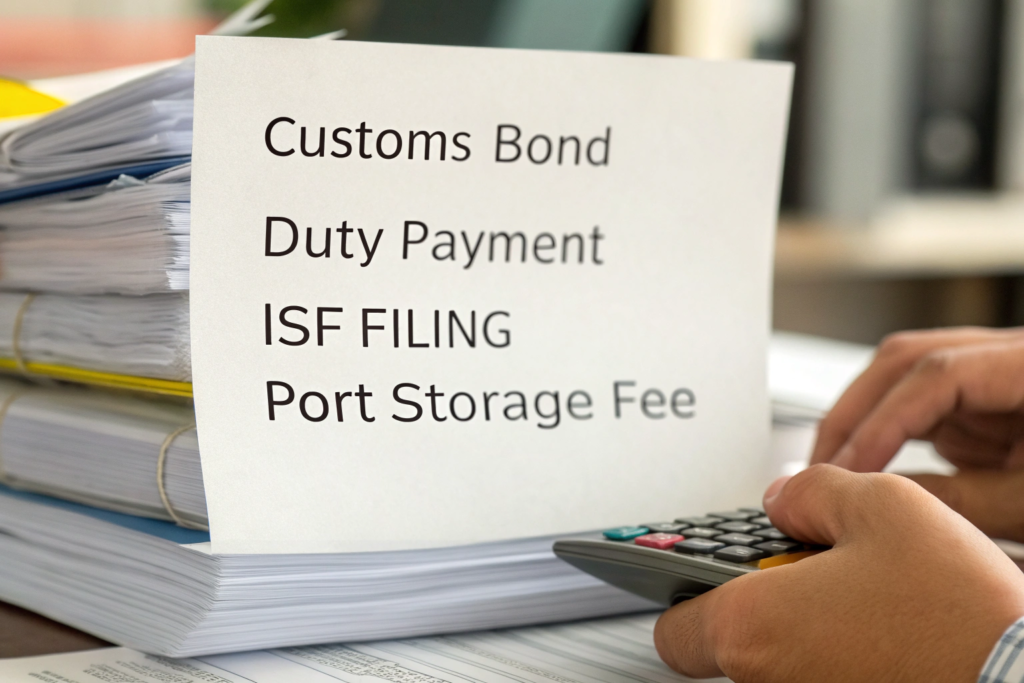
- ISF Filing: The Importer Security Filing must be submitted at least 24 hours before the vessel loads at the origin port. If this is late, the carrier can issue a penalty of $5,000 or more.
- Customs Bond: Every importer needs a customs bond. This is a type of insurance that guarantees payment of duties. Without a bond, your goods will not be released.
- HTS Classification: Every product needs a Harmonized Tariff Schedule code. The wrong code can lead to the wrong duty rate. It can also trigger an audit.
- Fiber Content and Care Labels: U.S. law requires specific labeling for apparel. The fiber content must be accurate. The care instructions must follow FTC rules. The country of origin must be stated correctly.
- FDA Requirements: If your apparel is for children, there may be additional requirements. If your apparel has certain finishes, there may be restrictions.
I remember a client from New York who imported a line of children’s pajamas. He used FOB. He did not know that children’s sleepwear has strict flammability requirements. His goods were held at customs. He had to pay for testing. He had to wait for clearance. His selling season was almost over by the time his goods were released.
If he had used DDP, we would have handled all of this. We know the regulations. We have a customs broker who specializes in apparel. We would have ensured the labels were correct. We would have filed the ISF on time. His goods would have arrived without issues.
What exactly does DDP cover for apparel imports?
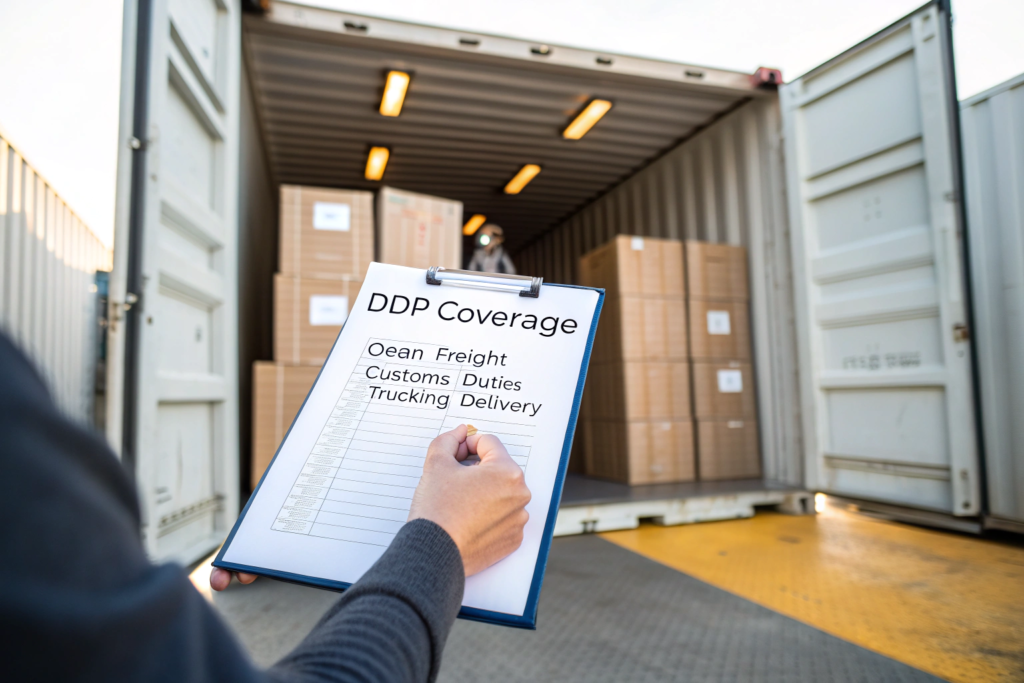
DDP is a complete service. It covers every step from the factory door to your door. When you receive a DDP quote from us, that is the final price. There are no surprises. There are no hidden fees.
Let me break down exactly what DDP covers for an apparel import.
What costs are included in a DDP price?
When we provide a DDP quote, we calculate all the costs and include them in the per-unit price. Here is what we include:
| Cost Component | What It Covers |
|---|---|
| Ex-factory cost | The cost of manufacturing the garments, including materials, labor, and factory overhead. |
| Export logistics | Trucking from our factory to the port of origin. Export customs clearance. Loading onto the vessel. |
| Ocean freight | The cost of shipping the container from China to the U.S. port. We have long-term contracts with shipping lines, so we get competitive rates. |
| Marine insurance | Insurance to cover the value of the goods during transit. If something happens to the container, you are protected. |
| U.S. customs clearance | ISF filing. Customs bond. Customs broker fees. HTS classification. Entry filing. |
| Customs duties and taxes | The actual duty rate based on the HTS code. We calculate this accurately based on your product category. |
| Destination trucking | Trucking from the U.S. port to your warehouse or fulfillment center. |
| Delivery | Final delivery to your specified address. |
The beauty of DDP is that you do not need to manage any of these steps. You do not need to find a freight forwarder. You do not need to apply for a customs bond. You do not need to calculate duty rates. You do not need to worry about ISF deadlines. We handle it all.
A client from Colorado told me he chose DDP for his first order because he wanted simplicity. He said, "I run a clothing brand. I am not a logistics expert. I do not want to learn about customs bonds and ISF filings. I just want my products to arrive." That is exactly what DDP provides.
How does DDP protect against unexpected fees?
Unexpected fees are a major risk in international shipping. They can come from many sources. A container gets held at the port. There is a storage fee. A customs exam is required. There is an exam fee. The trucking company adds a fuel surcharge. The list goes on.
Under DDP, we absorb these costs. Our price is fixed. If there is a delay at the port, we manage it. If a customs exam is required, we pay for it. If there is a fuel surcharge, we cover it. You do not see these fees.
I had a client from Seattle who used FOB for his first order. His container was selected for a random customs exam. The exam cost $1,200. He did not know this could happen. He was not prepared. He had to pay it out of pocket. It ate into his profit margin.
When he placed his second order with us, he used DDP. He did not have to worry about exams. He did not have to worry about fees. He received his goods without any surprises. He told me the peace of mind was worth more than any potential savings from FOB.
How does DDP simplify the logistics process for new importers?
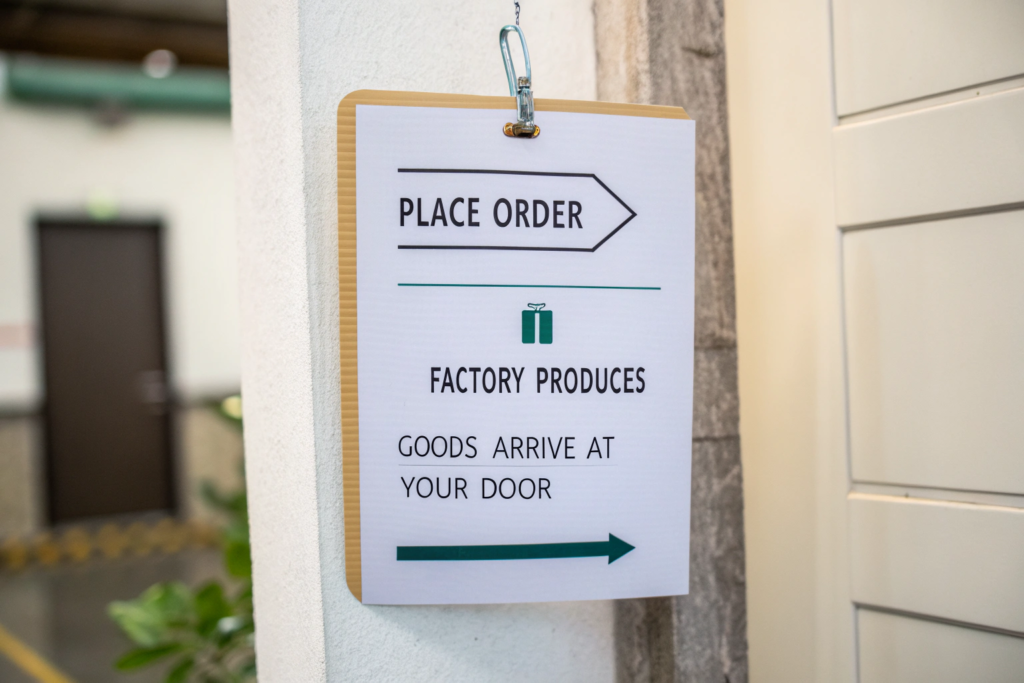
Logistics is complex. There are many moving parts. For a new importer, managing all these parts is overwhelming. DDP simplifies the entire process into three simple steps.
What is the step-by-step process under DDP?
Let me walk you through how a DDP order works with Shanghai Fumao.
Step 1: You place your order.
You send us your tech pack. We confirm the specifications. We provide a DDP quote with a clear per-unit price. You approve the quote. You pay the deposit. The process begins.
Step 2: We produce your goods.
We source the materials. We make the samples. You approve the samples. We start production. Our quality control team inspects the goods throughout the process. We complete the final inspection. The goods are packed and ready.
Step 3: We handle everything until delivery.
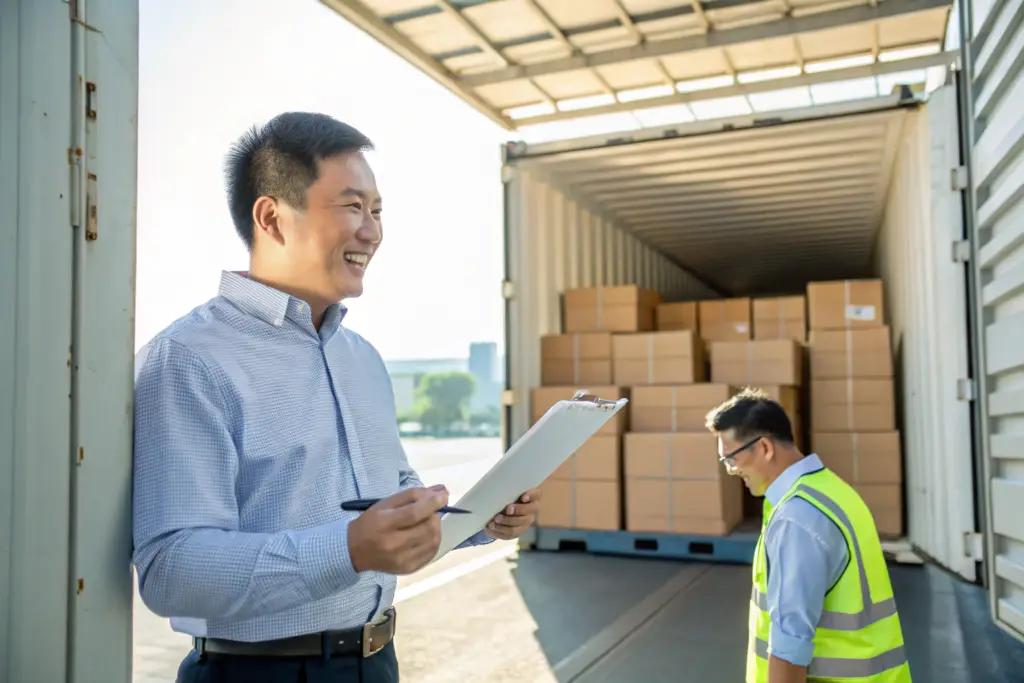
We book the ocean freight. We handle export customs. We file the ISF. We pay the duties. We arrange trucking. The goods arrive at your door. You receive a single invoice for the balance. That is it.
There is no step where you need to coordinate with a freight forwarder. There is no step where you need to calculate duty payments. There is no step where you need to worry about customs clearance. We handle it all.
A client from Atlanta told me that the simplicity of DDP was the main reason she chose to work with us. She said, "I was nervous about my first import order. I had read horror stories about containers being stuck at ports. When you explained DDP, I realized I did not have to worry. I just had to approve the samples and wait for the delivery. That is exactly what happened. The goods arrived on time, and I did not have to do anything."
How does DDP provide cost predictability?
Cost predictability is critical for new importers. You have a budget. You have a pricing model. You need to know your landed cost before you set your retail price.
Under FOB or EXW, your landed cost is uncertain. You have the factory cost. But you do not know the freight cost until you book it. You do not know the duty rate until you classify the goods. You do not know the port fees until the container arrives. This uncertainty makes it hard to plan.
Under DDP, your landed cost is known from the start. The DDP price is your total cost per unit. You can calculate your margins accurately. You can set your retail price with confidence.
I had a client from Chicago who was launching a new brand. He had a tight budget. He needed to know his exact costs to price his products competitively. We gave him a DDP quote. He calculated his margins. He set his prices. He launched his brand. His first order sold out. He told me that the cost predictability of DDP gave him the confidence to invest in his new business.
How can new importers verify that their DDP partner is reliable?
DDP is safe when you work with a reliable partner. But not all factories offer true DDP. Some factories claim to offer DDP but do not have the capabilities. They may use unreliable forwarders. They may not have a U.S. customs broker. They may not pay the duties correctly.
You need to verify that your DDP partner is reliable. Here is how.

What questions should you ask before agreeing to DDP?
Before you commit to a DDP order, ask these questions. The answers will tell you if the factory is a true DDP partner.
| Question | What a Reliable Partner Will Answer |
|---|---|
| Do you have a dedicated U.S. customs broker? | Yes, we work with a licensed customs broker who handles all our U.S. entries. |
| How do you calculate duty rates? | We classify your products using the correct HTS code. We can show you the duty rate before production. |
| What shipping lines do you use? | We work with major carriers like Maersk, MSC, or COSCO. We have long-term contracts. |
| What happens if there is a customs exam? | We handle it. The cost is included in our DDP price. |
| Can you provide a landed cost breakdown? | Yes, we can show you the components of the DDP price, including freight, duties, and fees. |
| What is your experience with DDP to the U.S.? | We have shipped hundreds of DDP orders to the U.S. We know the regulations. |
At Shanghai Fumao, we answer all these questions clearly. We have a dedicated U.S. customs broker. We have long-term contracts with major shipping lines. We have years of experience shipping DDP to the U.S. We are transparent about our process.
A client from Boston told me he interviewed three factories before choosing us. He asked each one the questions above. Only we gave him clear, specific answers. The other factories were vague. One said "we can do DDP" but could not explain how. He chose us because we demonstrated expertise.
How can you track your shipment under DDP?
Just because DDP is simple does not mean you are in the dark. A reliable DDP partner will keep you informed throughout the process.
At Shanghai Fumao, we provide regular updates. We share the container number and vessel name. We provide the bill of lading. We give you the estimated arrival date. We update you if anything changes. You can track your container online using the carrier’s tracking system.
I had a client from Los Angeles who appreciated this transparency. He said, "I know I am not managing the logistics. But I still want to know where my goods are. You gave me the container number. I tracked it myself. I saw when it left Shanghai. I saw when it arrived in Long Beach. I saw when it cleared customs. I knew exactly when to expect delivery. That transparency gave me confidence."
Conclusion
New apparel importers face many risks. The logistics process is complex. Customs regulations are strict. Unexpected fees can appear at any time. One mistake can delay your goods and eat into your profits.
DDP is the safest option because it transfers these risks to your factory partner. Under DDP, the factory manages the entire logistics chain. We handle the shipping. We handle the customs clearance. We pay the duties. We deliver to your door. You get a single, predictable price. You get peace of mind.
At Shanghai Fumao, we have been shipping DDP to the United States for many years. We have a dedicated U.S. customs broker. We have strong relationships with major shipping lines. We have a team that knows the regulations. We have helped hundreds of new importers bring their first orders to market successfully.
If you are planning your first import order, I encourage you to choose DDP. It is the safest way to protect your investment. It is the simplest way to get your products to your door.
I invite you to contact our Business Director, Elaine, to discuss your first DDP order. She can walk you through the process. She can give you a clear DDP quote. She can answer all your questions. You can reach her at elaine@fumaoclothing.com. Let us help you bring your apparel vision to market safely and simply.