A fitness apparel brand from Los Angeles called me last year with a problem. Their leggings and tops looked great in the studio photos, but their customers were complaining about performance. The leggings slipped down during burpees. The tops stayed wet after sweating. The brand was losing customers to competitors who understood what high-intensity actually required.
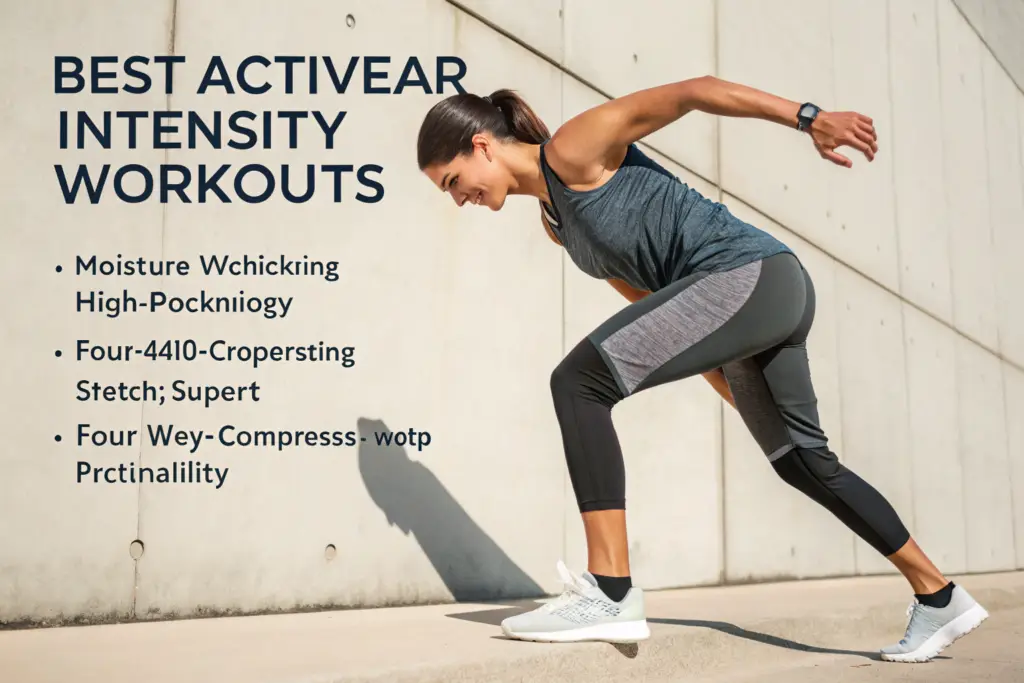
The best activewear for high-intensity workouts combines four critical features: moisture-wicking fabrics that move sweat away from skin, four-way stretch that moves with the body, compression that provides support without restriction, and construction that stays in place during dynamic movement. Materials matter more than style. Construction matters more than color. Performance is what keeps customers coming back.
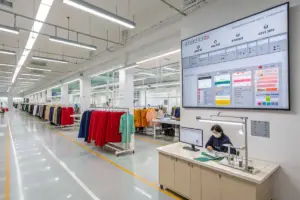
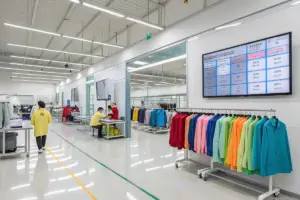
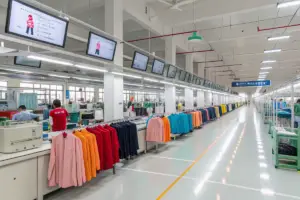
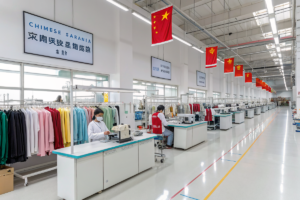
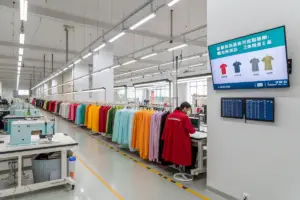
Running a manufacturing facility in Shanghai means I work with performance fabrics constantly. At Shanghai Fumao, we produce activewear for American brands ranging from boutique studios to national chains. I have tested fabrics across real workouts and seen what actually performs when the intensity rises. Let me share what works and why.
What Fabrics Actually Perform During High-Intensity Workouts?
A Denver-based CrossFit coach tested fabrics across his members last year. He found that cheap cotton blends left members soaked and uncomfortable. Quality performance fabrics kept them dry and focused. The difference in workout quality was noticeable to the coaches.
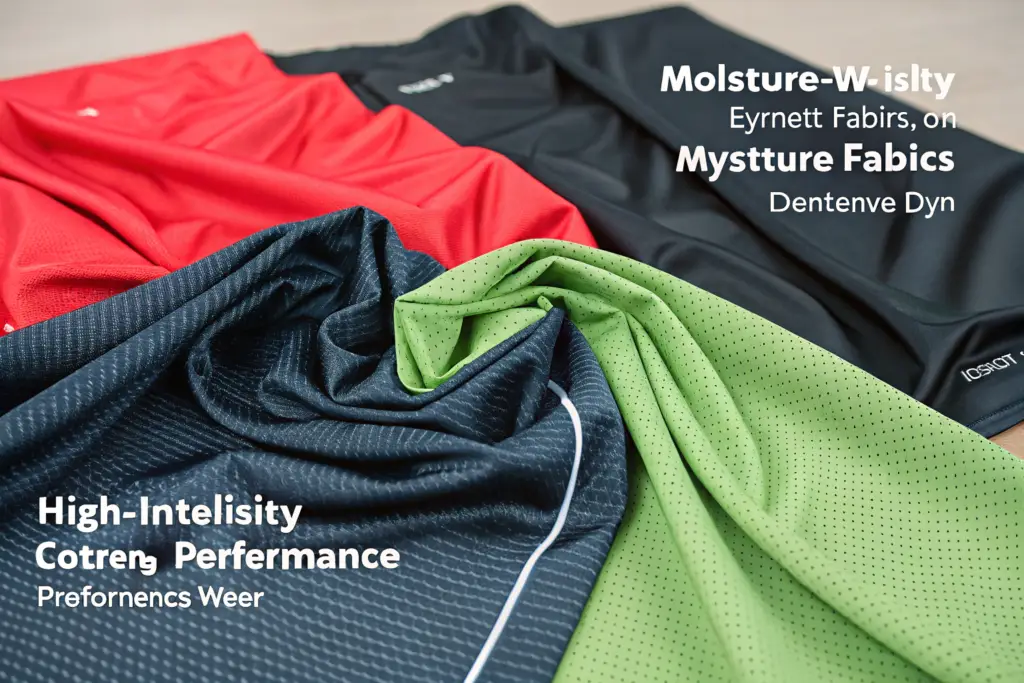
Moisture-wicking synthetic fabrics lead the category for high-intensity performance. Polyester and nylon blends with elastane provide the right combination of moisture management, stretch, and durability. These fibers repel moisture rather than absorbing it, keeping you dry when sweat rates peak. Cotton has no place in high-intensity activewear, as it holds moisture and becomes heavy, uncomfortable, and chafe-inducing.
Why Does Polyester Dominate High-Performance Activewear?
Polyester’s molecular structure makes it naturally hydrophobic, meaning it repels water rather than absorbing it. This property keeps sweat moving away from skin to the fabric surface where it can evaporate. A Seattle-based marathoner switched to polyester tops after years of cotton and described the difference as "night and day. I finish runs dry instead of soaked." Polyester quality varies significantly. Basic polyester can feel rough and trap odors. Performance-engineered polyester with moisture-wicking finishes and anti-odor treatments delivers the experience serious athletes demand. We recommend clients specify performance polyester with documented wicking rates and odor-control properties. At Shanghai Fumao, we source polyester from mills specializing in performance applications. The performance polyester guide explains the differences between basic and engineered polyester for activewear.
How Does Nylon Compare to Polyester for Workouts?
Nylon offers different performance characteristics than polyester. It feels softer against skin and provides excellent durability. However, nylon absorbs more moisture than polyester, which can leave it feeling damp longer. A Chicago-based yoga teacher prefers nylon for low-intensity classes but switches to polyester for heated power classes. Nylon applications work best for activities where moisture exposure is moderate rather than extreme. For high-intensity workouts where sweat rates peak, polyester generally outperforms nylon. We help clients select the right fiber based on their customers’ typical workout intensity. The fiber comparison resource provides detailed data on how different fibers perform under various activity levels.
What Stretch and Recovery Matter Most?
A Boston-based HIIT instructor shared her frustration with leggings that stretched out during class. She would start with perfect fit and end with sagging knees and loose waistbands. The fabric lacked proper recovery, the ability to return to original shape after stretching.
Four-way stretch is essential for high-intensity movement, but stretch alone is not enough. Recovery, the fabric’s ability to return to its original shape, matters equally. Fabrics with high elastane content, typically 10% to 20% for compression garments, provide both the stretch needed for movement and the recovery needed to maintain shape through repeated use.
What Elastane Percentage Works for Different Activities?
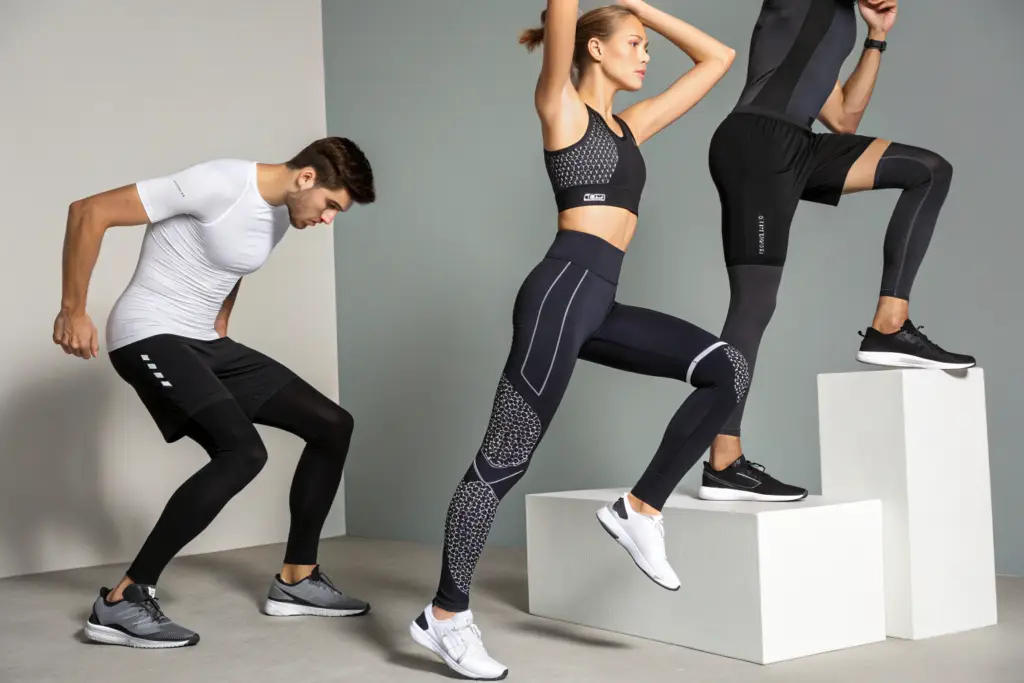
Elastane content determines how much a fabric stretches and how well it recovers. For high-intensity activities, 10% to 15% elastane provides the right balance. Lower percentages may not provide enough stretch for dynamic movement. Higher percentages can feel too restrictive. A Portland-based cyclist found that 12% elastane leggings stayed in place through hours of riding while 8% elastane versions slipped constantly. Elastane quality also matters. Premium elastane from brands like Lycra maintains its recovery through many wears and washes. Cheaper elastane degrades quickly, leading to the sagging customers hate. We specify premium elastane for all high-intensity activewear we produce. The Lycra performance guide explains how elastane quality affects garment performance and longevity.
How Do You Test Stretch and Recovery?
Simple tests reveal fabric performance. The stretch test: pull the fabric in all directions. It should stretch easily and feel comfortable. The recovery test: stretch the fabric and release. It should snap back immediately without holding the stretched shape. A Denver-based customer described her test method: "If I stretch a legging and it stays stretched, I don’t buy it." Testing standards include industry measures like stretch percentage and recovery rate. We provide clients with test data showing how fabrics perform under repeated stretching, ensuring their claims match actual performance. The ASTM textile testing standards provide official methods for measuring stretch and recovery in performance fabrics.
What Construction Prevents Wardrobe Malfunctions?
A New York-based fitness influencer shared a horror story with me. Her leggings became transparent during a squat in front of a live audience. The fabric had been fine in testing but failed under real workout conditions. The problem was construction, specifically insufficient fabric density in high-stress areas.
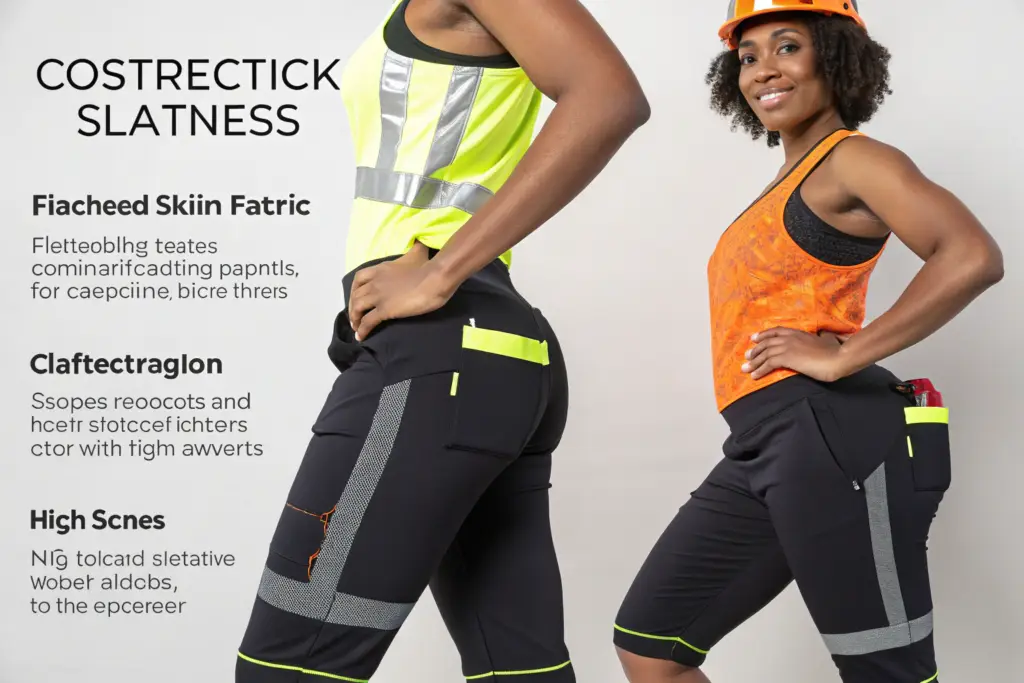
Construction prevents the failures that destroy confidence during workouts. Flatlock seams lie flat against skin, preventing chafing during repetitive movement. Gusseted crotches provide extra fabric in high-stress areas, preventing the transparency and tearing that can happen during deep squats and lunges. Wide waistbands distribute pressure evenly, preventing rolling and slipping.
Why Do Flatlock Seams Matter for High-Intensity Workouts?
Flatlock seams lie flat against the skin rather than standing up like traditional seams. This construction prevents the chafing that can ruin workouts. A Philadelphia-based runner switched to flatlock seams after developing painful chafing from standard seams during marathon training. Seam placement also matters. Seams placed away from high-friction areas like inner thighs and underarms reduce irritation. We help clients specify seam types and placements that match their customers’ activities. The seam construction guide explains different seam types and their suitability for activewear applications.
What Gusset Construction Prevents Transparency?
Gusseted crotches add a diamond-shaped piece of fabric at the intersection of legs, providing extra coverage and reinforcement in high-stress areas. This construction prevents the transparency that can occur when fabric stretches over wide movements. A Chicago-based CrossFit athlete requires gusseted leggings for competition, explaining that "squatting in front of judges requires confidence that your clothing will perform." Gusset considerations include fabric weight and placement. The gusset should use the same performance fabric as the main garment to maintain consistent moisture management and stretch properties. At Shanghai Fumao, we incorporate gusset construction as standard in all high-intensity activewear patterns.
What Features Support High-Intensity Movement?
A Seattle-based personal trainer told me her clients need activewear that works as hard as they do. Pockets that hold phones securely, waistbands that stay put, and tops that don’t ride up during burpees. These functional features matter as much as fabric.
Functional features make the difference between activewear that works and activewear that frustrates. Secure pockets that hold phones during movement, waistbands with silicone grip to prevent slipping, and longer torso lengths that stay tucked in all support high-intensity workouts. These features may seem minor, but they determine whether customers reach for your gear or their competitors’.
What Pocket Placement Works for Active Movement?
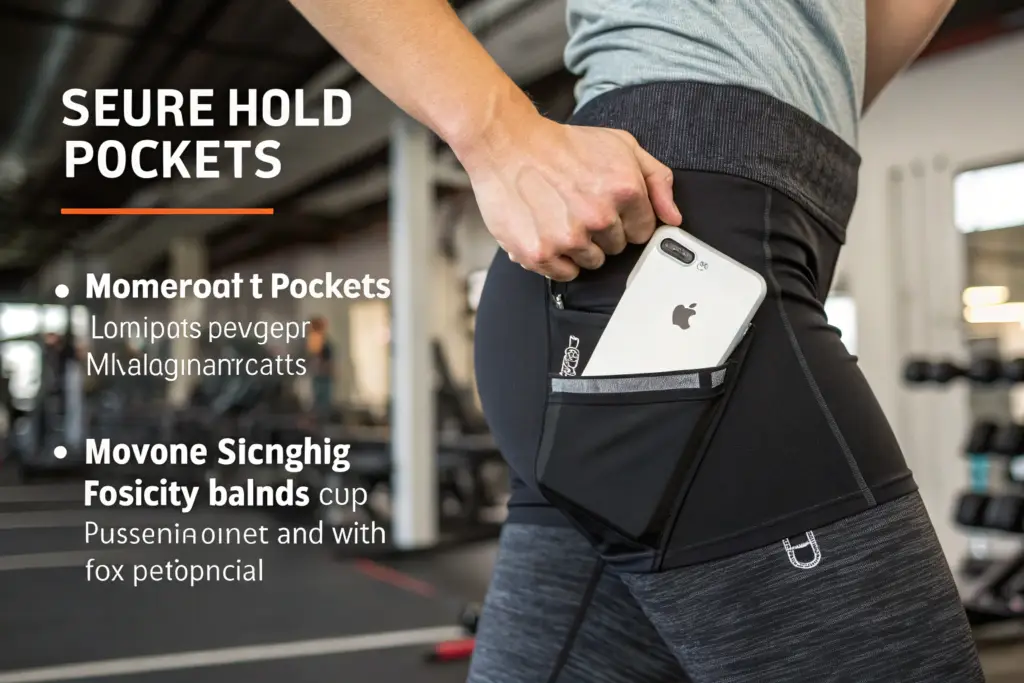
Pockets need to hold items securely without interfering with movement. Side pockets positioned along the leg can work for low-intensity activities but may bounce during high-intensity movement. Back waistband pockets, positioned in the center of the lower back, stay stable during most activities. A Denver-based runner prefers a center back pocket because "my phone doesn’t bounce and I forget it’s there." Pocket security requires zippers or deep, secure enclosures. Shallow pockets or pockets without closures lead to lost items during intense movement. We help clients design pocket placements that balance accessibility with security. The activewear pocket guide provides insights on what pocket features runners and HIIT athletes actually use.
How Do You Prevent Waistband Rolling?
Waistband rolling destroys confidence and interrupts workouts. Wide waistbands distribute pressure across a larger area, reducing the likelihood of rolling. Silicone grip strips add friction that keeps waistbands in place. A Boston-based fitness instructor requires both features in her leggings, noting that "nothing ruins a class like having to pull up your pants in the middle of a set." Waistband design should consider the specific activity. High-rise waistbands work well for activities involving bending and stretching. Mid-rise may work for lower-impact activities. At Shanghai Fumao, we offer multiple waistband options so brands can match design to activity level. You can explore waistband construction techniques to understand how different designs affect fit and function.
Conclusion
The best activewear for high-intensity workouts combines moisture-wicking synthetic fabrics, appropriate stretch and recovery, secure construction with flatlock seams and gusseted crotches, and functional features like secure pockets and stay-put waistbands. Polyester leads for moisture management, while elastane provides the recovery needed to maintain shape. Construction prevents wardrobe malfunctions and chafing. Features support movement rather than interrupting it.
At Shanghai Fumao, we help brands develop activewear that performs when intensity rises. Our fabric expertise, construction knowledge, and testing capabilities ensure your garments meet the demands of serious athletes. If you are developing an activewear line or looking to improve your existing collection, contact our Business Director Elaine at elaine@fumaoclothing.com. She can discuss fabric options, construction details, and how we help brands create activewear that customers trust. You can also explore our performance activewear guide to understand the full range of options available for your next collection and request performance testing data for our activewear fabrics.