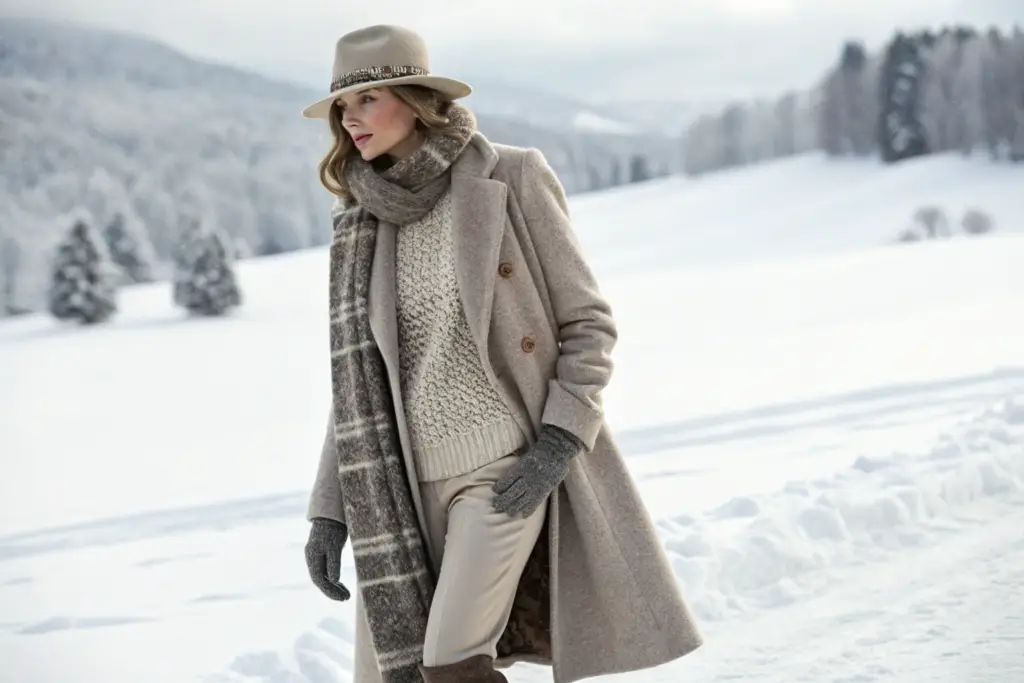
A fashion brand owner from New York called me last winter with a common frustration. Her customers loved her winter coats and sweaters, but they kept asking the same question: "How do I look put together when I'm wearing five layers?" She had beautiful pieces individually, but her customers struggled to combine them into outfits that felt both warm and stylish. She asked me to help her understand the balance.
Staying cozy and stylish in winter is about choosing quality materials that provide warmth without bulk, mastering the art of layering, and investing in key pieces that work together. Wool and cashmere offer warmth with elegance. Proper layering creates visual interest while trapping heat. Strategic accessories add personality without sacrificing function. The goal is looking intentional rather than just bundled up against the cold.
Running a manufacturing facility in Shanghai means I work with winter fabrics year-round. At Shanghai Fumao, we produce winter garments for American brands across style categories. I have seen what actually works for real people in cold climates. Let me share the principles that help our clients stay warm while looking polished.
What Fabrics Provide Both Warmth and Style?
A Chicago-based customer told me her style transformation came when she stopped buying bulky acrylic sweaters and invested in quality wool. She looked slimmer, felt warmer, and received more compliments. The fabric quality changed everything.
Wool leads the category for warmth with elegance. Its natural crimp traps air for insulation while its structure holds shape and drapes beautifully. Cashmere offers unmatched softness with similar warmth. Alpaca and mohair add texture and visual interest. Quality knitwear in these fibers looks substantial without looking bulky. Synthetic fibers can work too, but they generally lack the same drape and appearance.
Why Is Wool the Ultimate Winter Style Fabric?
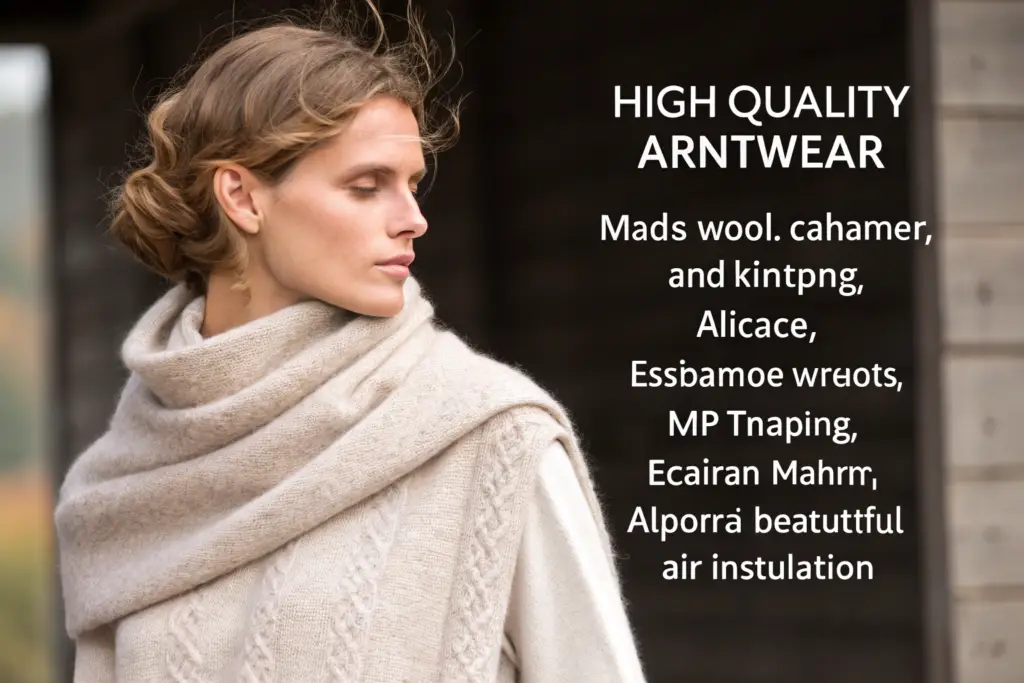
Wool's natural properties make it uniquely suited for stylish winter wear. It insulates without excessive bulk, drapes beautifully, and resists wrinkles that ruin a polished look. A Boston-based stylist recommends merino wool as "the secret to looking sleek in winter" because it provides warmth without the puffiness of cheaper synthetics. Wool varieties offer different style expressions. Merino provides smooth, refined looks suitable for office wear. Lambswool offers classic texture for casual elegance. Shetland brings traditional heritage style. We help clients select wool types that match their aesthetic while delivering the warmth their customers expect. The Woolmark Company provides resources on different wool types and their performance characteristics for style applications.
Does Cashmere Deliver on Both Style and Warmth?
Cashmere offers the ultimate combination of warmth and luxury. Its fine fibers allow high density without weight, creating garments that feel substantial yet look elegant. A Philadelphia-based customer described her cashmere sweater as "the only thing that makes me feel dressed up even when I'm just running errands." Cashmere considerations include care requirements. Cashmere requires more careful handling than wool but rewards that care with longevity. Blends with wool or silk can improve durability while maintaining softness. At Shanghai Fumao, we offer cashmere in various grades so brands can match quality to their price points. The Cashmere Care Guide provides information on selecting and maintaining cashmere for long-lasting style.
How Do You Layer Without Looking Bulky?
A Denver-based brand taught me that layering fails when customers treat it as survival rather than styling. The same layers that keep you warm can also look intentional and polished when approached with thought.
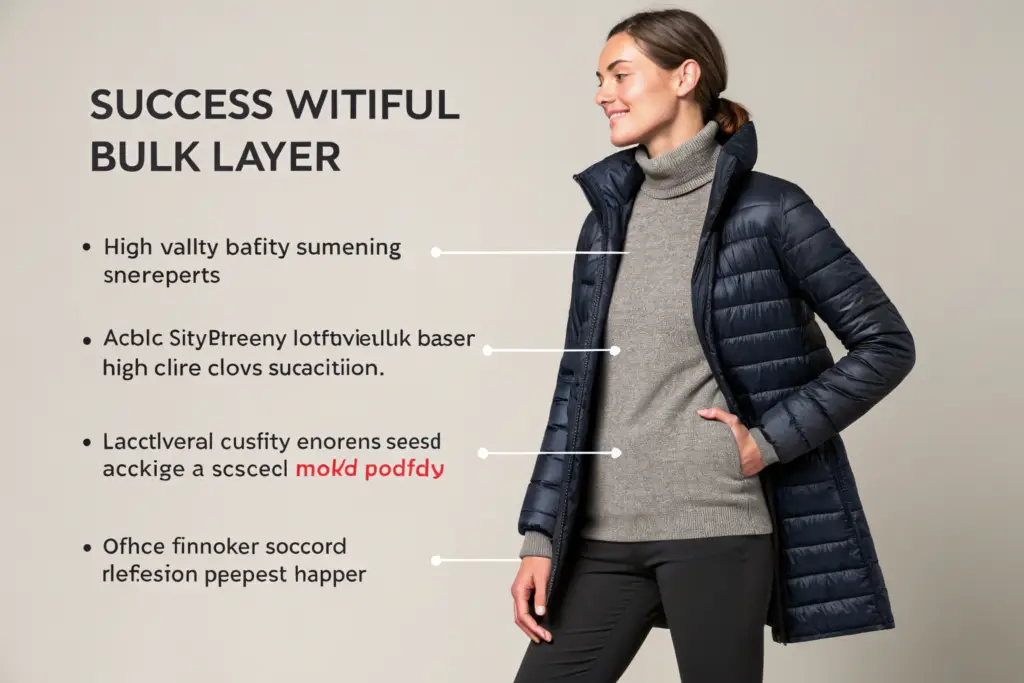
Successful layering starts with thin, high-quality base layers that add warmth without visible bulk. The second layer should fit close enough to avoid bunching while allowing movement. The outer layer provides both insulation and the primary style statement. Each layer should be visible as intentional, creating visual interest through texture, color, and proportion rather than just piling on clothes.
What Base Layers Work Under Stylish Outfits?
Base layers should be thin enough to disappear under outer layers while providing genuine warmth. Merino wool base layers excel here because they provide insulation without bulk and manage moisture effectively. A Seattle-based customer wears a thin merino turtleneck under sweaters and blazers, describing it as "invisible warmth." Base layer visibility matters. Some base layers are designed to show as part of the outfit. Others should remain completely hidden. We help clients develop base layers that work either way, depending on styling goals. The base layer guide provides comparisons of different base layer materials and how they perform under outer layers.
How Do You Create Visual Interest With Layers?
Layers create opportunities for visual interest through texture, color, and proportion. A cashmere sweater over a silk blouse combines textures that catch the eye. A longer cardigan over a shorter jacket creates proportion play. A Portland-based stylist tells clients that "layers give you something to look at besides just a coat and pants." Layering combinations should consider how fabrics interact. Smooth outer layers slide easily over textured under layers. Color coordination creates harmony while contrast creates drama. At Shanghai Fumao, we help brands design layering pieces that work together as systems rather than isolated items. You can explore layering techniques for visual inspiration on how to combine pieces effectively.
What Outerwear Keeps You Warm and Looking Polished?
A New York-based customer told me she used to buy coats based on warmth alone and always looked frumpy. Once she invested in a properly fitted wool coat, her entire winter wardrobe came together. The coat became the anchor for everything else.
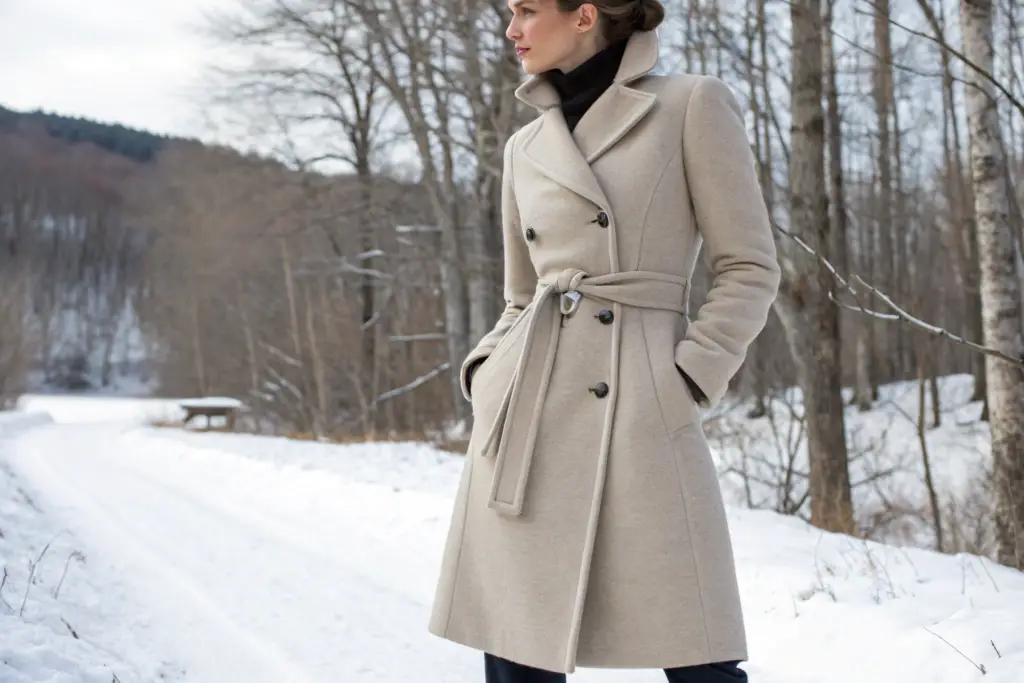
Outerwear makes the first and lasting impression in winter. A well-fitted wool coat in a classic silhouette provides maximum versatility and style. Length matters, longer coats generally look more polished. Color choices in neutrals maximize outfit combinations. Belted styles create shape and prevent the shapeless look that ruins winter style.
What Coat Length Works for Most People?
Coat length significantly affects both warmth and style. Knee-length coats offer the best balance, providing coverage for most outfits while maintaining proportion. Shorter coats can work but require careful attention to what they pair with. A Boston-based customer prefers knee-length because "it covers my dresses and looks polished with everything." Length considerations include body type and lifestyle. Taller individuals can carry longer coats. Shorter individuals may prefer slightly above the knee to avoid overwhelming proportions. We help clients develop coat lengths that flatter their target customers. The coat length guide explains how different lengths work for different body types and style preferences.
What Silhouettes Flatter While Providing Warmth?
Silhouette choices determine how warm and stylish a coat looks. Fitted styles that follow the body create a sleek appearance while trapping heat close to the body. A-line styles offer room for layers while maintaining shape. Belted styles create definition at the waist, preventing the shapeless look that can happen with heavy outerwear. A Chicago-based customer finds that "a belt makes any coat look intentional, even when I'm wearing three layers underneath." Silhouette selection should consider the intended layering underneath. A coat that fits perfectly over a thin sweater may not accommodate a chunky knit. We help clients design coats with appropriate ease for their intended use. At Shanghai Fumao, we offer coat patterns with multiple fit options for different layering needs.
How Do Accessories Complete Winter Style?
A Philadelphia-based brand discovered that accessory sales increased significantly when they styled winter looks with hats, scarves, and gloves that coordinated with their garments. Customers wanted the complete look, not just the main pieces.
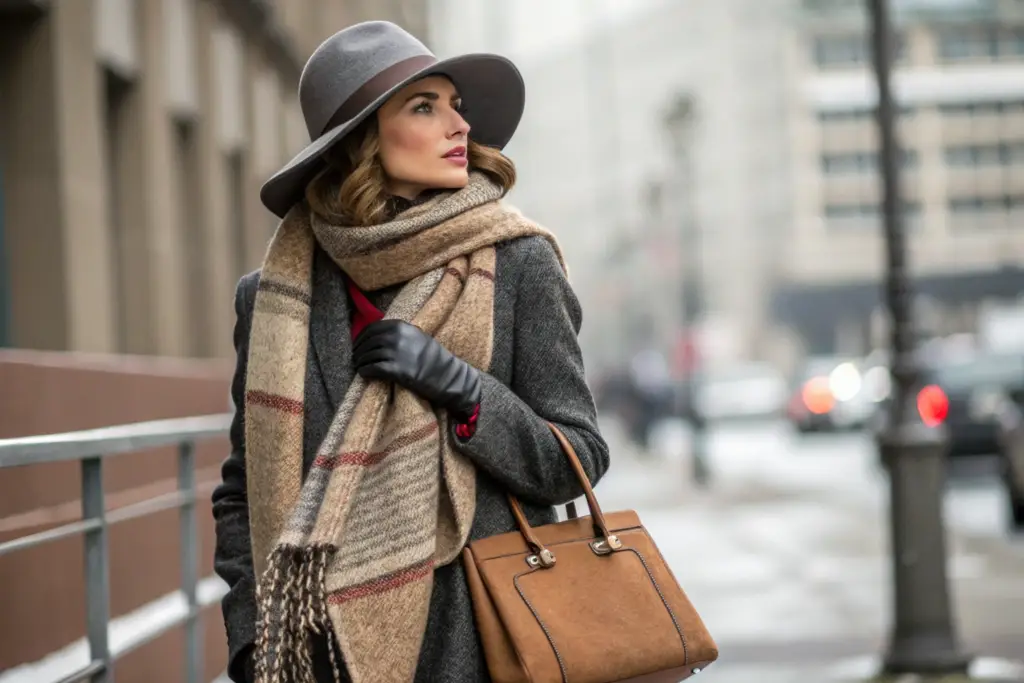
Accessories make winter style work. A quality wool scarf adds warmth while creating visual interest around the face. A well-chosen hat protects against heat loss while adding personality. Gloves and bags that coordinate with outerwear complete the polished look. These finishing pieces often make the difference between looking bundled up and looking styled.
What Scarves Add Style Without Bulk?
Scarves should provide warmth while adding visual interest without overwhelming the outfit. Wool and cashmere scarves in solid colors offer maximum versatility. Oversized scarves can look stylish but require careful wrapping to avoid bulk around the neck. A Portland-based customer owns scarves in coordinating colors to her coat collection, saying "the scarf is what makes the outfit look complete." Scarf styling matters as much as the scarf itself. Simple draping creates clean lines. More elaborate wrapping adds texture. We help brands show scarf styling options in their marketing to help customers visualize possibilities. The scarf styling guide provides visual references for different ways to wear scarves while maintaining style.
Do Hats and Gloves Need to Match?
Hats and gloves can match for a coordinated look or provide contrast for visual interest. The key is intentionality. A matching set looks polished. Contrasting colors that coordinate with the overall outfit look equally intentional. A Seattle-based customer mixes her gray gloves with a burgundy hat, noting that "they don't match but they work together because the colors are in the same family." Accessory coordination should consider the overall palette. Neutrals match everything. Colors should coordinate with major wardrobe pieces. At Shanghai Fumao, we help brands develop accessory collections that complement their garment lines. You can explore winter accessory trends for inspiration on coordinating hats, gloves, and scarves with outerwear.
What Footwear Works for Winter Style?
A Chicago-based customer told me her winter style improved dramatically when she invested in quality boots that worked with her entire wardrobe. She stopped wearing sneakers that got wet and looked out of place with her coats.
What Boot Height Works With Most Outfits?
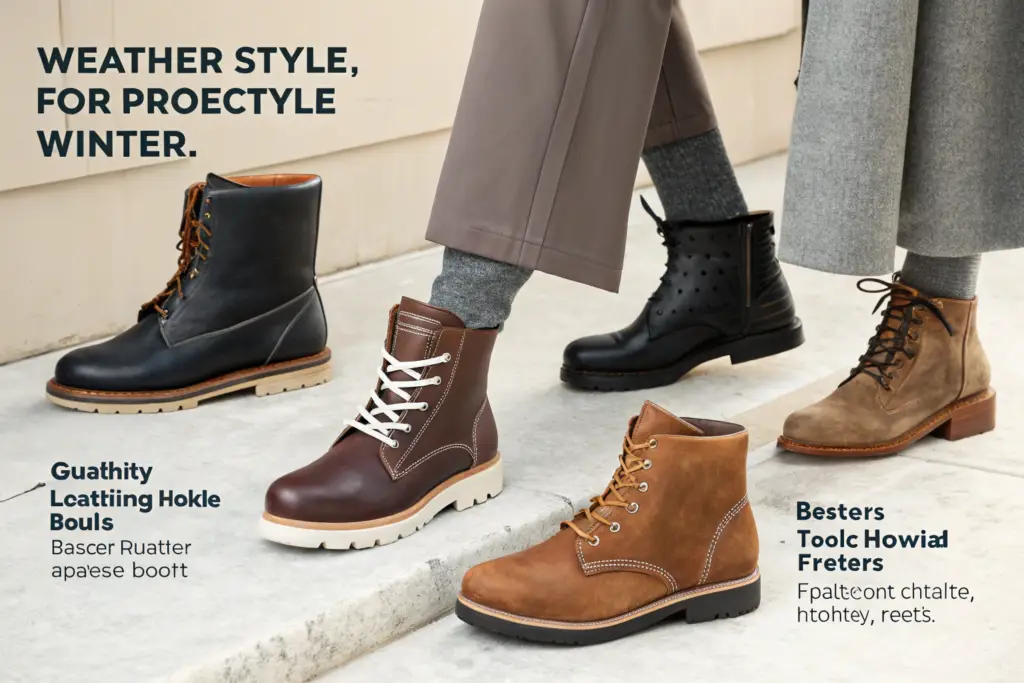
Ankle boots offer maximum versatility, working with pants, jeans, and skirts. They provide enough coverage for most winter conditions while remaining stylish. A Boston-based customer owns ankle boots in black and brown, noting that "they work with everything I own." Boot height considerations include intended use. Taller boots provide more warmth and work well under longer coats. Chelsea boots offer easy slip-on convenience. Lace-up styles add visual interest. We help brands develop boot collections that coordinate with their garment lines. The boot style guide explains how different boot heights work with various winter outfits.
How Do You Balance Warmth and Style in Footwear?
Warmth in footwear comes from materials and construction. Leather boots with wool linings provide insulation without bulk. Sheepskin linings offer exceptional warmth for the coldest conditions. A Denver-based customer wears sheepskin-lined boots for daily winter activities, describing them as "the only thing that keeps my feet warm when it's really cold." Footwear warmth should match your climate. Mild winters require less insulation than harsh winters. We help brands specify appropriate warmth levels for their target markets. At Shanghai Fumao, we work with footwear partners to ensure coordination between garments and winter footwear.
Conclusion
Staying cozy and stylish in winter comes down to quality fabrics, thoughtful layering, and strategic accessory choices. Wool and cashmere provide warmth with elegance. Proper layering creates visual interest while trapping heat. Well-fitted outerwear anchors the look. Coordinated accessories add personality. Quality footwear completes the ensemble. The goal is looking intentional rather than just bundled up against the cold.
At Shanghai Fumao, we help brands develop winter collections that deliver both warmth and style. Our fabric expertise, fit development, and design guidance ensure your garments help customers look and feel their best in cold weather. If you are planning a winter collection or looking to improve your existing line, contact our Business Director Elaine at elaine@fumaoclothing.com. She can discuss fabric options, layering strategies, and how we help brands create winter collections customers love. You can also explore our winter style guide to understand the full range of options available for your next cold-weather collection and request fabric samples to evaluate warmth and drape characteristics.